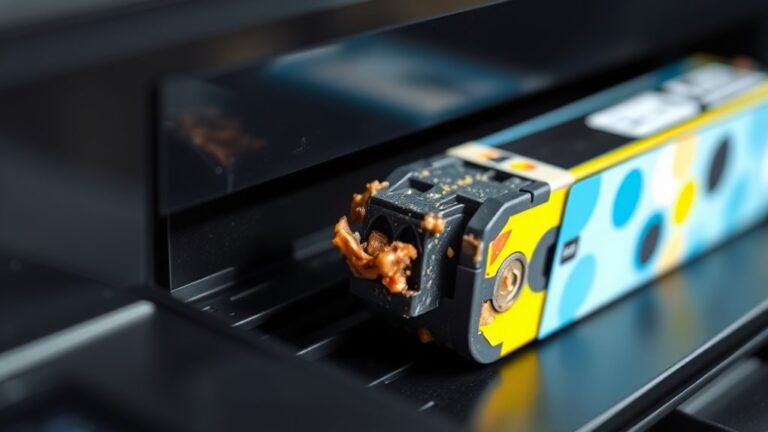
Does Your Fire Alarm Spray Ink?
Yes, some fire alarms spray ink to mark tampering or confirm activation visually. This helps you spot issues quickly and provides proof for investigations or insurance claims. It’s a clever feature designed to add an extra layer of security.
This can be especially handy in larger or more complex spaces where having clear evidence matters a lot. The ink leaves noticeable stains, which might be inconvenient, but it’s all about making sure any problems don’t go unnoticed.
If you’re curious about how this ink-spraying feature works, what benefits it offers, and what you should do if your alarm sprays ink, keep reading. We’ll break down everything you need to know in simple terms.
Key Takeaways
– Some specialized fire alarms spray visible ink to mark the location of activation for quick visual confirmation and investigation purposes.
This feature helps responders quickly identify where the alarm was triggered, making it easier to assess the situation.
– Ink-spraying alarms provide evidence of fire detection and deter tampering or vandalism by marking offenders with permanent stains.
So, if someone tries to interfere with the alarm, the ink leaves a clear sign on them.
– Signs of ink release include unexpected stains or smudges around the alarm or on nearby surfaces, indicating possible alarm activation or tampering.
If you notice these marks, it could mean the alarm has been triggered or someone messed with it.
– Not all fire alarms spray ink; traditional alarms typically emit sound or light signals without any marking substance.
Most alarms just beep or flash lights to get your attention, without leaving any physical marks.
– Ink sprays can cause permanent stains and require maintenance, so consider environment suitability before installing ink-spraying fire alarms.
It’s important to think about whether ink marks could be a problem in your space before choosing this type of alarm.
Understanding Tamper-Resistant Fire Alarms
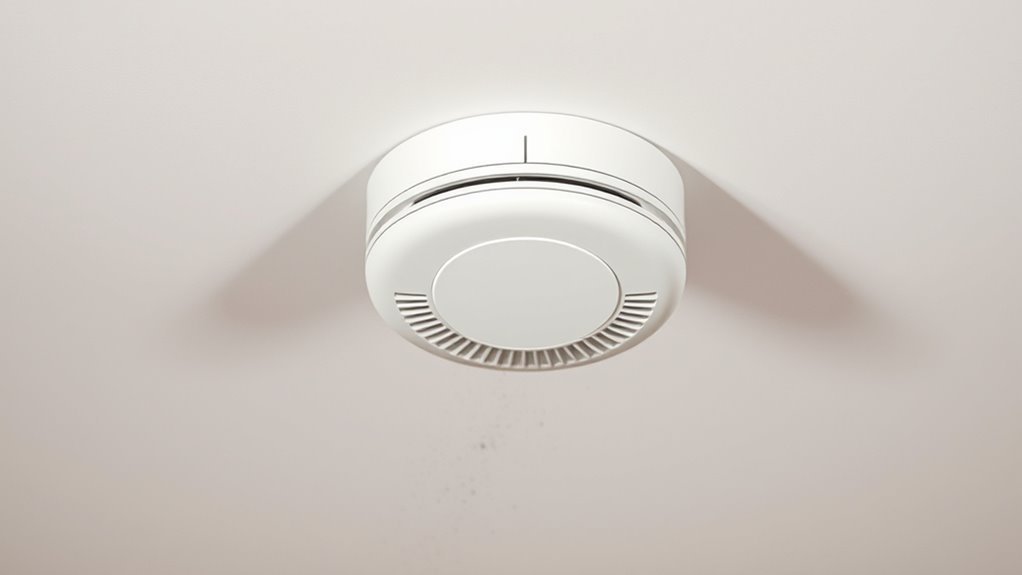
Although traditional fire alarms provide essential safety, tamper-resistant fire alarms take protection a step further by preventing unauthorized interference. When you use these alarms, you minimize the risk of someone disabling or damaging the device, which could leave you vulnerable during an emergency.
These alarms often feature secure mounting systems, protective covers, or locking mechanisms that make it difficult to remove or tamper with them without specialized tools. You’ll also find designs that resist prying, cutting, or other common tampering methods.
How Ink Marking Deters Theft and Vandalism

How can a simple spray of ink prevent theft and vandalism of fire alarms? When triggered, the ink marks the thief or vandal, making them instantly identifiable and discouraging such acts.
You’ll find that this visible deterrent reduces the risk of tampering and protects valuable safety equipment.
Here’s how ink marking works to deter crime:
- Immediate Identification: Ink stains skin and clothing, making escape without detection difficult.
- Visual Warning: The presence of ink-marking technology signals that tampering will have consequences.
- Evidence for Authorities: Marked individuals provide clear evidence, aiding investigations and prosecutions.
Types of Substances Used in Fire Alarm Marking

When selecting substances for fire alarm marking, you’ll want materials that are both highly visible and difficult to remove. Typically, the options include permanent ink, UV-reactive ink, and dye-based sprays. Each has unique properties suited for different environments and security needs.
| Substance Type | Key Characteristics |
|---|---|
| Permanent Ink | Stains deeply, resists cleaning and fading |
| UV-Reactive Ink | Invisible in daylight, glows under UV light |
| Dye-Based Sprays | Bright colors, quick drying, moderately durable |
You’ll find permanent ink best for long-term marking, while UV-reactive ink offers discreet identification. Dye-based sprays provide vivid, immediate visibility but may require reapplication over time.
Choosing the right substance helps ensure your fire alarm stays protected and easily identifiable. It’s all about matching the material to your specific needs and environment.
Identifying Signs of Ink Release From Your Fire Alarm
Selecting the right ink for marking your fire alarm helps guarantee visibility and durability, but it’s equally important to recognize when the ink starts to loosen or degrade.
You might not notice right away, but certain signs indicate your fire alarm’s ink is breaking down or spraying unexpectedly.
Look out for these clear indicators:
- Smudges or streaks appearing on nearby surfaces without any obvious cause.
- Ink residue on your hands or clothes after touching the alarm.
- Faint, unexpected ink spots around or below the alarm, especially if they weren’t there before.
Spotting these signs early helps you address potential issues before they escalate.
Steps to Take if Your Fire Alarm Sprays Ink
If your fire alarm sprays ink, first make sure you stay safe by avoiding direct contact and ventilating the area.
Next, clean up the ink residue carefully to prevent stains or damage.
Finally, inspect your alarm and replace it if necessary to guarantee it’s working properly.
Immediate Safety Precautions
Although encountering ink from your fire alarm can be surprising, you should act quickly to guarantee your safety and minimize damage. First, avoid touching the ink directly—it can irritate your skin or stain clothing.
Next, ventilate the room by opening windows and doors to clear any fumes or particles released. Finally, keep children and pets away from the affected area to prevent accidental contact or ingestion.
If you need to handle anything near the ink spray, put on gloves. It’s a simple step but really helps protect your skin.
Also, make sure to turn off the alarm’s power source to prevent further discharge.
And don’t forget to document the incident with photos. This can be useful for reporting or warranty claims later on.
Taking these steps promptly helps protect you and your household while preparing for proper cleanup. It’s all about keeping everyone safe and making the process easier.
Cleaning Ink Residue
When dealing with ink residue from your fire alarm, start by gathering the right cleaning supplies, such as gloves, mild detergent, and soft cloths. First, put on gloves to protect your skin from ink and cleaning agents.
Dampen a soft cloth with a mixture of warm water and mild detergent, then gently wipe the ink-stained areas. Avoid harsh scrubbing to prevent damage to the alarm’s surface.
If the ink is stubborn, you can use a small amount of isopropyl alcohol on a cloth, but test it in an inconspicuous spot first. After cleaning, wipe the area with a damp cloth to remove any detergent or alcohol residue.
Finally, let the fire alarm air dry completely before restoring power or handling it further. It’s important to be patient here to avoid any issues.
Inspecting and Replacing Alarm
Since a fire alarm spraying ink indicates a malfunction, you should inspect it carefully to determine if replacement is necessary. Start by checking the alarm’s exterior for cracks or damage where ink might leak.
Next, test the alarm using its test button; if it sounds weak or irregular, that’s a clear warning sign. Finally, consider the alarm’s age—most units last about 10 years, so an older model spraying ink definitely needs substituting.
- Look for visible damage or ink stains on the alarm’s casing.
- Press the test button to ensure the alarm emits a strong, steady sound.
- Verify the manufacturing date and replace if it’s past its lifespan.
Taking these steps will keep your home safe and ink-free. It’s a simple process but super important!
Benefits and Limitations of Ink-Spraying Fire Alarms
You’ll want to understand how the ink-spraying mechanism works to see its unique advantages in alerting you to danger. While these alarms provide a clear, visible warning, they also come with some practical limitations you shouldn’t overlook.
Let’s explore both the benefits and drawbacks to help you decide if this system fits your needs. It’s always good to weigh the pros and cons before making a choice like this.
Ink-Spraying Mechanism Explained
Although fire alarms traditionally rely on sound or light alerts, ink-spraying mechanisms offer a unique approach by marking the source of smoke or fire with visible ink.
When smoke or heat triggers the alarm, a small reservoir of ink releases a quick spray onto the affected area. This visible mark helps responders quickly identify the exact location of the fire, even in smoky or dark conditions.
Here’s how the mechanism works:
- Sensors detect smoke or heat and activate the alarm.
- A micro-pump forces ink from its reservoir through a nozzle.
- The ink sprays onto walls, ceilings, or smoke, leaving a clear, visible mark.
This process happens within seconds, providing essential visual cues for faster fire response. Pretty clever, right?
Advantages of Ink Alerts
When an ink-spraying fire alarm activates, it not only alerts you but also marks the exact source of danger, making it easier to locate and address the fire quickly. This targeted marking helps emergency responders identify the fire’s origin, speeding up their response and reducing potential damage.
You’ll appreciate how ink alerts add an extra layer of safety by preventing confusion during chaotic situations, especially in large buildings or complex layouts. Plus, the visible ink stain serves as evidence that the alarm triggered, which can be useful for investigations or insurance claims.
While the ink doesn’t interfere with the alarm’s primary function, it definitely enhances your ability to act decisively and minimize harm. All in all, ink-spraying alarms are a smart choice for proactive fire safety.
Practical Drawbacks Considered
While ink-spraying fire alarms offer clear advantages, they come with practical drawbacks you should consider before installation. First, the ink can cause permanent stains on walls, ceilings, and belongings, creating costly cleanup or repairs.
Second, the system may trigger false alarms when exposed to steam, dust, or smoke from cooking, leading to unnecessary ink sprays and inconvenience. Third, maintenance is more complex; you’ll need to regularly check ink cartridges and ensure no clogs, increasing upkeep compared to traditional alarms.
These factors mean you should weigh the benefits against potential mess, false alarms, and upkeep. By understanding these limitations, you can decide if an ink-spraying fire alarm fits your space and lifestyle.
Frequently Asked Questions
Can Ink Spraying Fire Alarms Interfere With Smoke Detection?
Yes, ink spraying fire alarms can interfere with smoke detection by obstructing sensors or causing false alarms.
You should regularly check and maintain your alarm to guarantee it works properly and keeps you safe.
It’s really important to keep those sensors clear so they can do their job right. Otherwise, you might miss an actual fire or get annoyed by false alerts.
Are Ink-Marking Fire Alarms More Expensive Than Regular Ones?
Yes, ink-marking fire alarms usually cost more than regular ones because of the added technology. You’ll pay extra for the ink spray mechanism, but it can help identify false alarms quickly and reduce unnecessary responses.
It’s kind of like an investment. Sure, you spend a bit more upfront, but it could save time and hassle down the line. Plus, knowing the source of a false alarm right away can be a real game-changer.
How Often Should Ink-Marking Fire Alarms Be Replaced or Maintained?
You should replace or maintain ink-marking fire alarms every 5 to 10 years, following the manufacturer’s guidelines. Regularly test them monthly and clean dust off to guarantee they work properly and the ink marks stay visible.
It’s really important to keep up with these checks. That way, you’re sure the alarms will alert you in case of an emergency. Plus, keeping the ink marks clear helps you know when maintenance is needed.
Is the Ink Used in Fire Alarms Safe for People With Allergies?
No, your fire alarm’s ink isn’t a secret allergen villain plotting to ruin your day. It’s generally safe, designed to mark without harm.
But if you’re super sensitive, check product details or chat with your doc first.
Can Ink Sprays Cause Damage to Property or Electronics Nearby?
Yes, ink sprays can damage property and electronics nearby. You’ll want to clean surfaces quickly to prevent staining and avoid moisture exposure that might harm sensitive devices.
Taking precautions helps protect your belongings effectively. It’s always better to be safe than sorry!
Conclusion
Did you know that nearly 30% of fire alarm thefts drop after ink-marking systems are installed? If your fire alarm sprays ink when tampered with, it’s a clever way to deter theft and vandalism.
While it’s not foolproof, this added layer of protection helps keep your safety equipment intact. So, if you notice ink stains or suspect tampering, act quickly to maintain your fire alarm’s reliability and your peace of mind.
Having a fire alarm that sprays ink upon tampering is a smart security feature. It discourages thieves by marking the device, making it harder to steal or vandalize without getting caught. This simple yet effective method enhances the safety of your property and ensures your fire alarm stays functional when you need it most. Remember, staying alert to any signs of tampering and addressing them promptly keeps your fire alarm working properly and protects your investment in safety.