What Gets Ink Off Skin?
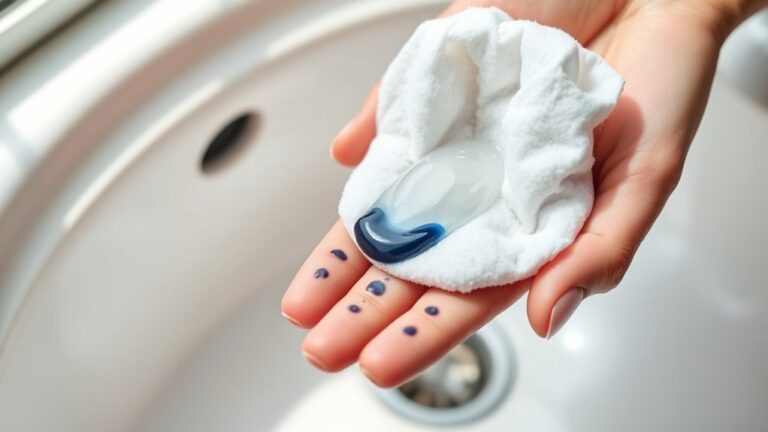
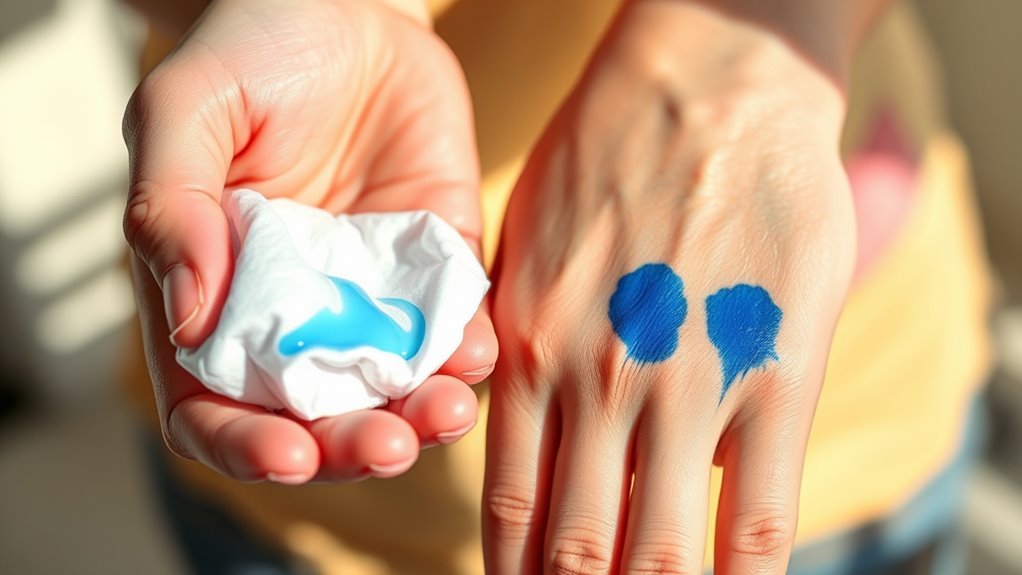
You can get ink off your skin using common items like dish soap, olive or coconut oil, or rubbing alcohol applied gently with a cotton ball. These everyday household products are usually effective for most ink stains and are easy to find.
If you’re dealing with stubborn marks like permanent marker, alcohol-based products or makeup remover work well, but remember to test a small area first to avoid irritation.
Natural options like milk or lemon juice can also help remove ink without using harsh chemicals. These gentle remedies are great if you have sensitive skin or prefer a more natural approach.
After you’ve treated the stain, always wash the area thoroughly and apply moisturizer to protect your skin. Keep exploring for more tips on removing specific types of ink and preventing skin irritation—you’ll find plenty of useful advice!
Key Takeaways
- Use dish soap or mild soap with warm water to gently wash ink from skin without irritation. It’s a simple and safe way to start.
- You can also try applying olive oil, coconut oil, or baby oil. These help loosen and remove ink while keeping your skin moisturized.
- For tougher stains, rubbing alcohol or hand sanitizer works well. They break down permanent marker and ballpoint ink pigments effectively.
- If you prefer natural remedies, lemon juice or milk might do the trick. They can lift ink stains with minimal irritation to your skin.
- Just remember to rinse thoroughly after cleaning. And don’t forget to moisturize your skin afterward to prevent dryness and damage.
Common Household Items to Remove Ink
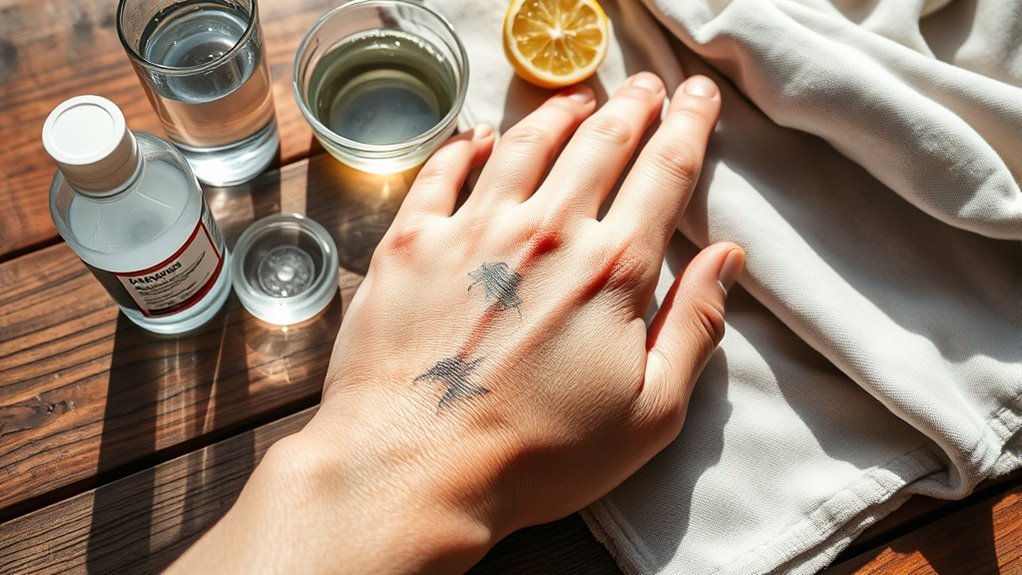
When you get ink on your skin, you don’t have to rush to the store for specialized removers. You can use common household items like dish soap and olive oil to tackle the stain.
Start by applying a few drops of dish soap to the inked area and gently rub it with your fingers or a soft cloth. If the ink persists, try dabbing some olive oil onto the skin and let it sit for a minute before wiping it off.
Another effective option is toothpaste—just apply a small amount, rub gently, and rinse. Baking soda mixed with water into a paste also works well.
These items break down the ink’s oils and pigments, helping you clean your skin easily and safely.
Using Alcohol-Based Products Safely
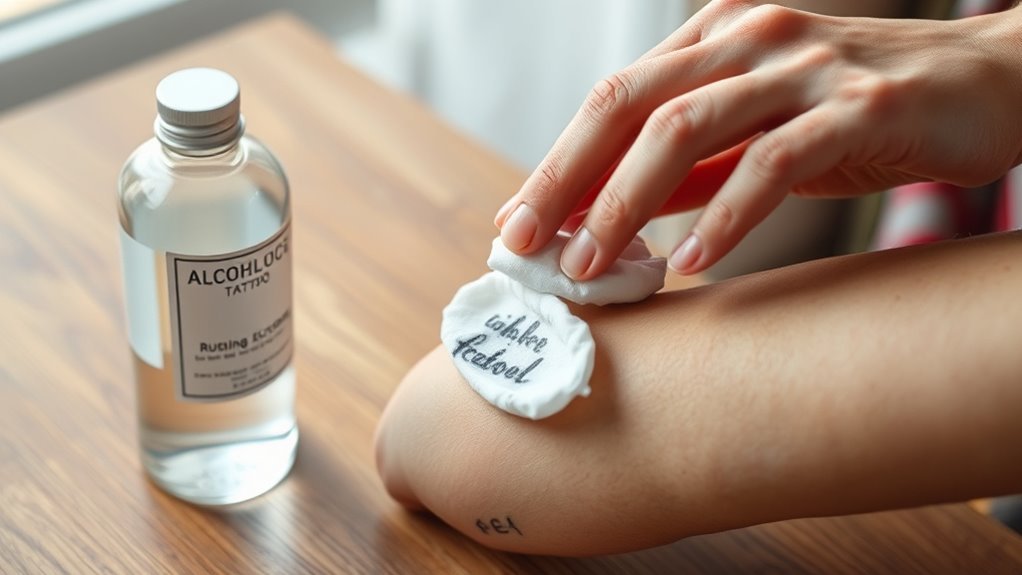
Although alcohol-based products can effectively remove ink from your skin, you should use them with caution to avoid irritation. These products are strong and can dry out or damage your skin if misused.
Alcohol-based removers work well on ink but must be used carefully to prevent skin irritation and dryness.
To use them safely, follow these steps:
- Test a small skin area first to check for any allergic reactions.
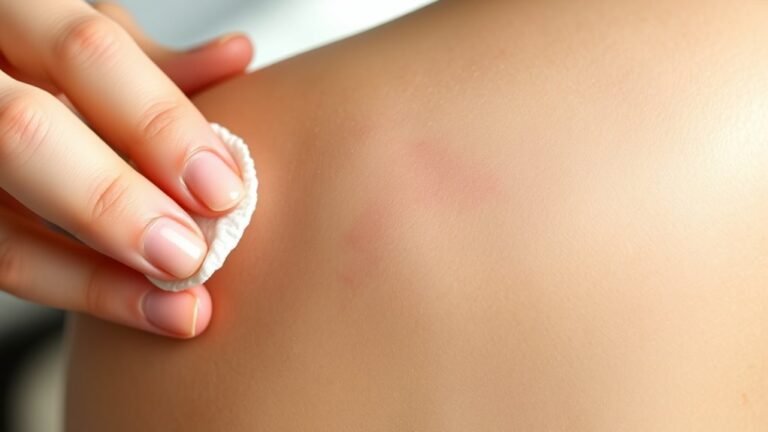
- Apply the alcohol-based product gently using a cotton ball or soft cloth; avoid scrubbing harshly.
- Limit contact time; don’t leave the product on your skin for more than a minute.
- After removal, wash the area thoroughly with soap and water and apply a moisturizer to soothe your skin.
Natural Remedies for Ink Stains
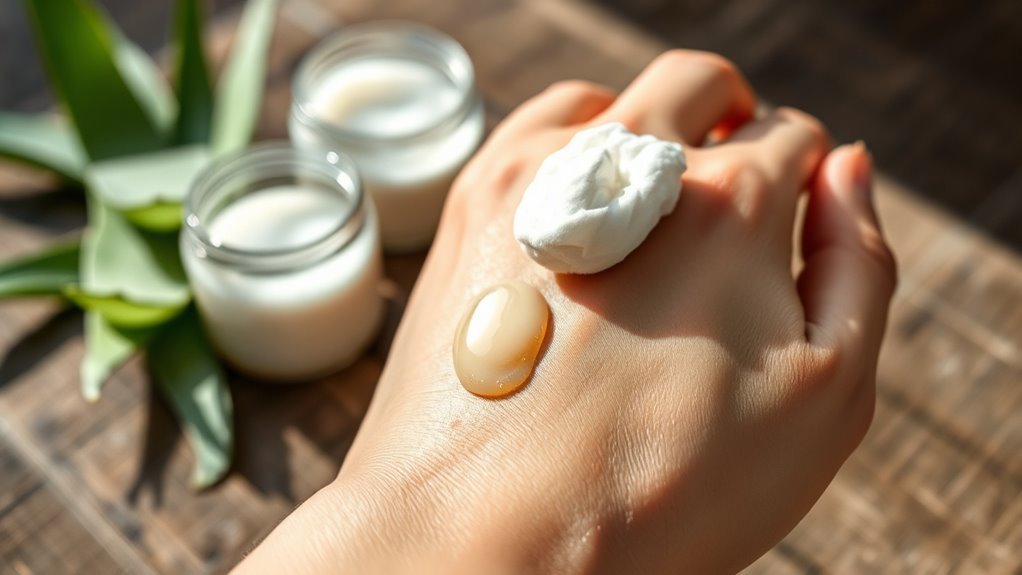
Since chemical products can sometimes irritate your skin, you might prefer natural remedies to remove ink stains. Start by applying a bit of olive oil or coconut oil to the stained area and gently rub it in.
These oils help break down the ink and moisturize your skin. Another effective option is lemon juice; dab some onto the stain and let it sit for a minute before rinsing off. But, if you have sensitive skin, you might want to skip the lemon juice.
You can also try using milk by soaking a cotton ball and wiping the ink away. Remember to wash the area with warm water and mild soap afterward to remove any residue.
These gentle methods reduce irritation while effectively lifting ink from your skin. Give them a try!
Techniques for Different Types of Ink
When tackling ink stains, you’ll need different methods depending on the type of ink. Permanent marker requires stronger solutions, while ballpoint ink often comes off with gentler approaches.
Let’s explore the best techniques for each to help you get your skin clean. It’s not as tricky as it sounds, promise! Just a little know-how goes a long way.
Removing Permanent Marker
How can you effectively remove permanent marker from your skin without causing irritation? Start by choosing gentle but effective methods to avoid harming your skin.
Here are four reliable techniques:
- Rubbing Alcohol: Apply a small amount to a cotton ball and gently rub the stained area. It breaks down the ink without harsh scrubbing.
- Hand Sanitizer: Use a sanitizer with alcohol; it works similarly and also moisturizes your skin.
- Olive Oil or Coconut Oil: Massage the oil onto the mark to loosen the ink, then wipe away with a soft cloth.
- Makeup Remover: Select a gentle remover designed for sensitive skin to lift the ink effectively.
Always rinse well and moisturize afterward to keep your skin healthy.
Cleaning Ballpoint Ink
A common challenge you might face is removing ballpoint ink from your skin, as its oil-based formula tends to cling stubbornly. To tackle it, start by applying rubbing alcohol or hand sanitizer directly onto the stain.
Rub gently with a cotton ball or soft cloth to break down the ink. If you don’t have alcohol, cooking oil or baby oil can work as an alternative, loosening the ink without harsh chemicals.
Afterward, wash the area with warm water and soap to remove any residue. Avoid scrubbing too hard, which can irritate your skin.
If the stain persists, repeat the process a few times. With these simple steps, you can effectively clean ballpoint ink without damaging your skin.
Preventing Skin Irritation During Removal
When you’re removing ink from your skin, picking gentle cleaning agents is key to avoid irritation. You’ll want to use moisturizing products afterward to keep your skin hydrated.
Also, don’t scrub too hard, since that can damage your skin and make things worse. Just be gentle, and your skin will thank you!
Choose Gentle Cleaning Agents
Although it might be tempting to reach for harsh chemicals, choosing gentle cleaning agents will protect your skin from irritation during ink removal. You want to avoid damage and redness while effectively removing the ink.
Here’s how to pick the right products:
- Use mild soap or baby shampoo to break down ink gently.
- Opt for oil-based cleansers like coconut or olive oil to loosen ink without stripping moisture.
- Avoid products with alcohol or strong fragrances that can dry out your skin.
- Test any new cleaner on a small skin area first to check for allergic reactions.
It’s always better to be safe than sorry!
Use Moisturizing Products
Since removing ink can leave your skin dry and sensitive, you should apply moisturizing products to soothe and protect it. After cleansing, use a gentle moisturizer rich in ingredients like aloe vera, shea butter, or glycerin to help restore your skin’s natural barrier.
These products lock in moisture and reduce irritation, preventing redness and peeling. If your skin feels tight or itchy, moisturizing can provide immediate relief, speeding up recovery.
Avoid heavy creams that might clog pores, especially if you tend to have oily skin. Applying moisturizer regularly, even after the ink is gone, ensures your skin stays hydrated and healthy.
Avoid Excessive Scrubbing
Because your skin is delicate, scrubbing too hard to remove ink can cause irritation and damage. Instead, treat the area gently to protect your skin while still getting rid of ink stains.
Here’s how you can avoid excessive scrubbing:
- Use a soft cloth or cotton ball to apply ink-removal solutions gently.
- Let the product sit for a few minutes to break down the ink before wiping.
- Avoid using harsh brushes or abrasive materials that can scratch your skin.
- Rinse thoroughly with lukewarm water to remove residue without rubbing aggressively.
Taking it slow and easy really helps your skin stay happy while you clean. Just be gentle and patient, and you’ll get those ink stains off without any hassle!
When to Seek Professional Help
If you notice persistent irritation, swelling, or a rash after attempting to remove ink from your skin, it’s time to seek professional help. These signs could indicate an allergic reaction or infection that needs medical attention.
Also, if the ink has stained sensitive areas like your eyes or mouth, don’t hesitate to consult a healthcare provider immediately. Avoid trying harsher chemicals or aggressive scrubbing, which can actually make things worse.
A professional can recommend safe treatments or prescribe medication if necessary. Remember, your skin’s health is more important than quick ink removal. When in doubt, it’s better to get expert advice rather than risk lasting damage or discomfort from improper cleaning methods.
Frequently Asked Questions
Can Ink Stains Cause Allergic Reactions on Sensitive Skin?
Yes, ink stains can cause allergic reactions on sensitive skin. If you notice redness, itching, or swelling, you should wash the area gently and avoid harsh chemicals.
It’s important to take care of your skin right away. If symptoms persist or worsen, be sure to consult a doctor.
How Long Does Ink Typically Stay on Skin Without Removal?
Ink typically stays on your skin for a few days without removal, depending on the ink type and your skin’s oils.
Washing and natural exfoliation gradually fade it, but it won’t disappear instantly on its own.
Are Certain Skin Types More Prone to Ink Staining?
Yes, if you have dry or sensitive skin, ink might stain more easily because it absorbs pigments faster.
Oily skin can sometimes repel ink, making it easier for you to clean off stains quickly. So, your skin type really does play a role in how ink behaves on you.
Can Children Safely Use Ink Removal Products?
You shouldn’t let harsh chemicals dance on children’s skin; instead, choose gentle, kid-safe ink removers or natural options like baby oil.
Always test a small spot first and avoid anything too strong or irritating.
It’s all about keeping things safe and gentle for their delicate skin.
Does Ink on Skin Pose Any Long-Term Health Risks?
You don’t need to worry—ink on your skin usually won’t cause long-term health risks. Just wash it off promptly to avoid irritation.
And if you notice any allergic reactions, consult a healthcare professional right away. It’s better to be safe than sorry!
Conclusion
Removing ink from your skin doesn’t have to be tricky. Did you know that rubbing alcohol removes ink stains for about 80% of people on the first try? Using common household items like alcohol-based products or natural remedies can make the process quick and safe.
Just remember to be gentle to avoid irritation, and if the stain persists or your skin reacts badly, don’t hesitate to seek professional advice. You’ve got this!
When it comes to getting ink off skin, rubbing alcohol, hand sanitizer, or even baby oil can work wonders. These methods break down the ink without harsh scrubbing, keeping your skin safe. So next time you find yourself with an ink stain, try these simple solutions and say goodbye to stubborn marks easily and effectively!