
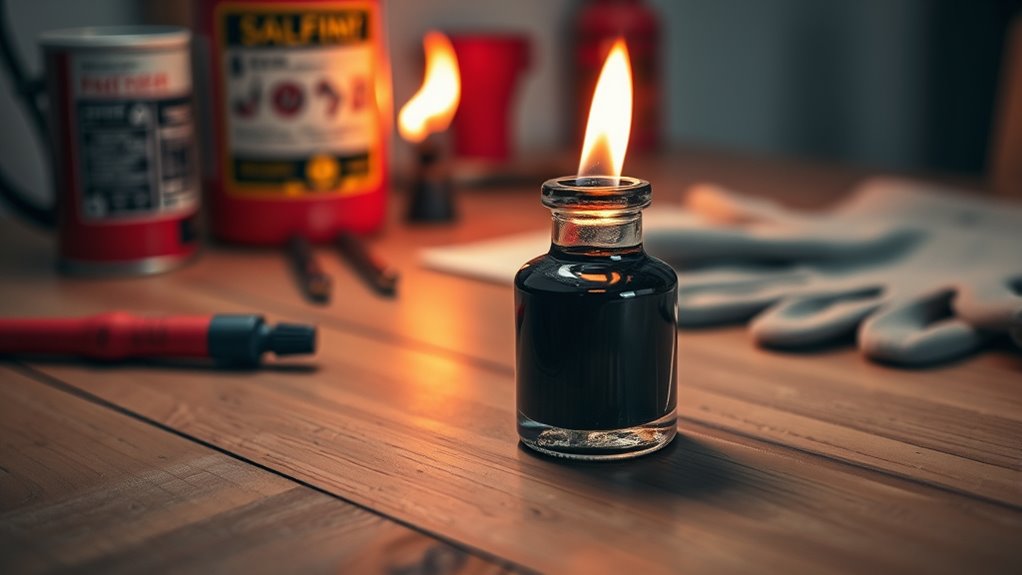
Is Ink Flammable and How to Handle It Safely
Ink can be flammable, especially if it contains solvents like alcohol or other volatile organic compounds. These ingredients make the ink more prone to catching fire if exposed to heat or flames. So, it’s important to handle and store ink safely to prevent any accidents.
You should store ink in cool, well-ventilated areas away from heat, flames, and direct sunlight. Always keep containers tightly sealed to avoid spills and evaporation.
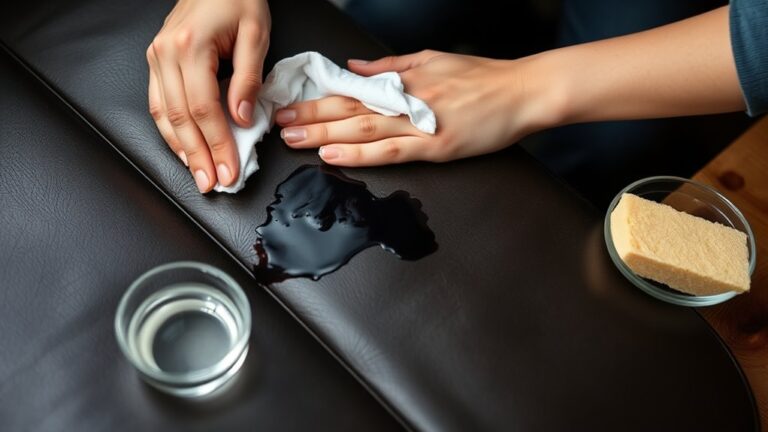
If you spill oil-based ink, use absorbent materials without water to clean it up carefully.
Wearing gloves is a good idea to avoid skin contact with ink, which can sometimes cause irritation. Also, make sure to dispose of ink waste properly according to local regulations.
If you want to keep using ink safely, there are smart precautions and alternatives you’ll find helpful. Taking these steps can help you work with ink confidently and safely.
Key Takeaways
- Ink’s flammability depends on its chemical makeup, especially the presence of volatile organic compounds like alcohol. Water-based inks are less flammable, while alcohol- or petroleum-based inks pose higher fire risks.
- It’s a good idea to store ink in cool, dry, well-ventilated areas. Keep it away from heat, open flames, and direct sunlight to prevent any chance of ignition.
- When using ink, make sure you’re in a well-ventilated space. Also, wear gloves to avoid skin contact, and if you spill any, handle it promptly with absorbent materials.
- If you ever face an ink fire, grab a Class B extinguisher right away. And don’t forget to contact emergency services immediately for help.
Understanding the Composition of Different Types of Ink
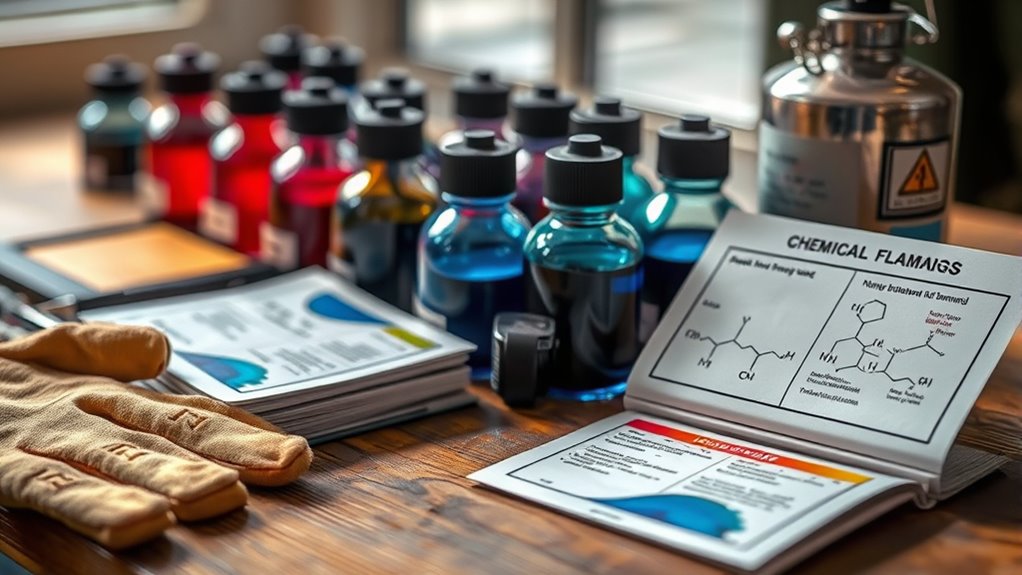
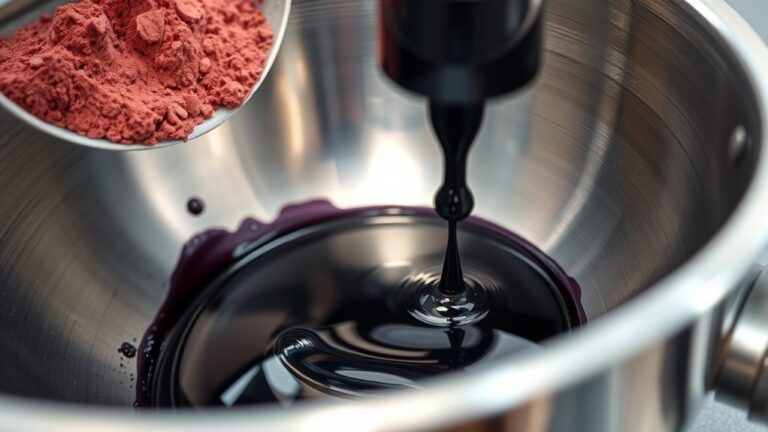
Although inks vary widely in their formulas, understanding their basic composition helps you handle them safely and recognize their flammability risks. Most inks consist of pigments or dyes suspended in a liquid carrier, which often includes solvents.
These solvents can be water-based, alcohol-based, or petroleum-based, each affecting flammability differently. For example, alcohol-based inks tend to be more flammable due to their volatile solvents, while water-based inks are generally safer.
Additionally, additives like resins and drying agents influence the ink’s chemical behavior. Knowing these components allows you to identify which inks require precautionary measures, such as proper ventilation and avoiding open flames.
Factors That Influence the Flammability of Ink
You need to evaluate the chemical composition when gauging ink flammability, as different ingredients react differently to heat. Solvents and additives play a vital role in how easily the ink can ignite or sustain a flame.
Understanding these factors helps you handle ink safely and reduce fire risks. It’s all about knowing what’s inside the ink and how it behaves under heat. That way, you can take the right precautions.
Ink Chemical Composition
The chemical composition of ink plays a crucial role in determining its flammability. When you look at ink, you’re fundamentally dealing with a mix of substances, each influencing how easily it can catch fire.
Here are key components you should consider:
- Pigments and dyes: These provide color but usually aren’t flammable.
- Binders: Help the pigment adhere; some binders can be combustible.
- Resins: Add durability; certain resins increase flammability.
- Volatile organic compounds (VOCs): Highly flammable solvents often present in ink.
- Water content: Reduces flammability by diluting combustible materials.
Understanding these factors helps you assess the fire risks associated with different inks and handle them safely. Always check the ink’s label for specific chemical details before use.
Solvent and Additive Types
How do solvents and additives affect ink’s flammability? Solvents are the main factor influencing how easily ink catches fire. If your ink contains volatile organic compounds (VOCs) like alcohols or acetates, it’s much more flammable because these solvents evaporate quickly, creating flammable vapors.
On the other hand, water-based solvents reduce flammability considerably. Additives also play a role; certain plasticizers or drying agents can either increase or decrease the risk depending on their chemical nature.
When handling ink, you need to check the solvent type first—high VOC solvents require extra caution. Also, be aware that additives might alter flash points, so always review safety data sheets. Understanding these components helps you manage fire risks effectively while working with different inks.
Common Situations Where Ink Can Catch Fire
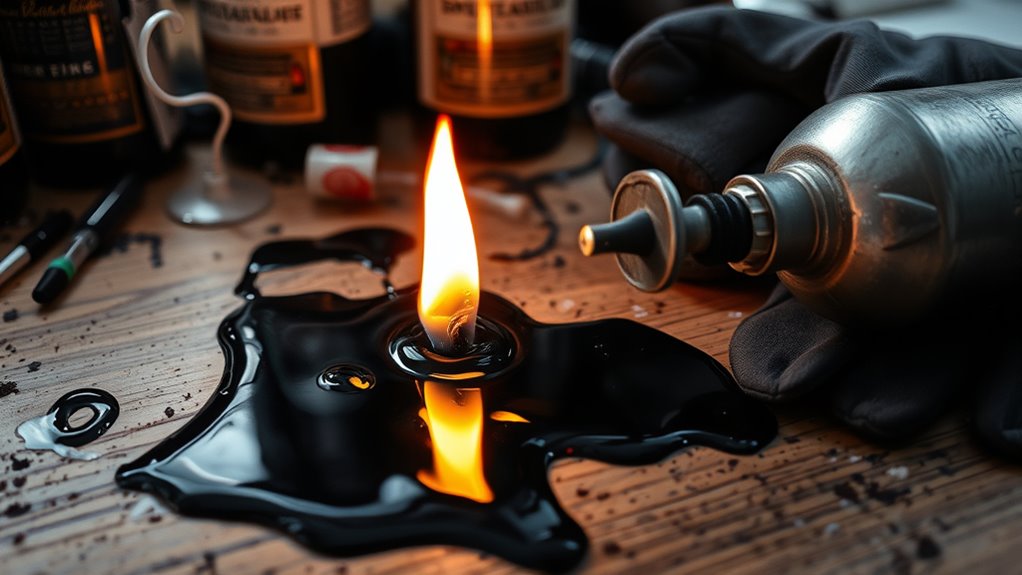
You need to watch out for heat sources near your ink, as high temperatures can easily ignite it. Improper storage, like keeping ink in unventilated or hot areas, also raises the risk of fire.
Understanding these common situations helps you handle ink safely and prevent accidents. So, it’s really important to keep your ink away from anything that could get too hot. Just a little caution goes a long way!
Heat Exposure Risks
Whenever ink is exposed to high temperatures, it can ignite unexpectedly, putting you and your workspace at risk. You need to be aware of common heat exposure scenarios that might trigger a fire.
Here are some situations to watch out for:
- Leaving ink containers near hot machinery or engines
- Using ink close to open flames or welding equipment
- Storing ink in direct sunlight or near heating vents
- Accidental spills on heated surfaces like hot plates
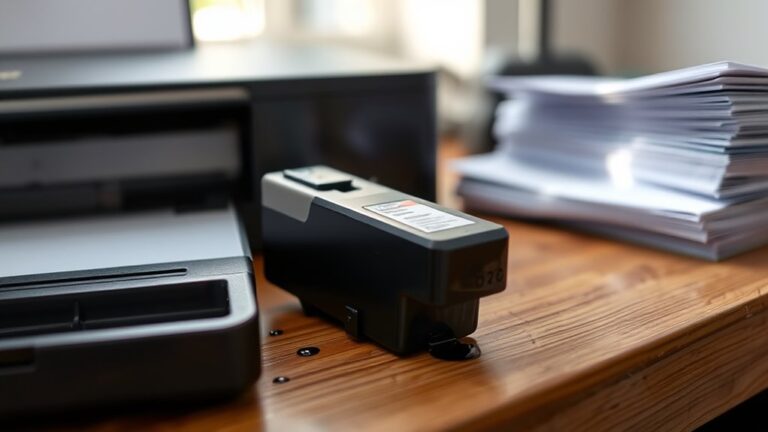
- Overheating electronic devices that contain ink cartridges
It’s important to keep these risks in mind to stay safe and prevent accidents. Just a little caution can go a long way!
Ink Storage Hazards
Although proper storage might seem straightforward, ink can catch fire in several common situations you might overlook. For instance, storing ink near heat sources like radiators or direct sunlight increases fire risks.
You should avoid keeping containers in cramped spaces where poor ventilation allows flammable vapors to build up. Also, never store ink close to open flames or electrical equipment that could spark.
Improperly sealed containers can leak, creating flammable puddles or vapors. If you store large quantities, ensure the area is cool, dry, and well-ventilated.
Remember to keep ink away from incompatible chemicals, such as strong oxidizers, which can trigger combustion. By recognizing these hazards and controlling storage conditions, you’ll greatly reduce the chances of accidental fires involving ink.
Safety Precautions When Using and Storing Ink
Since ink contains flammable solvents, handling and storing it carefully is essential to prevent accidents. You should always treat ink with respect and follow these safety precautions:
Store ink in tightly sealed containers to avoid leaks and evaporation. It’s a good idea to keep it away from heat sources, open flames, and direct sunlight.
Use ink in well-ventilated areas to reduce inhalation of fumes. Also, wearing protective gloves helps avoid skin contact and prevents irritation.
Finally, make sure to dispose of ink and related materials according to local hazardous waste regulations. Taking these steps keeps you and your environment safe.
How to Handle Ink Spills and Fire Emergencies
If you spill ink or face a fire emergency, acting quickly and calmly can prevent injury and property damage.
For spills, contain the ink using absorbent materials like paper towels and dispose of them properly. Avoid using water if the ink is oil-based, as it can spread the stain.
In fire emergencies, use an appropriate fire extinguisher—usually a Class B for flammable liquids—and call emergency services immediately.
| Situation | Action |
|---|---|
| Ink spill | Contain with absorbent material |
| Oil-based ink spill | Avoid water; use solvent if safe |
| Small fire | Use Class B extinguisher |
| Large fire | Evacuate and call emergency services |
| Personal safety | Wear gloves and avoid inhaling fumes |
Alternatives to Flammable Ink for Safer Use
Handling ink spills and fires requires caution, but choosing safer ink options can reduce these risks altogether. You can switch to inks that are less flammable or non-flammable to keep your environment safer.
Choosing less flammable or non-flammable inks helps minimize spill and fire hazards effectively.
Here are some alternatives to contemplate:
- Water-based inks: These are much less flammable and easy to clean.
- Soy-based inks: Made from renewable resources and have a lower fire risk.
- UV-curable inks: Harden quickly under UV light, reducing volatile solvents.
- Gel inks: They use thick, non-volatile formulas that resist ignition.
- Alcohol-free inks: Avoid volatile alcohol solvents that increase flammability.
Frequently Asked Questions
Can Ink Fumes Cause Health Problems if Inhaled?
Yes, ink fumes can cause health problems if you inhale them frequently or in large amounts. You should avoid prolonged exposure.
Make sure there’s good ventilation wherever you’re working with ink. It helps keep the air fresh and reduces the amount of fumes you breathe in.
Also, consider wearing a mask to protect your lungs and overall health. Taking these steps can really make a difference.
Is Digital Ink or Toner Flammable?
About 90% of printer toner consists of fine particles, and yes, toner is flammable in powder form. You shouldn’t expose it to open flames or sparks to avoid fire hazards when handling digital ink or toner.
How Long Does It Take for Ink to Dry Completely?
Ink usually takes about 10 to 15 minutes to dry completely, but drying time varies depending on paper type, ink formula, and environmental factors like humidity.
You can speed it up by using a fan or blotting gently. It’s pretty handy if you’re in a hurry!
Are There Eco-Friendly Inks That Are Also Non-Flammable?
You might think eco-friendly inks are flammable, but many soy- or water-based inks aren’t. They’re safer for you and the environment, so you can print confidently without worrying about fire hazards or toxic fumes.
Plus, choosing these inks helps reduce harmful chemicals in the air. It’s a win-win for your health and the planet!
Can Ink Stains From Flammable Ink Be Removed Safely?
Yes, you can safely remove flammable ink stains by using proper ventilation and avoiding open flames.
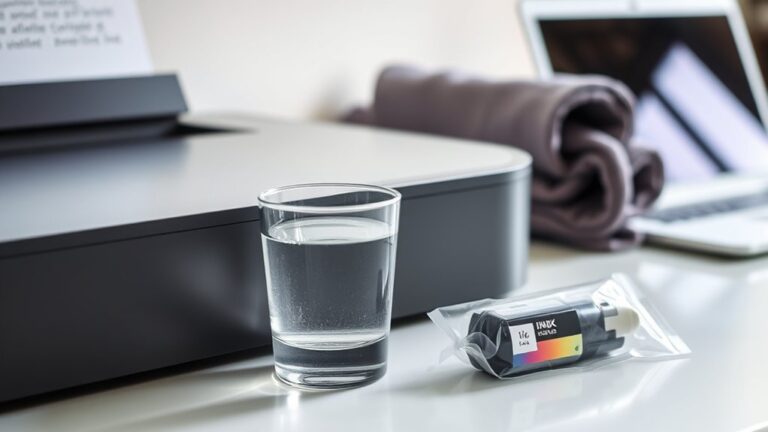
Use a gentle solvent like rubbing alcohol, test it on a small area first, and wash the fabric promptly afterward.
Just make sure you’re in a well-ventilated space to keep things safe. And remember, don’t use anything that could spark a flame nearby!
Conclusion
Now that you know ink’s flammability depends on its composition, you can handle it with care and store it safely. Acting quickly during spills or fires is also crucial to prevent accidents.
You’ll reduce hazards by choosing safer ink alternatives and protect yourself and others by following simple safety steps. Understanding the risks helps you stay prepared and cautious.
Remember, staying informed about ink’s flammability, handling it carefully, and being ready for emergencies are your best tools. These steps ensure you use ink safely without danger, keeping your environment secure and accident-free.