
Why Are Ink Cartridges So Expensive?
You pay high prices for ink cartridges because they contain complex technology like tiny nozzles and sensors, backed by costly research and strict patents that block cheaper alternatives. These cartridges aren’t just simple containers; they’re carefully engineered components designed to deliver precise amounts of ink for high-quality prints.
Manufacturers invest heavily in precise engineering, quality control, and proprietary designs, aiming to keep you locked into their brands.
Plus, they often sell printers at low prices but charge a premium for ink cartridges, which drives ongoing revenue.
It might feel frustrating, but this business model is why ink cartridges remain so expensive. Keep exploring, and you’ll uncover the full reasons behind these pricey cartridges.
Key Takeaways
- Ink cartridges use advanced technology and complex manufacturing processes to ensure precision, reliability, and high print quality.
- There’s a significant investment in research, development, and quality assurance, which drives up production costs.
- Patents and proprietary chips restrict third-party manufacturing and refilling. This keeps prices high and limits options.
- The industry often follows a “razors-and-blades” model, selling printers cheaply but charging more for cartridges to make ongoing profits.
- Plus, consumers get locked into brand-specific cartridges, which creates dependency. That means fewer chances to find cheaper refills or third-party alternatives.
The Complexity of Ink Cartridge Technology
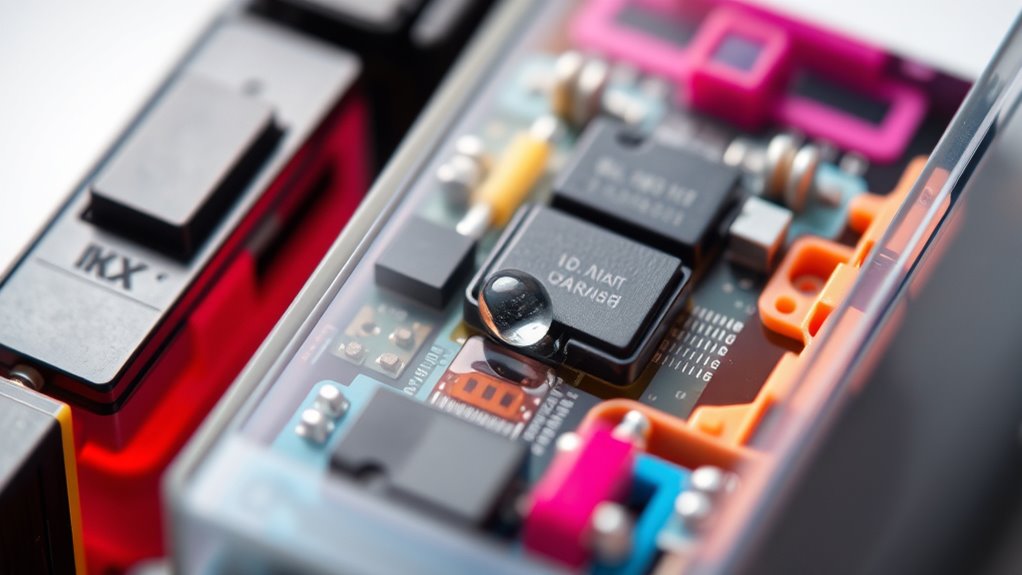
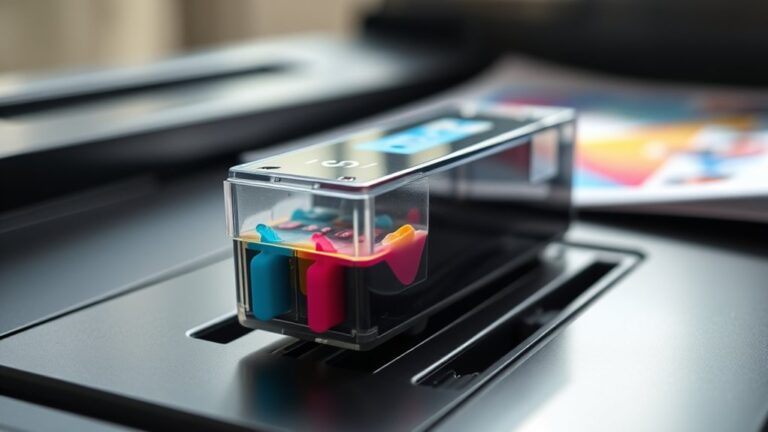
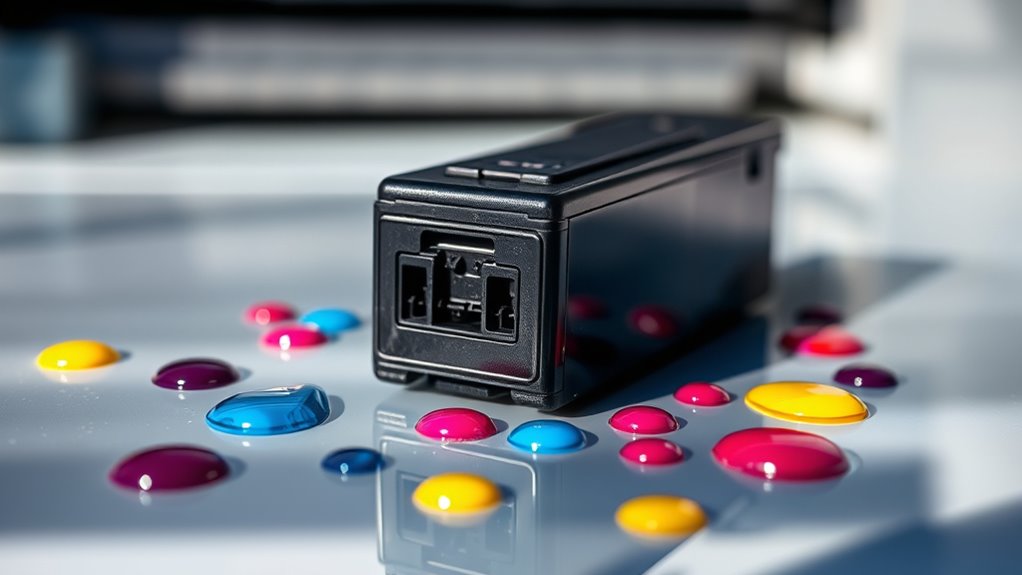
Although ink cartridges may seem simple, their technology is surprisingly complex. When you look inside, you’ll find tiny nozzles designed to spray precise droplets of ink onto paper. These nozzles are engineered to prevent clogging and ensure consistent print quality.
The cartridges also contain sensors that communicate with your printer, monitoring ink levels and optimizing usage. You might not realize that the ink itself is a carefully formulated chemical mixture, designed to dry quickly, resist smudging, and produce vibrant colors.
All these features require intricate manufacturing processes and quality control. So, when you buy a cartridge, you’re paying for much more than just colored liquid—you’re investing in sophisticated technology that delivers sharp, reliable prints every time.
Research and Development Costs
You’ll find that innovation plays a huge role in designing efficient ink cartridges. Companies spend a lot of time testing to make sure each cartridge meets high-quality standards.
Plus, patent and licensing fees add to the overall research and development costs. It’s all part of making sure you get a reliable product that works well.
Innovation Drives Cartridge Design
Because companies constantly push for better print quality and efficiency, they invest heavily in research and development for ink cartridge design. When you buy a cartridge, you’re paying for the innovation packed inside.
Engineers work on optimizing ink formulas to prevent clogging and improve color vibrancy. They also design cartridges to fit perfectly with specific printers, ensuring smooth operation and reducing waste.
You benefit from features like smarter chips that communicate with your printer, letting it monitor ink levels and prevent errors. Developing these advancements takes time, expertise, and resources.
Testing for Quality Assurance
While developing innovative ink cartridges is essential, rigorous testing guarantees they meet high standards before reaching your hands. You rely on cartridges that perform flawlessly, so manufacturers invest heavily in quality assurance.
This testing phase ensures durability, color accuracy, and compatibility with printers. Here’s what they focus on:
- Leak Tests: Simulating pressure and temperature changes to prevent ink spills.
- Print Quality Checks: Verifying consistent color and sharpness across multiple pages.
- Durability Trials: Testing cartridges under various environmental conditions to ensure longevity.
- Compatibility Tests: Confirming cartridges work seamlessly with different printer models.
These steps require sophisticated equipment and expert technicians. That’s why research and development costs can be high, which you’ll notice in the cartridge price you pay.
Patent and Licensing Expenses
Even though the ink cartridge in your printer looks simple, it often involves complex patents and licensing agreements that add to its cost. Manufacturers invest heavily in research and development to create cartridges that deliver sharp, consistent prints while protecting their innovations legally.
When you buy a cartridge, part of what you pay covers these patent protections and licensing fees. Companies must navigate intricate patent landscapes to avoid infringement, which increases production costs.
Licensing agreements also limit who can produce compatible cartridges, reducing competition and keeping prices high. So, when you pay for ink, you’re not just buying the physical product—you’re also covering the expenses tied to innovation, legal protections, and exclusive rights that keep the technology proprietary.
Manufacturing and Quality Control Processes
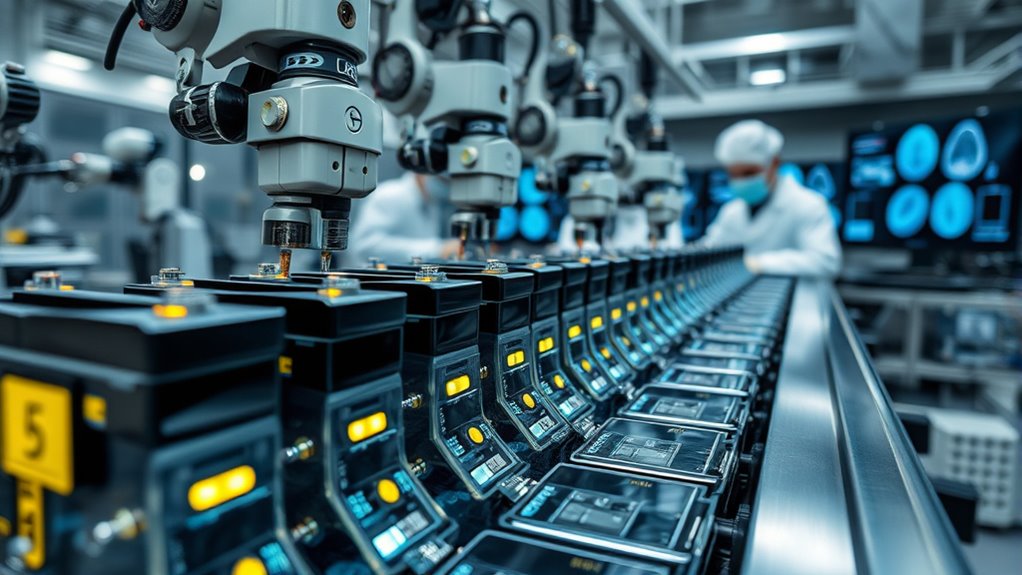
Although ink cartridges might seem simple, their manufacturing and quality control processes are complex and tightly regulated to guarantee consistent performance. You rely on cartridges that deliver precise ink flow, prevent leaks, and maintain print quality. So, manufacturers invest heavily in production precision and testing.
Here’s what goes into making each cartridge:
- Precision Engineering: Components must fit perfectly to avoid malfunction.
- Ink Formulation: The ink chemistry ensures vibrant colors and quick drying.
- Automated Assembly: High-speed machines reduce errors and maintain consistency.
- Rigorous Testing: Each batch undergoes leak tests, print quality checks, and durability assessments.
These steps ensure your cartridge works flawlessly. But, they also add to the cost you pay.
The Role of Patents and Intellectual Property
You’ve probably noticed that printer companies hold patents on their ink cartridges, which lets them control who can make replacements. This patent protection means they can set higher prices since competitors can’t easily enter the market.
Understanding how licensing works helps explain why your options for cheaper cartridges are often limited. It’s all about who’s allowed to make and sell those cartridges. Makes sense, right?
Patent Protection Impact
How do patents shape the cost of ink cartridges you buy? Patents give manufacturers exclusive rights to produce and sell specific cartridge designs. This exclusivity limits competition, letting companies set higher prices.
When a patent protects a cartridge’s unique technology, no other company can legally offer a cheaper alternative until it expires. As a result, you often pay premium prices for original cartridges.
Here’s how patent protection impacts you:
- Limits availability of third-party cartridges.
- Keeps prices high due to lack of competition.
- Encourages manufacturers to innovate but restricts access.
- Delays cheaper, compatible alternatives until patents expire.
Licensing and Pricing Control
Since manufacturers hold patents on ink cartridges, they can control who gets to produce and sell them through licensing agreements. You might not realize it, but these agreements limit competition by restricting third-party companies from making compatible cartridges without paying royalties or facing legal action.
This control lets manufacturers set higher prices because you don’t have many cheaper alternatives. Licensing also ensures that only authorized sellers supply cartridges, maintaining strict quality standards but also keeping prices elevated.
When you buy ink, you’re often paying for the patent-backed exclusivity that manufacturers enforce. So, the role of patents and licensing isn’t just about innovation—it’s a strategic tool to regulate the market and protect profits, ultimately affecting how much you pay every time you replace your ink.
Marketing and Distribution Expenses
Although the high price of ink cartridges often frustrates consumers, you might not realize how much marketing and distribution expenses contribute to the cost. Companies invest heavily in promoting their products to make sure you see their brand everywhere.
Plus, the process of getting cartridges from factories to your local store or doorstep involves multiple steps, each adding to the final price.
Consider these key expense areas:
- Advertising campaigns on TV, online, and in print
- Packaging design and materials to attract buyers
- Warehousing and inventory management
- Shipping and logistics to deliver cartridges efficiently
Every stage ensures you get reliable products but also adds up, making ink cartridges pricier than you might expect. So, next time you pick one up, remember all the moving parts behind the scenes!
Printer Manufacturer Business Models and Pricing Strategies
When you buy a printer, the manufacturer often prices the device low but sets high costs for replacement ink cartridges. This strategy, known as the “razor-and-blades” model, hooks you with an affordable printer, then profits from the ongoing sales of ink.
Manufacturers design printers that only accept their specific cartridges, ensuring you keep buying their expensive ink. They also invest in patent protections and sometimes use chips in cartridges to prevent refills or third-party alternatives.
This business model helps them recover initial losses and maintain steady revenue streams. So, while your printer might seem like a bargain, the high ink prices are how companies actually make money, locking you into a cycle of costly replacements every time your ink runs out.
Frequently Asked Questions
Can Third-Party Ink Cartridges Damage My Printer?
Yes, third-party ink cartridges can damage your printer if they’re low quality or incompatible. They might cause clogging, leaks, or poor print quality.
How Long Do Ink Cartridges Typically Last Once Opened?
Think of ink cartridges as candles—they burn down with use. Once opened, they’ll typically last six months to a year, depending on your printing frequency and storage conditions.
Don’t let them dry out or expire on you! Just keep them sealed tight when not in use and store them in a cool, dry place. That way, you’ll get the most out of every drop.
Are There Eco-Friendly Alternatives to Traditional Ink Cartridges?
Yes, you can choose eco-friendly alternatives like refillable cartridges, compatible remanufactured cartridges, or solid ink sticks. These options reduce waste, lower costs, and help you minimize your environmental impact while still getting quality prints.
It’s pretty great because you get to save money and help the planet at the same time. Plus, many people find that these alternatives work just as well as traditional cartridges. So, why not give them a try?
Why Do Some Printers Only Accept Specific Cartridge Brands?
You want freedom, but printers demand loyalty—they only accept specific cartridge brands to guarantee quality and protect profits.
This lock-in prevents compatibility issues but limits your choices, forcing you to stick with their costly options.
Can Ink Cartridges Expire or Dry Out Over Time?
Yes, ink cartridges can expire or dry out over time. You’ll notice clogged nozzles or faded prints if you don’t use them regularly.
It’s a good idea to store cartridges properly and use them before their expiration date. That way, you can avoid any printing issues down the line.
Conclusion
You might think ink cartridges cost an arm and a leg because they’re made of solid gold, but it’s actually their high-tech wizardry and sneaky patents driving the price up. Behind that tiny cartridge lies a world of expensive research, strict quality checks, and clever business moves.
So next time you gripe about the cost, remember—you’re not just buying ink, you’re funding a high-stakes ink empire that’s tougher to crack than Fort Knox!
Ink cartridges are expensive because manufacturers invest heavily in technology and innovation to ensure quality and reliability. Patents protect these innovations, limiting competition and keeping prices high. Plus, the cost includes rigorous testing and quality control to prevent printer issues.
In the end, the high price of ink cartridges reflects the complex manufacturing process, patented technology, and business strategies designed to maintain profits. Understanding this helps explain why ink cartridges remain pricey, despite seeming like simple products.