
Blog

  • How to Clean Ink Stamps Step by Step

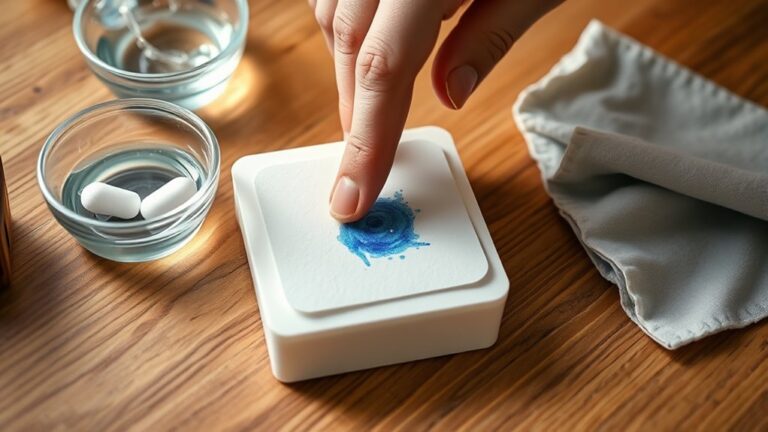
    Start by gathering gentle soap, warm water, a soft brush, and lint-free cloths. Identify the ink type—water-based inks clean easily with mild soap and quick rinsing, while permanent inks might need rubbing alcohol.

    Gently scrub your stamp to lift ink without soaking it. Then, pat it dry and let it air dry completely in the shade to avoid any damage.

    Conditioning your stamp afterward keeps it flexible. If you want to master cleaning various ink types and prolong your stamps’ life, keep exploring these techniques.

  • How Do You Remove Ink From Hands Quickly and Safely?

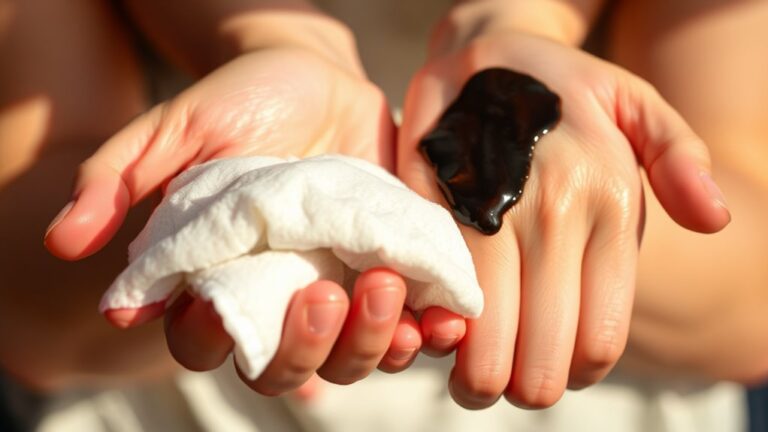
    To remove ink from your hands quickly and safely, start by washing with warm water and a grease-cutting soap. Scrub gently to avoid irritation.

    If ink lingers, rub olive or coconut oil on the stain. This helps loosen it while moisturizing your skin.

    You can also try a baking soda paste or milk for a gentle lift. Remember to rinse well and moisturize afterward to keep your skin smooth.

    Keep going to discover more effective and skin-friendly tips for ink removal.

  • How Do You Get Ink Off Your Hands Quickly and Easily

    To get ink off your hands quickly and easily, start by washing with warm water and soap, scrubbing areas with ink. If that doesn’t work, apply rubbing alcohol or hand sanitizer and rub gently, then rinse.

    You can also make a baking soda paste to scrub stubborn stains or try lemon juice for a natural option. Baby oil or olive oil combined with toothpaste also lifts ink gently.

    Keep going to discover even more simple, effective ways to clean those ink marks.

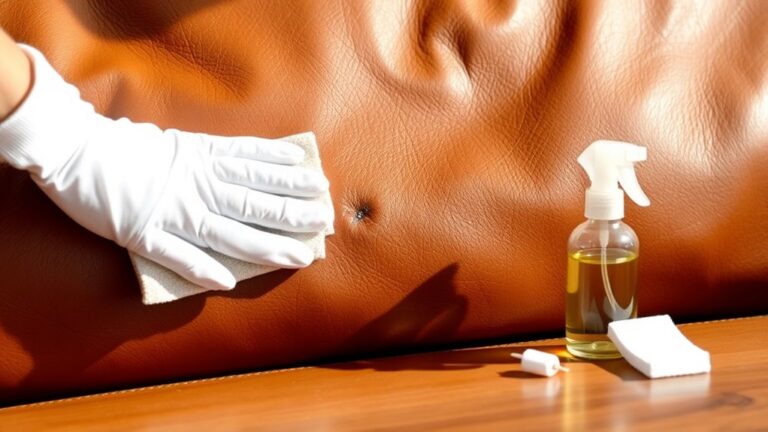
  • How Do You Remove Ink From a Leather Sofa Easily?

    To remove ink from your leather sofa easily, first identify your leather and ink type to choose a safe cleaner. Gather soft cloths, mild leather cleaner, or rubbing alcohol.

    Test the cleaner on a hidden spot to avoid damage. Gently dab the ink stain from the edges inward, then wipe with a damp cloth and let it air dry.

    Finish by applying leather conditioner to keep the sofa soft and protected. Keep going to uncover more detailed steps and tips.

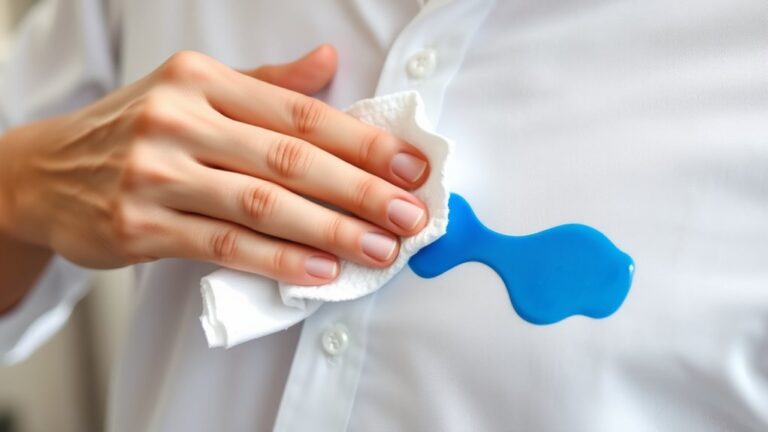
  • How Do I Get Gel Ink Out of Clothes?

    If you get gel ink on your clothes, start by gently blotting the stain to avoid spreading it. Then, test rubbing alcohol on a hidden area to check for colorfastness.

    Dab the stain with a cotton ball soaked in alcohol—don’t rub—and watch the ink transfer to the cloth. After it’s lighter, rinse with cold water and wash as usual.

    You can also try alcohol-based hairspray or hand sanitizer to lift the stain. For more effective tips, keep exploring these methods.

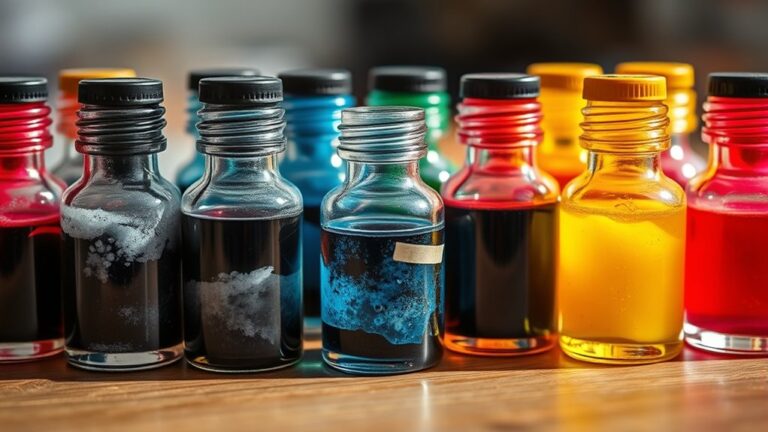
  • Can Tattoo Ink Expire and How to Identify Expired Ink

    Yes, tattoo ink can expire, especially if it’s exposed to heat, light, or air over time. You can spot expired ink by changes in color, odd smells, or a thick, clumpy texture.

    Old ink may also separate or show signs of contamination like mold. Using expired ink risks infections and poor tattoo quality.

    If you want to keep your tattoos safe and vibrant, understanding proper storage and disposal practices is essential. It really pays off to handle your ink with care!

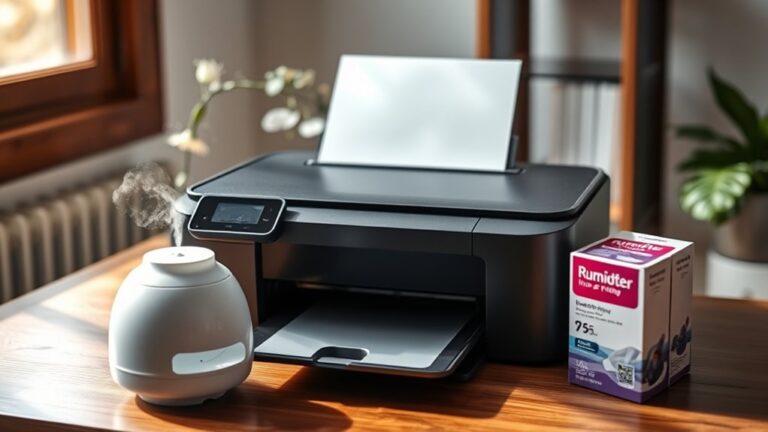
  • How to Prevent Printer Ink From Drying up Quickly

    To prevent your printer ink from drying up quickly, store cartridges upright in a cool, dark place. Also, keep them sealed tightly when not in use.

    Make sure you use your printer regularly. Printing a page or two weekly helps keep the ink flowing and nozzles clear.

    Adjust your printer settings to draft mode for everyday printing to save ink. Taking these simple steps can markedly extend your cartridge life.

    And hey, there’s more you can do to keep your printer in top shape. Just a little care goes a long way!

  • Where Does Ink Come From?

    Ink comes from a blend of natural and chemical ingredients that have evolved over thousands of years. Early ink used soot, plant extracts, and gum arabic to create durable writing materials.

    Over time, innovations introduced iron gall ink and later mass-produced formulas with synthetic pigments and solvents for vibrant colors and smooth flow. Today’s inks include eco-friendly, digital, and biodegradable options.

    If you want to understand ink’s fascinating journey and future, there’s much more to discover. It’s pretty cool to see how something we use every day has such an interesting history!

  • Is Ink Flammable and How to Handle It Safely

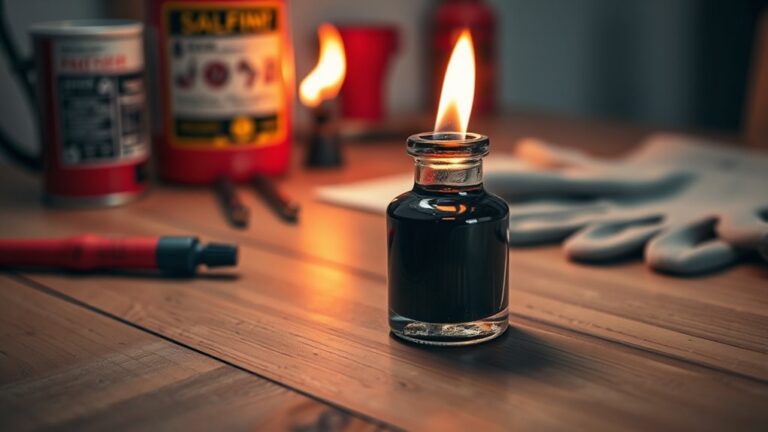
    Ink can be flammable, especially if it contains solvents like alcohol or other volatile organic compounds. You should store it in cool, well-ventilated areas away from heat, flames, and sunlight.

    Always keep containers tightly sealed and handle spills with care, using absorbent materials without water for oil-based inks. Wear gloves to avoid skin contact and dispose of waste properly.

    If you want to keep using ink safely, there are smart precautions and alternatives you’ll find helpful. It’s all about being careful and staying informed!

  • How to Refill a Self-Inking Stamp in 10 Easy Steps

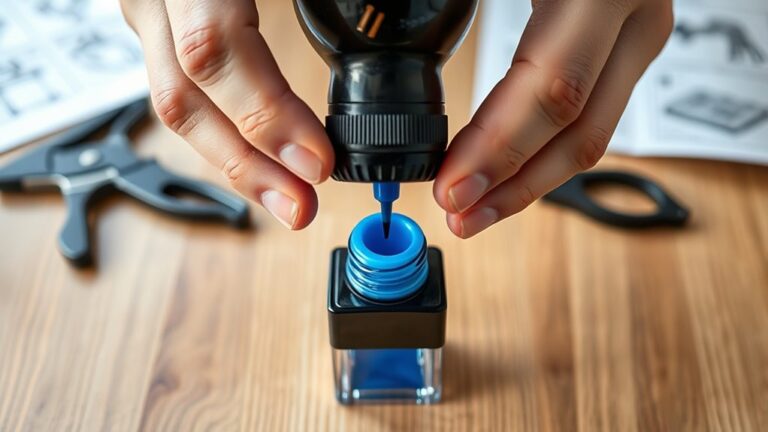
    To refill your self-inking stamp, first gather materials like ink, cloth, and gloves. Remove the stamp from its housing carefully, then locate and take out the ink pad.

    Choose the right ink based on your stamp’s type, and apply drops evenly to the pad. Let it absorb fully before reinserting the pad properly.

    Test the stamp on scrap paper to ensure clear impressions, then clean any excess ink and store it well. Keep following for detailed tips and care advice.