
How Do I Get Gel Ink Out of Clothes?
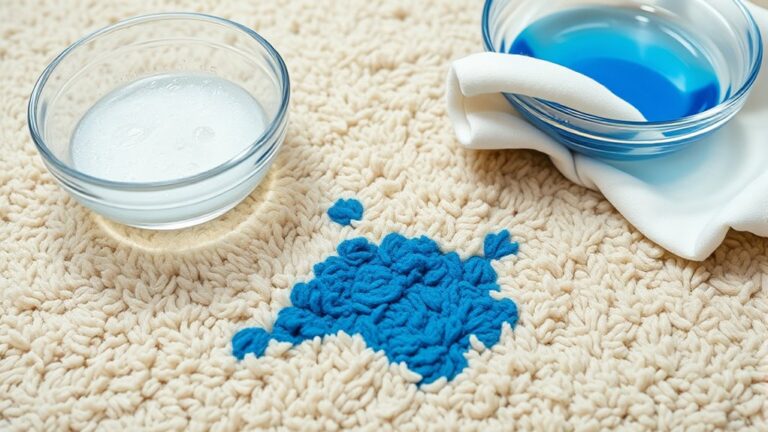
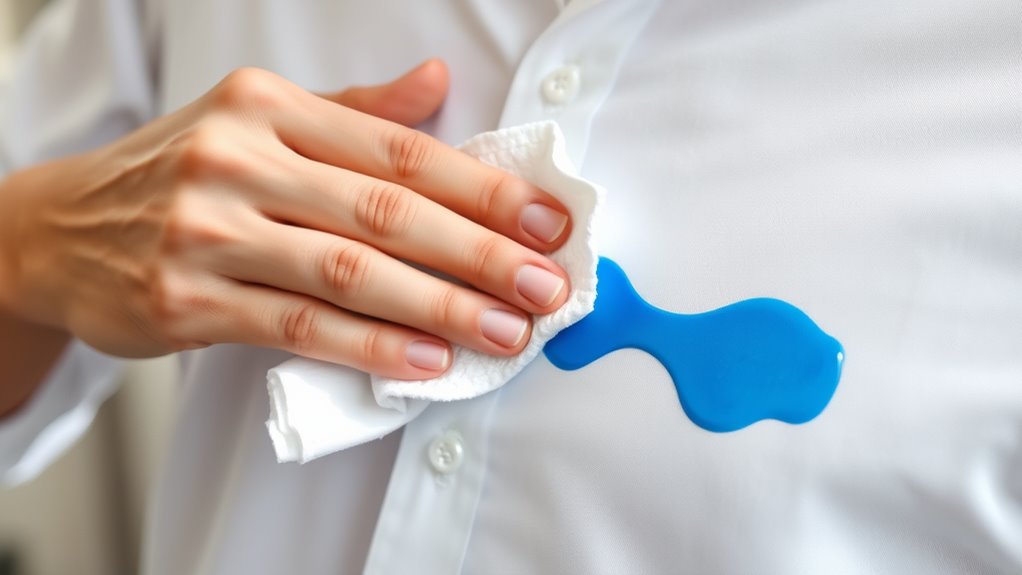
If you get gel ink on your clothes, it can be pretty frustrating. But don’t worry—removing gel ink stains is definitely doable! Start by gently blotting the stain to avoid spreading it further. This helps soak up the excess ink without making the mess worse.
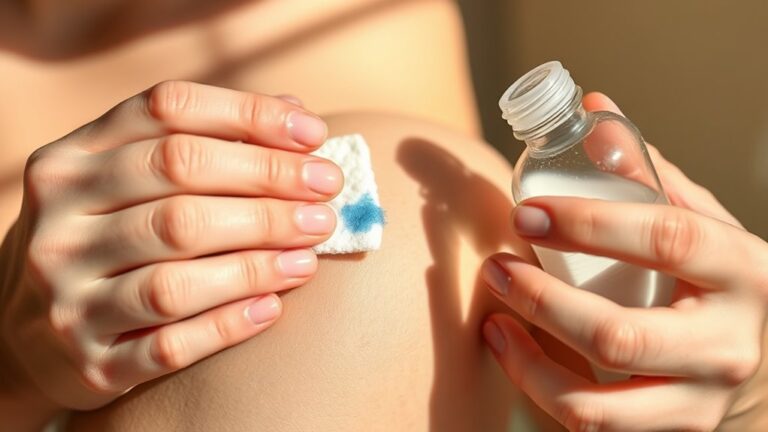
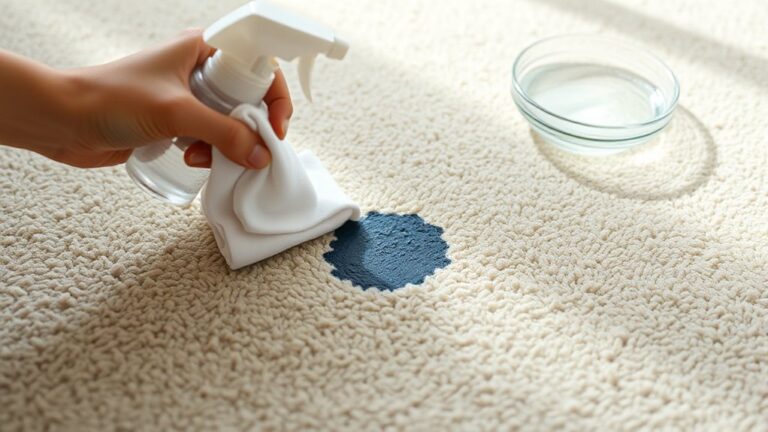
Next, test rubbing alcohol on a hidden area of your fabric to make sure it won’t damage or fade the color. Once you’re sure it’s safe, dab the stain with a cotton ball soaked in alcohol. Remember, don’t rub—just dab gently and watch the ink transfer onto the cotton.
After the stain lightens, rinse the area with cold water.
Then, wash your clothes as you normally would. You can also try using alcohol-based hairspray or hand sanitizer to lift stubborn gel ink stains. Keep experimenting with these methods, and you’ll have that gel ink out of your clothes in no time!
Key Takeaways
- Blot excess gel ink gently with a clean cloth to prevent spreading before applying any cleaning solution.
- Test rubbing alcohol or stain remover on a hidden fabric spot to ensure no damage or discoloration occurs.
- Use a cotton ball dampened with rubbing alcohol to blot the gel ink stain; avoid rubbing to prevent spreading.
- After treating the stain, rinse the fabric with cold water and wash according to the garment’s care label instructions.
- For persistent stains, apply alcohol-based hairspray or hand sanitizer, let sit 5–10 minutes, then blot and wash as usual.
Identifying the Type of Gel Ink Stain
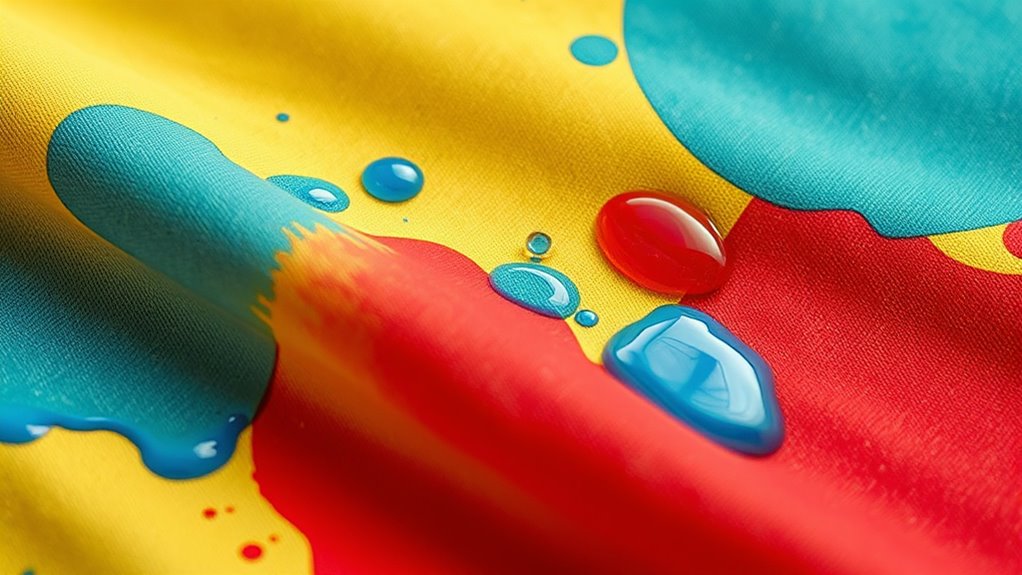
How can you tell what kind of gel ink stain you’re dealing with? First, look closely at the stain’s color and texture. Gel ink tends to be thicker and more vibrant than other inks, often appearing shiny or slightly raised on the fabric.
If the stain is bright blue, black, or red and feels sticky or rubbery to the touch, it’s likely fresh gel ink. Older stains might look duller and more embedded.
Also, consider the source—did the ink come from a gel pen, known for smooth, bold lines? Recognizing whether the ink is fresh or dried helps you decide the best removal method.
Pre-Treatment Steps Before Washing
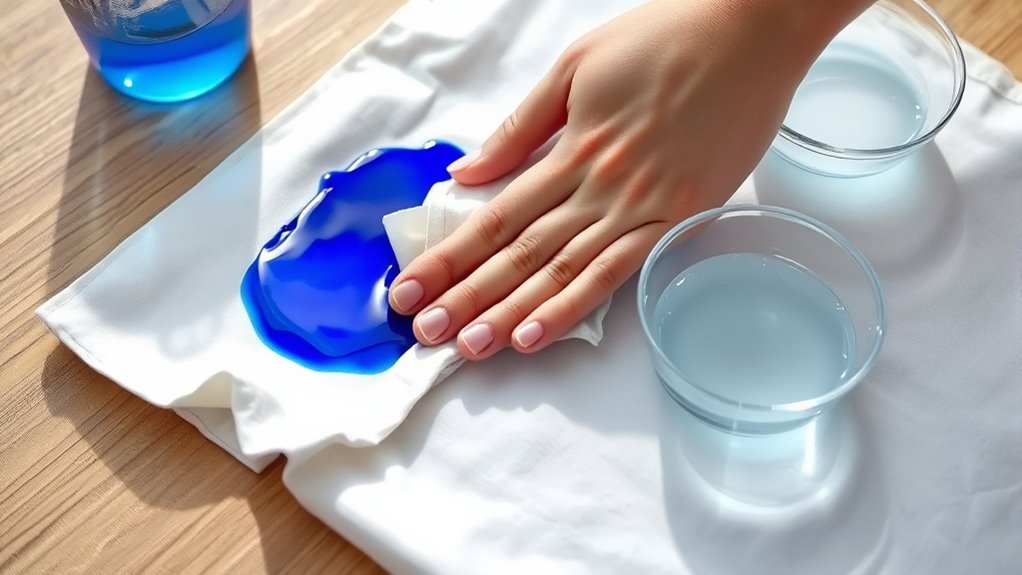
Before you wash your clothes, you need to identify the type of gel ink stain you’re dealing with. Start by blotting any excess ink carefully to avoid spreading it further.
Then, test your chosen cleaning solution on a hidden spot to make sure it won’t damage the fabric. It’s better to be safe than sorry, right?
Identify Ink Stain Type
Since different types of ink react differently to cleaning methods, you’ll need to identify whether the stain is from gel ink, ballpoint pen, or another source. Gel ink tends to be thicker, often appearing shiny and vibrant, while ballpoint ink usually looks more matte and seeps deeper into fabric fibers.
If the ink feels slightly raised or sticky, it’s likely gel ink. On the other hand, felt-tip or marker ink may spread more and have a watery consistency.
Knowing the type helps you choose the right treatment—gel ink often requires alcohol-based removers, while ballpoint stains might respond better to detergents or stain removers. Take a close look and touch the stain gently to confirm what you’re dealing with before moving on to treatment steps.
Blot Excess Ink
Although it might be tempting to rub the stain, you’ll want to gently blot any excess gel ink with a clean cloth or paper towel to avoid spreading it further. Press lightly to lift ink without pushing it deeper into the fabric.
Change cloths often to prevent reapplying the ink. This careful step sets the stage for successful stain removal.
| Feeling | Action | Result |
|---|---|---|
| Frustrated | Blot carefully | Ink lifts, not spreads |
| Anxious | Use fresh cloths | Avoids stain setting |
| Hopeful | Pat gently | Protects fabric |
| Confident | Prepare for next step | Cleaner stain area |
Test Cleaning Solution
When you’re ready to tackle the gel ink stain, you’ll want to test your cleaning solution on a hidden area of the fabric first. This helps verify the solution won’t damage or discolor your clothing.
Apply a small amount of the cleaner, whether it’s rubbing alcohol, dish soap, or a commercial stain remover, to an inconspicuous spot like an inside seam or hem. Wait a few minutes, then blot with a clean cloth to check for any adverse reactions.
If the fabric’s color stays true and the texture isn’t affected, you’re safe to proceed. Skipping this step risks ruining your garment, so don’t rush.
Testing your cleaner first sets you up for success in removing that stubborn gel ink stain effectively.
Using Rubbing Alcohol to Remove Gel Ink
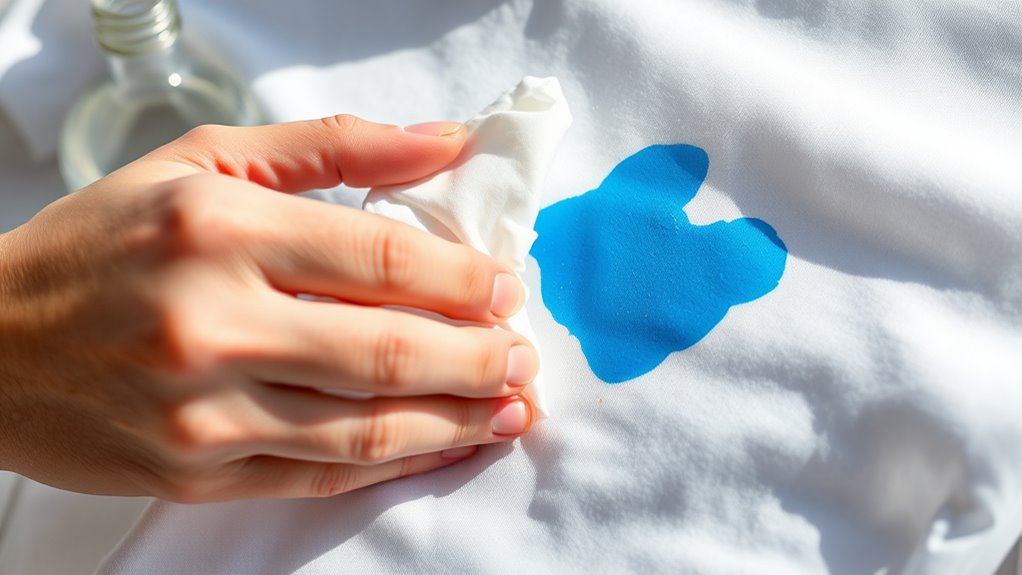
If you want to tackle gel ink stains effectively, rubbing alcohol is a powerful solution you can use at home. First, place a clean cloth or paper towel under the stained fabric to prevent the ink from spreading.
Then, dampen a cotton ball or cloth with rubbing alcohol and gently blot the stain. Avoid rubbing, as this might spread the ink further. You’ll notice the ink transferring to the cotton ball or cloth.
Keep blotting with fresh alcohol-soaked cotton until the stain starts to fade. Once the ink is mostly lifted, rinse the area with cold water to remove any residue.
Finally, wash the garment as usual, following the care label instructions. This method works best on fresh stains, so act quickly for ideal results.
Applying Hairspray or Hand Sanitizer
Since gel ink stains can be stubborn, using hairspray or hand sanitizer offers a quick and effective way to break down the ink. Both contain alcohol, which helps dissolve the stain, making it easier to lift.
Gel ink stains respond well to hairspray or hand sanitizer because their alcohol content helps dissolve the ink quickly.
Here’s how you can apply them:
- Spray hairspray directly onto the stain or apply hand sanitizer generously.
- Let it sit for about 5 to 10 minutes to penetrate the ink.
- Gently blot the area with a clean cloth or paper towel, avoiding rubbing.
- Repeat if necessary until the stain begins to fade.
Just a heads up—remember to test these products on a small, hidden area of the fabric first to make sure they won’t cause damage or discoloration.
This method is especially handy when you don’t have rubbing alcohol on hand.
Washing and Drying Tips for Gel Ink Stains
After treating the gel ink stain with hairspray or hand sanitizer, you’ll want to focus on washing and drying to fully remove any residue. Always wash the garment in cold water to prevent the stain from setting further.
Use a heavy-duty detergent, and avoid putting the item in the dryer until you’re sure the stain is gone. Heat can make the stain permanent, so it’s better to be safe than sorry.
| Step | Tips |
|---|---|
| Wash Temperature | Use cold water |
| Detergent Type | Heavy-duty for better stain removal |
| Drying Method | Air dry, avoid heat initially |
| Repeat If Needed | Re-treat and wash before drying |
Follow these steps carefully to keep your clothes looking clean and ink-free. If the stain sticks around, just repeat the process until it’s completely gone.
Alternative Home Remedies for Gel Ink Removal
Though commercial products work well, you can also try several alternative home remedies to tackle gel ink stains. These household items might already be in your kitchen or bathroom, making stain removal quick and budget-friendly.
Commercial products are effective, but simple home remedies can also remove gel ink stains quickly and affordably.
Here are some effective options to ponder:
- Rubbing Alcohol: Dab with a cotton ball, let it sit, then blot gently to lift the ink.
- Hand Sanitizer: Apply a small amount, rub gently, and rinse with cold water.
- Hairspray: Spray directly on the stain, wait a few minutes, then blot with a clean cloth.
- Vinegar and Cornstarch Paste: Mix equal parts, apply to the stain, let dry, and brush off before washing.
Remember to always test these remedies on a hidden fabric area first to avoid damage. It’s a simple step that can save you from any unwanted surprises!
Frequently Asked Questions
Can Gel Ink Damage Fabric Fibers Permanently?
Gel ink usually won’t damage fabric fibers permanently if you act quickly. However, leaving it untreated or using harsh chemicals can weaken fibers over time.
Is Gel Ink Removal Safe for Delicate Fabrics Like Silk?
Think of delicate silk as a fragile butterfly’s wing; you can’t just scrub it.
You’ll want to use gentle, safe ink removers or spot-clean with mild detergent, avoiding harsh chemicals that might tear its beauty apart.
How Long Should I Wait Before Treating a Gel Ink Stain?
You should treat a gel ink stain as soon as possible, ideally within minutes. The longer you wait, the harder it becomes to remove.
Acting quickly really boosts your chances of completely getting rid of the stain. So, don’t delay!
Can Gel Ink Stains Be Removed From Upholstery?
Yes, you can remove gel ink stains from upholstery, but it takes patience. You’ll want to blot gently and avoid spreading the stain.
Using a stain remover designed for fabrics is your best bet. Just make sure to test it first to protect your upholstery’s color and texture.
Are Commercial Stain Removers More Effective Than Home Remedies?
Commercial stain removers are generally more effective because they contain specialized chemicals designed for tough stains.
However, you can save money by trying home remedies first. Just be prepared to switch if the stain persists.
Conclusion
Gel ink stains can be stubborn, but with the right steps, you can tackle them effectively. Did you know that over 60% of people struggle with ink stains at least once a year? It’s more common than you might think!
By identifying the stain type and pre-treating it properly, you’re already halfway there. Using rubbing alcohol, hairspray, or hand sanitizer can greatly increase your chances of saving your clothes. These household items break down the gel ink, making it easier to remove.
Remember to wash and dry carefully after treatment, as heat can set the stain permanently. And if one method doesn’t work, don’t hesitate to try alternative home remedies. With patience and the right approach, getting gel ink out of clothes is totally doable! So, next time you face a gel ink mishap, you’ll know exactly how to handle it and keep your clothes looking great.