Day: October 3, 2026

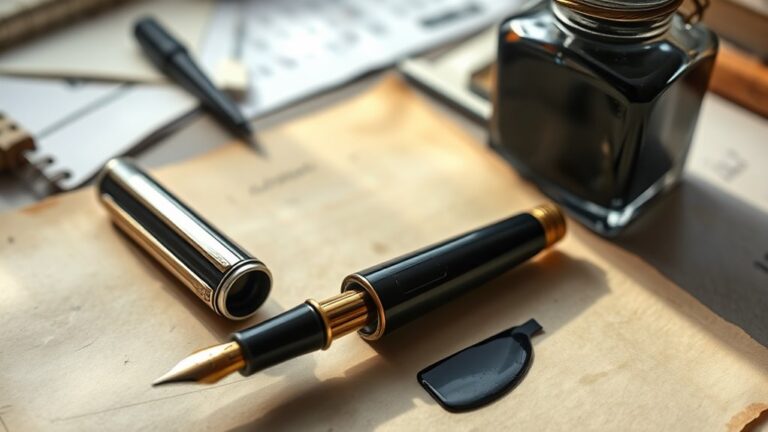
  • Does Ink Freeze and How to Tell

    Yes, ink does freeze, especially in cold temperatures below 32°F (0°C). The exact freezing point depends on its composition.

    You’ll notice frozen ink by thick clumps, separation of pigment and liquid, or uneven color when you apply it. Frozen ink may flow poorly or dry unevenly.

    If you want to keep your ink working smoothly and learn how to prevent damage or restore it after freezing, there are simple steps you can take. These will help keep your writing and printing flawless.

  • Does Ink Expire and When Should You Replace It?

    Yes, ink does expire, and you should replace your cartridges when you notice fading, streaks, or blotchy prints.

    Over time, ink loses quality due to exposure to air, heat, and light. This can cause clogs or color shifts in your prints.

    Proper storage helps extend its life, but once print quality drops or your printer warns of low ink, it’s time for a change.

    Keep an eye out for these signs, and you’ll keep your prints sharp and vivid longer.

    If you want to understand what affects ink longevity and how to store it best, there’s more to explore.

  • How Do You Know When Printer Ink Will Expire?

    You can tell when your printer ink will expire by checking the expiration date printed on the cartridge or its packaging. If there’s no clear date, look for codes that indicate manufacture or expiry—these can be numbers or abbreviations.

    Sometimes, signs like faded or streaky prints tip you off that the ink might be past its prime. Also, if your printer starts rejecting the cartridge, that’s another red flag.

    Proper storage really helps extend ink life. Keep going to uncover more tips on keeping your prints sharp and vibrant.

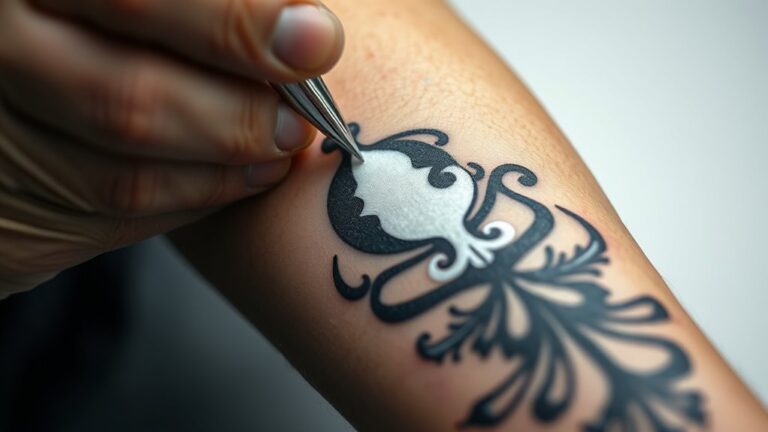
  • How You Tattoo White Ink Over Black Ink Step by Step

    To tattoo white ink over black ink, first clean and disinfect the fully healed black area, then stretch the skin taut.

    Use a high-quality opaque white ink with fine shading needles, applying thin, controlled layers to build opacity gradually. Be patient, letting each layer settle to avoid over-saturation.

    Keep the skin moisturized during healing and protect it from sun exposure to preserve brightness. If you want to master the technique and care involved, there’s more to explore.

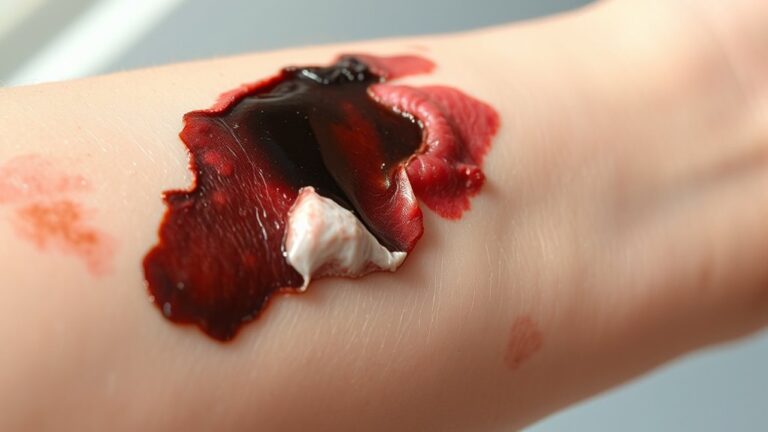
  • Can Your Skin Grow Back After Ink Poisoning?

    Yes, your skin can grow back after ink poisoning because it naturally heals by clearing damaged tissue and regenerating new cells.

    Healing speed depends on factors like age, health, and how severe the exposure was. Proper care—cleaning, moisturizing, and protecting the skin—really helps your recovery and reduces risks of infection or scarring.

    If the damage is severe, medical treatments might be needed to support healing. Keep exploring to understand how to best care for your skin after ink exposure.