
How to Remove Ink From My Hands Quickly
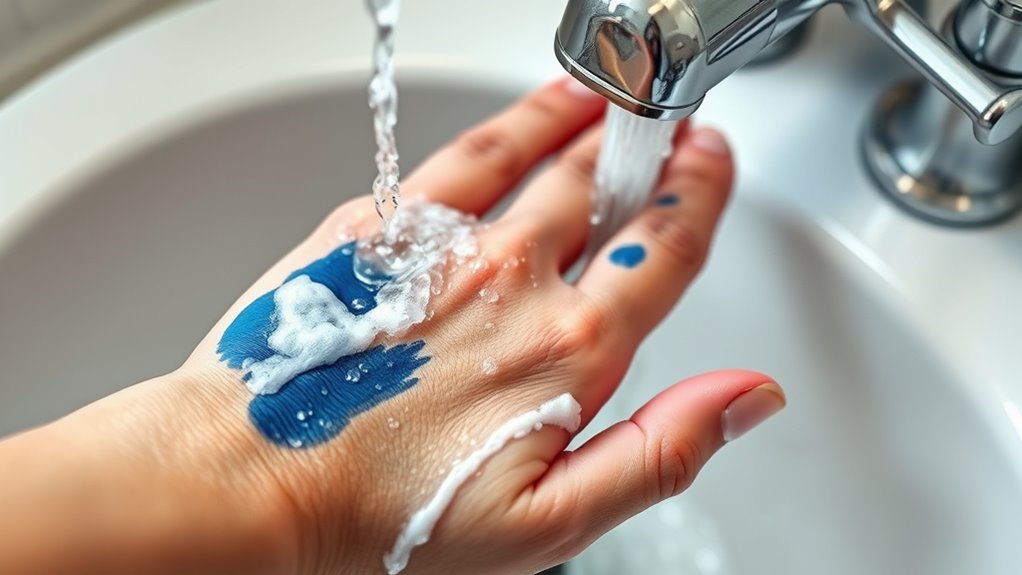
To quickly remove ink from your hands, start by washing with warm water and plenty of soap. Scrub the stained areas well to lift as much ink as possible. This basic step often does the trick.
If that’s not enough, rub a little rubbing alcohol or hand sanitizer on the spots. These help break down the ink, making it easier to rinse off. After applying, wash your hands again to get rid of residue.
You can also try applying coconut or olive oil to loosen the stain. Massage it into your skin gently, then follow up with soap and water. Keep experimenting with these tricks, and you might find even better ways to get your hands clean.
Key Takeaways
- Wash your hands with warm water and some liquid soap. Scrub the ink-stained areas thoroughly for quick removal.
- You can also apply rubbing alcohol or hand sanitizer on the ink stains. Rub gently, then rinse with warm water.
- Another trick is using a baking soda and water paste. Scrub the ink stains in circular motions, then rinse well.
- Try rubbing coconut or olive oil on the ink marks. Wipe it off, and then wash your hands with soap and warm water.
- Lemon juice or non-gel toothpaste works too. Rub gently on the stains, let it sit briefly, and then rinse thoroughly.
Using Soap and Warm Water
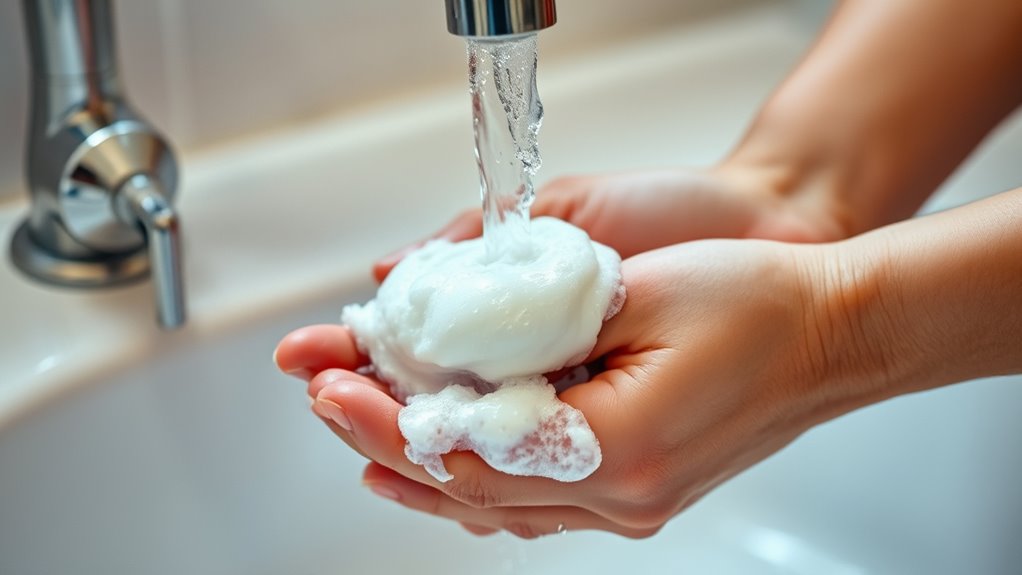
Although ink can be stubborn, using soap and warm water is one of the simplest ways to start removing it from your hands. Begin by wetting your hands with warm water, as it helps to loosen the ink particles.
Start by wetting your hands with warm water to help loosen stubborn ink particles before washing.
Apply a generous amount of liquid soap or hand wash, and work it into a rich lather. Rub your hands together vigorously, focusing on the areas with ink stains.
The soap works to break down the ink’s oils, lifting it from your skin. Rinse thoroughly with warm water, then repeat the process if needed.
Using a soft brush or cloth can help scrub off stubborn spots. This method is gentle and effective, making it a great first step before trying stronger treatments.
Applying Rubbing Alcohol or Hand Sanitizer
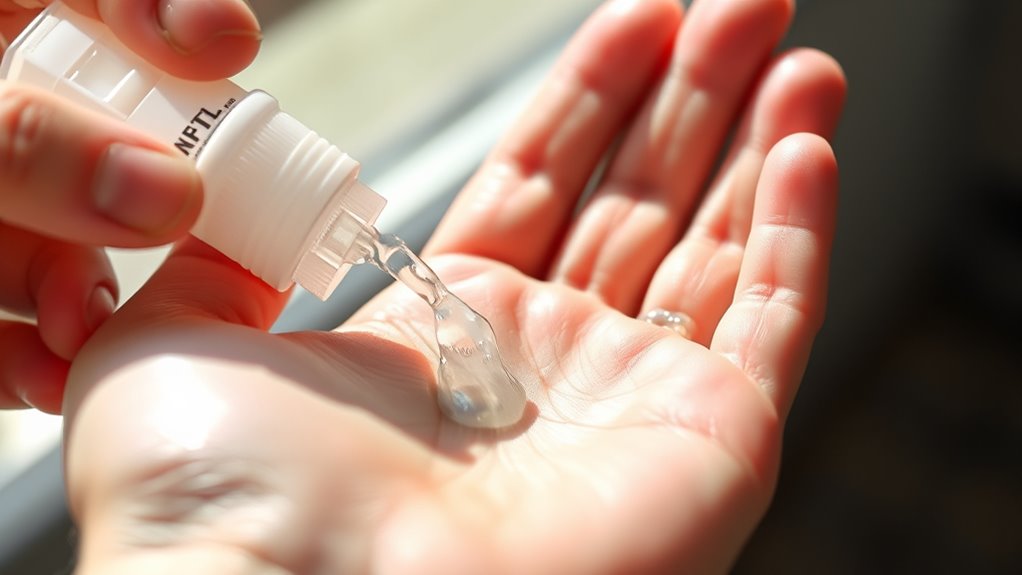
Wondering how to tackle stubborn ink stains after washing your hands? Applying rubbing alcohol or hand sanitizer is a quick and effective method. These products contain alcohol that breaks down the ink, making it easier to remove.
Here’s what you should do:
- Pour a small amount of rubbing alcohol or hand sanitizer onto a cotton ball or directly onto your hands.
- Gently rub the stained areas for about 30 seconds, allowing the alcohol to dissolve the ink.
- Rinse your hands with warm water to wash away the loosened ink and alcohol.
- Repeat if necessary, but avoid over-scrubbing to prevent skin irritation.
This technique works best on fresh stains and is a handy solution when soap and water alone don’t cut it. Give it a try next time you’re dealing with those pesky ink marks!
Utilizing Baking Soda and Water Paste
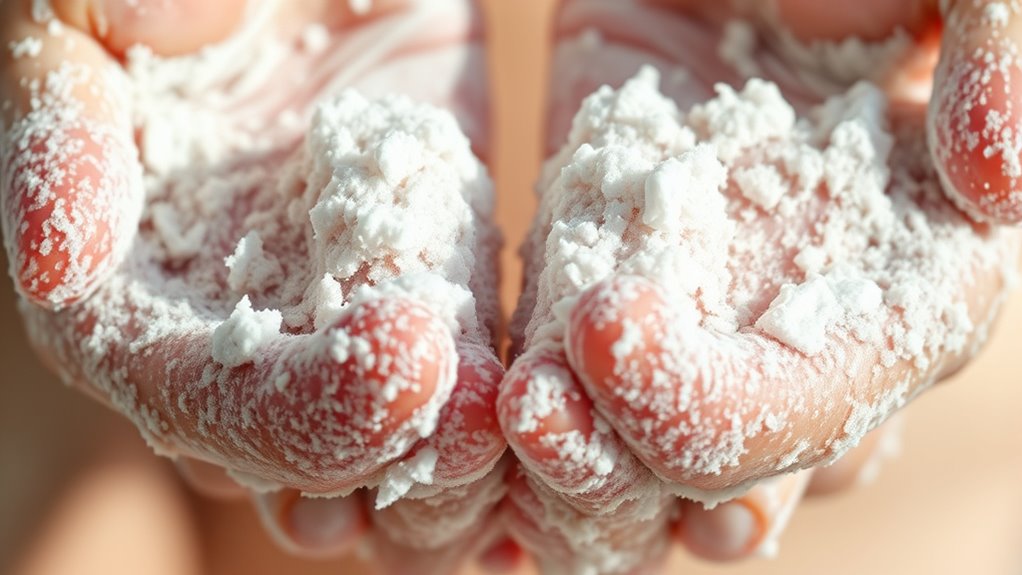
If you don’t have rubbing alcohol on hand, you can use a simple paste made from baking soda and water to lift ink stains from your skin. Mix equal parts baking soda and water until you get a thick, spreadable paste.
Apply it directly onto the ink-stained areas of your hands. Gently rub the paste into your skin using circular motions for about a minute.
The mild abrasiveness of baking soda helps break down the ink, making it easier to remove. After scrubbing, rinse your hands thoroughly with warm water.
If needed, go ahead and repeat the process, but try not to over-scrub to avoid irritating your skin. This method is gentle, effective, and uses common household ingredients to quickly fade ink marks from your hands.
Removing Ink With Coconut Oil or Olive Oil
You can gently remove ink from your hands using coconut oil, which moisturizes while breaking down the ink.
Olive oil works similarly and is easy to find in your kitchen.
Let’s look at how to use each oil effectively for the best results.
Benefits of Coconut Oil
Although ink stains can be stubborn, using coconut oil offers a natural and effective way to break down the pigments on your skin. You’ll find it’s gentle yet powerful, making it a great option for sensitive skin.
Here’s why coconut oil works so well for removing ink:
- Moisturizing: It hydrates your skin, preventing dryness after ink removal.
- Penetrative: Its fatty acids penetrate the ink, loosening it from your pores.
- Non-toxic: Safe to use, avoiding harsh chemicals that can irritate your hands.
- Antibacterial: Helps prevent any infection from minor skin abrasions during scrubbing.
Pretty handy, right? Plus, it’s easy to find and simple to use. Just a little coconut oil can go a long way in getting rid of those stubborn ink marks!
Using Olive Oil Effectively
Coconut oil isn’t the only natural option for tackling ink stains on your hands—olive oil works just as well and might already be in your kitchen.
To use it effectively, pour a small amount of olive oil onto the ink-stained area. Rub it gently into your skin using circular motions for about a minute.
Olive oil helps break down the ink’s oils and pigments, loosening the stain without harsh chemicals. After rubbing, wipe your hands with a clean cloth or paper towel.
Then, wash your hands with warm water and soap to remove any oily residue. If the stain persists, just repeat the process.
Olive oil is gentle, moisturizing, and safe for regular use, making it a simple, natural solution to get rid of ink quickly.
Treating Stains With Lemon Juice
When ink stains settle into your skin, lemon juice can work wonders by breaking down the pigment. Its natural acidity helps lift the ink without harsh chemicals.
Here’s how to use it effectively:
- Squeeze fresh lemon juice onto the stained areas of your hands.
- Gently rub the juice into the ink with your fingertips, focusing on stubborn spots.
- Let the lemon juice sit for 5–10 minutes to allow the acid to penetrate the stain.
- Rinse your hands thoroughly with warm water and mild soap to remove both the ink and lemon juice.
If the stain doesn’t come off right away, just repeat the process. But, heads up—if you have sensitive skin, be careful because lemon juice might cause irritation.
This natural method is quick and gentle, making it a great choice for ink removal.
Using Toothpaste for Ink Removal
If you want an easy and effective way to tackle ink stains on your hands, toothpaste can come to the rescue. Simply apply a small amount of non-gel toothpaste to the ink-stained area.
Rub it gently in circular motions for about a minute, then rinse with warm water. Toothpaste contains mild abrasives that help lift ink without damaging your skin.
| Step | Action | Tip |
|---|---|---|
| 1 | Apply toothpaste | Use non-gel, white toothpaste |
| 2 | Rub gently | Circular motions, 1 minute |
| 3 | Rinse with warm water | Avoid hot water to protect skin |
| 4 | Repeat if necessary | Be patient, ink may persist |
| 5 | Moisturize afterward | Prevent dryness |
This method is quick, safe, and usually effective for everyday ink stains. Give it a try next time you spot ink on your hands!
Frequently Asked Questions
Can Ink Stains on Skin Cause Any Health Issues?
Ink stains on your skin usually won’t cause health issues unless you have a sensitivity or the ink contains harmful chemicals.
If you notice irritation, wash it off promptly and avoid prolonged exposure to prevent problems.
It’s usually nothing serious, but better safe than sorry, right? Just keep an eye on how your skin reacts.
How Long Does Ink Typically Stay on Skin Without Washing?
Like a stubborn ghost, ink usually clings to your skin for one to three days without washing.
But don’t worry, your natural oils and daily scrubbing will slowly banish it away, restoring your hands’ clean slate.
Are There Any Natural Alternatives to Chemicals for Ink Removal?
You can try using natural alternatives like lemon juice, baking soda paste, or coconut oil to remove ink. They gently break down ink without harsh chemicals, so you can clean your hands quickly and naturally.
These options are pretty easy to find around the house, too. Plus, they’re kind on your skin, which is always a bonus!
Can Ink Stains Be Removed From Skin Without Water?
Yes, you can remove ink stains without water by using rubbing alcohol, hand sanitizer, or even a bit of coconut oil. Just apply, rub gently, and wipe away the ink with a cloth or tissue.
It’s pretty simple, really. Just make sure to be gentle so you don’t irritate your skin while you’re at it.
Is It Safe to Use Nail Polish Remover on Skin Ink Stains?
You can use nail polish remover on ink stains, but be careful. It contains acetone, which might irritate or dry your skin.
Always test a small area first and moisturize afterward to keep your skin safe. It’s best to take these precautions so you don’t end up with irritated skin.
Conclusion
Removing ink from your hands doesn’t have to feel like chasing a shadow. With simple remedies like soap, rubbing alcohol, or even a bit of coconut oil, you can wipe away those stubborn stains quickly and effortlessly.
Think of your hands as a blank canvas—each method is a brushstroke that restores your clean slate. So next time ink sneaks onto your skin, you’ll have the perfect tools to erase it in no time.
In conclusion, removing ink from your hands quickly is easier than you might think. Whether you use soap and water, rubbing alcohol, or natural oils like coconut oil, these quick fixes help you get rid of those pesky ink marks without hassle. Keep these simple solutions handy, and you’ll never struggle with ink stains on your skin again!