

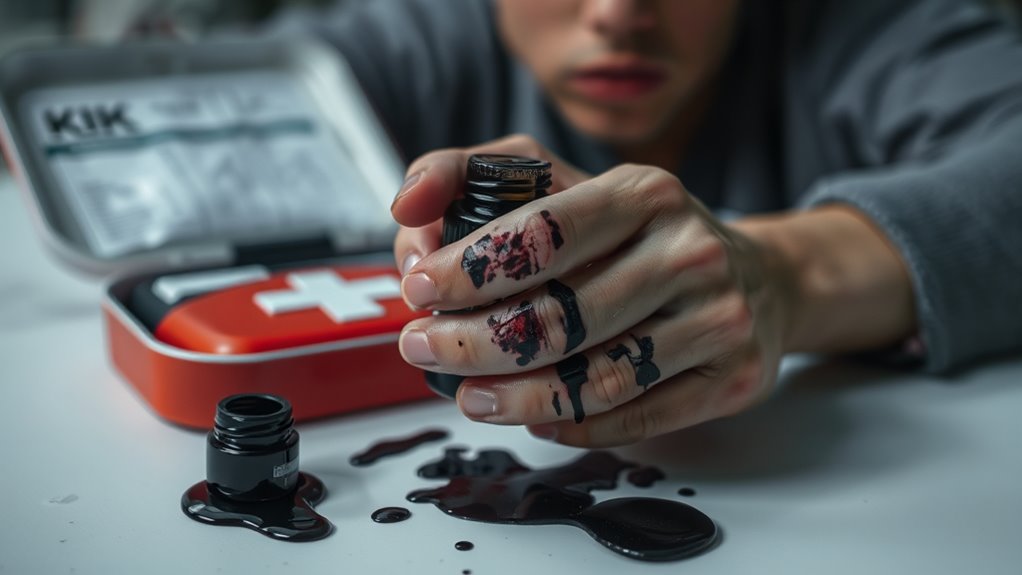
What Are the Dangers If You Get Ink Poisoning?
If you get ink poisoning, you might notice skin irritation like redness or a rash. You could also feel nauseous, vomit, get dizzy, or have headaches depending on how the ink enters your body.
Swallowing or injecting ink is riskier and might cause serious problems like organ damage or breathing difficulties. Different inks have chemicals and heavy metals that can affect your health in various ways.
It’s important to know the right first aid steps and when to see a doctor if you suspect ink poisoning. Keep reading to learn how to protect yourself and respond effectively if this happens.
Key Takeaways
- Ink poisoning can cause nausea, vomiting, dizziness, headaches, and abdominal pain. This happens because of the toxic chemicals and heavy metals present in the ink.
- If ink gets on your skin, it might cause redness, itching, rash, and swelling. This is especially true if your skin barrier is broken.
- Breathing in ink fumes can irritate your lungs. You might experience coughing, a burning throat, dizziness, and other respiratory issues.
- In severe cases, ink poisoning can lead to organ damage, airway obstruction, confusion, and loss of consciousness. If this happens, you need urgent medical attention.
- Long-term exposure to ink toxins can cause serious health problems like liver and kidney damage. These issues are often harder to notice early on.
Common Causes of Ink Poisoning
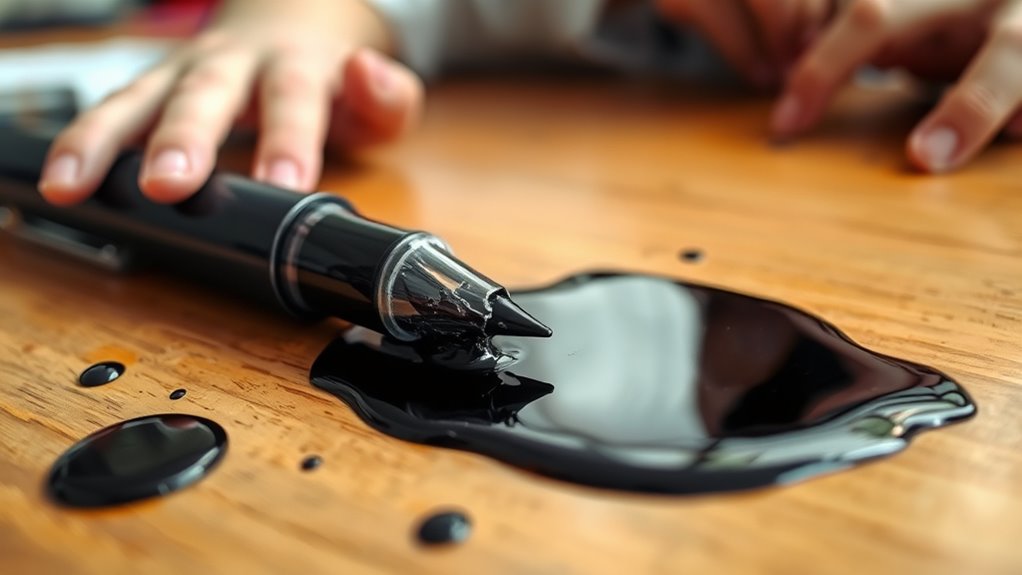
Although ink is widely used in everyday items, you might not realize how easily ink poisoning can occur. You could accidentally ingest ink by chewing on pens or markers, especially if you’re around children who often explore with their mouths.
Handling large amounts of ink without proper protection increases your risk, particularly if you have cuts or broken skin. Exposure can also happen if ink gets into your eyes or if you breathe in fumes from certain types of ink, like those used in industrial or printing settings.
Using non-toxic ink products helps, but even then, you should avoid prolonged contact. Being aware of how you interact with ink and practicing good hygiene can reduce your risk of poisoning profoundly.
Symptoms and Early Warning Signs

When ink enters your body, you might notice symptoms that range from mild irritation to more serious health issues. At first, you could experience redness, itching, or a rash where the ink contacted your skin.
If you inhaled ink fumes, you might cough, feel dizzy, or notice a burning sensation in your throat. Swallowing ink can cause nausea, stomach pain, or vomiting.
You may also feel a headache or lightheadedness as early warning signs. Pay close attention to any unusual sensations or discomfort after exposure, even if they seem minor.
Promptly recognizing these symptoms helps you seek medical advice before complications develop. Don’t ignore persistent or worsening signs, as early action is vital for better outcomes.
Potential Health Complications
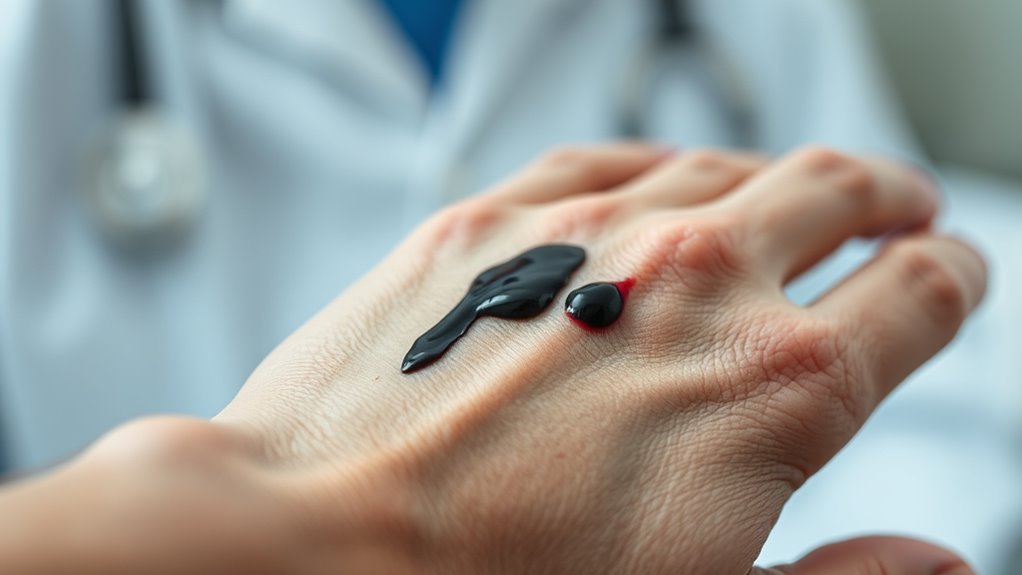
If you’re exposed to ink poisoning, toxic chemicals can seriously affect your body. You might also face allergic reactions that complicate your condition.
In severe cases, organ damage could occur, so it’s important to act quickly. Don’t wait if you notice symptoms—getting help early can make a big difference.
Toxic Chemical Effects
Since ink contains a variety of toxic chemicals, exposure can lead to serious health complications that you shouldn’t ignore. Chemicals like solvents, heavy metals, and pigments can disrupt your body’s normal functions.
If you ingest or absorb ink through broken skin, these toxins may enter your bloodstream, causing symptoms such as nausea, dizziness, headaches, and abdominal pain. In severe cases, they can affect your liver, kidneys, and nervous system.
Prolonged or high-level exposure might even lead to chemical poisoning, which requires immediate medical attention. So, you should avoid direct contact with ink whenever possible.
And if you do experience any unusual symptoms after exposure, don’t wait—seek medical help promptly. Understanding these toxic chemical effects helps you recognize risks and act quickly to minimize potential harm.
Allergic Reactions Risk
Although many people handle ink without issue, you could develop allergic reactions that cause discomfort or more serious health problems.
Your skin might react with redness, itching, or swelling after contact with certain ink chemicals.
In some cases, respiratory symptoms like sneezing or difficulty breathing can occur if you inhale ink fumes.
Knowing the symptoms helps you seek timely treatment and avoid complications.
| Symptom | Description | When to See a Doctor |
|---|---|---|
| Skin Rash | Red, itchy, inflamed skin | If rash worsens or spreads |
| Swelling | Puffiness, especially lips or face | If swelling impairs breathing |
| Respiratory Issues | Coughing, sneezing, wheezing | If you experience shortness of breath |
| Eye Irritation | Redness, watering | If discomfort persists or vision blurs |
Organ Damage Potential
When ink chemicals enter your body in significant amounts, they can harm essential organs like the liver, kidneys, and lungs. These organs filter toxins from your blood, so exposure to harmful substances in ink can impair their function.
Your liver might struggle to break down toxic compounds, which could lead to inflammation or even liver damage. Meanwhile, your kidneys can become overwhelmed trying to filter out chemicals. If left untreated, this may cause kidney failure.
Inhaled ink fumes can irritate your lungs, causing breathing difficulties or long-term respiratory issues. If you suspect ink poisoning, it’s really important to seek medical attention promptly to prevent lasting organ damage.
Early treatment helps minimize risks, so don’t ignore symptoms like fatigue, shortness of breath, or unusual pain after ink exposure. Taking quick action can make a big difference.
Differences Between Types of Ink Toxicity
You need to understand that ink toxicity varies based on its chemical makeup and how you’re exposed to it. Some inks cause immediate harm, while others build up over time.
Recognizing these differences helps you stay safer around inks. It’s all about knowing what you’re dealing with so you can protect yourself better.
Chemical Composition Variations
Since ink formulations vary widely, understanding their chemical composition is key to recognizing the different toxicity risks they pose. Some inks contain heavy metals like lead or cadmium, which can be highly toxic if absorbed in large amounts.
Others use organic solvents such as alcohols or glycol ethers that may cause irritation or central nervous system effects. Water-based inks generally have fewer harmful chemicals but can still contain additives that trigger allergic reactions.
Tattoo inks, for example, often include pigments and preservatives that differ markedly from printer or pen inks, influencing their toxicity profiles. By knowing what’s in the ink you’re exposed to, you can better assess the potential health risks and take appropriate precautions to avoid or minimize harm.
Routes of Ink Exposure
Although ink exposure can occur in various ways, the route through which ink enters your body greatly affects its toxicity. You may come into contact with ink through skin contact, inhalation, ingestion, or injection.
Each route influences how quickly and severely the toxic substances affect you. Let’s break it down a bit to make it clearer.
| Route | Toxicity Impact |
|---|---|
| Skin Contact | Usually low; risk if skin is broken |
| Inhalation | Moderate; fumes can irritate lungs |
| Ingestion | High; digestive system absorbs toxins quickly |
| Injection | Very high; direct bloodstream entry increases risk |
Understanding these differences helps you take appropriate precautions. Plus, it lets you respond effectively if exposure occurs.
Acute vs. Chronic Toxicity
Knowing how ink enters your body helps explain why the effects can vary so much.
Acute toxicity happens when you absorb a large amount of ink quickly, causing immediate symptoms like nausea, dizziness, or skin irritation.
On the other hand, chronic toxicity results from repeated, low-level exposure over weeks or months.
This can lead to long-term health issues such as organ damage or allergic reactions.
Understanding these differences is key to recognizing the severity of ink poisoning.
Here’s what you need to know about acute vs. chronic toxicity:
- Acute toxicity often demands urgent medical attention because symptoms appear fast.
- Chronic toxicity may develop subtly, making it harder to spot early on.
- Both types require minimizing exposure to avoid serious health risks.
Immediate First Aid Measures
When you suspect ink poisoning, act quickly to minimize harm. First, remove any ink-contaminated clothing to prevent further skin exposure. Rinse the affected skin area thoroughly with lukewarm water for at least 15 minutes.
Avoid scrubbing, as this may irritate the skin further. If ink has been ingested, do not induce vomiting unless directed by a poison control center or medical professional. Instead, rinse your mouth with water and try to spit it out.
Drink a small amount of water to dilute the ink but avoid excessive fluids. Keep the person calm and still to prevent spreading the toxin. Monitor for symptoms like difficulty breathing, dizziness, or severe irritation.
These steps help reduce absorption and prepare you for further medical evaluation. It’s important to stay alert and seek professional help right away if symptoms worsen.
When to Seek Medical Attention
If you notice symptoms like difficulty breathing, persistent vomiting, or severe skin irritation after ink exposure, you should seek medical attention immediately. Ink poisoning can escalate quickly, so don’t hesitate to get professional help if you experience any unusual or worsening signs.
Besides the severe symptoms, watch for these warning signs that require medical evaluation:
- Confusion, dizziness, or fainting
- Swelling around the mouth or throat
- Prolonged numbness or tingling in limbs
Even if symptoms seem mild initially, if they persist or worsen, it’s best to consult a healthcare provider. Prompt attention can prevent complications and ensure you receive appropriate treatment, especially if ink was ingested or entered an open wound.
Your health and safety come first—never ignore concerning symptoms after ink exposure. It’s always better to be safe and get checked out if something feels off.
Frequently Asked Questions
Can Ink Poisoning Affect Mental Health Long-Term?
Yes, ink poisoning can affect your mental health long-term by causing neurological damage, cognitive difficulties, or mood changes.
If you suspect exposure, get medical help quickly to minimize these potential lasting effects. It’s really important to act fast to protect your brain and overall well-being.
Is Ink Poisoning Contagious to Others?
No, ink poisoning isn’t contagious, so you won’t spread it to others. It results from ingesting or absorbing harmful chemicals, not from germs.
Are Children More Susceptible to Ink Poisoning?
Absolutely, kids are way more vulnerable to ink poisoning than adults! Their tiny bodies can’t handle toxins as well, so even a small amount might cause serious harm.
You should always keep ink away from children’s reach! It’s better to be safe than sorry when it comes to their health.
Can Ink Poisoning Cause Allergic Reactions?
Yes, ink poisoning can cause allergic reactions. You might experience skin rashes, itching, or swelling if you’re sensitive.
If symptoms worsen, you should seek medical help immediately to avoid serious complications. Don’t wait it out—getting checked out is the best move.
How Is Ink Poisoning Diagnosed in a Hospital?
When you rush into the ER fearing doom, doctors diagnose ink poisoning by checking your symptoms, asking about ink exposure, and running blood tests or imaging.
They act fast to stop the chaos inside you.
Conclusion
When it comes to ink poisoning, remember that “an ounce of prevention is worth a pound of cure.” If you accidentally ingest or come into contact with ink, act quickly by rinsing and seeking medical help if symptoms appear.
Don’t ignore early warning signs—they can lead to serious health issues. Knowing the risks and responding promptly can protect your health and keep you safe from potential complications.
Stay cautious and take ink exposure seriously. Understanding the dangers of ink poisoning helps you avoid harmful effects and ensures you get the right treatment if exposure happens. Always be mindful and handle ink carefully to stay safe and healthy.