
How to Get Ink Off Hands Quickly and Easily
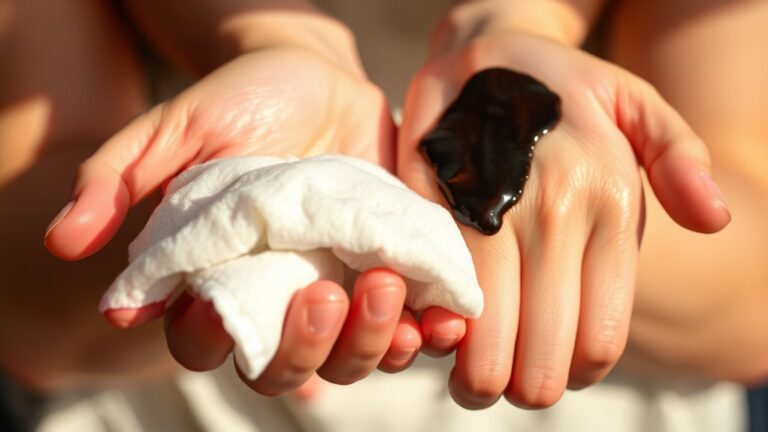
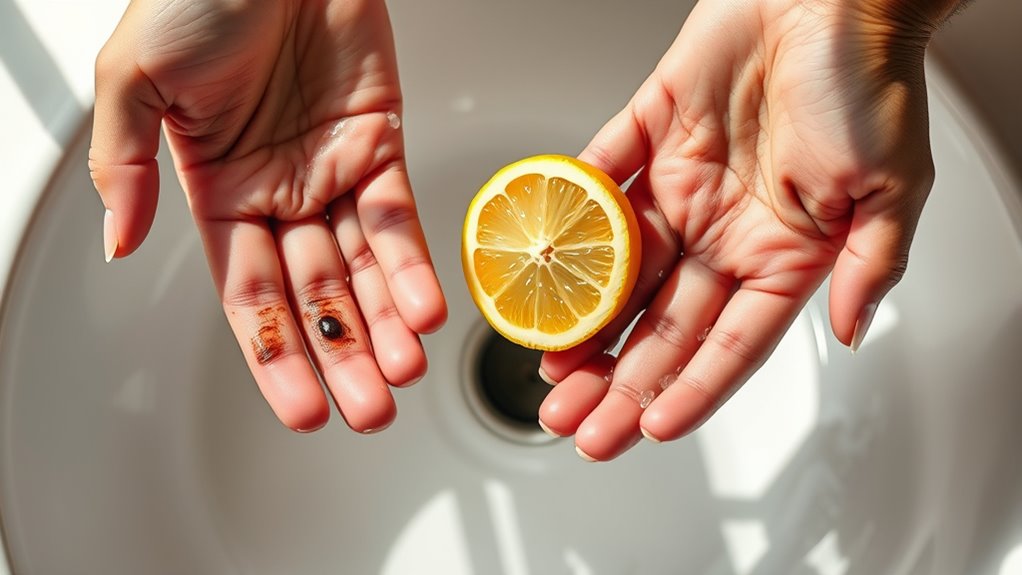
To get ink off your hands quickly and easily, start by washing them with soap and warm water. This helps loosen fresh ink before it sets in. If the ink is still there after washing, don’t worry, there are other simple tricks you can try.
Next, dab some rubbing alcohol or hand sanitizer on the stained areas. Gently rub the spots to break down the ink. These household items work well because they help dissolve the ink without harsh scrubbing.
If you want a natural option, make a paste using baking soda and water. Apply it to the stains and rub gently.
Another easy method is to use non-gel toothpaste with a soft brush to scrub stubborn ink spots.
All these methods are quick, effective, and gentle on your skin. Give them a try to keep your hands clean and ink-free with minimal effort!
Key Takeaways
– Wash hands with warm water and soap, scrubbing gently to remove fresh ink stains quickly.
This method works best if you catch the ink early, so don’t wait too long before washing.
– Dab rubbing alcohol on a cotton ball and rub the ink stain, then rinse hands to lift ink efficiently.
Be careful to avoid any cuts or sensitive areas, as alcohol can sting.
– Apply hand sanitizer with at least 60% alcohol, rub for 20 seconds, then rinse to break down ink rapidly.
It’s a handy option when you’re on the go and don’t have access to soap and water.
– Use a baking soda and water paste, rub gently in circular motions, and rinse to safely remove ink.
This is a gentle alternative if you prefer something less harsh on your skin.
– Scrub ink spots with non-gel toothpaste and a soft brush for 2-3 minutes, then rinse and moisturize.
Toothpaste acts as a mild abrasive to help lift the ink, plus it leaves your hands feeling fresh.
Using Soap and Warm Water
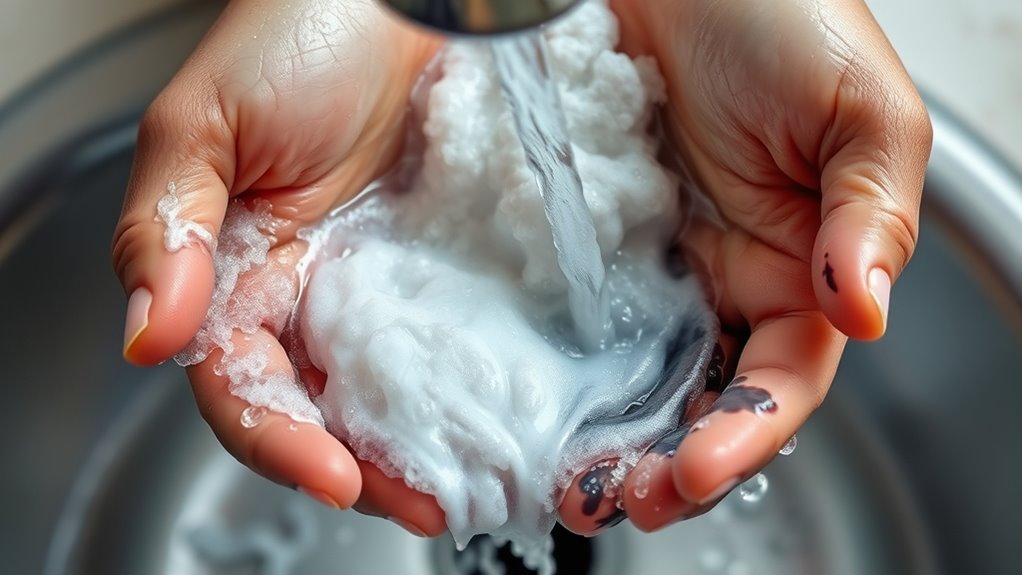
Although ink can be stubborn, using soap and warm water is often the simplest way to remove it from your hands. Start by wetting your hands with warm water. This helps open your pores and loosens the ink.
Wet your hands with warm water to open pores and loosen stubborn ink before applying soap.
Apply a generous amount of soap and work it into a rich lather. Scrub your hands thoroughly, paying close attention to areas where ink is more concentrated, like between your fingers and under your nails.
Rinse with warm water, and if any ink remains, repeat the process. You might need to be patient, as this method works best with fresh ink stains.
Avoid using harsh scrubbing tools, as they can irritate your skin. With a bit of persistence, soap and warm water can effectively lift ink without damaging your hands.
Removing Ink With Rubbing Alcohol
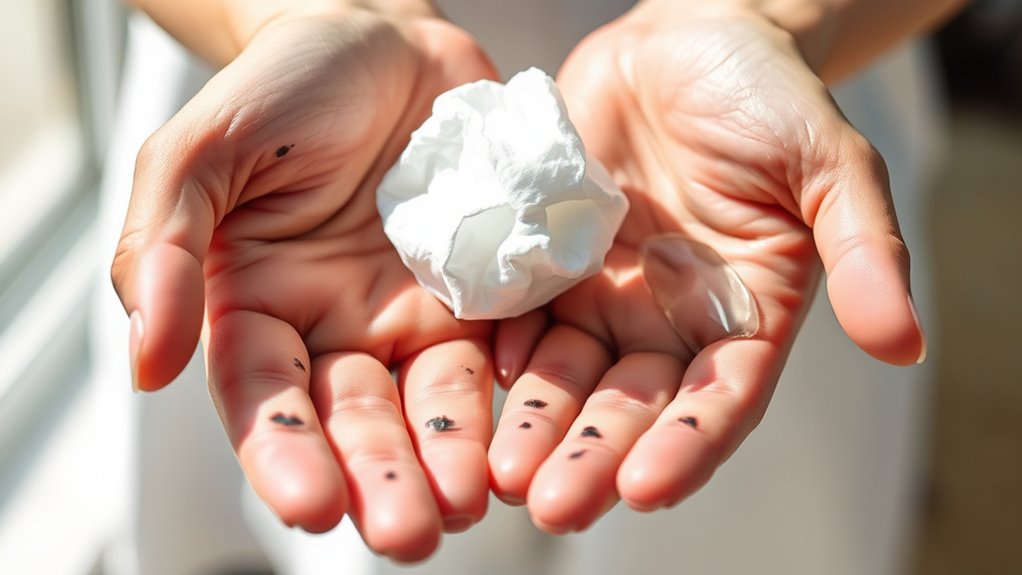
If soap and warm water don’t fully remove the ink, rubbing alcohol can be a more effective option. Dab a cotton ball or pad with rubbing alcohol, then gently rub the ink stain.
The alcohol breaks down the ink, making it easier to wipe away. Be sure to rinse your hands with water afterward to avoid dryness.
| Feeling | Action | Result |
|---|---|---|
| Frustrated | Apply rubbing alcohol | Ink starts to lift |
| Hopeful | Gently rub stain | Ink fades away |
| Relieved | Rinse hands | Skin feels cleaner |
| Confident | Repeat if needed | Ink disappears |
This method works quickly and efficiently, saving you time and stress.
It’s pretty straightforward and gets the job done without much hassle.
Applying Hand Sanitizer for Ink Stains
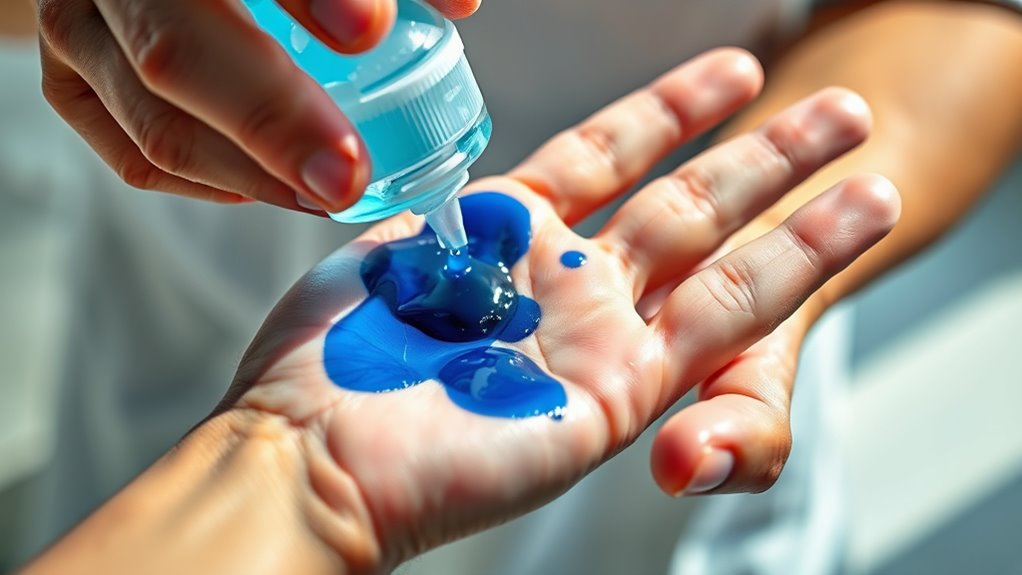
You’ll want to pick a hand sanitizer with at least 60% alcohol to break down the ink effectively. Apply a generous amount directly onto the stained areas and rub it in thoroughly.
This method helps lift the ink without harsh scrubbing. It’s pretty simple and usually works well!
Choosing Effective Sanitizers
When tackling ink stains on your hands, choosing the right hand sanitizer can make a significant difference. Not all sanitizers work equally well on ink, so picking an effective one is key to quick removal.
Here are three tips to help you select the best hand sanitizer for ink stains:
- Look for high alcohol content: Sanitizers with at least 60% alcohol break down ink pigments more effectively.
- Avoid gel formulas: Liquid or spray sanitizers spread easily and penetrate ink better than thick gels.
- Check ingredients: Some sanitizers contain moisturizers or additives that may hinder ink removal, so opt for simple, alcohol-based formulas.
Proper Application Techniques
Although selecting the right hand sanitizer is essential, applying it correctly guarantees the best results in removing ink stains from your hands. First, pump a generous amount onto the stained area—don’t skimp, as you need enough to break down the ink.
Next, rub your hands together vigorously, focusing on the ink spots. Make sure to cover all stained areas thoroughly.
Keep rubbing for at least 20 seconds to allow the alcohol to dissolve the ink effectively. If the stain persists, repeat the process once more rather than scrubbing aggressively, which can irritate your skin.
Finally, rinse your hands with warm water and pat dry. Applying hand sanitizer this way maximizes ink removal while keeping your skin safe.
Using Baking Soda and Water Paste
If ink stains cling stubbornly to your skin, mixing baking soda with water creates an effective paste to lift the marks. This natural solution gently exfoliates and breaks down the ink, making removal easier.
Here’s how to use it:
Here’s a simple step-by-step guide to effectively remove ink stains using a natural baking soda paste.
- Combine equal parts baking soda and water to form a thick paste.
- Apply the paste directly onto the ink-stained areas on your hands.
- Gently rub the paste in circular motions for about 30 seconds, then rinse with warm water.
You can repeat if necessary, but try not to over-scrub to protect your skin. Baking soda’s mild abrasiveness and alkaline nature make it a safe and handy choice for tackling ink stains quickly without harsh chemicals.
Scrubbing With Toothpaste and a Brush
You’ll want to pick a toothpaste that’s non-gel and contains mild abrasives for the best results. Use a soft-bristled brush to gently scrub the ink-stained areas in circular motions.
This combination helps break down the ink without irritating your skin. It’s pretty effective and kind of easy to do, too!
Choosing the Right Toothpaste
When choosing toothpaste to remove ink from your hands, opt for a paste with mild abrasives like baking soda or silica. These ingredients help break down ink without irritating your skin.
Avoid gel toothpastes or those with whitening agents, as they might not be as effective or could cause dryness.
Here are three tips for picking the right toothpaste:
- Look for labels mentioning “mild abrasives” or “baking soda” for gentle yet effective cleaning.
- Avoid whitening or sensitive formulas since they often contain chemicals that won’t aid ink removal.
- Choose a non-gel, traditional paste to maximize the scrubbing power when combined with a brush.
Selecting the right toothpaste sets you up for easier and safer ink removal from your hands.
Effective Brushing Techniques
Once you’ve chosen the right toothpaste, applying it effectively makes all the difference in removing ink from your hands. Start by squeezing a small amount of toothpaste onto a soft-bristled toothbrush. Gently scrub the ink-stained areas using circular motions, focusing on spots where the ink is most stubborn.
Don’t press too hard; let the toothpaste’s mild abrasives do the work. Keep brushing for about two to three minutes to break down the ink particles. Rinse your hands with warm water to check progress.
If ink remains, repeat the process once more. Just be sure to avoid harsh scrubbing to prevent skin irritation. Finally, wash your hands with soap and water to remove any toothpaste residue.
And don’t forget to moisturize afterward to keep your skin smooth and hydrated. This method quickly lifts ink without damaging your skin.
Preventing Ink Stains in the Future
Although ink stains can be stubborn, taking simple precautions can help you avoid them altogether. Preventing ink from landing on your hands in the first place saves time and frustration.
Taking simple precautions can prevent stubborn ink stains and save you time and frustration.
Here are three effective ways to keep your hands ink-free:
- Use Quality Pens – Opt for pens with quick-drying ink to reduce smudging and accidental stains.
- Keep a Tissue Handy – Wipe the pen tip often to avoid excess ink buildup that can transfer to your fingers.
- Wear Protective Gear – When working with large amounts of ink, consider disposable gloves or finger cots to shield your skin.
Frequently Asked Questions
Can Ink Stains Cause Skin Irritation or Allergic Reactions?
Yes, ink stains can cause skin irritation or allergic reactions, especially if you have sensitive skin or a pen contains harsh chemicals.
If you notice redness, itching, or swelling, wash it off promptly and avoid scratching.
It’s always a good idea to be cautious and take care of your skin when dealing with ink stains.
Are There Any Natural Oils That Help Remove Ink Stains?
You don’t need a rotary phone to know coconut and olive oils work wonders on ink stains. Just rub them gently on your skin; they’ll break down the ink while moisturizing, making removal much easier and natural.
It’s really that simple! Plus, these oils are gentle, so your skin stays soft and cared for while the ink fades away. Give it a try next time you’ve got a pesky ink spot!
Is It Safe to Use Nail Polish Remover on Skin Ink Stains?
You can use nail polish remover on ink stains, but it’s not always safe for your skin. It may cause dryness or irritation, so use it sparingly.
Avoid sensitive areas, and be gentle when applying it. Make sure to moisturize afterward to protect your skin and keep it healthy.
How Long Does Ink Usually Stay on the Skin Without Treatment?
Ink usually sticks around on your skin like a stubborn shadow for about 1 to 3 days without treatment.
You’ll want to wash or scrub soon, or it might feel like it’s carved into your skin forever!
Can Ink Stains Transfer From Hands to Clothing or Other Surfaces?
Yes, ink stains can transfer from your hands to clothing or other surfaces, especially if the ink is still wet.
To avoid this, you should clean your hands promptly and avoid touching fabrics or items until the ink’s gone.
It’s pretty easy for the stain to spread if you’re not careful, so quick action really helps. Just make sure your hands are completely clean before you handle anything else.
Conclusion
Getting ink off your hands quickly doesn’t have to be a hassle. With simple items like soap, rubbing alcohol, or even toothpaste, you can wash away those stubborn stains as easily as wiping fog from a mirror.
Just remember to act fast and be gentle to avoid irritating your skin. And to save yourself time later, try preventing ink stains before they happen.
Your hands will thank you for it! By using these easy methods to remove ink from hands, you can keep your skin clean and fresh without much effort. So next time you find ink on your skin, don’t stress—grab some soap or rubbing alcohol and get that ink off your hands quickly and easily!