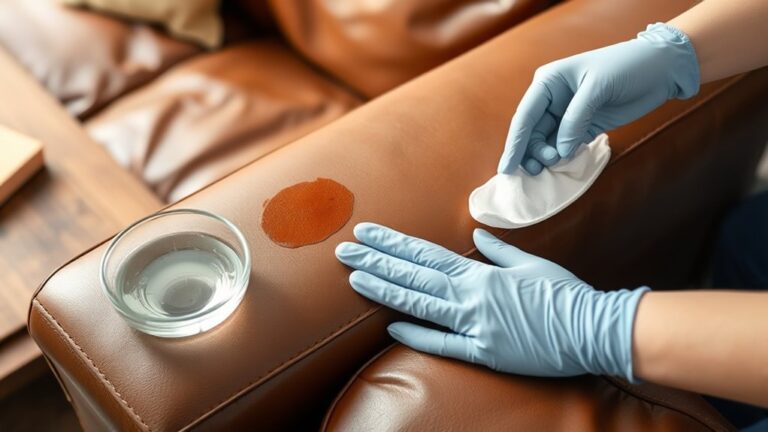

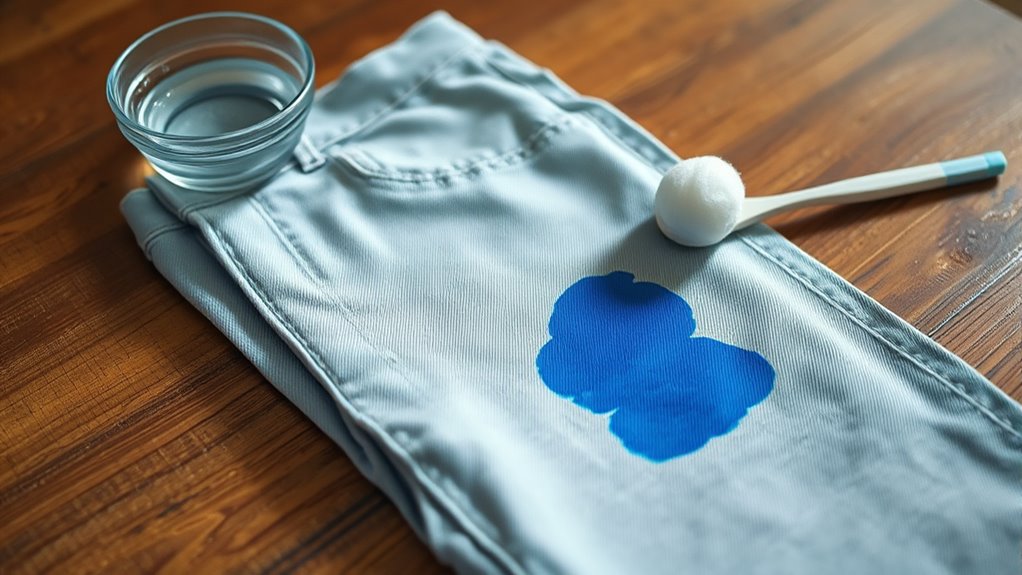
How to Get Gel Ink Out of Clothes Step by Step
You should act fast when gel ink stains your clothes. Gel ink can be stubborn, so tackling it quickly is key to preventing a permanent mark. First, gently blot the excess ink with a clean cloth without rubbing.
Then, apply rubbing alcohol or hand sanitizer directly to the stain and let it sit for a few minutes to break down the ink. This helps loosen the gel ink so it’s easier to remove.
Rinse the area with cold water and treat it with liquid detergent before washing the garment in the warmest water safe for the fabric.
After washing, air dry your clothes instead of using a dryer. Heat can set any leftover ink stains, making them harder to get out.
Once dry, check for any remaining stains—you’ll find more tips to fully restore your clothes if needed.
Key Takeaways
- Act quickly by blotting excess gel ink gently with a clean cloth. Avoid rubbing because that can spread the stain even more.
- Next, apply rubbing alcohol or hand sanitizer directly onto the stain. Let it sit for about 3 to 5 minutes, then rinse it off with cold water.
- After that, treat the stain with liquid detergent. Gently rub it in and let it sit for another 5 to 10 minutes before rinsing again.
- When you’re ready, wash the garment in the warmest water that’s safe for the fabric. Just skip the hot water since that can set the stain.
- Finally, air dry the clothing instead of using a dryer. Once dry, check if any ink remains. If it does, repeat the treatment, especially if the fabric is delicate—use mild detergents in that case.
Identify the Stain and Act Quickly
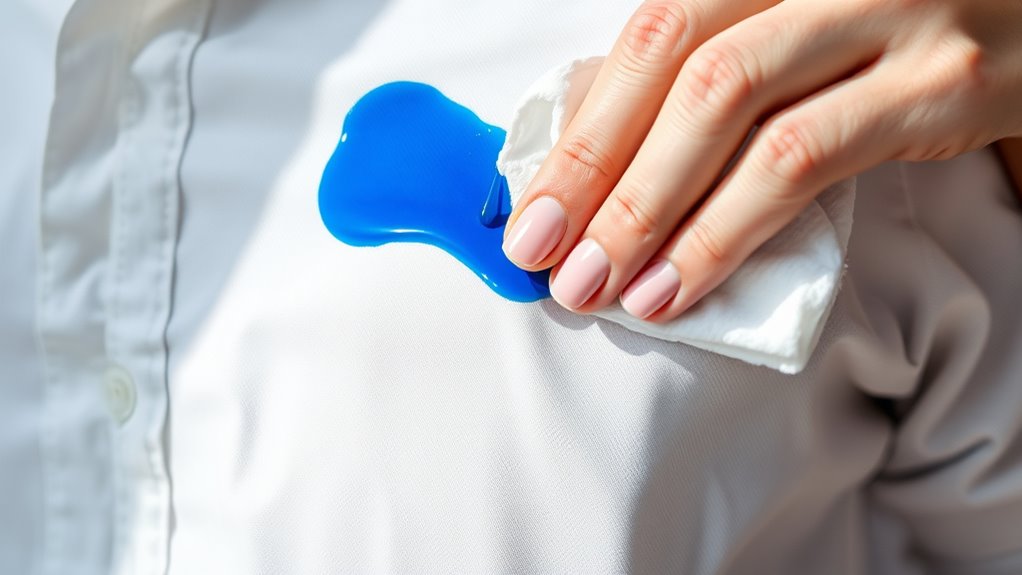
Before you begin treating the stain, make sure you correctly identify it as gel ink. Gel ink stains often appear vivid, glossy, and slightly raised on fabric. You might notice a smooth, shiny spot that doesn’t soak in like regular ink.
Acting quickly is essential because gel ink dries fast and becomes harder to remove over time. As soon as you spot the stain, avoid rubbing it. Rubbing can spread the ink or push it deeper into the fibers.
Instead, plan your next steps promptly to prevent permanent damage. Quick identification lets you choose the best cleaning method and increases your chances of completely removing the stain. Keep in mind, the sooner you address it, the better your results will be.
Blot Excess Ink Gently
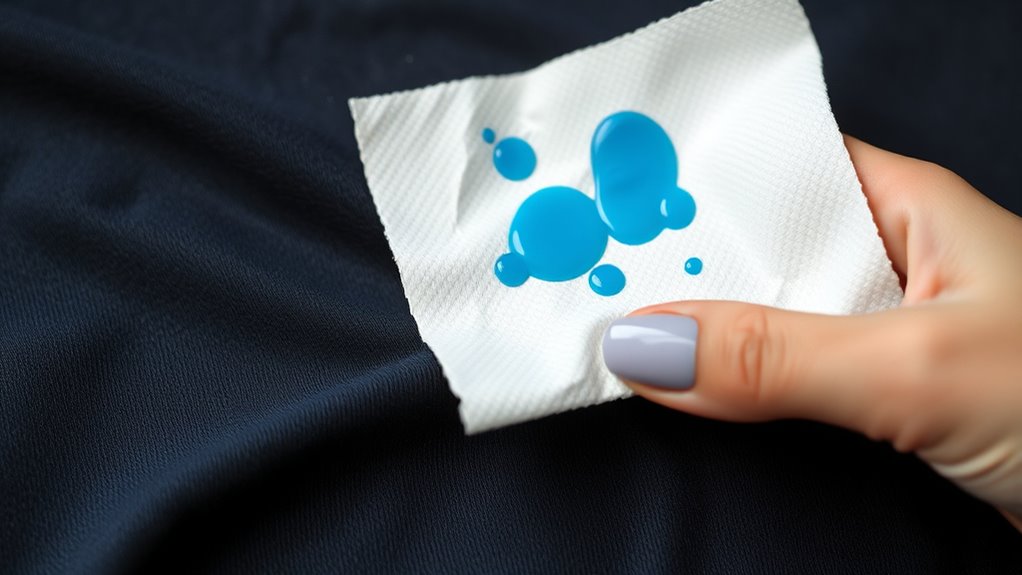
Grab a clean cloth and gently blot the excess gel ink without rubbing it into the fabric. Always dab from the outside of the stain toward the center to prevent spreading.
This careful approach helps lift the ink without making the stain worse. Just take your time and be gentle!
Use a Clean Cloth
While the ink is still fresh, use a clean cloth to gently blot the stain instead of rubbing it. This helps absorb the excess gel ink without spreading it further, minimizing damage to the fabric.
Choose a cloth that’s absorbent and free of dyes or patterns to avoid transferring color.
Keep these tips in mind when using a clean cloth:
- Use a plain white or light-colored cloth for better visibility of ink transfer.
- Dab gently, pressing the cloth onto the ink to soak it up.
- Replace or move to a clean section of the cloth frequently.
- Avoid using towels or textured fabrics that can catch ink fibers.
- Work from the outside edges of the stain toward the center to prevent spreading.
This careful approach really improves your chances of getting that gel ink out effectively. Give it a try!
Avoid Rubbing Stain
Since rubbing spreads the ink and embeds it deeper into the fabric, you should blot the stain gently instead. Use a clean, dry cloth or paper towel to press lightly on the gel ink spot, absorbing as much excess ink as possible without smearing it.
Avoid applying pressure that pushes the ink further into the fibers. If the cloth becomes saturated, switch to a fresh one immediately to prevent reapplying the ink.
Take your time with this step—it’s essential to remove excess gel ink carefully before moving on to any cleaning solutions. By blotting rather than rubbing, you minimize the risk of making the stain worse, setting the foundation for more effective stain removal in the following steps.
Dab From Outside
Before you start blotting the gel ink, always dab from the outside of the stain toward the center. This technique helps prevent the ink from spreading further on your fabric.
Gently blotting avoids pushing the ink deeper into the fibers, making removal easier. Use a clean cloth or paper towel to absorb excess ink without rubbing or smearing.
Remember to work patiently and carefully to protect your garment.
- Dab lightly to avoid spreading the stain.
- Work from the stain’s edge inward.
- Use a fresh cloth as needed to prevent re-depositing ink.
- Avoid pressing too hard to keep fibers intact.
- Repeat dabbing until no more ink transfers.
This method maximizes ink removal while minimizing damage to your clothes.
Apply Rubbing Alcohol or Hand Sanitizer
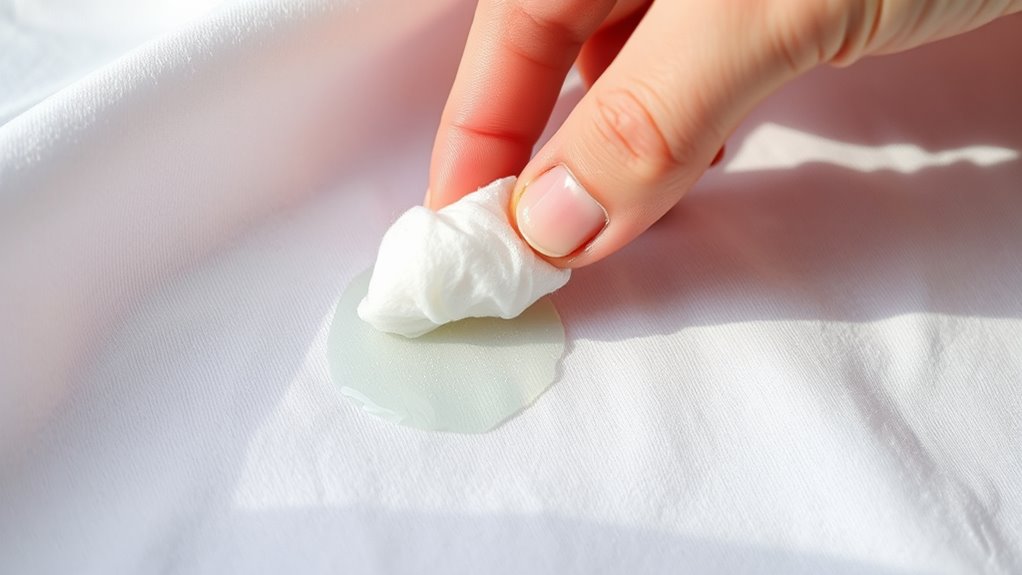
You’ll want to choose rubbing alcohol or hand sanitizer with at least 60% alcohol for the best results.
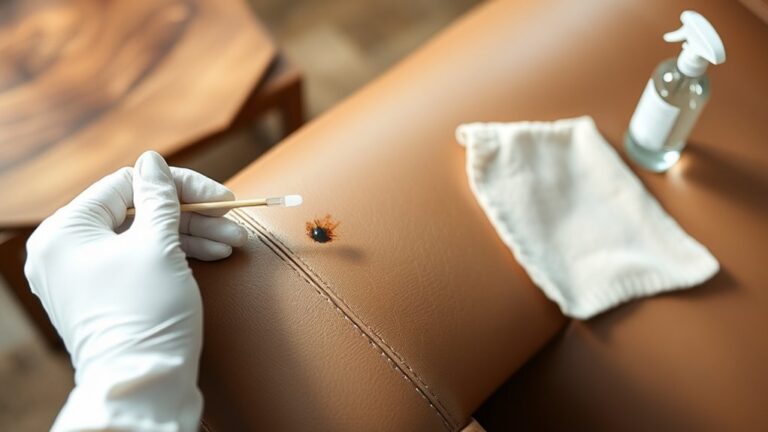
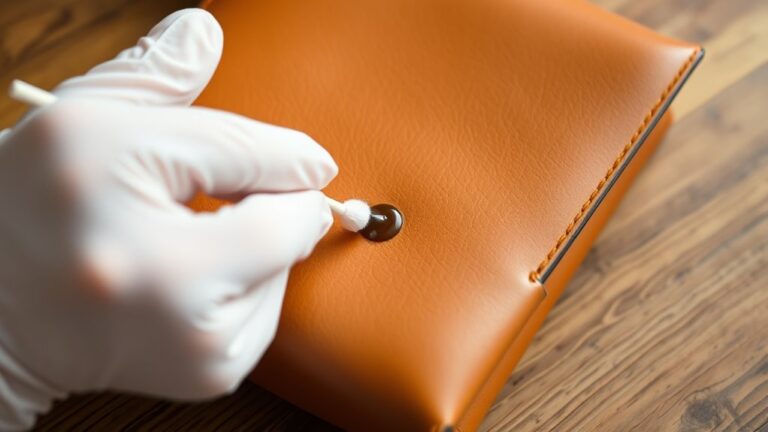
Apply it directly to the gel ink stain using a cotton ball or cloth, then gently blot to lift the ink.
Remember to test on a hidden area first and avoid rubbing too hard to prevent fabric damage.
Choosing the Right Product
How do you decide which product will best tackle gel ink stains on your clothes? Both rubbing alcohol and hand sanitizer can work well, but your choice depends on a few key factors.
Rubbing alcohol is a strong solvent that breaks down ink quickly, making it ideal for tougher stains. Hand sanitizer, containing alcohol, offers a gentler option with added moisture to prevent fabric damage. Consider these points before choosing:
- Fabric type: delicate fabrics might respond better to hand sanitizer.
- Ink severity: darker, older stains may need rubbing alcohol.
- Product availability: use what you have on hand.
- Skin sensitivity: hand sanitizer often contains soothing ingredients.
- Drying time: rubbing alcohol evaporates faster, reducing wait time.
Pick the product that suits your stain and fabric for the best results. It’s all about finding what works best for your situation!
Application Techniques
Once you’ve chosen between rubbing alcohol or hand sanitizer, applying it correctly can make all the difference in removing gel ink stains. Start by placing the stained fabric on a flat surface.
Dab a small amount of your chosen product onto a clean cloth or cotton ball. Gently blot the stain—don’t rub, as that can spread the ink. Let the solution sit for a few minutes to break down the ink.
Then, rinse with cold water before washing as usual.
| Step | Action |
|---|---|
| 1 | Lay fabric flat |
| 2 | Dab product on cloth |
| 3 | Blot stain gently |
| 4 | Wait 3-5 minutes |
| 5 | Rinse with cold water |
Stain Removal Tips
Although gel ink stains can be stubborn, applying rubbing alcohol or hand sanitizer effectively breaks down the ink’s pigments. When you treat the stain, dab the alcohol or sanitizer onto the affected area with a clean cloth or cotton ball.
Avoid rubbing harshly to prevent spreading the ink. Let it sit for a few minutes to dissolve the ink before blotting it away gently.
Keep these stain removal tips in mind: test the alcohol or sanitizer on a hidden fabric spot first to avoid damage. Work from the stain’s edges toward the center to stop spreading.
Also, use a white cloth to prevent color transfer, and rinse thoroughly with cold water after treatment. You might need to repeat the process before laundering normally.
Following these steps really increases your chance of fully removing gel ink stains. Give it a try!
Rinse With Cold Water
Why should you rinse gel ink stains with cold water right away? Cold water prevents the ink from settling deeper into the fabric fibers, making it easier to remove.
Warm or hot water can cause the ink to bond permanently, so act fast.
When rinsing, hold the stained area under a gentle cold water stream from the back to push the ink outward. Avoid scrubbing, which may spread the stain.
| Step | Action | Reason |
|---|---|---|
| 1 | Hold fabric backward | Pushes ink out, not in |
| 2 | Use cold water | Prevents setting |
| 3 | Rinse gently | Avoids spreading stain |
| 4 | Continue until clear | Ensures maximum ink removal |
| 5 | Pat dry after rinsing | Prepares for next cleaning step |
Treat With Liquid Detergent
Since gel ink can be stubborn, you’ll want to apply liquid detergent directly to the stain to break down the ink’s oils and pigments. Gently rub the detergent into the fabric with your fingers or a soft brush, making sure it gets deep into the fibers.
Let it sit for about 5 to 10 minutes, but don’t let it dry. This step helps loosen the ink, so it’s easier to remove.
Keep in mind: use a detergent with enzymes for better stain breakdown. Avoid harsh scrubbing to prevent fabric damage.
Also, test the detergent on a hidden area first. Work from the outside of the stain inward to stop it from spreading.
And if you’re dealing with delicate fabrics, go for a mild detergent.
This targeted treatment really boosts your chances of getting rid of that gel ink stain completely.
Launder and Air Dry
Before you toss your garment into the washing machine, double-check that the gel ink stain has been thoroughly treated to prevent it from setting permanently. Use the warmest water safe for the fabric and add your regular laundry detergent. Avoid hot water, which can set the stain.
Select a normal wash cycle to maximize stain removal without damaging the fabric. After washing, resist the urge to put your clothes in the dryer—heat can make the stain permanent.
Instead, air dry your garment by hanging it in a well-ventilated area. Once dry, inspect the stain. If any ink remains, repeat the treatment process before washing again.
Patience here pays off to keep your clothes looking clean and fresh without permanent marks.
Frequently Asked Questions
Can Gel Ink Stains Be Removed From Delicate Fabrics Like Silk?
Yes, you can remove gel ink stains from delicate fabrics like silk, but you need to be extra gentle. Use a mild detergent or rubbing alcohol carefully.
Always test on a hidden spot first to avoid damage. That way, you’ll know if the fabric can handle the treatment without any issues.
Is It Safe to Use Bleach on Gel Ink Stains?
You shouldn’t use bleach on gel ink stains, especially on delicate fabrics. Bleach can damage fibers and cause discoloration.
Instead, try gentle stain removers or spot test first to avoid ruining your clothes. It’s always better to be safe than sorry!
How Long Should I Wait Before Treating a Gel Ink Stain?
Think of the gel ink stain as fresh paint on a canvas—you shouldn’t wait too long. You should treat it as soon as possible, ideally within 24 hours, to prevent it from setting and becoming permanent.
The sooner you act, the better your chances of removing it completely. So, don’t let it sit there! Grab your cleaning supplies and start treating that stain right away.
Will Gel Ink Stains Come Out After Multiple Washes?
Gel ink stains usually won’t come out after multiple washes without treatment. You’ll need to act quickly and use proper stain removers before washing.
This helps prevent the ink from setting permanently in your clothes. So, don’t wait too long to treat the stain!
Can Gel Ink Stains Be Removed Using Home Remedies Like Vinegar?
Yes, you can use vinegar to treat gel ink stains at home. Apply vinegar directly, let it sit, then gently blot and wash.
It might not remove all ink but often lightens the stain effectively. So, it’s definitely worth a try if you’re dealing with stubborn ink marks!
Conclusion
Now that you know how to tackle gel ink stains step by step, remember acting quickly is essential—did you know 90% of ink stains can be removed if treated within the first hour? So don’t wait!
Blot, apply rubbing alcohol, rinse, and treat with detergent before laundering. Following these steps increases your chances of saving your clothes from permanent marks.
With a little care and the right gel ink stain removal techniques, you can keep your wardrobe looking fresh and ink-free. Quick action and proper treatment are key to getting gel ink out of clothes effectively. Keep these tips handy and say goodbye to stubborn ink stains for good!