
How Can You Get Ink Poisoning From Drawing on Yourself?
You can get ink poisoning from drawing on yourself because chemicals like solvents and heavy metals in ink can penetrate your skin, especially if you have cuts or irritated areas. These harmful substances can enter your bloodstream, leading to symptoms such as redness, swelling, or even dizziness and nausea.
It’s not just a one-time thing—repeated exposure or using inks with toxic additives raises your risk even more. So, if you’re into body art or just doodling on your skin, it’s important to know what to watch for and how to protect yourself.
Want to stay safe and learn how to respond if you notice any warning signs? Keep reading for helpful guidance that can keep you healthy while expressing your creativity.
Key Takeaways
- Ink chemicals like solvents and heavy metals can penetrate skin through cuts, abrasions, or even intact skin because of small molecules.
- Drawing repeatedly over the same area or on broken skin increases ink absorption and the risk of poisoning.
- Harmful additives and pigments in ink might cause allergic reactions or systemic toxicity when absorbed.
- Sensitive skin, wounds, or mucous membranes let ink enter more easily, which raises the chances of poisoning.
- Symptoms like redness, swelling, nausea, or dizziness could mean ink poisoning. If that happens, wash the area promptly and seek medical attention.
Common Chemicals Found in Ink
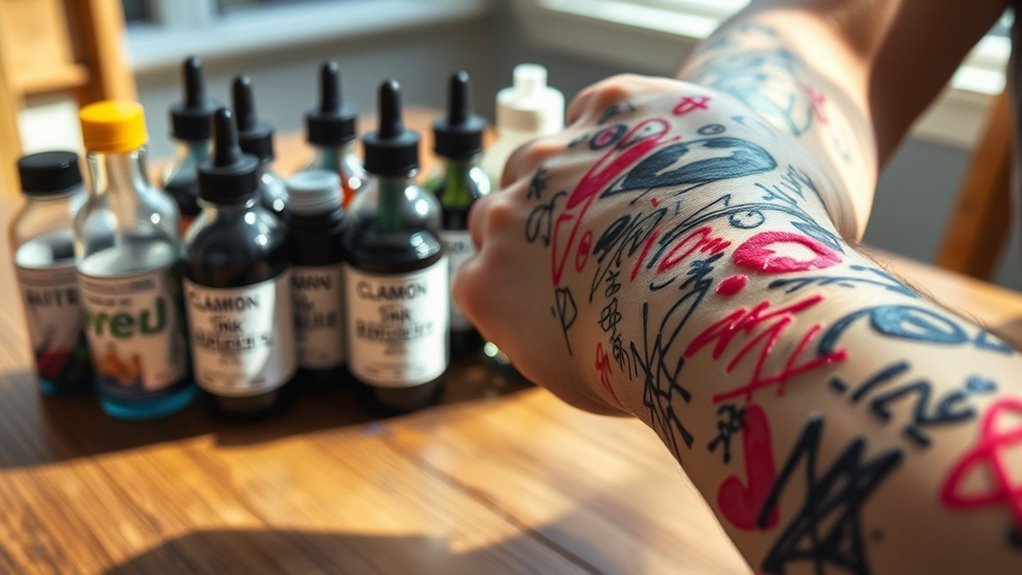
Although ink varies widely depending on its type and use, you should know that many inks contain chemicals like solvents, pigments, and preservatives that can be harmful if absorbed through your skin. For example, solvents such as alcohols or glycol ethers help keep the ink liquid but can irritate your skin.
Pigments provide color, and some contain heavy metals like lead or cobalt, which are toxic. Preservatives prevent bacterial growth but might cause allergic reactions.
Additionally, some inks have additives like plasticizers or resins that enhance durability but could trigger skin sensitivity. Knowing these common chemicals helps you understand why drawing on yourself with ink isn’t always safe.
How Ink Enters the Body Through the Skin
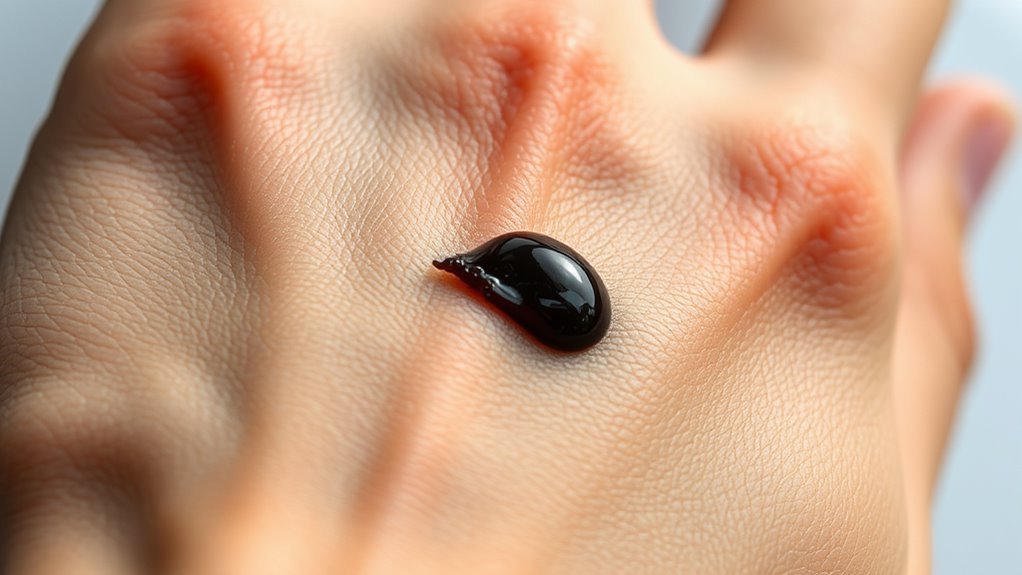
When you draw on your skin with ink, the chemicals don’t just stay on the surface—they can seep into your body through tiny breaks or even intact skin. Your skin acts as a barrier, but some ink components, especially solvents and small molecules, penetrate the outer layer.
Once inside, these chemicals can enter your bloodstream, potentially causing harm.
| Entry Pathway | Ink Component | Effect on Body |
|---|---|---|
| Microabrasions | Solvents | Skin irritation, absorption |
| Intact skin | Small molecules | Slow absorption |
| Hair follicles | Pigments | Localized uptake |
| Sweat glands | Chemical additives | Systemic exposure |
| Cuts or wounds | Heavy metals | Direct bloodstream entry |
Understanding these pathways helps you see why even drawing on seemingly healthy skin can be risky. So, it’s worth thinking twice before doodling on your skin!
Risk Factors That Increase Ink Poisoning

Knowing how ink gets into your body is just part of the picture. Several risk factors can increase your chances of ink poisoning when you draw on yourself.
If you have cuts, abrasions, or irritated skin, ink can enter more easily. Using large amounts of ink or repeatedly drawing over the same area also raises your risk.
Certain inks contain harmful chemicals or heavy metals, making exposure more dangerous. Additionally, if you have a weakened immune system or certain skin conditions, your body might struggle to handle the toxins.
Drawing on sensitive areas like open wounds or mucous membranes can further increase absorption. Being aware of these factors helps you avoid unnecessary harm and keeps you safer when creating your body art.
Symptoms of Ink Poisoning to Watch For
If you start to feel unusual symptoms after drawing on yourself, it’s important to recognize the signs of ink poisoning early. Watch for skin irritation like redness, swelling, or blistering around the inked area.
You might also notice a burning sensation or rash. More serious symptoms include nausea, dizziness, headache, or a metallic taste in your mouth.
Some people experience abdominal pain or vomiting. If the ink enters your bloodstream, you could develop fever, chills, or weakness.
In rare cases, difficulty breathing or rapid heartbeat occurs. Don’t ignore persistent or worsening symptoms, especially if they spread beyond the initial site.
Identifying these warning signs quickly helps you respond appropriately and avoid complications. Stay alert to any changes in how you feel after using ink on your skin.
Immediate Steps to Take After Ink Exposure
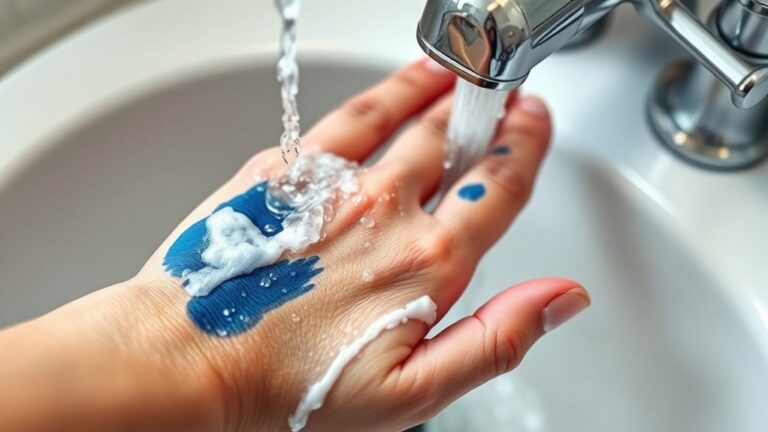
Although ink exposure might seem harmless at first, taking immediate action reduces your risk of irritation or poisoning. First, wash the affected area thoroughly with soap and lukewarm water to remove as much ink as possible. Avoid harsh scrubbing, which can damage your skin and increase absorption.
Quickly washing ink-exposed skin with soap and lukewarm water helps prevent irritation and poisoning.
If you notice any cuts or broken skin, gently clean those areas to prevent infection. After washing, dry your skin with a clean towel.
Keep an eye on the area for redness, swelling, or pain over the next few hours. And if you experience dizziness, nausea, or other symptoms, don’t wait—seek medical help promptly.
Avoid using solvents or alcohol to remove ink, as they can actually make irritation worse. Taking these steps quickly really helps minimize any harmful effects of ink exposure on your skin.
Safe Alternatives for Body Art and Drawing
If you want to express yourself with body art, it’s best to choose non-toxic inks designed for skin. You can try temporary body art ideas like henna or washable markers to avoid harmful chemicals.
Always use safe application techniques to protect your skin from irritation or poisoning. That way, you can enjoy your art without worrying about any nasty side effects.
Non-Toxic Ink Options
When you choose to draw on your skin, picking non-toxic inks can protect you from harmful chemicals and potential health risks. Look for inks labeled as “skin-safe” or “non-toxic,” often found in art stores or online.
These inks usually avoid heavy metals and harsh solvents that can irritate your skin or cause allergic reactions. Natural options, like henna or vegetable-based dyes, provide safer alternatives, but be sure they’re pure and free from additives.
Avoid permanent markers or standard printer inks, which contain substances not made for skin contact. Always test a small patch first to check for sensitivities.
Temporary Body Art Ideas
Choosing safe ink is just the start of creating temporary body art that looks great and feels good on your skin. You can explore body-safe markers designed for skin, which wash off easily and reduce risk of irritation.
Another option is henna, a natural dye that stains your skin temporarily without harmful chemicals. If you want more vibrant colors, consider body paints made specifically for cosmetic use—they’re formulated to be gentle and non-toxic.
Stencils can help you achieve clean, creative designs without freehand drawing, making the process fun and precise. Remember, avoid permanent markers or pens not intended for skin, as they can cause reactions.
Safe Application Techniques
Although using safe inks is essential, applying them correctly guarantees you avoid skin irritation and ink poisoning. First, always clean the area thoroughly with soap and water before drawing. This prevents bacteria from entering tiny skin breaks.
Use gloves if possible to keep your hands clean. Avoid using permanent markers or industrial inks on your skin—they contain harmful chemicals. Instead, opt for cosmetic-grade products or natural henna designed for skin use.
Apply ink gently; don’t press too hard or scratch, which can damage your skin and increase absorption risk. After drawing, let the ink dry completely and avoid covering it with tight clothing.
Finally, wash off the ink promptly with mild soap to prevent prolonged exposure. Following these steps protects your skin while letting you enjoy body art safely.
Frequently Asked Questions
Can Ink Poisoning Occur From Ink Pen Ink or Only Tattoo Ink?
You can get ink poisoning from both pen ink and tattoo ink, but it’s much rarer with pen ink since it’s not designed for skin.
Still, avoid ingesting or prolonged skin contact to stay safe. It’s always better to be cautious when it comes to any kind of ink.
How Long Does Ink Poisoning Take to Develop After Exposure?
Ink poisoning symptoms can show up within a few hours to a few days after exposure.
If you notice redness, swelling, or unusual symptoms, don’t wait—seek medical attention promptly to avoid complications.
It’s always better to be safe and get checked out if something feels off.
Can Children Be More Susceptible to Ink Poisoning Than Adults?
Like a sponge soaking up water, children absorb toxins more easily, so yes, you’re more susceptible to ink poisoning than adults. Their smaller bodies and developing systems make them especially vulnerable to harmful substances in ink.
Kids’ bodies just aren’t as good at handling these toxins yet. So, it’s super important to keep inks and other potentially harmful substances out of their reach.
Is It Safe to Use Ink on Minor Cuts or Wounds?
No, you shouldn’t use ink on minor cuts or wounds. Ink can cause irritation, infection, or even toxin absorption.
Instead, clean the area with water and use proper antiseptics to promote safe healing. This way, you can avoid complications and help your skin recover faster.
Does Washing Ink off Immediately Prevent Poisoning Entirely?
Think of ink as a shadow—washing it off quickly usually stops it from settling deep.
You can’t guarantee total safety, but cleaning ink immediately considerably lowers the chance of poisoning or skin irritation.
Stay cautious!
Conclusion
You might not realize it, but drawing on yourself with ink can lead to poisoning because some inks contain harmful chemicals like solvents and heavy metals.
Studies show that up to 20% of people who frequently get ink on their skin experience mild to moderate symptoms of toxicity.
To stay safe, avoid prolonged skin contact and opt for non-toxic, skin-safe alternatives.
If you notice any unusual symptoms, act quickly and seek medical advice to protect your health.
Remember, ink poisoning from drawing on yourself is a real risk. Choosing safer inks and limiting exposure can help you avoid harmful effects. So, always be cautious about what you put on your skin and prioritize your health when using ink for art or fun.