How to Do Remove Ink From Carpet Step by Step
To remove ink from carpet, the first step is to identify the type of ink and the carpet fiber you’re dealing with. This is important because it helps you choose the right cleaner that won’t damage your carpet. Ink stains can vary, so knowing whether it’s water-based or permanent ink will guide your approach.
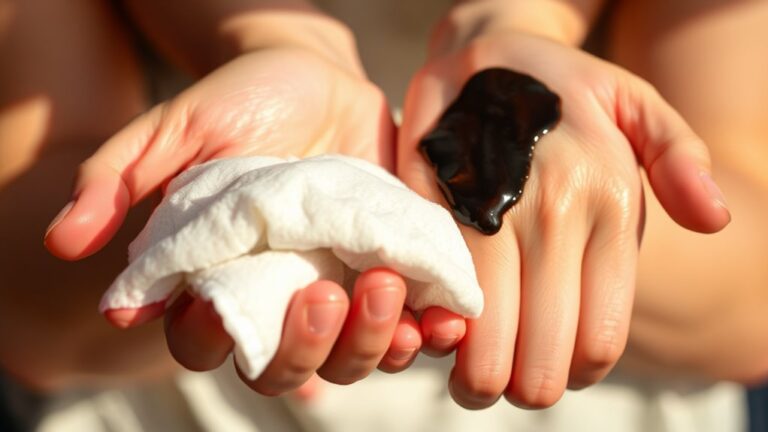
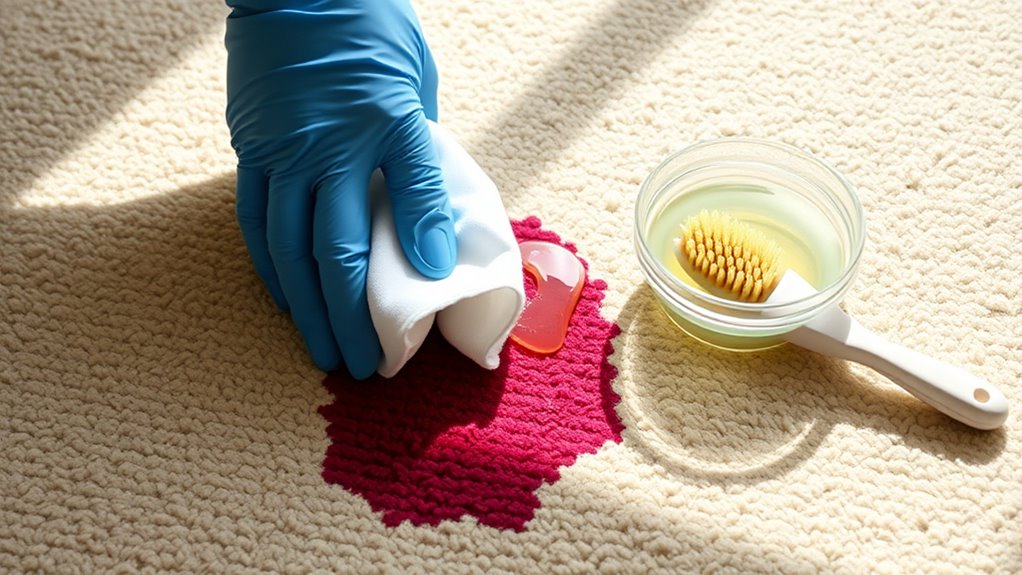
Start by blotting the stain immediately with a clean cloth. Remember, don’t rub it because rubbing can spread the ink and make the stain worse. Instead, gently dab to lift as much ink as possible.
Next, apply a suitable cleaning solution. For water-based ink, mild detergent works well. For permanent ink, rubbing alcohol is more effective. But before you dive in, test the cleaner on a hidden spot to make sure it doesn’t harm your carpet.
After treating the ink, rinse the area gently with cold water. Then, blot it dry with a clean cloth.
Keep following these steps carefully, and you’ll restore your carpet’s look and feel in no time.
Key Takeaways
- Identify the type of ink first—whether it’s water-based or oil-based. Also, check what kind of carpet fiber you have. This will help you pick the right stain removal method.
- Blot the ink stain right away with a clean white cloth. Try not to rub it, because that can make the stain spread or set deeper into the carpet.
- Next, apply a cleaning solution that you’ve tested and is suitable for both the ink type and your carpet. Start from the edges of the stain and blot gently.
- After that, rinse the area with cool water. Keep blotting the moisture to lift out any leftover ink without harming the carpet fibers.
- Finally, dry and fluff up the carpet fibers. You can use your fingers or a soft brush to bring back the carpet’s texture and appearance after cleaning.
Identify the Type of Ink and Carpet Material
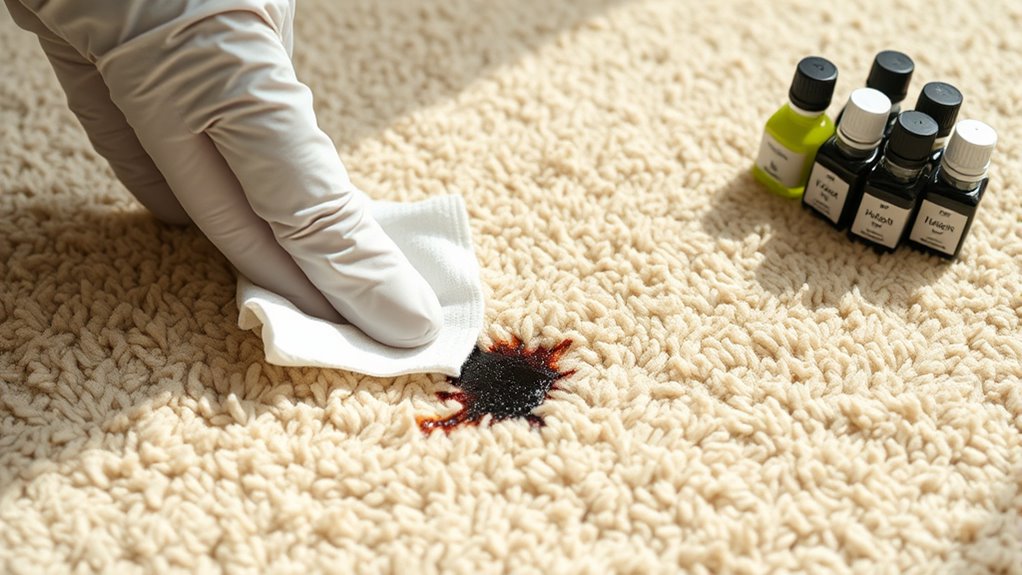
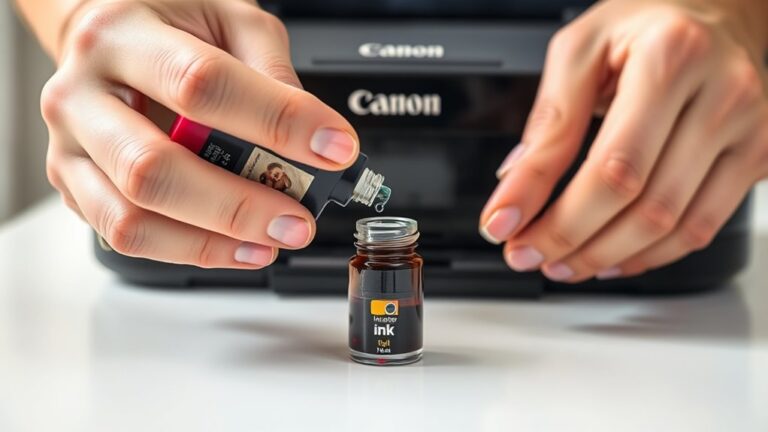
Before you start cleaning, how do you know which method will work best? First, identify the type of ink causing the stain. Is it water-based, like from a marker or pen, or oil-based, such as permanent marker or printer ink?
Water-based inks generally respond well to mild cleaning solutions, while oil-based inks require stronger solvents. Next, check your carpet material. Natural fibers like wool absorb stains differently than synthetic fibers like nylon or polyester.
Wool is delicate and might need gentler treatments, while synthetics can handle more aggressive cleaning. Knowing these details helps you choose the right approach without damaging your carpet.
Take a moment to test a small, hidden area with your chosen cleaner to ensure it won’t cause discoloration or damage before tackling the stain head-on.
Gather Necessary Cleaning Supplies
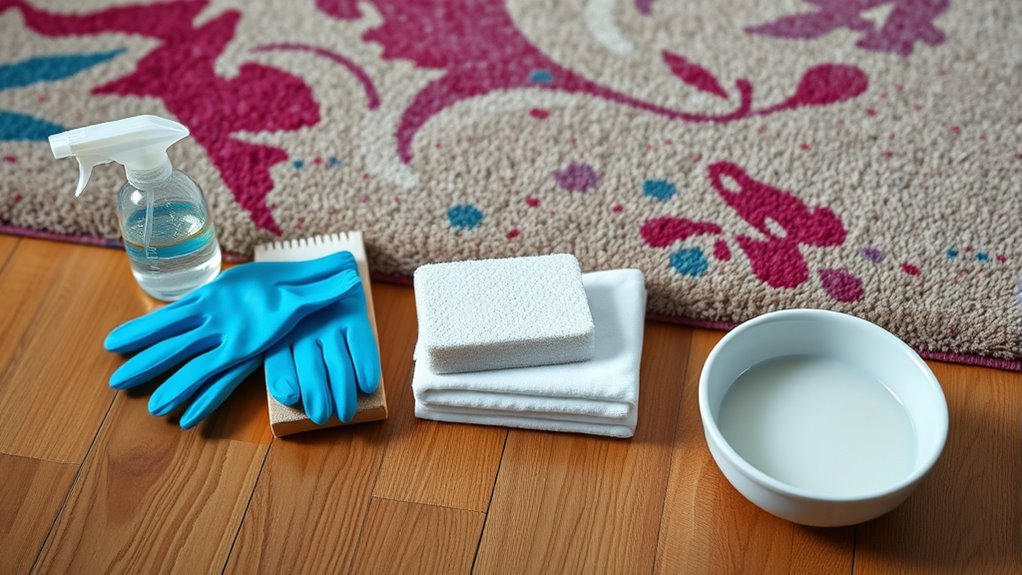
Once you’ve identified the type of ink and your carpet material, gather the cleaning supplies that match your needs. Start with clean white cloths or paper towels to avoid transferring colors.
Have a small bowl of cold water ready, as it helps dilute the ink. Use rubbing alcohol or a specialized ink remover for stubborn stains, but test it on a hidden carpet spot first to prevent damage.
Keep a soft-bristled brush or an old toothbrush handy to gently work the solution into the fibers if necessary. You might also want a mild dish soap to mix with water for gentler cleaning.
Finally, keep gloves on hand to protect your skin and a vacuum cleaner for final cleanup after the stain is removed. It’s all about being prepared so you can tackle that stain effectively!
Blot the Ink Stain Immediately
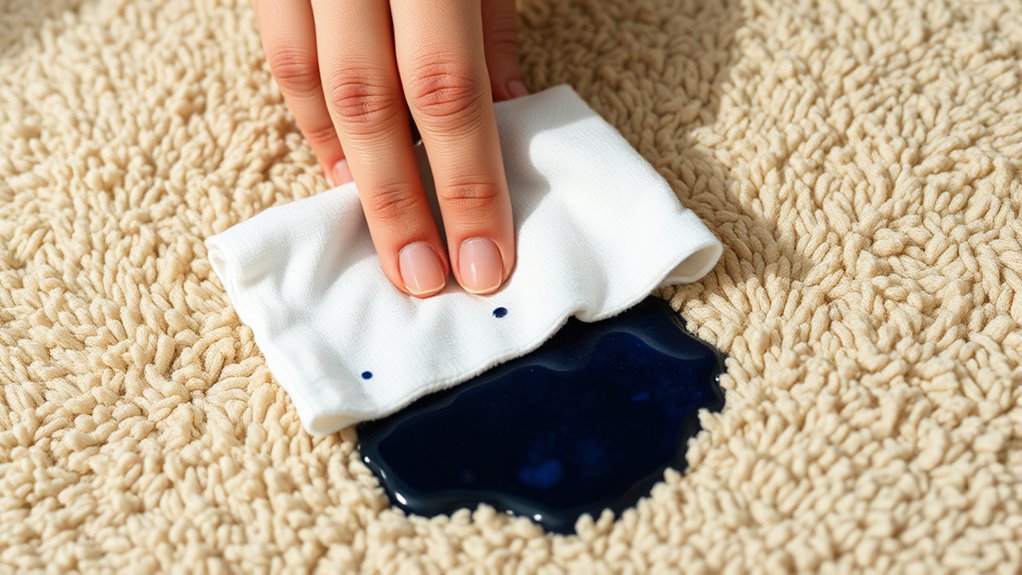
Since ink stains can set quickly, you’ll want to blot the area immediately to prevent the ink from spreading or soaking deeper into the carpet fibers. Grab a clean, white cloth or paper towel and gently press it onto the stain.
Don’t rub or scrub, as this can push the ink further into the fibers and enlarge the stain. Instead, apply light pressure and lift the cloth frequently, using fresh areas to absorb as much ink as possible. Keep blotting until no more ink transfers onto the cloth.
Acting fast and blotting carefully helps reduce the stain’s intensity and makes the subsequent cleaning steps more effective. Remember, patience and gentleness during this stage are key to avoiding additional damage.
Apply a Suitable Cleaning Solution
You’ll want to pick a cleaner that’s safe for your carpet type and effective against ink.
Before applying, test the solution on a hidden spot to avoid damage or discoloration.
When you’re ready, use gentle blotting or dabbing techniques to work the cleaner into the stain without spreading it.
Choosing the Right Cleaner
Although many cleaning products claim to remove ink stains, choosing the right cleaner depends on your carpet’s material and the type of ink.
For example, water-based inks respond well to mild detergents, while permanent inks often require stronger solvents like rubbing alcohol or specialized ink removers.
Always consider your carpet’s fiber to avoid damage.
| Ink Type | Recommended Cleaner |
|---|---|
| Water-based | Mild dish soap and water |
| Permanent | Rubbing alcohol or ink remover |
| Gel ink | Isopropyl alcohol |
Testing Solution on Carpet
Before applying any cleaning solution to your carpet, test it on a small, hidden area to guarantee it won’t cause discoloration or damage. Dab a tiny amount of the chosen cleaner onto the spot and wait about 5-10 minutes.
Check if the carpet’s color or texture changes. If you notice any fading, bleeding, or weakening of fibers, avoid using that product on the ink stain.
Testing helps you avoid costly mistakes and preserves your carpet’s appearance. If the test spot looks fine, you can confidently proceed with the cleaning solution on the ink stain.
Application Techniques Explained
Once you confirm the cleaning solution is safe for your carpet, it’s time to apply it carefully to the ink stain. Use a clean white cloth or cotton ball to avoid transferring any colors.
Gently dab the solution onto the stain—don’t rub, as that can spread the ink and damage fibers. Start from the outside edges, working toward the center to prevent the stain from expanding.
Let the solution sit for a few minutes to break down the ink. If the stain is stubborn, repeat the process in small increments, always blotting gently.
After treatment, rinse the area with a little water and blot dry to remove any residue. Patience and gentle application are key to preserving your carpet while removing the ink.
Rinse and Blot the Area
When you start rinsing the ink-stained area, use cool water to avoid setting the stain further. Gently pour a small amount of cool water onto the spot without soaking the carpet.
Then, follow these steps:
Follow these steps carefully to effectively lift ink stains without damaging your carpet fibers.
- Blot the area with a clean, white cloth or paper towel to absorb the diluted ink. Avoid rubbing, as it spreads the stain and damages fibers.
- Repeat rinsing and blotting until the ink lightens considerably. Change to fresh cloths as they become stained to prevent reapplying ink.
Dry and Restore Carpet Fibers
After rinsing, make sure you blot the carpet gently to soak up excess moisture without damaging the fibers.
Once dry, use your fingers or a soft brush to fluff the carpet and restore its original texture.
These simple steps help keep your carpet looking fresh and prevent matting.
Blotting Techniques
Although ink stains can be stubborn, mastering proper blotting techniques will help you effectively dry the area and restore your carpet fibers. You want to avoid rubbing, which can spread the stain and damage fibers.
Instead, follow these steps:
- Use a clean, white cloth or paper towel to gently press on the stain.
- Apply light pressure to soak up as much ink and moisture as possible.
- Replace the cloth frequently to prevent re-depositing ink onto the carpet.
- Allow the area to air dry completely before walking on it or applying any further treatments.
Fiber Fluffing Methods
Even if you’ve successfully removed the ink stain, your carpet fibers might still look flattened or damaged. To restore their original texture, start by gently fluffing the fibers with your fingers or a soft-bristled brush. Avoid using excessive force to prevent further wear.
For tougher areas, lightly spray a mist of water or a carpet fiber refresher, then use a clean cloth to lift and separate the fibers. Let the carpet air dry completely before walking on it. You can also use a vacuum with a brush attachment to further lift and restore the pile.
These fiber fluffing methods revive your carpet’s appearance, helping it look fresh and uniform again after ink removal. It’s a simple way to give your carpet a new life without much effort.
Frequently Asked Questions
Can Ink Stains Cause Permanent Damage to Carpets?
Yes, ink stains can cause permanent damage to your carpet if you don’t act quickly. Ink penetrates fibers deeply, making it tough to fully remove once it sets.
Is It Safe to Use Bleach on Carpet Ink Stains?
Using bleach on carpet ink stains isn’t safe; it’s like using a sledgehammer to crack a nut—it can ruin fibers and colors.
Instead, try gentler stain removers to protect your carpet’s look and texture.
You want to be careful with harsh chemicals because they can cause more damage than good.
How Long Do Ink Stains Take to Set in Carpet Fibers?
Ink stains can start setting in carpet fibers within minutes, but they typically become stubborn after about 24 hours.
You’ll want to act quickly to blot and treat the stain before it fully sets and becomes tough to remove.
Can Professional Carpet Cleaning Remove All Ink Stains?
You can’t always expect professional carpet cleaning to remove all ink stains completely, especially if they’ve set deeply.
However, they’ll considerably improve the appearance by using specialized treatments and equipment that you probably don’t have at home.
Are There Eco-Friendly Products for Removing Ink From Carpets?
Yes, you can find eco-friendly products that remove ink from carpets effectively. Look for natural, biodegradable cleaners with plant-based ingredients—they’re safer for your home and the environment.
Plus, they still tackle tough ink stains efficiently. It’s a great way to clean up without worrying about harsh chemicals.
Conclusion
Now that you know how to tackle ink stains step by step, don’t let a spill ruin your carpet’s look. By acting quickly and using the right cleaning solution, you can remove those stubborn marks effectively.
Remember, patience and gentle care go a long way in preserving your carpet’s fibers. So, why settle for a stained carpet when a little effort can make it look brand new again? You’ve got this!
Removing ink from carpet doesn’t have to be a headache. With the right approach and quick action, your carpet can be free of ink stains in no time. Keep these tips handy and maintain your carpet’s fresh appearance easily!