Simple Guide on What Takes Ink Off Skin
You can easily remove ink from your skin using common items that you probably already have at home. Ink stains can be stubborn, but with the right methods, getting ink off skin is pretty straightforward and hassle-free.
Whether it’s from a pen, marker, or printer ink, these simple tricks will help you clean up quickly and safely.
Try rubbing alcohol or hand sanitizer by dabbing gently, then rinse with warm water. Baking soda mixed with water makes a paste that scrubs off fresh stains effectively. Olive oil also works by breaking down ink oils—just rub it on and wipe away.
Avoid harsh scrubbing and always moisturize afterward. If you want to learn more detailed tips and precautions, keep exploring these simple methods.
Key Takeaways
- Apply hand sanitizer or liquid soap, rub gently, then rinse with warm water to remove ink from skin. It’s simple and usually works pretty well.
- Use rubbing alcohol on a cotton ball to dab and break down ink oils, then wash off with soap and water. Just be careful if you have sensitive skin!
- Gently rub olive oil or coconut oil on ink stains to dissolve ink. After that, wipe or rinse it away and don’t forget to moisturize your skin afterward.
- Make a baking soda and water paste, apply to the stain, rub gently, and rinse thoroughly to lift fresh ink. This one’s great if the ink is still wet.
- Dab milk on the ink stain with a cotton ball, let it sit briefly, then rinse off to help remove ink residue. It might sound odd, but it really can do the trick!
Common Household Items to Remove Ink
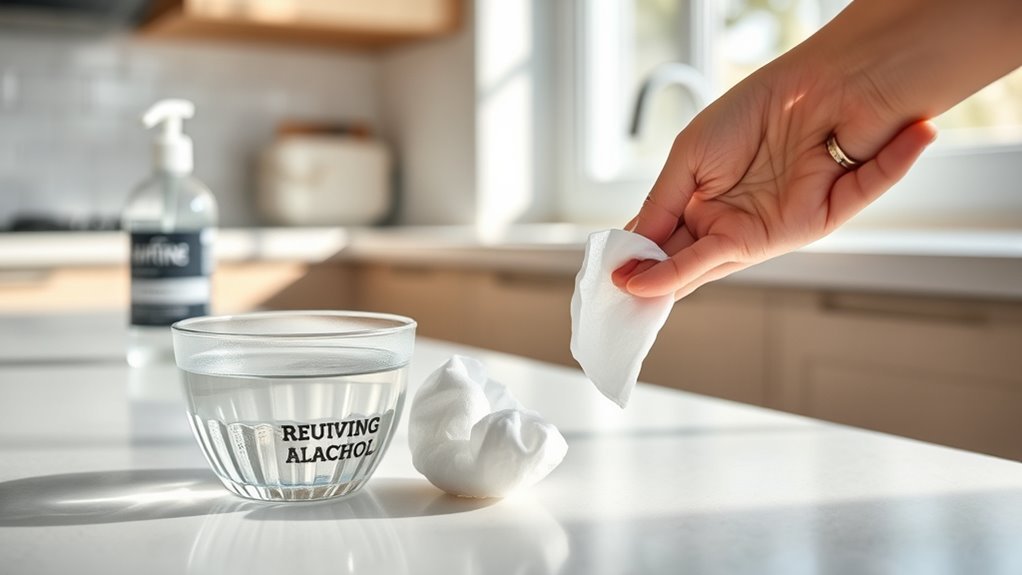
Although ink stains can seem stubborn, you can often remove them using common household items you already have. Start by applying a bit of hand sanitizer or liquid soap to the inked area. Rub it gently with your fingers or a soft cloth, then rinse with warm water.
If that doesn’t work, try using a small amount of olive oil or coconut oil. Oils break down the ink, making it easier to wipe away. Another effective option is milk—soak a cotton ball in milk and dab the stain for a few minutes before rinsing.
Baking soda mixed with water into a paste also helps lift ink stains. Just apply the paste, rub gently, and wash off. These simple items can save your skin from stubborn ink without harsh chemicals.
Using Rubbing Alcohol for Ink Stains
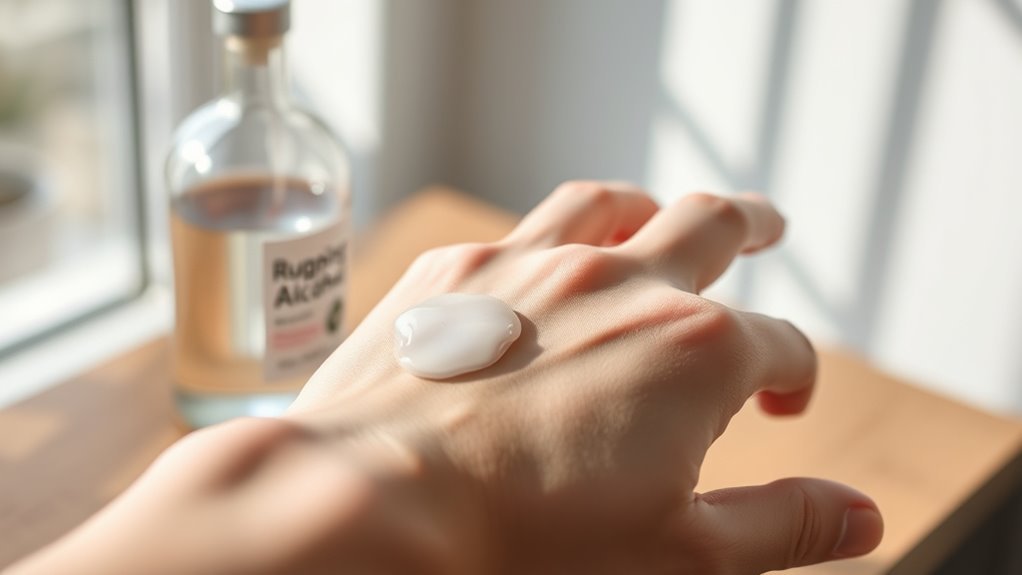
When ink stains won’t budge with household items, you can turn to rubbing alcohol as a reliable solution. Grab a cotton ball or a soft cloth, soak it lightly with rubbing alcohol, and gently dab the ink-stained area.
If household tricks fail, gently dab ink stains with rubbing alcohol using a cotton ball or soft cloth.
The alcohol breaks down the ink’s oils, helping lift the stain from your skin. Just be sure not to rub harshly, as this can irritate your skin.
After a few dabs, you should see the ink begin to fade. Once the stain loosens, rinse your skin with warm water and mild soap to remove any leftover alcohol and ink residue.
Pat your skin dry and apply moisturizer if needed, since alcohol can dry out your skin. Using rubbing alcohol is quick, effective, and a great option when other methods fail.
How to Remove Ink With Hand Sanitizer
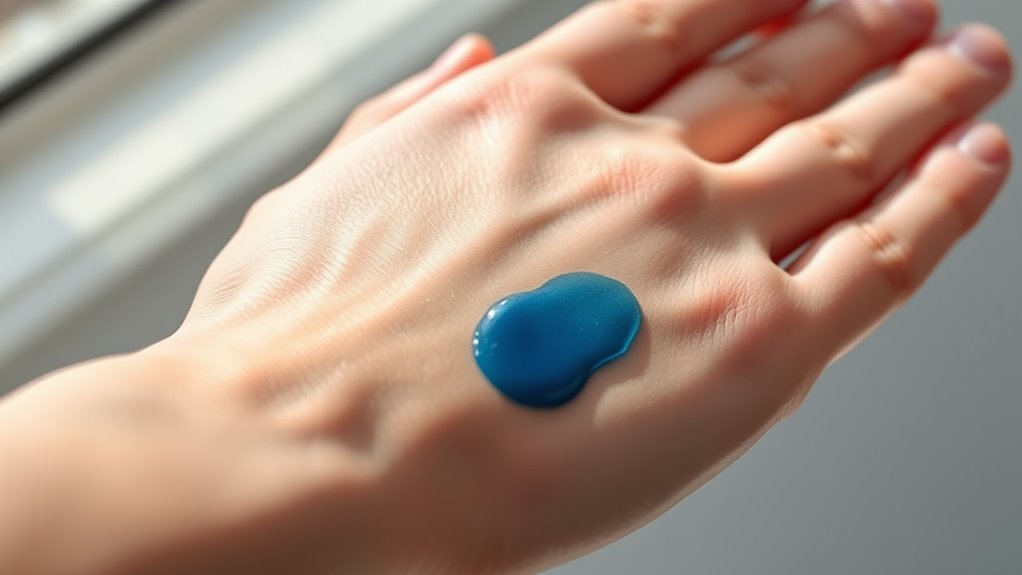
If rubbing alcohol isn’t handy, hand sanitizer can serve as a convenient alternative for removing ink from your skin. Its alcohol content helps break down ink particles, making it easier to wipe away.
Just apply a small amount of hand sanitizer on the stained area and rub gently with your fingers or a cloth. After a minute, rinse with warm water and dry your skin.
| Step | Tip |
|---|---|
| Apply | Use enough sanitizer to cover the ink stain |
| Rub gently | Avoid harsh scrubbing to prevent skin irritation |
| Rinse & Dry | Use warm water and pat dry gently |
Remember to moisturize afterward, as hand sanitizer can dry out your skin. If the stain is stubborn, don’t worry — just repeat the process as needed.
Effective Use of Baking Soda and Water
Since baking soda has gentle abrasive properties and natural oils that can lift ink, you can use it combined with water to effectively remove ink stains from your skin. Start by mixing equal parts baking soda and water to form a thick paste.
Apply the paste directly onto the ink-stained area. Gently rub the paste in circular motions with your fingers for about a minute, allowing the baking soda to break down the ink.
Afterward, rinse your skin thoroughly with warm water and pat dry. If the stain persists, you can repeat the process once more, but try not to scrub too hard to avoid irritation.
This method is safe, inexpensive, and works well on fresh or slightly dried ink. It’s a handy solution for quick skin cleanup!
Tips for Removing Ink With Olive Oil
Although ink can be stubborn, you can easily break it down using olive oil’s natural moisturizing properties. Start by pouring a small amount of olive oil onto a cotton ball or soft cloth. Gently rub the oily cloth over the ink-stained skin in circular motions.
The oil helps dissolve the ink while preventing your skin from drying out. After a few minutes of rubbing, wipe away the loosened ink with a clean tissue or rinse with warm water. If the stain persists, just repeat the process until the ink fades.
Remember to moisturize your skin afterward to keep it soft and hydrated. Olive oil offers a gentle, effective way to remove ink without harsh chemicals, making it perfect for sensitive skin. It’s a simple trick that works wonders!
Precautions When Removing Ink From Skin
When removing ink from your skin, you should always take care to avoid harsh scrubbing or using strong chemicals that can irritate or damage your skin. Instead, opt for gentle methods and test any product on a small skin patch first.
Also, avoid sensitive areas like near your eyes or open wounds. Keep your skin moisturized afterward to prevent dryness.
| Precaution | Why It Matters | Tip |
|---|---|---|
| Avoid harsh scrubbing | Prevents skin irritation | Use soft cloth or cotton |
| Test products first | Avoid allergic reactions | Apply on a small patch |
| Stay away from eyes | Protect sensitive skin areas | Use gentle, non-toxic ink removers |
Frequently Asked Questions
Can Ink Removal Cause Skin Allergies?
Yes, ink removal can cause skin allergies, especially if you have sensitive skin or use harsh chemicals.
It’s a good idea to test a small area first. Avoid products that contain strong irritants to help prevent redness, itching, or a rash.
Is It Safe to Remove Ink From Children’s Skin?
Yes, you can safely remove ink from children’s skin by using gentle methods like mild soap and water or baby oil.
Avoid harsh chemicals, and always test a small area first to prevent irritation or allergies.
It’s better to be cautious, right? That way, you keep their skin safe and clean without any worries.
How Long Does Ink Typically Stay on Skin Without Removal?
Don’t worry, ink usually won’t linger forever—it typically stays on your skin for a few days without removal.
Your body’s natural oils and regular washing will gradually fade it away, even if you don’t scrub hard.
Can Tattoo Ink Be Removed Using These Methods?
No, you can’t remove tattoo ink with typical methods like soap or rubbing alcohol. Tattoo ink is injected deep into your skin, so only professional laser treatments can effectively break it down and remove the ink.
These everyday products just don’t have the power to reach that deep layer of skin where the ink sits. So, if you’re thinking about getting a tattoo removed, it’s best to consult a professional who can offer the right treatment.
Are There Any Professional Treatments for Stubborn Ink Stains?
Yes, you can try professional treatments like laser removal or chemical peels for stubborn ink stains. These methods target ink deeply and effectively.
But, you should definitely consult a dermatologist first. They can help you figure out which option suits your skin best.
Conclusion
Now that you’ve got the scoop on removing ink from your skin, don’t let those stubborn stains stick around like unwanted guests. Whether you reach for rubbing alcohol, hand sanitizer, or even olive oil, remember to be gentle and patient.
With a little care, you’ll wipe away ink like a breeze on a sunny day. Keep these tips handy, and ink mishaps won’t stand a chance against your quick action!
Removing ink from skin can be quick and effective when you know the right methods. Using household items like hand sanitizer or rubbing alcohol helps break down the ink without harsh scrubbing. Olive oil is another gentle option that nourishes your skin while loosening ink stains.
So, whenever you find ink on your hands or arms, don’t stress. Just follow these simple steps for ink removal, and your skin will be clean again in no time!