How Do You Tell If Tattoo Ink Does Expire?
You can tell tattoo ink has expired if its color changes, fades, or looks cloudy or separated.
It might thicken, clump, or develop an off smell. These signs mean the ink’s quality and safety are compromised, risking poor tattoo results and skin irritation.
Proper storage helps extend ink life, but once you notice these changes, it’s time to replace it.
Keep exploring to understand how to store, handle, and dispose of tattoo ink safely.
Key Takeaways
- Tattoo ink expiration is indicated by color fading, unusual tinting, or separation into layers within the bottle.
- A thick, clumpy, grainy, or watery texture upon shaking signals ink degradation.
- If you notice any unusual or foul odors, that’s a sign of contamination or ink spoilage.
- Checking the manufacturer expiration dates or recommended usage periods can also help you figure out if the ink is still fresh.
- Keep in mind, improper storage like temperature fluctuations or UV exposure can speed up ink deterioration.
- So, storing your ink properly really makes a difference in how long it lasts.
Understanding the Composition of Tattoo Ink
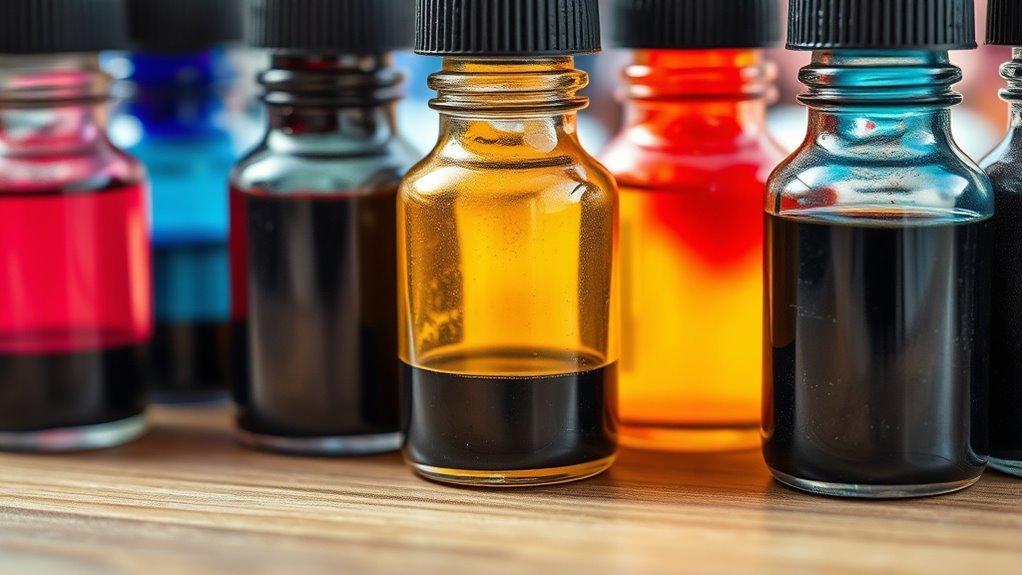
Although tattoo ink might seem simple, its composition is actually quite complex. You’ll find it’s made up of pigments suspended in a carrier solution. The pigments provide color, while the carrier keeps the mixture evenly blended and helps it flow smoothly during application.
Common carriers include water, alcohol, or glycerin, each affecting the ink’s consistency and drying time. The pigment particles vary in size and chemical makeup, influencing how the color appears and how long it lasts.
Because of this complexity, the ink’s quality depends heavily on both the pigment and carrier used. When you understand these components, you can better appreciate why tattoo ink needs proper storage and care to maintain its effectiveness and safety.
Common Signs That Tattoo Ink Has Expired

You’ll notice expired tattoo ink often changes color, looking duller or separating into layers. The texture might feel thicker, clumpy, or watery compared to fresh ink.
Paying attention to these signs helps you avoid using ink that could affect your tattoo’s quality. It’s always better to be safe than sorry when it comes to your skin!
Color Changes
When tattoo ink starts to expire, one of the most noticeable signs is a change in its color. You might see the ink darken, fade, or develop an unusual tint that wasn’t there before.
For example, black ink can turn brownish, and bright colors may become dull or muted. These shifts happen because the pigments break down or react with air and contaminants over time.
If you notice your tattoo ink no longer looks vibrant or consistent, it’s a clear indication it’s past its prime. Using discolored ink risks poor tattoo results and potential skin irritation.
Always inspect your ink’s color before use to verify it matches the original shade. This way, you’ll help achieve the best, safest outcome for your art.
Texture and Consistency
Changes in color aren’t the only signs that tattoo ink has expired; texture and consistency also reveal a lot about its condition.
When you open a fresh bottle, the ink should flow smoothly and feel uniform. If you notice it’s become thick, clumpy, or grainy, that’s a red flag.
Ink that’s separated into layers or looks watery means the ingredients are breaking down. Using ink with uneven texture can affect your tattoo’s quality and may even cause skin irritation.
Always give the bottle a gentle shake before use, but if the ink doesn’t return to its original consistency, it’s best to toss it.
Trust your senses—if the texture feels off, don’t risk your art or health by using expired ink.
The Impact of Expired Ink on Tattoo Quality and Safety
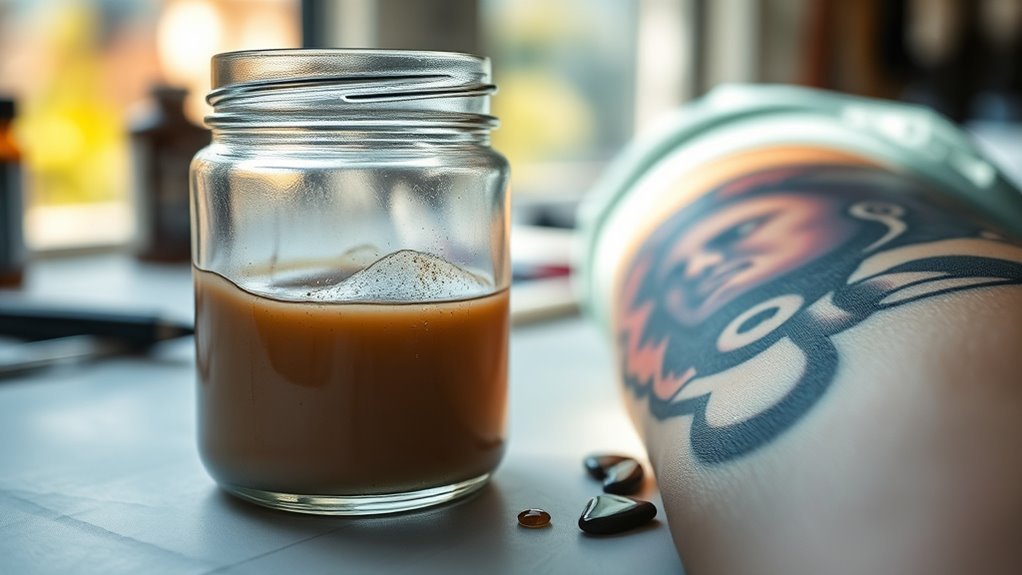
Although tattoo ink might seem stable, using expired ink can seriously affect both the quality of your tattoo and your skin’s health. When ink is past its prime, its pigments may break down or separate, leading to dull, uneven colors and poor healing.
You might notice fading or blotchy spots that won’t look right after your tattoo heals. More importantly, expired ink can harbor bacteria or contaminants that increase the risk of infection or allergic reactions.
Your skin could become irritated, inflamed, or develop rashes, complicating the healing process. To avoid these issues, always check the ink’s expiration date and inspect its appearance before use.
Protect your tattoo’s appearance and your well-being by steering clear of ink that’s no longer fresh. It’s definitely worth the extra caution!
Proper Storage Practices to Extend Ink Shelf Life
You can keep your tattoo ink fresh longer by storing it at the right temperature, usually between 60-75°F. Always keep the ink away from direct sunlight to prevent chemical breakdown.
Plus, make sure the container is sealed tightly to avoid contamination and drying out. Taking these simple steps really helps maintain the ink’s quality over time.
Ideal Temperature Range
Where should you store tattoo ink to keep it fresh the longest? The key is maintaining a consistent, cool temperature—ideally between 59°F and 77°F (15°C to 25°C). Temperatures outside this range can degrade the pigments and alter the ink’s chemical composition, reducing its quality and safety.
Avoid places that experience temperature fluctuations, like near heaters or air conditioners. Instead, keep your ink in a stable environment, such as a dedicated drawer or cabinet in a climate-controlled room.
Avoiding Direct Sunlight
Keeping tattoo ink at the right temperature helps preserve its quality, but protecting it from direct sunlight plays an equally important role.
When ink is exposed to UV rays, its pigments can break down and fade. This compromises the color intensity and consistency.
You want to keep your ink in a dark place or use opaque containers that block sunlight to maintain its original quality. Even short bursts of sunlight can affect the ink, so avoid storing it near windows or in brightly lit areas.
By minimizing light exposure, you slow down chemical changes that cause the ink to deteriorate. This extends its shelf life.
Sealed Container Importance
Although proper temperature and light control are essential, storing tattoo ink in a sealed container plays an equally important role in preserving its quality. When you keep the ink sealed, you prevent exposure to air, which can introduce contaminants and cause the ink to dry out or thicken.
Oxygen can also trigger chemical changes that degrade pigments, altering color consistency. Always confirm the lid is tightly closed after use, and avoid leaving containers open longer than necessary.
Using airtight, opaque containers further protects the ink from moisture and light exposure. By maintaining a sealed environment, you extend the ink’s shelf life and keep it safe for future use.
This way, you ensure your tattoos remain vibrant and safe for your clients. It’s a simple step that really makes a difference!
How to Dispose of Expired Tattoo Ink Safely
When you realize your tattoo ink has expired, you should never pour it down the drain or throw it in the trash. Tattoo ink contains pigments and chemicals that can harm the environment and water supply.
Instead, check if your local waste disposal facility accepts hazardous liquids or chemical waste. Many communities have special drop-off sites or collection days for such materials.
Look for local hazardous waste drop-off sites or special collection days to dispose of tattoo ink safely.
Before disposal, keep the ink in its original sealed container to prevent leaks. If no hazardous waste program is available, contact your tattoo supply store or manufacturer for guidance—they often have recommended disposal methods.
Handling expired ink responsibly protects you, others, and the environment from potential contamination and health risks. Always prioritize safe disposal to maintain a clean and safe workspace.
When to Replace Your Tattoo Ink Supplies
Properly disposing of expired tattoo ink is just one part of maintaining your supplies. You should replace your tattoo ink whenever you notice changes in texture, color, or smell, as these indicate the ink has degraded.
If the ink separates or thickens, it’s time to toss it. Also, check the expiration date on the bottle and don’t use ink past that point, even if it looks fine.
Avoid using inks stored improperly, such as those exposed to extreme temperatures or sunlight. Regularly assess your entire ink collection to prevent contamination and guarantee ideal tattoo quality.
Replacing ink on time protects your clients and keeps your work safe, vibrant, and professional. Don’t take risks—fresh ink equals better results.
Frequently Asked Questions
Can Expired Tattoo Ink Cause Allergic Reactions?
Yes, expired tattoo ink can cause allergic reactions because its chemical composition may change over time.
You should avoid using old ink to prevent irritation, swelling, or unexpected skin reactions during your tattoo process. It’s better to be safe and use fresh ink to keep your skin healthy.
Is Expired Tattoo Ink More Painful When Applied?
Pain shouldn’t spike simply because ink’s old; however, expired tattoo ink can cause irritation or infection, making the process feel worse.
You’ll want fresh ink to avoid unnecessary discomfort and guarantee a smooth, safer tattoo experience.
How Does Expired Ink Affect Different Skin Types?
Expired ink can irritate sensitive skin more, causing redness or swelling. If you have oily or dry skin, the ink might not settle well, leading to uneven fading or patchiness.
Always test before use. It’s better to be safe, especially if you know your skin tends to react easily.
Are Natural or Organic Inks More Prone to Expiration?
Yes, natural or organic inks tend to expire faster because they lack synthetic preservatives. You should check them regularly for color changes or separation.
And always store them properly to extend their shelf life. It’s a bit of extra care, but it really helps keep the ink usable for longer.
Can Expired Ink Be Used for Practice Tattoos?
Sure, you can use expired ink for practice tattoos—if you’re aiming for unpredictable colors and potential skin irritation.
But really, it’s better to stick with fresh ink to hone your skills safely and effectively.
Conclusion
So, if your tattoo ink starts smelling like a science experiment gone wrong or looks more like a sad puddle than vibrant pigment, it’s time to toss it. Using expired ink isn’t just a gamble with your art—it’s a gamble with your skin.
Keep your supplies fresh and store them like a treasure, not a forgotten science project. Don’t be that artist still using ink older than your favorite playlist.
When it comes to tattoo ink expiration, freshness matters. Expired tattoo ink can lead to dull colors, potential skin irritation, or even infections. Always check for changes in smell, consistency, or color before use. Staying vigilant about your tattoo ink’s quality protects both your artwork and your clients’ health. So remember, fresh tattoo ink is key to vibrant, safe tattoos that last.