

Does a Security Tag Have Ink Inside?
Security tags don’t always have ink inside, but some do—these are called ink tags. If you try to forcibly remove one, it breaks a small vial inside, spilling permanent ink that stains both the item and you. This makes stolen goods unsellable and helps deter theft.
Other tags use electronic sensors or magnetic mechanisms without ink. These designs rely on alarms or detection rather than ink damage. The idea is to make tampering risky and discourage shoplifting.
Curious about different types of security tags and how they protect stores? There’s plenty more to explore when it comes to these clever anti-theft devices!
Key Takeaways
- Some security tags contain ink reservoirs that release permanent dye if forcibly removed. Not all security tags have ink; many use electronic or magnetic components instead.
- Ink tags stain stolen items and the thief, acting as a strong theft deterrent. The ink is only released when the tag is tampered with, not during normal handling.
- Security tags vary in type; ink tags serve a different role than electronic article surveillance tags. So, not every tag you see has ink inside, but those that do are pretty effective at stopping theft.
How Security Tags Are Designed
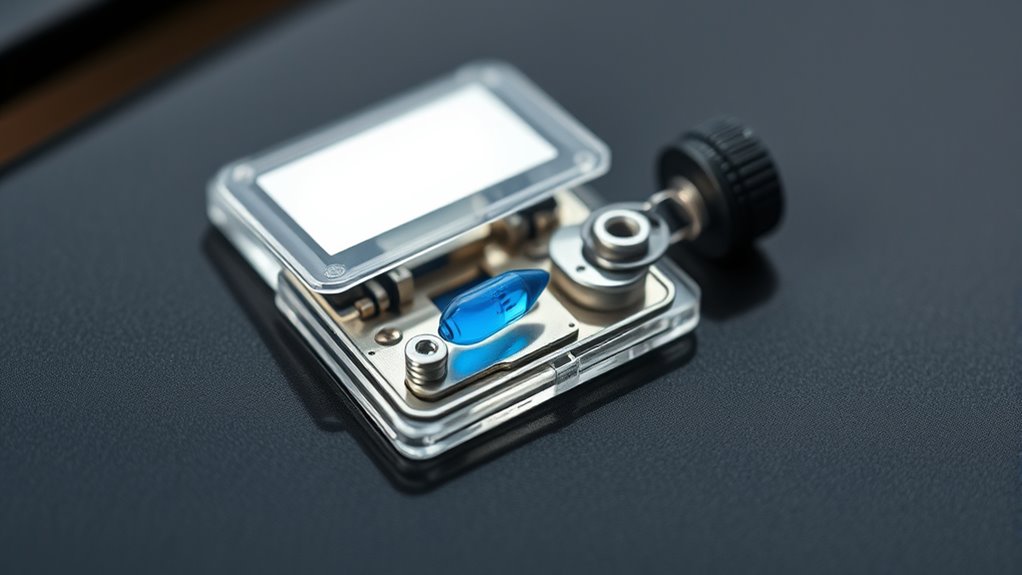
Although security tags may seem simple, their design involves careful consideration of durability, detection, and tamper resistance. When you look at a tag, it’s built to withstand rough handling without breaking or losing function.
You’ll notice materials chosen to resist wear and environmental factors. Inside, the tag often contains components that interact with detection systems at store exits.
The design ensures these components remain functional yet hidden, so you can’t easily disable them. Tamper resistance is key; the tag’s structure discourages removal attempts without special tools.
Every element, from the casing to the locking mechanism, works together to protect merchandise and alert staff. The goal is seamless security you might not even notice until it’s triggered.
Types of Security Tags Commonly Used
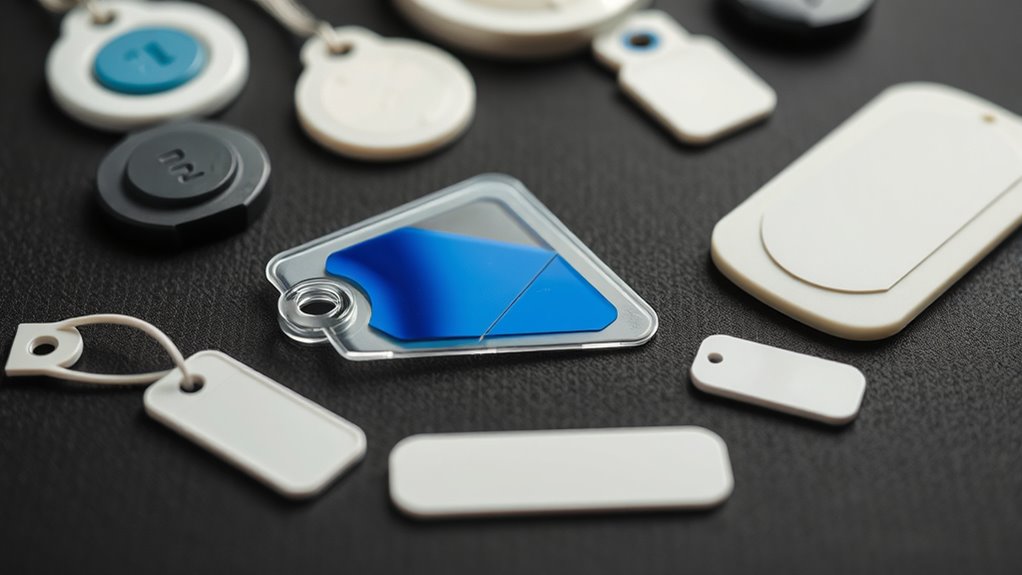
When you shop, you’ll encounter various types of security tags designed to protect merchandise effectively. The most common ones include ink tags, which contain a colored ink reservoir that spills if someone tries to forcibly remove the tag.
Then there are hard tags, typically made of plastic, which attach to clothing and require a special tool to remove at checkout. You’ll also see cable tags, often used for bulkier items, that secure products with a thin, strong wire.
Additionally, some stores use magnetic tags that deactivate at the register to prevent alarms from sounding. Each type serves a specific purpose, balancing theft deterrence with ease of removal during legitimate purchases.
This way, retailers can protect their inventory without inconveniencing customers. It’s a smart system that keeps both sides happy!
Ink Tags Versus Electronic Article Surveillance Tags
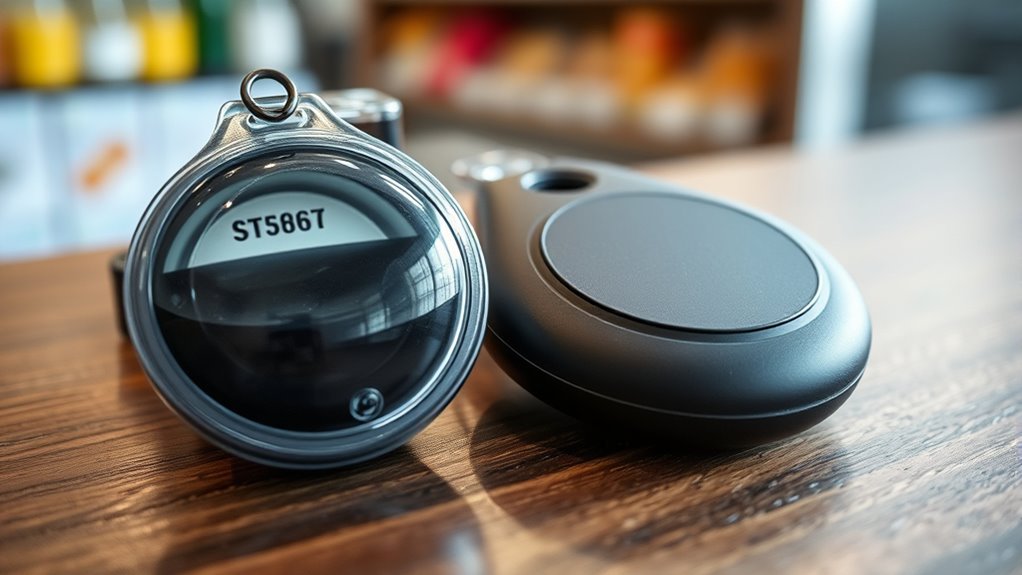
While ink tags rely on a visible deterrent by releasing permanent dye if tampered with, electronic article surveillance (EAS) tags use electronic sensors to trigger alarms at store exits. You’ll notice ink tags discourage theft by ruining stolen items, while EAS tags focus on alerting staff when someone tries to leave without paying.
Both have unique benefits depending on your security needs.
| Feature | Ink Tag |
|---|---|
| Mechanism | Releases permanent dye if tampered |
| Purpose | Visible deterrent and item marking |
| Alarm Activation | None; relies on dye release |
| Feature | EAS Tag |
| Mechanism | Electronic sensor triggers alarm |
| Purpose | Alert staff to unauthorized removal |
| Alarm Activation | Audible alarm at store exits |
What Happens When an Ink Tag Is Tampered With
Ink tags protect merchandise by releasing a permanent dye that marks both the item and the person attempting to remove it without authorization. When you try to tamper with an ink tag, the small ink vial inside bursts, instantly spilling bright, indelible ink.
This ink stains the product, rendering it unsellable, and also marks your hands or clothing. It makes it clear you interfered with the tag.
The dye is designed to be extremely difficult to remove, so once it spills, the damage is permanent. Retailers rely on this mechanism to deter theft because the risk of ruining the item and getting caught outweighs the potential gain.
Myths About Ink Inside Security Tags
You might think every security tag contains ink, but that’s not always true. Some tags rely solely on electronic sensors without any ink inside.
Let’s clear up these common misconceptions about what’s really inside your security tags. It’s not all about ink; there’s more going on beneath the surface.
Ink Presence Clarified
Although many believe security tags always contain ink, that’s not the case. Not all security tags are designed with an ink component. Some tags use other deterrents like alarms or electronic sensors instead.
When ink is present, it usually serves as a last-resort measure to discourage theft by permanently marking stolen items. You should know that these ink-filled tags are carefully engineered to release ink only if forcibly removed. This prevents accidental messes during normal handling.
Common Tag Misconceptions
When it comes to security tags, many people assume that all of them contain ink designed to mark stolen items. That’s not true.
Here are three common misconceptions you should know:
- All security tags have ink cartridges: Actually, many tags use magnetic or electronic systems without any ink inside.
- Ink always stains thieves: Ink tags only release ink if forcibly removed, which isn’t common for all tags.
- Ink tags are the best theft deterrent: Some stores prefer RFID or hard tags for better security and convenience.
Understanding these myths helps you recognize that security tags vary widely. Not every tag will squirt ink, and many rely on technology rather than messy deterrents.
The Role of Security Tags in Retail Loss Prevention
You’ll find various types of security tags designed to deter theft, with ink tags standing out for their unique functionality. When someone tries to remove an ink tag without authorization, it releases ink that stains the item and discourages theft.
Understanding how these tags work helps you see why they’re a vital tool in retail loss prevention. They’re not just a simple barrier but a smart way to protect merchandise and reduce shrinkage.
Types of Security Tags
How do different types of security tags help you protect your merchandise? Each type offers unique features that deter theft and alert you to suspicious activity.
You’ll find these common types useful:
- Hard Tags: These attach firmly to clothing and require a special tool to remove, making them tough for shoplifters to bypass.
- Soft Tags: Usually adhesive labels, these are great for electronics or packaged goods. They disappear after purchase with a scanner.
- RFID Tags: These use radio frequency to track items in real time. This helps you monitor inventory and detect theft efficiently.
Ink Tag Functionality
Why do ink tags play such a critical role in retail loss prevention? They deter theft by releasing permanent ink if tampered with, ruining stolen merchandise.
You can’t just remove these tags without a proper detacher, making them a strong deterrent.
Here’s how ink tags work:
| Feature | Function |
|---|---|
| Ink Reservoir | Holds permanent ink |
| Tamper Detection | Triggers ink release on unauthorized removal |
| Attachment Mechanism | Secures tag to merchandise |
| Visual Deterrent | Visible warning to potential thieves |
| Removal Tool Required | Only authorized staff can remove safely |
Preventing Retail Theft
Although retail theft can be challenging to prevent, security tags give you an effective tool to safeguard your merchandise. These tags act as a strong deterrent, making shoplifters think twice before attempting to steal.
When someone tries to remove or tamper with a tag, the ink inside spills, marking the item and the thief. This makes stolen goods less appealing.
You can rely on security tags to:
- Visibly discourage theft by signaling active protection.
- Ensure quick detection at exits with alarm triggers.
- Reduce losses by marking stolen items permanently.
Frequently Asked Questions
Can Security Tags Damage Clothing if Removed Improperly?
Yes, if you remove a security tag improperly, it can damage your clothing by tearing the fabric or causing ink stains to leak.
Always have a professional remove it to avoid ruining your clothes.
Are Security Tags Recyclable or Environmentally Friendly?
Imagine tossing a plastic bottle into recycling—security tags aren’t quite that simple.
You won’t find them recyclable or eco-friendly since they mix plastic, metal, and ink. This combination makes proper disposal tricky and often landfill-bound.
How Do Stores Deactivate Electronic Security Tags at Checkout?
At checkout, you’ll see cashiers use a deactivation pad or detacher to disable electronic security tags.
They either magnetically unfasten or electronically deactivate the tag, letting you leave the store without triggering alarms.
What Should Customers Do if a Security Tag Is Left on a Purchased Item?
If a security tag’s left on your item, don’t try removing it yourself.
Bring it back to the store with your receipt, and they’ll safely take it off.
Trying to remove it could damage your purchase or cause injury.
Are Security Tags Used in Industries Outside Retail?
Security tags are like silent guardians, and yes, you’ll find them beyond retail—in libraries, electronics, and warehouses.
They help you prevent theft and protect valuable items across various industries efficiently.
Conclusion
Next time you spot a security tag on clothing, picture a tiny, hidden ink capsule ready to burst like a secret paintball if someone tries to steal it. These tags aren’t just plastic—they’re clever guardians that protect stores from losses.
Whether it’s ink tags or electronic ones, their role is clear: to keep merchandise safe and honest shoppers worry-free. So, you’re not just seeing a tag—you’re witnessing a silent, colorful defender in action.
In essence, security tags often do have ink inside, especially those designed to deter theft by releasing ink if tampered with. This ink serves as a strong visual deterrent and helps retailers reduce shrinkage. So, the next time you wonder, “Does a security tag have ink inside?” remember, it’s all about keeping your shopping experience secure and fair.