
How to Remove Ink From Your Skin Quickly
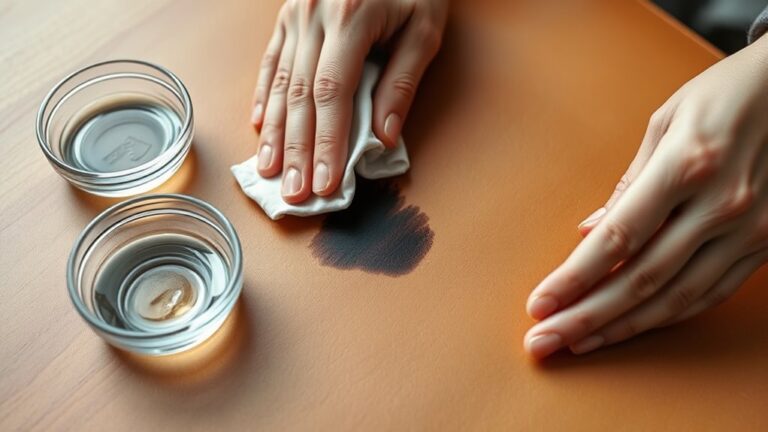
If you want to remove ink from your skin quickly, start by washing the area with warm water and soap to break down fresh ink. This simple step helps to loosen the ink before it sets in.
For stubborn stains, gently rub rubbing alcohol or hand sanitizer on the spot to lift the ink. These household items work well because they break down the ink’s pigments effectively.
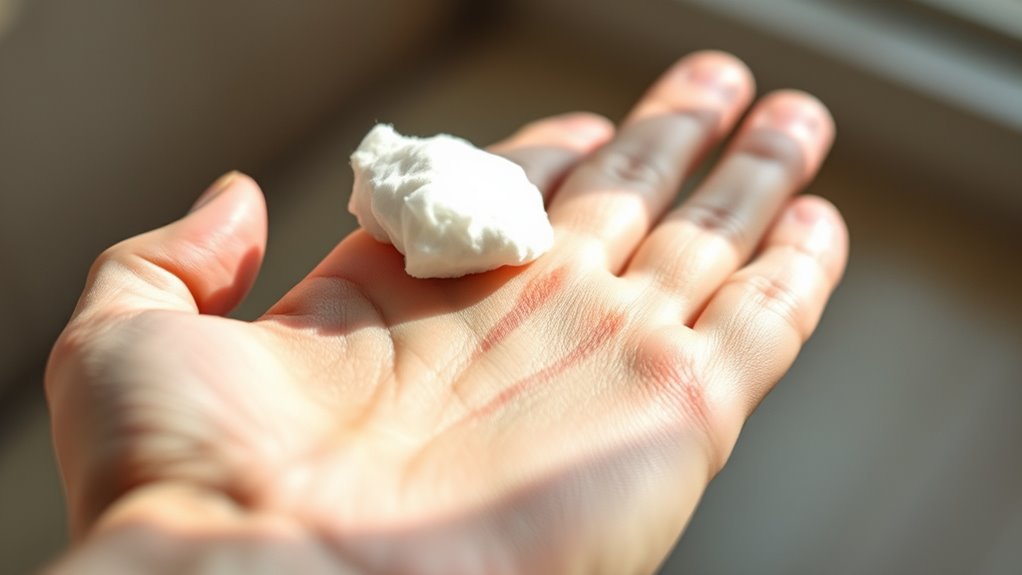
You can also try applying coconut or olive oil to loosen the stain. Follow that by using a baking soda paste for tougher ink marks.
Acting fast and knowing these tricks will help you get cleaner skin in no time.
Plus, there’s more to learn about caring for your skin afterward to keep it healthy and smooth.
Key Takeaways
- Identify the ink type and act quickly to prevent deep staining on the skin.
- Wash the ink-stained skin with warm water and liquid soap, rubbing gently in circular motions.
If that doesn’t fully do the trick, try using rubbing alcohol or hand sanitizer on a cotton ball. Rub the stubborn or dried ink for about 30 seconds to help lift it away.
- Apply coconut or olive oil to loosen the ink, then wipe it away.
- For tougher stains, you can use a baking soda paste.
Always make sure to rinse thoroughly afterward, and don’t forget to moisturize your skin. This helps prevent dryness and irritation.
Understanding Different Types of Ink Stains
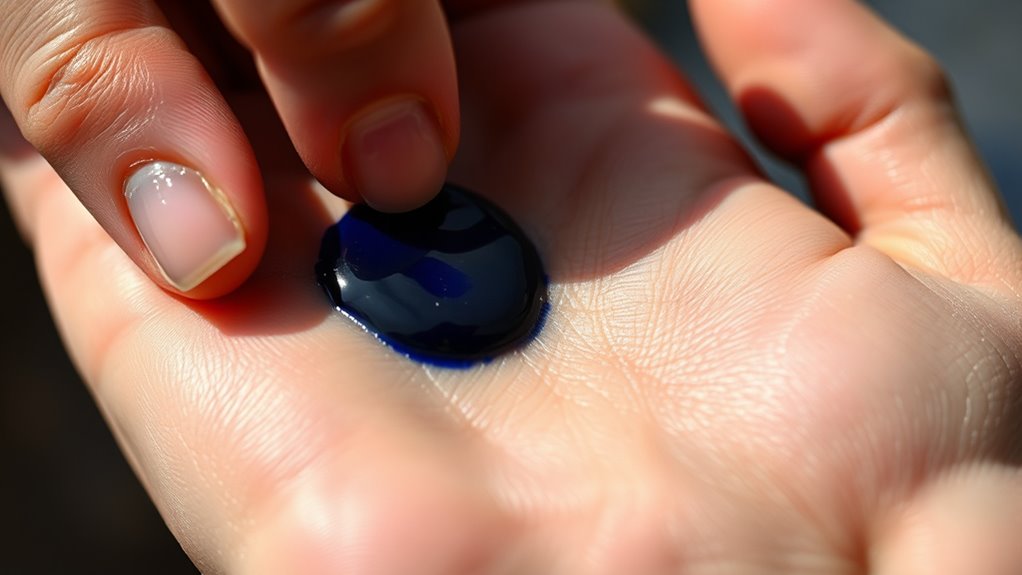
How do you tackle ink stains if you don’t know what type you’re dealing with? First, identify the ink source: ballpoint, gel, fountain, or permanent marker.
To remove ink stains effectively, start by identifying the ink type: ballpoint, gel, fountain, or permanent marker.
Ballpoint ink is oil-based and usually easier to remove, while gel ink is water-based and might require gentler methods. Fountain pen ink often contains dyes that can stain deeply, so prompt action helps.
Permanent marker ink is designed to resist fading and can be tough to eliminate. Knowing the ink type guides your approach, preventing damage to your skin.
Before trying anything, consider if the stain is fresh or dried, as fresh ink responds better to quick cleaning. Understanding these differences sets you up for success when removing ink from your skin swiftly and safely.
Using Soap and Warm Water for Fresh Ink
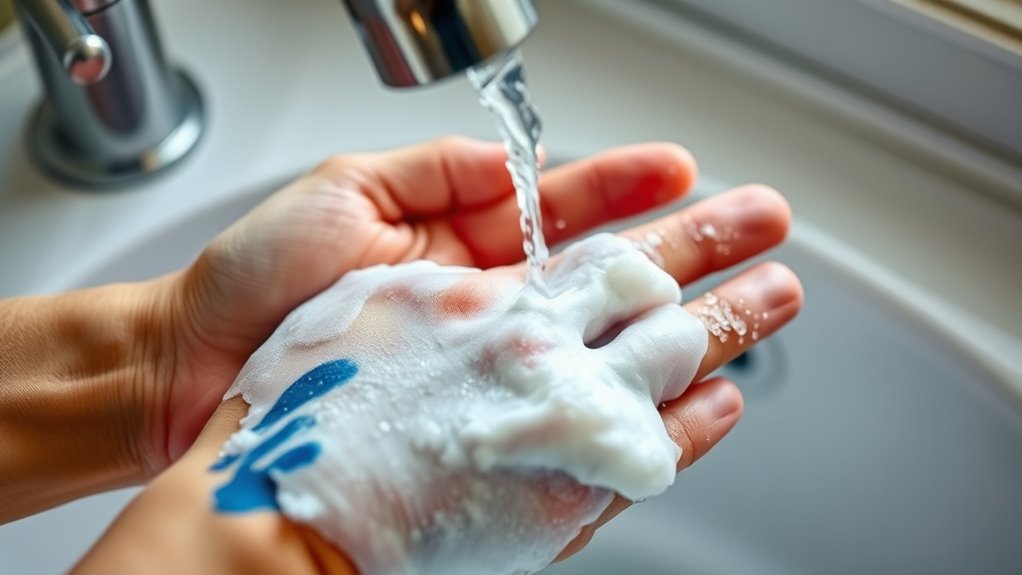
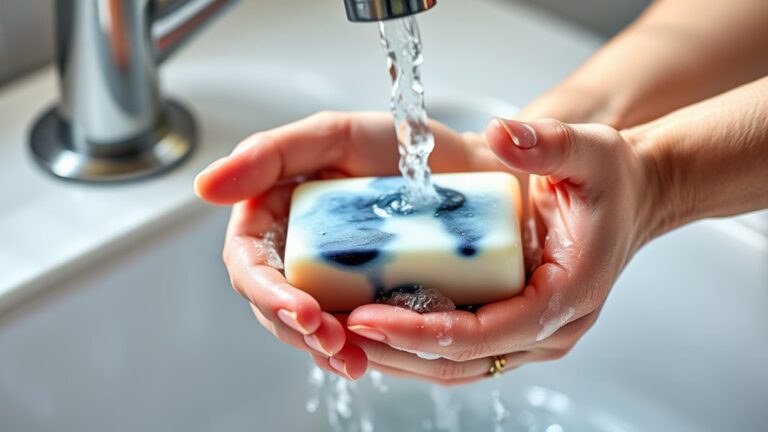
Once you’ve identified the type of ink and confirmed the stain is fresh, the simplest way to start cleaning is with soap and warm water. Wet the stained area with warm water to loosen the ink.
Apply a generous amount of liquid soap or hand wash directly onto the ink. Gently rub the skin using your fingers or a soft cloth in circular motions, allowing the soap to break down the ink particles.
Rinse with warm water and check if the stain is fading. Repeat this process a few times if necessary, but avoid scrubbing too hard to prevent skin irritation.
Soap and warm water work best on fresh ink because they help dissolve the ink before it sets into the skin. If the stain persists, consider other methods.
Removing Ink With Rubbing Alcohol or Hand Sanitizer
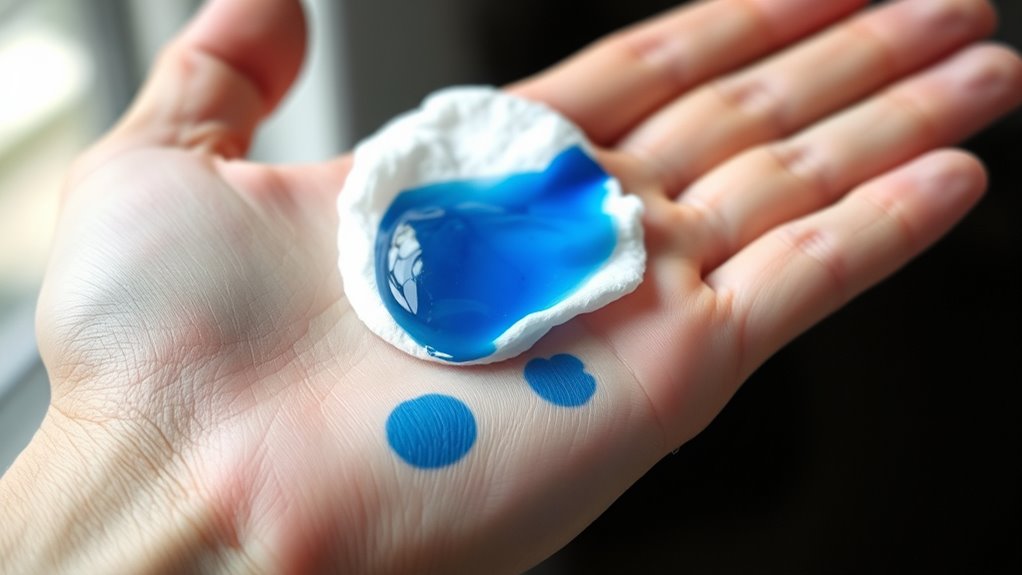
Although soap and water work well for fresh ink, rubbing alcohol or hand sanitizer can tackle more stubborn stains.
To start, pour a small amount of rubbing alcohol or hand sanitizer onto a cotton ball or directly onto the ink-stained area. Gently rub the spot in circular motions for about 30 seconds. You’ll notice the ink beginning to lift.
Avoid scrubbing too hard to prevent skin irritation. Once the ink starts to fade, rinse your skin with lukewarm water and soap to remove any leftover alcohol or sanitizer.
Pat dry with a clean towel. Remember, test a small skin area first to check for any sensitivity, especially if you have sensitive skin. This method works quickly and effectively for most types of ink.
Applying Coconut Oil or Olive Oil for Gentle Removal
If you prefer a gentler approach, applying coconut oil or olive oil can effectively break down ink without harsh chemicals. These oils moisturize your skin while loosening ink stains, making removal easier.
Simply rub a small amount on the inked area, let it sit for a minute, then wipe away with a soft cloth. Repeat if necessary. Here’s a quick comparison to help you choose:
| Feature | Coconut Oil |
|---|---|
| Texture | Thick, solid at room temp |
| Scent | Mild, sweet |
| Skin Benefits | Antibacterial, moisturizing |
| Application Ease | May need warming to liquefy |
| Availability | Widely available |
| Feature | Olive Oil |
| Texture | Liquid, smooth |
| Scent | Earthy, mild |
| Skin Benefits | Rich in antioxidants |
| Application Ease | Easy to apply |
| Availability | Common household item |
Using Baking Soda and Water Paste
When gentle oils like coconut or olive oil don’t fully remove ink, you can turn to a simple homemade solution using baking soda and water. Mix equal parts baking soda and water to form a thick paste.
Apply this paste directly onto the ink-stained skin and gently rub it in circular motions. The mild abrasiveness of baking soda helps lift ink without harsh chemicals.
After rubbing for about a minute, rinse the area with warm water. If needed, repeat the process once more, but avoid over-scrubbing to prevent skin irritation.
This method works well for stubborn ink and is safe for most skin types. Just remember to moisturize afterward to keep your skin hydrated and smooth.
Tips to Prevent Ink Stains From Setting on Skin
To stop ink stains from setting on your skin, act quickly by blotting the area with a clean cloth or paper towel to absorb excess ink before it dries. Avoid rubbing, which can spread the stain or push ink deeper into your skin.
Wash the area promptly with soap and warm water. Use gentle scrubbing motions to lift ink without irritating your skin. Applying a small amount of rubbing alcohol or hand sanitizer can help break down stubborn ink.
Always moisturize afterward to prevent dryness. It keeps your skin feeling soft and helps it recover after cleaning.
| Tip | Why It Helps |
|---|---|
| Blot immediately | Absorbs excess ink |
| Avoid rubbing | Prevents spreading or deeper stains |
| Wash with soap and water | Removes surface ink |
| Use rubbing alcohol gently | Breaks down tough ink |
| Moisturize after cleaning | Protects and soothes skin |
Frequently Asked Questions
Can Ink Stains Cause Allergic Reactions on Sensitive Skin?
Yes, ink stains can cause allergic reactions if you have sensitive skin. You might experience redness, itching, or irritation.
If this happens, wash the area gently and avoid harsh chemicals to prevent worsening the reaction.
It’s always a good idea to keep an eye on how your skin reacts and maybe test a small spot first if you’re unsure. Taking care of your skin gently can make a big difference!
Is It Safe to Use Nail Polish Remover on Skin Ink Stains?
You shouldn’t use nail polish remover on your skin because it contains harsh chemicals that can cause irritation or allergic reactions.
Instead, try gentle options like soap, olive oil, or rubbing alcohol for safer ink removal.
How Long Does Ink Typically Stay on Skin Without Treatment?
Ink typically stays on your skin for several days without treatment, depending on the type and your skin’s oils.
Are There Any Medical Treatments for Stubborn Ink Stains?
Yes, you can consult a dermatologist who might use medical-grade solvents or laser treatments for stubborn ink stains.
Just don’t try harsh chemicals yourself; professionals know how to safely remove ink without damaging your skin.
Can Ink Transfer From Skin to Clothing After Removal?
Yes, ink can transfer from your skin to clothing after removal, especially if it’s still wet or not fully cleaned.
Make sure to wash your hands thoroughly and let the skin dry before touching fabrics. That way, you’ll avoid any unexpected stains on your clothes.
Conclusion
Don’t let ink stains turn your skin into a permanent masterpiece! With these quick tricks, you’ll zap that stubborn ink faster than a superhero in a cape.
Whether it’s soap, rubbing alcohol, or even coconut oil, you’ve got the power to erase those marks like a magic wand.
So go ahead, get messy—because no ink stain stands a chance against your speedy, stain-fighting skills! Removing ink from your skin quickly doesn’t have to be a hassle. Using everyday items like soap and rubbing alcohol can make the process simple and effective. Even natural options like coconut oil can help break down ink without harsh chemicals. Keep these tips in mind, and you’ll be able to remove ink stains fast, leaving your skin clean and fresh in no time!