

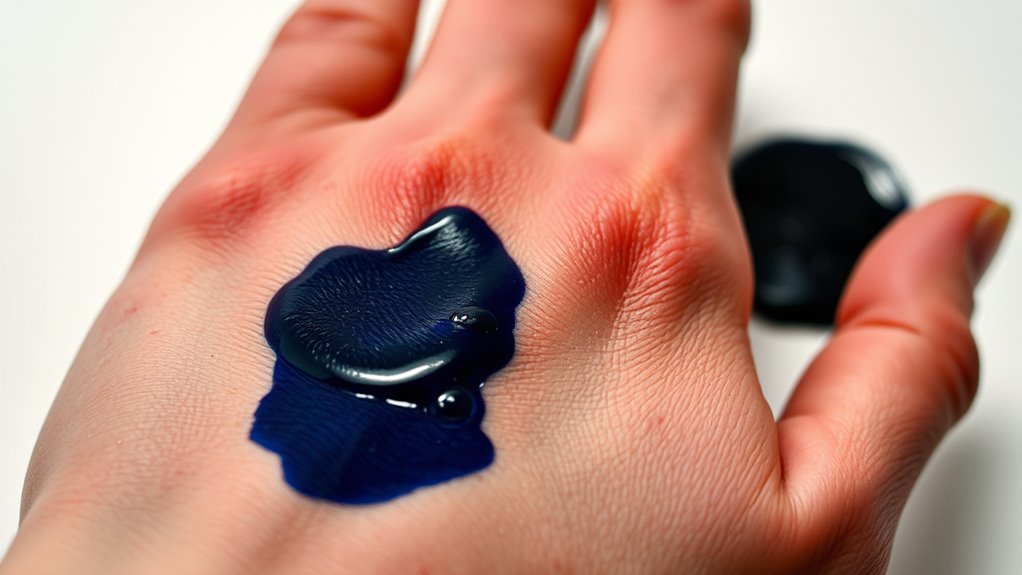
What Does Ink Poisoning Look Like and What Are the Signs?
If you’ve been exposed to ink and notice skin redness, itching, nausea, or vomiting, these could be signs of ink poisoning. Ink poisoning happens when harmful chemicals from ink enter your body, and it’s important to recognize the symptoms early.
You might also experience difficulty breathing, dizziness, or a metallic taste in your mouth.
In children, watch for irritability, excessive drooling, or coughing. These signs can be subtle but shouldn’t be ignored. Severe symptoms like confusion, seizures, or intense pain need immediate care.
Keep an eye on these warning signs so you know when to get help and understand what to expect next. If you’re ever unsure, it’s best to consult a healthcare professional right away.
Key Takeaways
- Ink poisoning symptoms include nausea, vomiting, stomach pain, dizziness, headache, skin redness, and respiratory issues like coughing or difficulty breathing.
- Kids might get irritable, drool a lot, have mild trouble breathing, or show redness and irritation on their skin or eyes after coming into contact with ink.
- Severe signs involve visible ink in vomit or sputum, abdominal swelling, jaundice, seizures, loss of consciousness, or sudden blood pressure drops.
- If someone has difficulty breathing, severe vomiting, confusion, ongoing pain, or bad skin and eye irritation because of ink, they need medical help right away.
- Doctors diagnose ink poisoning by spotting ink particles in bodily fluids, checking for raised liver or kidney test results, and using imaging to see inflammation or damage to organs caused by toxins.
Common Sources of Ink Exposure
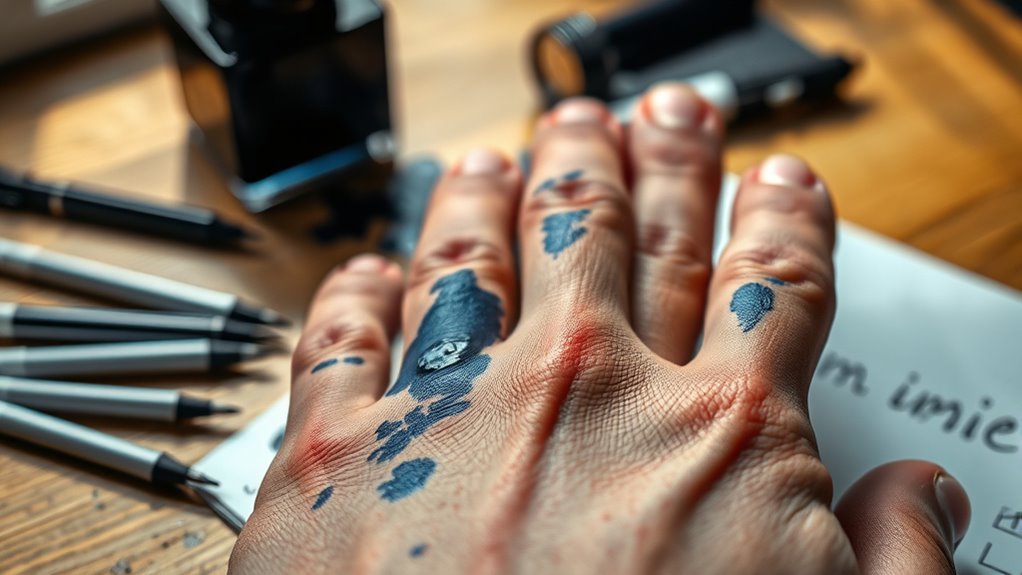
Although ink is commonly found in everyday items, you might not realize how easily you can be exposed to it. Ink is present in pens, markers, printer cartridges, and even some cosmetics.
When you handle these items, ink can transfer onto your skin, especially if the container leaks or breaks. Kids often put pens or markers in their mouths, increasing exposure risk.
If you work in printing, art, or manufacturing, you might encounter ink fumes or direct contact more frequently. Accidental ingestion is rare but possible if ink gets on food or hands.
Even tattoos involve ink, though professional practices minimize risks. Being aware of these common sources helps you prevent unnecessary contact and reduces chances of ink poisoning without needing to avoid everyday activities entirely.
Symptoms of Ink Poisoning in Adults
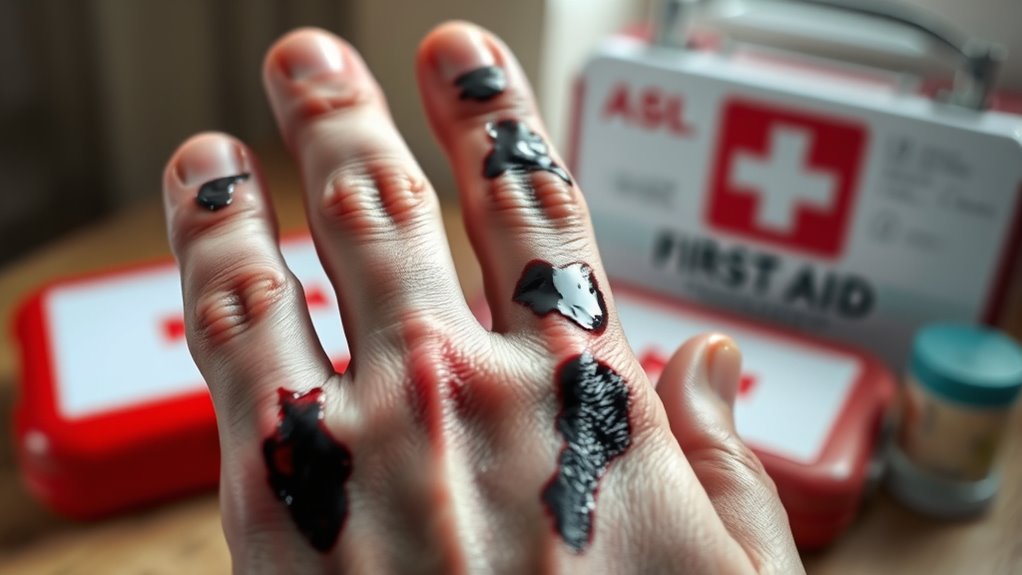
Recognizing the symptoms of ink poisoning can help you respond quickly if exposure occurs. In adults, ink poisoning often starts with nausea, vomiting, and stomach pain. You might also experience dizziness, headache, or confusion.
Some people develop a rapid heartbeat or difficulty breathing, which are signs of more severe poisoning. Skin contact with ink can cause redness, itching, or a rash. If you swallow ink, you could notice a metallic taste or excessive salivation.
Ingesting large amounts might lead to more serious issues like seizures or unconsciousness. If you notice any of these symptoms after ink exposure, it’s important to seek medical attention promptly.
Early treatment can prevent complications and help you recover faster. Don’t ignore unusual symptoms following ink contact.
Symptoms of Ink Poisoning in Children
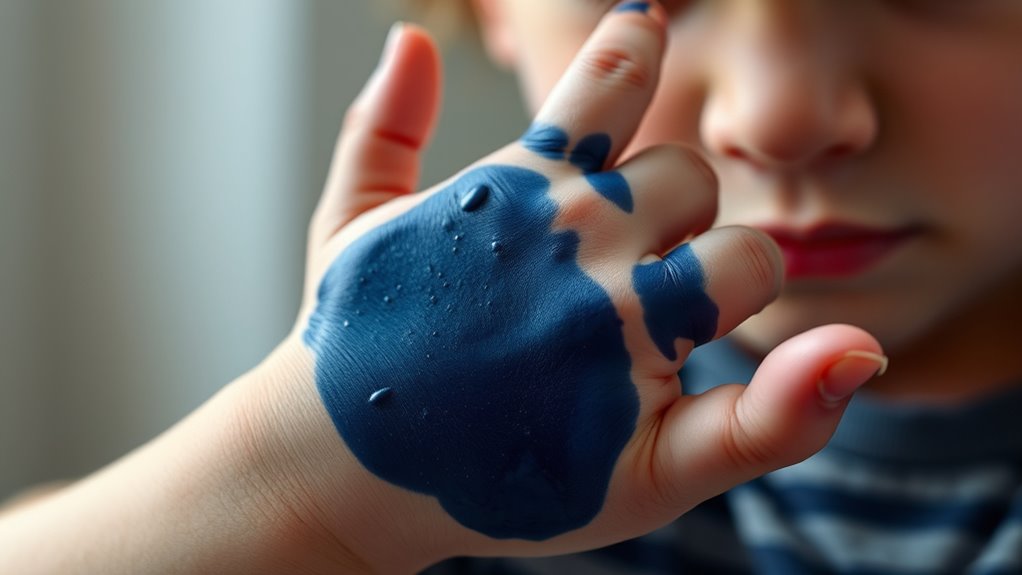
When children are exposed to ink poisoning, they often show symptoms like stomach pain, nausea, and vomiting, similar to adults. You might also notice them becoming unusually tired or irritable.
Some kids may drool excessively or develop a bitter taste in their mouth. If the ink has come into contact with their skin or eyes, redness or irritation may appear.
In some cases, children could experience mild difficulty breathing or coughing if they inhaled fumes. Keep an eye out for changes in behavior, such as confusion or dizziness, which can signal worsening effects.
Since children’s bodies are more sensitive, symptoms might appear faster or be more intense. Recognizing these signs early helps you keep your child safe and ensures prompt care if needed.
When to Seek Medical Attention
If your child shows immediate symptoms like difficulty breathing or severe vomiting after ink exposure, you need to act fast.
Watch for signs that suggest the poisoning is getting worse, such as confusion or persistent pain.
Knowing when to get emergency treatment can make all the difference in their recovery. So, don’t hesitate to seek help if you’re worried.
Immediate Symptoms to Watch
Although ink poisoning is rare, you should seek medical attention immediately if you notice symptoms like nausea, vomiting, or difficulty breathing after exposure. Other signs to watch for include dizziness, headache, and excessive drooling.
If your skin shows redness, swelling, or a burning sensation where the ink touched, don’t delay in obtaining help. Sudden weakness, confusion, or a rapid heartbeat are also warning signs that require prompt evaluation.
Even mild symptoms deserve attention because ink contains chemicals that can affect your body in unexpected ways. If you experience any of these immediate symptoms, call poison control or head to the emergency room without hesitation.
Acting quickly can prevent complications and ensure appropriate treatment. So, don’t wait it out—getting help right away is the best move.
Severity Indicators
Because ink poisoning symptoms can escalate quickly, you should seek medical attention immediately if you experience severe signs like persistent vomiting, difficulty breathing, or intense pain.
These severity indicators signal that the toxin is affecting your organs or respiratory system, requiring prompt care.
Don’t ignore symptoms such as confusion or seizures, as they can also indicate dangerous complications.
| Severity Indicator | What It Means |
|---|---|
| Persistent Vomiting | Possible severe irritation or toxicity |
| Difficulty Breathing | Respiratory distress or airway blockage |
| Intense Pain | Internal damage or chemical burns |
| Confusion | Nervous system involvement |
| Seizures | Serious neurological impact |
Recognizing these signs early can help you get the treatment you need to avoid lasting harm.
Emergency Treatment Guidelines
Whenever you notice signs of ink poisoning, act quickly to get medical help, especially when symptoms worsen or don’t improve. If you experience difficulty breathing, severe swelling, persistent vomiting, or confusion, call emergency services immediately.
Early intervention can prevent complications and speed up recovery. While waiting for help, avoid inducing vomiting unless a professional instructs you to do so.
If ink contacts your skin or eyes, rinse thoroughly with water to reduce irritation. Provide medical personnel with as much information as possible, including the type and amount of ink involved.
Don’t hesitate to seek treatment even if symptoms seem mild—ink poisoning can escalate rapidly. Prompt medical attention ensures proper care and helps prevent lasting harm.
Diagnosis and Testing for Ink Poisoning
When you suspect ink poisoning, doctors will start with a physical exam and review your symptoms. They often order lab tests to check for toxins in your blood and urine.
Imaging techniques like X-rays or CT scans might also be used to assess any internal damage. These help doctors see if the ink has caused problems inside your body.
Common Diagnostic Methods
Although ink poisoning symptoms can vary widely, doctors rely on specific diagnostic methods to confirm the condition. First, they’ll perform a thorough physical exam, asking about your recent exposure to ink and any symptoms you’re experiencing.
They’ll look for signs like skin discoloration, swelling, or irritation where ink contacted your body. Your medical history is essential, so be ready to provide details about the type of ink and how much you were exposed to.
Doctors may also check your vital signs to identify any immediate dangers. Additionally, they might observe neurological or gastrointestinal symptoms to gauge the poisoning’s severity.
These common diagnostic steps help your healthcare team decide the best treatment approach quickly and effectively. It’s all about getting you the right care as soon as possible.
Laboratory Tests Overview
Alongside physical exams and symptom assessments, laboratory tests play a key role in confirming ink poisoning and determining its severity. When you suspect ink poisoning, your healthcare provider will likely order blood tests to check for toxic substances and assess kidney and liver function.
These tests help identify the presence of harmful chemicals absorbed from the ink. Urine analysis can also detect metabolites related to ink components, indicating exposure levels.
In some cases, blood gas analysis may be done to evaluate oxygen and carbon dioxide levels, revealing respiratory impact. These lab tests give a clearer picture of how the poisoning affects your body, guiding treatment decisions.
Imaging Techniques Used
Since ink poisoning can affect multiple organs, imaging techniques provide critical insights that lab tests alone might miss. When you’re suspected of ink poisoning, doctors often use X-rays to check for any foreign ink particles in your lungs or digestive tract, especially if you’ve ingested or inhaled ink.
Ultrasounds help assess potential damage to your liver and kidneys by revealing inflammation or abnormalities. In more severe cases, a CT scan offers detailed images of your internal organs, helping identify areas affected by the toxins.
These imaging methods work alongside blood and urine tests to give a complete picture of your condition, guiding effective treatment decisions. So, if you’re experiencing symptoms, expect your healthcare provider to recommend appropriate imaging to pinpoint the extent of ink poisoning.
Treatment Options and Preventative Measures
When you suspect ink poisoning, acting quickly can make a significant difference in outcomes. First, seek medical attention immediately—do not try to treat it on your own.
Healthcare professionals may administer activated charcoal to reduce toxin absorption or provide supportive care like IV fluids and medications to manage symptoms. In severe cases, hospitalization might be necessary for monitoring and treatment.
To prevent ink poisoning, keep ink and related products out of reach of children and pets. Always use ink in well-ventilated areas and avoid ingesting or prolonged skin contact.
Also, read product labels carefully and follow safety instructions. By staying cautious and responding promptly, you can minimize risks and ensure safety for yourself and those around you.
Frequently Asked Questions
Can Ink Poisoning Cause Long-Term Health Effects?
Yes, ink poisoning can cause long-term health effects if not treated promptly.
You might experience organ damage or neurological issues, so it’s important to get medical help quickly to avoid serious complications.
Don’t wait it out—getting care early can make a big difference.
Is Ink Poisoning Contagious Between People?
No, ink poisoning isn’t contagious, so you don’t have to worry about catching it from someone else.
But if you suspect poisoning, you’ll want to seek medical help quickly. And definitely avoid ingesting or touching the ink any further.
Are Some Types of Ink More Toxic Than Others?
Yes, some inks are more toxic than others. Solvent-based and industrial inks often contain harmful chemicals.
On the other hand, water-based inks are usually safer. Always check the ingredients before use.
And it’s a good idea to avoid ingestion or prolonged skin contact to protect yourself. Better safe than sorry!
Can Pets Be Affected by Ink Poisoning?
Yes, your pets can definitely be affected by ink poisoning. If they ingest ink, watch for symptoms like vomiting, drooling, or lethargy.
It’s important you contact a vet immediately if you suspect ink exposure. Better safe than sorry, right?
How Quickly Do Ink Poisoning Symptoms Appear After Exposure?
You might think symptoms take days, but ink poisoning signs usually show up within hours after exposure.
If you notice nausea, vomiting, or dizziness quickly, don’t wait—seek medical help immediately to avoid complications.
Conclusion
If you ever suspect ink poisoning, don’t wait around like it’s just a minor spill—your health could be on the line! Whether you’re dealing with yourself or a child, recognizing symptoms early can save you from a world of trouble.
Always seek medical help if signs appear, because ignoring ink poisoning is like playing with fire in a gasoline factory. Stay informed, act quickly, and keep ink safely out of reach to avoid any nasty surprises.
Ink poisoning can look like nausea, vomiting, dizziness, or even difficulty breathing. These signs shouldn’t be taken lightly. Quick action and awareness are key to preventing serious health issues related to ink exposure.
Remember, if you notice any unusual symptoms after ink contact or ingestion, getting prompt medical attention is crucial. Protect yourself and your loved ones by understanding what ink poisoning looks like and how to respond effectively.