
What Is Tattoo Ink Made Of?
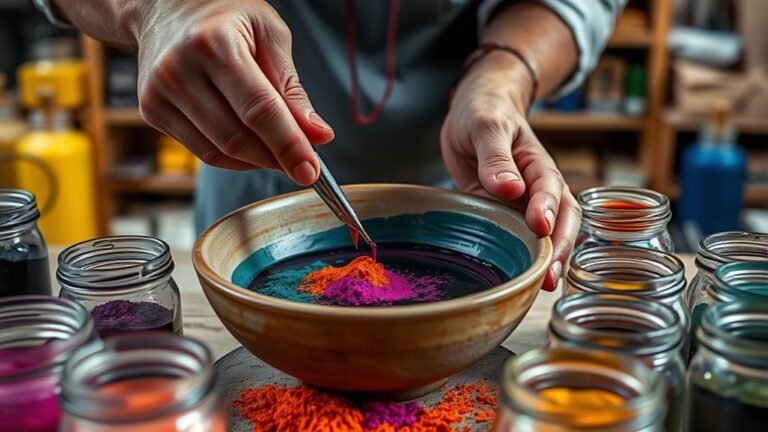
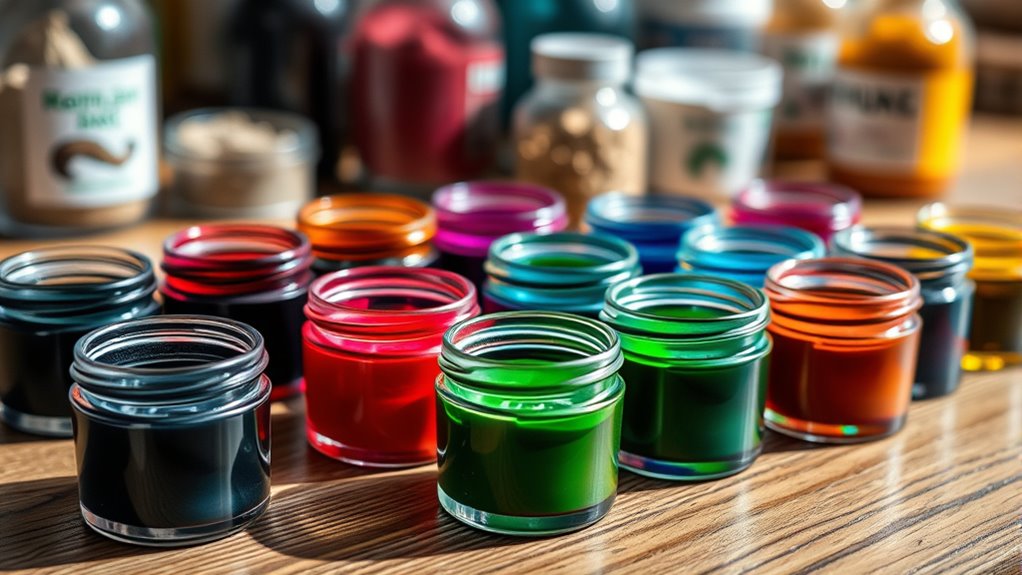
Tattoo ink is made of pigments, carriers, and additives that combine to give you vibrant, lasting color safely. Pigments provide the color—often organic or inorganic compounds—while carriers like water or glycerin keep them evenly mixed and easy to apply.
Additives help preserve the ink and maintain consistency.
Safety standards ensure harmful substances are avoided. If you want to understand how these ingredients affect your tattoo’s vibrancy and longevity, there’s more to explore ahead. It’s pretty fascinating to see what goes into the ink that makes your tattoo pop and stay beautiful over time.
Key Takeaways
- Tattoo ink contains pigments for color, carriers to suspend pigments, and additives to adjust consistency and shelf life.
- Pigments can be organic, inorganic, metallic, fluorescent, or natural, influencing color vibrancy and longevity.
- Carriers like distilled water, alcohol, and glycerin keep pigments evenly mixed and aid application.
- Additives and preservatives prevent microbial growth and stabilize ink for safety and durability.
- Regulatory agencies monitor tattoo ink ingredients to ensure safety, proper labeling, and absence of harmful substances.
So, the ink isn’t just about color; it’s a mix designed to be safe and last long. Pretty interesting, right?
Components of Tattoo Ink
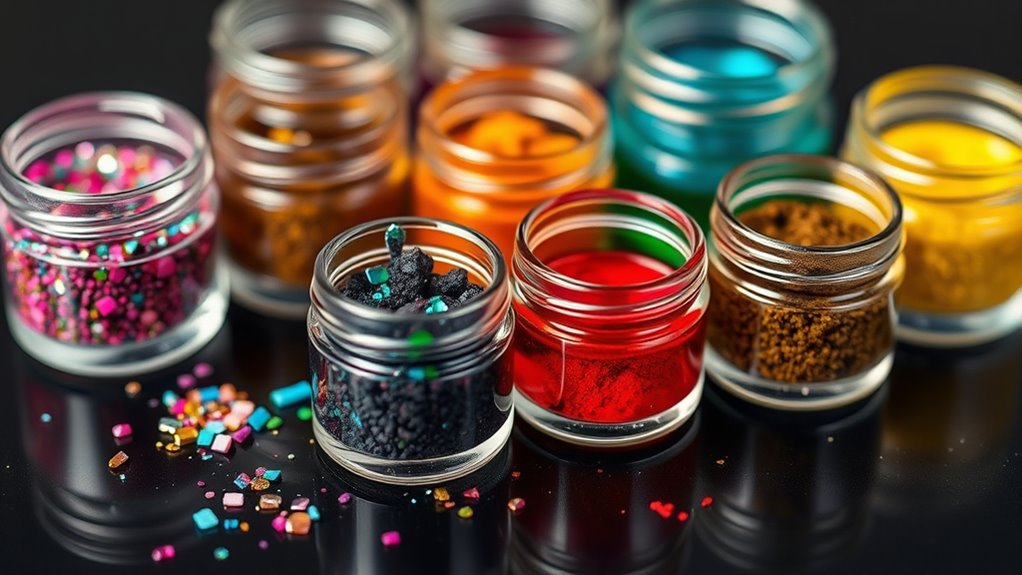
Although tattoo inks vary widely, they all contain a few essential components that determine their color, consistency, and safety. When you look closely, you’ll find pigments, carriers, and additives working together.
Pigments provide the actual color, but the carrier keeps these pigments evenly suspended and aids in smooth application. Common carriers include water, alcohol, and glycerin, which also help prevent bacteria growth.
Additives might be present to adjust the ink’s thickness or improve shelf life. Understanding these components helps you appreciate what goes into your tattoo ink beyond just the visible color.
Types of Pigments Used
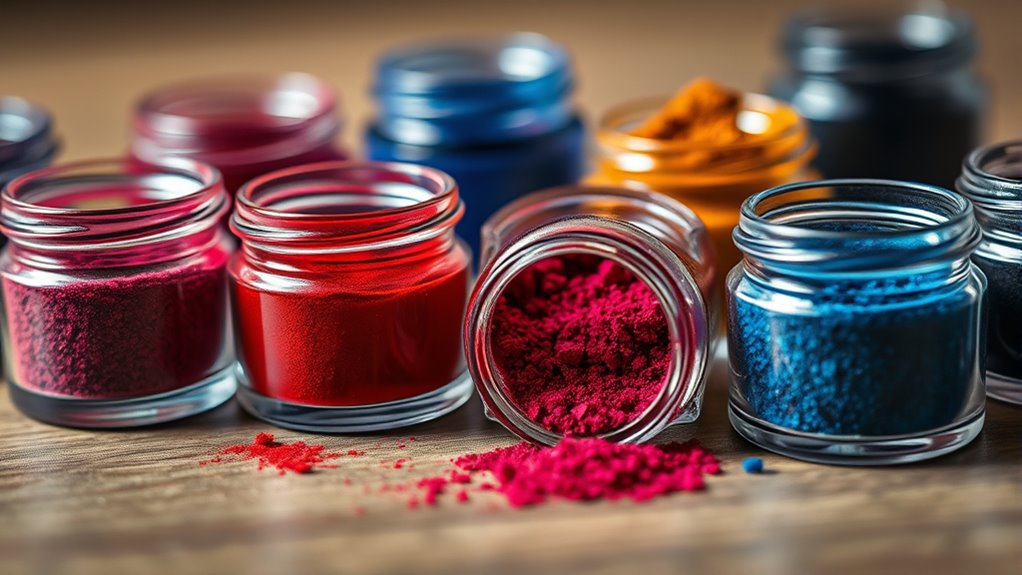
What makes tattoo ink colors so diverse? It all comes down to the pigments used. Pigments are tiny particles that give ink its distinct color and stability.
Depending on the effect and longevity you want, different pigments are chosen. Here are some common types:
The choice of pigment depends on the desired color effect and how long the tattoo should last.
- Organic pigments: Carbon-based, offering vibrant reds and blues.
- Inorganic pigments: Mineral-based, providing solid blacks and whites.
- Metallic pigments: Contain metals like iron oxide for earthy tones.
- Fluorescent pigments: Glow under UV light, adding unique effects.
- Natural pigments: Derived from plants or minerals, sometimes used for traditional tattoos.
Knowing these helps you understand why tattoo artists select specific inks to achieve the desired look and durability in your tattoo. Makes sense, right?
Role of Carrier Liquids
You’ll find that carrier liquids play a vital role in tattoo ink by helping pigments flow smoothly and evenly.
Common carriers include water, alcohol, and glycerin, each serving specific functions like sterilization and consistency.
Understanding these liquids helps you see how inks stay safe and effective during application.
Common Carrier Liquids
How do tattoo inks achieve their smooth consistency and vibrant application? It all comes down to the carrier liquids that hold pigment particles in suspension and help deliver them into your skin.
These liquids not only affect the ink’s flow but also its stability and safety. Here are some common carrier liquids used in tattoo inks:
- Distilled Water: The most basic carrier, offering purity and easy pigment dispersion.
- Glycerin: Adds smoothness and moisture, preventing the ink from drying out too fast.
- Isopropyl Alcohol: Helps sterilize the ink and keeps it from clumping.
- Witch Hazel: Provides soothing properties and acts as a natural astringent.
- Propylene Glycol: Enhances pigment suspension and maintains a balanced consistency.
Choosing the right carrier liquid is key. It ensures the ink performs well while minimizing irritation.
Functions of Carrier Liquids
Carrier liquids do more than just keep pigment particles evenly mixed—they play several key roles in how tattoo inks behave during and after application.
When you get a tattoo, carrier liquids help the ink flow smoothly through the needle, ensuring consistent lines and color saturation. They prevent pigment clumping, which can cause uneven coloring or skin irritation.
After application, carrier liquids assist in controlling how the ink settles into your skin, affecting healing time and color retention. They also help dilute the pigment to the right consistency, making the ink easier to work with.
Without effective carrier liquids, you’d risk poor ink distribution, increased pain, and fading. So, these liquids are essential for both the tattoo artist’s precision and your skin’s response.
Common Additives in Tattoo Ink
You’ll find that tattoo inks rely on a mix of pigments and dyes to create vibrant colors. These pigments are suspended in carrier liquids that help with application and absorption.
Plus, preservatives and stabilizers are added to keep the ink safe and consistent over time. It’s this blend that makes tattoo ink work so well.
Pigments and Dyes
Although pigments and dyes might seem similar, they play distinct roles in tattoo ink by providing vibrant, lasting color. Pigments are solid particles that give tattoos their opacity and durability, while dyes dissolve in the carrier liquid and offer bright, translucent hues.
When you choose a tattoo, understanding these differences helps you appreciate why some colors last longer or fade differently. Pigments tend to be more stable, resisting breakdown over time, whereas dyes can offer more vivid tones but may fade faster.
Here are common types used in tattoo inks:
- Organic pigments derived from carbon or plant sources
- Inorganic pigments like iron oxides and titanium dioxide
- Synthetic dyes offering a wide color range
- Fluorescent pigments for glowing effects
- Metallic pigments that add shimmer and depth
Each type affects your tattoo’s appearance and longevity. So, knowing what’s in your ink can give you a better idea of how your tattoo will look over time.
Carrier Liquids Used
The pigments and dyes in tattoo ink need a liquid base to keep them evenly mixed and easy to apply. This base is usually made up of carrier liquids like water, alcohol, or glycerin.
These liquids help dissolve the pigment particles and maintain the ink’s smooth consistency, so it flows easily through the tattoo needle. You’ll often find distilled water used because it’s pure and prevents contamination.
Alcohol acts as an antiseptic, reducing the risk of infection during tattooing. Glycerin adds moisture, ensuring the ink doesn’t dry out too quickly on the skin or in the needle.
Some inks also include witch hazel, which can soothe skin and improve application. Together, these carrier liquids make sure the tattoo ink performs well and stays safe for your skin.
Preservatives and Stabilizers
Since tattoo inks contain water and organic compounds, manufacturers add preservatives and stabilizers to prevent microbial growth and maintain consistency. Without these additives, the ink could spoil or separate, affecting both safety and quality.
When you get a tattoo, you rely on these agents to keep the ink stable and safe over time. Common preservatives and stabilizers include:
- Phenoxyethanol: Prevents bacterial contamination.
- Ethyl alcohol: Acts as an antiseptic and solvent.
- Glycerin: Maintains moisture and smooth texture.
- Sodium benzoate: Inhibits mold and yeast growth.
- Propylene glycol: Stabilizes pigments and improves flow.
These components ensure the ink remains effective and safe during storage and application. So, they’re really protecting both the artist and your skin.
Safety Standards and Regulations
When you get a tattoo, you might not realize how closely ink manufacturers and tattoo artists must follow strict safety standards and regulations to protect your health. Regulatory bodies, like the FDA in the U.S. and the European Chemicals Agency in Europe, oversee tattoo ink ingredients and production processes.
Ink manufacturers and artists adhere to strict safety standards regulated by bodies like the FDA and European Chemicals Agency.
These organizations make sure inks don’t contain harmful substances such as heavy metals or banned pigments. Tattoo artists also follow hygiene and sterilization protocols to prevent infections.
On top of that, manufacturers have to label inks accurately, listing all ingredients and warnings. While these regulations aim to minimize risks, it’s really important that you choose reputable artists and products to guarantee compliance.
Staying informed helps you avoid unsafe inks and enjoy your tattoo safely.
How Ink Ingredients Affect Tattoo Longevity
Although many factors influence how long your tattoo stays vibrant, the ingredients in the ink play a crucial role. The quality and type of pigments directly impact your tattoo’s durability and color retention.
Some pigments fade faster, while others remain stable for years. Additionally, the carrier solution affects how well the pigment settles into your skin. Here’s what to consider:
- Pigment type: Organic vs. inorganic pigments have varying longevity
- Particle size: Smaller particles often fade quicker
- Carrier solution: Affects dispersion and absorption
- Additives: Stabilizers can slow fading
- Lightfastness: Resistance to UV light reduces color breakdown
Understanding these factors helps you choose inks that keep your tattoo looking sharp longer. It’s worth knowing this stuff before you commit to your next piece!
Frequently Asked Questions
How Is Tattoo Ink Removed From the Skin?
You remove tattoo ink mainly through laser treatments that break down ink particles, letting your body absorb them.
Multiple sessions are usually needed, and sometimes fading or slight scarring can occur depending on your skin and tattoo.
It’s a process that takes time, so patience is key!
Can Tattoo Ink Cause Allergic Reactions?
Yes, tattoo ink can cause allergic reactions, especially if you have sensitive skin or allergies to certain pigments. You might experience redness, itching, or swelling.
Are Vegan-Friendly Tattoo Inks Available?
Yes, you can find vegan-friendly tattoo inks that don’t use animal-derived ingredients or test on animals.
Just make sure to ask your artist or check product labels to verify the ink aligns with your ethical preferences.
How Long Does Tattoo Ink Take to Heal?
Your tattoo ink starts healing in about two weeks, but don’t expect it to turn into a superhero overnight.
Keep it clean and moisturized, or you’ll end up with a flaky, sad piece of art instead.
Does Tattoo Ink Fade in Sunlight?
Yes, your tattoo ink fades in sunlight because UV rays break down the pigments.
To keep your tattoo vibrant, you should always apply sunscreen and avoid prolonged sun exposure, especially during healing.
It really helps protect the colors and keeps your tattoo looking fresh longer. Just a little daily care goes a long way!
Conclusion
Think of tattoo ink as a garden where pigments are the vibrant flowers, carrier liquids the nourishing rain, and additives the rich soil. Each component works together to create a living masterpiece on your skin, blossoming with color and life.
Just like a garden needs care and quality elements to thrive, your tattoo’s longevity and safety depend on the ink’s ingredients. Choosing the right tattoo ink is key to ensuring your body becomes a canvas that tells your story beautifully over time.
When selecting tattoo ink, it’s important to consider what it’s made of. The pigments provide the color, the carrier liquids help the ink flow smoothly and stay fresh, and additives improve texture and stability. Understanding these ingredients can help you pick safer, high-quality inks that protect your skin and keep your tattoo looking vibrant for years.