
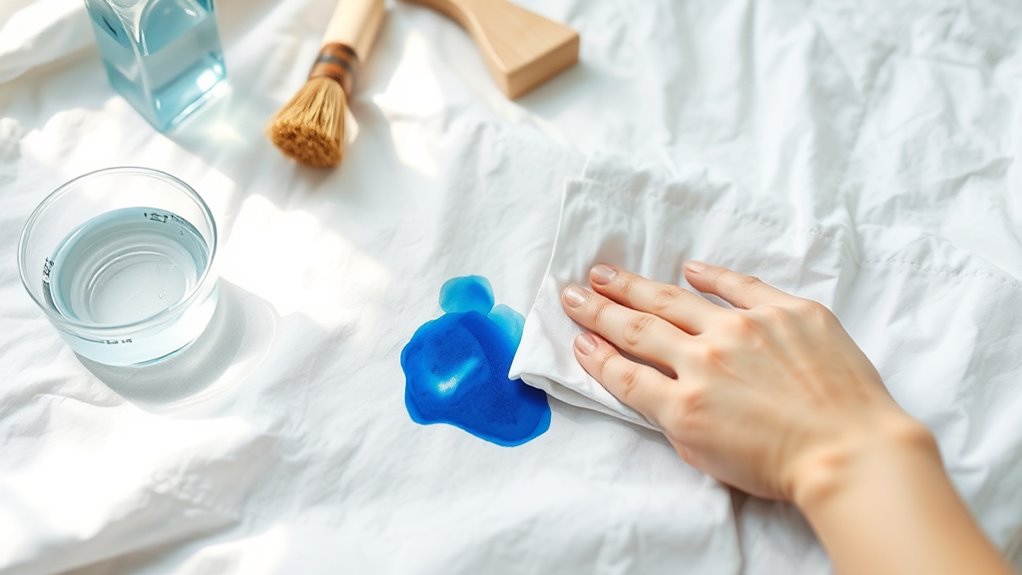
How to Get Ink Out of Sheets Step by Step
To get ink out of sheets, first identify the type of ink you’re dealing with. This step is super important because different inks react differently to cleaning agents.
Next, gather suitable cleaners like rubbing alcohol or vinegar, which are great for breaking down ink stains.
Start by gently blotting any excess ink without rubbing it further into the fabric.
Then, turn the sheet inside out and place a towel underneath the stain to catch any ink that might bleed through.
Carefully apply your chosen cleaning solution to the stained area.
Let it sit for a few minutes to work its magic, then rinse the sheet thoroughly with cold water.
After rinsing, wash the sheets on a gentle, cold cycle without using bleach.
Once done, check if the stain has disappeared.
Sometimes stubborn ink stains need a couple of treatments, so you might have to repeat the process a few times.
For more detailed tips and tricks, keep reading!
Key Takeaways
- Identify the ink type and gather appropriate stain removers like rubbing alcohol or vinegar before starting treatment.
- Blot excess ink gently, work from the back of the stain, and place a paper towel underneath to prevent spreading.
- Apply a suitable cleaning solution based on ink type, test on fabric, let it sit, then rinse thoroughly with cold water.
- Wash sheets in cold water on a gentle cycle with mild detergent, avoiding bleach and fabric softeners.
- Then, inspect the stain carefully.
- Repeat stain removal and washing steps as needed.
- Just remember, never dry the sheets until the ink stain is fully removed.
Identify the Type of Ink Stain
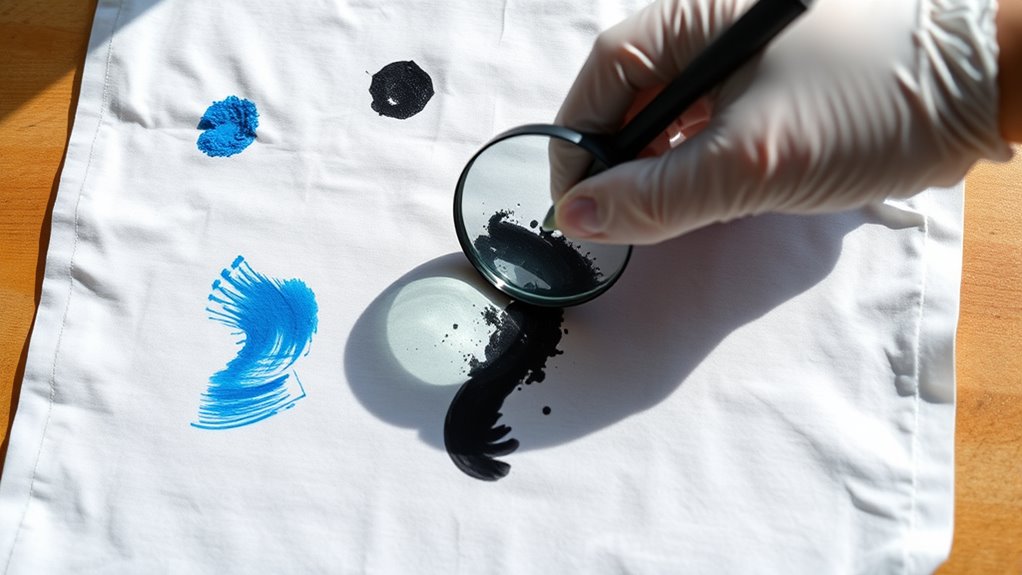
How can you effectively remove ink from your sheets? First, you need to identify the type of ink stain you’re dealing with. Different inks react differently to cleaning methods, so pinpointing the source is vital.
Is it ballpoint pen ink, which tends to be oil-based and more stubborn? Or is it water-based ink from markers or gel pens, which might respond better to water and mild detergents? Permanent ink, like that from Sharpies, is notoriously tough and may require stronger solvents.
Once you know the type of ink, you can tailor your approach to avoid spreading the stain or damaging your sheets. Take a close look at the stain’s color, texture, and how it interacts with water to help you identify what kind of ink you’re dealing with.
Gather Necessary Cleaning Supplies
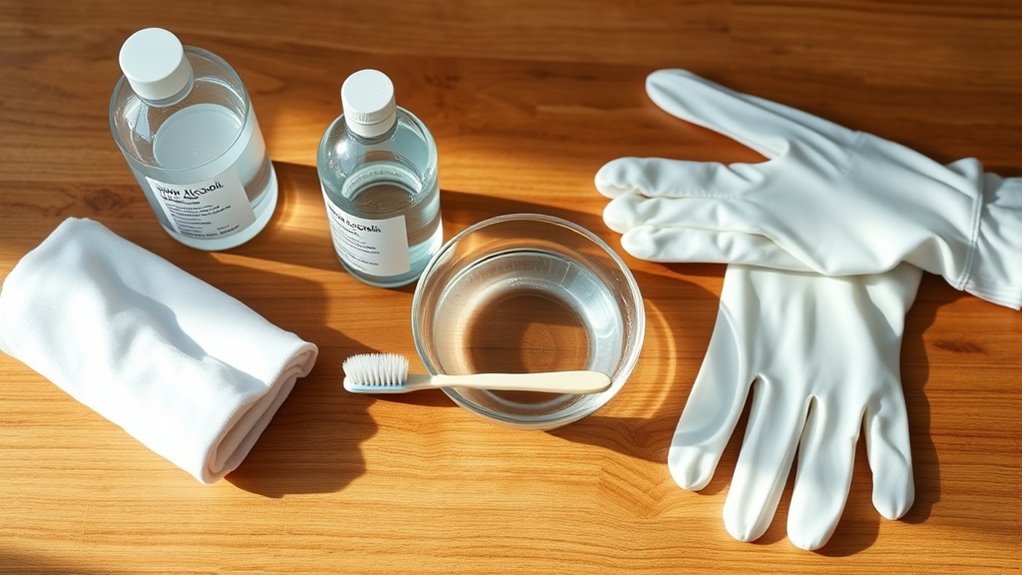
Before you start treating the ink stain, make sure you have the right cleaning tools ready.
You’ll want to choose a stain remover that matches the type of ink and fabric.
Don’t forget to grab some gloves to protect your hands while you work.
Essential Cleaning Tools
Although removing ink stains can be tricky, having the right cleaning supplies makes the process much easier. You’ll want to gather a few essential tools before you start tackling those stubborn marks.
These tools help apply stain removers effectively and protect your fabric.
| Tool | Purpose | Tips |
|---|---|---|
| Clean cloths | Blot and dab stains | Use white cloths to avoid color transfer |
| Soft brush | Gently scrub stains | Choose a brush with soft bristles |
| Gloves | Protect your hands | Use latex or rubber gloves |
| Spray bottle | Apply cleaning solution evenly | Fill with water or stain remover |
Having these tools ready ensures a smoother, more controlled cleaning process. It really makes the job less stressful.
Types of Stain Removers
Since ink stains vary in type and intensity, you’ll need different stain removers to tackle them effectively. Knowing which one to use can save your sheets from permanent marks.
Here are five common types you should have on hand:
- Rubbing Alcohol: Great for ballpoint and gel ink stains.
- Hairspray: Contains alcohol that helps break down ink pigments.
- Milk: Useful for delicate fabrics and light stains.
- Commercial Ink Removers: Specifically designed for tough, set-in stains.
- Dish Soap and Water: A gentle option for fresh ink stains.
Each remover works differently, so test a small area first. Having these ready will make the cleaning process smoother and more efficient.
Protective Gear Needed
Knowing which stain removers to use is only part of the process; you’ll also want to gather the right protective gear before you start cleaning.
This gear protects your skin and clothes from harsh chemicals and prevents accidental smudging of ink. Gloves, old clothes, and eye protection are essential.
Having everything ready keeps you safe and focused.
| Protective Gear | Purpose | Emotion Evoked |
|---|---|---|
| Rubber Gloves | Protect skin from stains | Confidence |
| Old Clothes | Avoid ruining good clothes | Relief |
| Safety Glasses | Shield eyes from splashes | Security |
| Face Mask | Avoid inhaling fumes | Comfort |
| Apron | Keep clothes clean | Assurance |
Prepare well—you’ll feel more in control and ready to tackle those stubborn ink stains.
Pre-Treat the Ink Stain
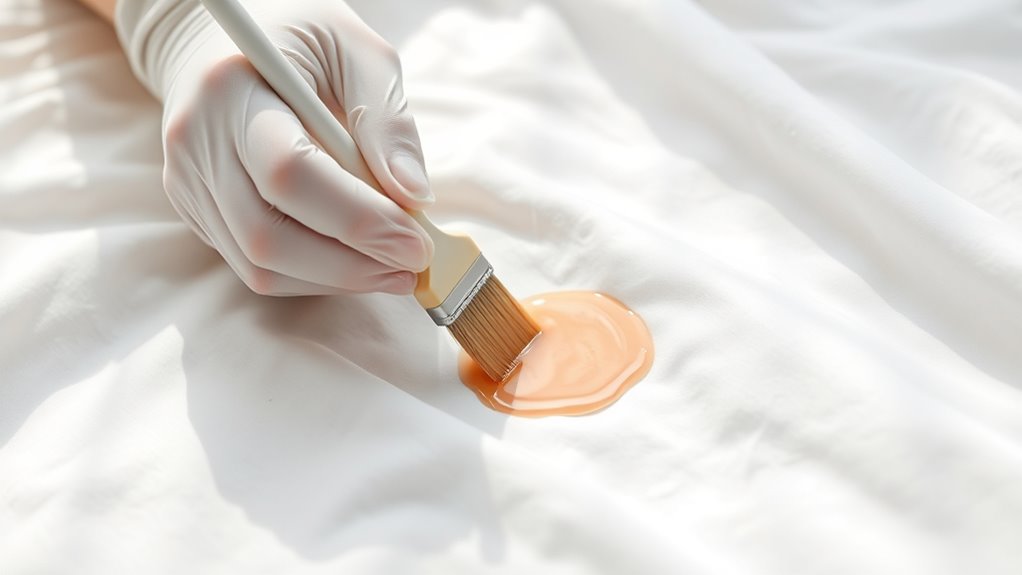
Before you wash the sheets, you need to treat the ink stain directly to prevent it from setting. Acting quickly increases your chances of removing the stain completely.
Start by gently blotting the area with a clean cloth to absorb excess ink without spreading it. Then, follow these steps to prepare the stain for cleaning:
Begin by blotting the ink stain gently to absorb excess without spreading it further.
- Turn the sheet inside out to work on the back of the stain.
- Dab the stain with cold water to loosen the ink.
- Avoid rubbing, which can push the ink deeper into fibers.
- Place a paper towel under the stain to catch any ink that bleeds out.
- Let the moisture sit for a few minutes to soften the ink before applying any solution.
These actions set the stage for effective stain removal.
Apply a Suitable Cleaning Solution
You’ll want to pick the right cleaning solution based on your stain and fabric. Natural options like vinegar or lemon juice work well, but sometimes a chemical cleaner is necessary for tougher ink.
Apply your chosen solution carefully to avoid spreading the stain or damaging the sheet. Just take it slow and steady—that way, you’ll get the best results without making things worse.
Choosing the Right Cleaner
Since ink stains vary in type and severity, selecting the right cleaner is crucial to removing them effectively. You want a solution that targets the specific ink type without damaging your sheets.
Consider these factors when choosing a cleaner:
- Ink type: Different inks (ballpoint, gel, or marker) respond to different cleaners.
- Fabric material: Delicate fabrics need gentler solutions.
- Stain age: Fresh stains are easier to treat than old, set-in ones.
- Cleaner ingredients: Look for formulas safe for your fabric.
- Ease of use: Choose a cleaner you can apply easily at home.
It might seem like a lot, but picking the right cleaner makes all the difference. Plus, it helps keep your sheets looking great without any damage.
Natural vs. Chemical Options
Although both natural and chemical cleaners can remove ink stains effectively, your choice depends on the fabric and your comfort with each option. Natural solutions like lemon juice, white vinegar, or milk work well on delicate fabrics and are eco-friendly.
They’re gentle but may require more time or repeated applications. On the other hand, chemical options such as rubbing alcohol, commercial stain removers, or hairspray act quickly and are often more powerful on stubborn ink.
However, they can sometimes damage sensitive materials or cause discoloration. Before applying any cleaner, test it on a small, hidden area of the sheet to ensure it won’t harm the fabric.
Proper Application Techniques
Choosing the right cleaning solution is just the start; applying it correctly makes all the difference in removing ink from your sheets. To get the best results, you’ll want to treat the stain promptly and carefully.
Here’s how to apply your solution effectively:
- Test the cleaner on a hidden area first to prevent damage.
- Blot the ink stain gently with a clean cloth instead of rubbing.
- Apply the solution directly on the stain, not the entire sheet.
Let it sit for the recommended time to break down the ink. Then, rinse thoroughly with cold water to remove residue afterward.
Following these steps ensures the ink loosens without spreading. This way, you preserve your sheets and maximize stain removal.
Wash the Sheets Properly
Before you toss your ink-stained sheets into the washing machine, it’s important to treat the affected areas properly to prevent the ink from setting permanently. Use cold water when washing, as hot water can cause the ink to bond with the fabric fibers.
Treat ink stains promptly and wash with cold water to prevent permanent fabric damage.
Select a gentle cycle to avoid spreading the stain further and choose a mild detergent designed for stain removal. Avoid using bleach or fabric softeners, which can damage the fabric or set the stain.
Wash the sheets separately to keep the ink from transferring to other laundry. Once the cycle is complete, remove the sheets promptly to prevent the ink from settling.
Proper washing helps guarantee the ink loosens and lifts effectively, giving you the best chance to restore your sheets to their original condition.
Inspect and Repeat if Necessary
Once the washing cycle finishes, check your sheets carefully to see if the ink stain has faded or disappeared. If the stain persists, don’t worry—you can repeat the process to improve results.
Remember, some ink stains are stubborn and might need multiple treatments.
Here’s what you should do next:
- Inspect the stained area under good lighting.
- Apply your chosen stain remover again, focusing on the ink mark.
- Let the remover sit for the recommended time.
- Wash the sheets once more using the appropriate settings.
- Avoid drying until the stain is fully gone, as heat can set the ink.
Frequently Asked Questions
Can Ink Stains Cause Permanent Damage to Sheets?
Yes, ink stains can cause permanent damage to your sheets if you don’t treat them quickly.
The longer you wait, the harder it gets to remove the ink, potentially leaving lasting marks or discoloration.
How Long Can I Wait Before Treating an Ink Stain?
You should treat an ink stain as soon as possible because the longer you wait, the harder it becomes to remove.
Ideally, start cleaning within a few hours to prevent the stain from setting permanently.
The sooner you act, the better your chances of getting rid of it completely. Waiting too long can make the stain stick around for good.
Are All Ink Stains Removable Regardless of Fabric Type?
Not all ink stains are removable, especially on delicate or porous fabrics. You can try treating them quickly, but some inks and materials hold stains permanently.
It’s always a good idea to test a small area first before going for a full treatment. That way, you avoid making things worse!
Can I Use Bleach on Colored Sheets With Ink Stains?
You shouldn’t use bleach on colored sheets with ink stains because it can cause discoloration.
Instead, try a color-safe stain remover or rubbing alcohol on a small area first to avoid ruining your sheets.
Give it a little test spot before going all in, just to be safe. That way, you won’t end up with a bigger mess!
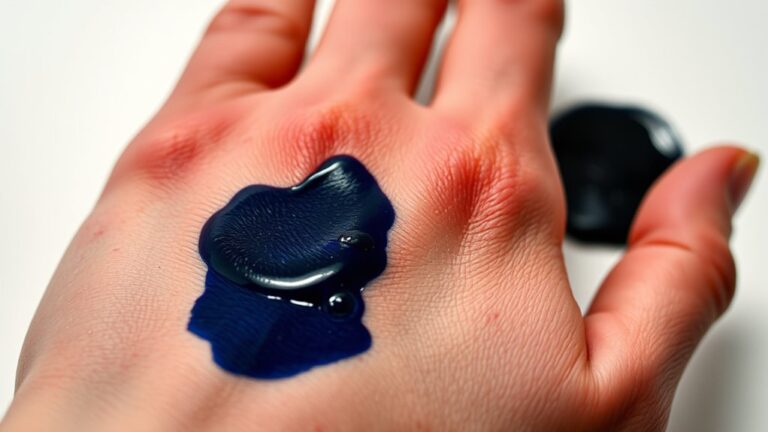
What Should I Do if Ink Gets on My Skin?
If ink gets on your skin, wash it off promptly with soap and warm water. If it’s stubborn, try rubbing alcohol or hand sanitizer.
Avoid harsh scrubbing to prevent irritation, and moisturize afterward. It’s pretty simple, but taking care not to irritate your skin is key.
Conclusion
Now that you know how to tackle ink stains step by step, don’t let those pesky marks ruin your sheets. Grab your cleaning supplies like a knight would his sword, and treat the stain promptly.
With a little patience and care, you’ll have your sheets looking fresh again in no time. Just remember, if the stain sticks around like a stubborn ruffian, repeat the process until your sheets are ink-free and ready for a good night’s sleep.
Getting ink out of sheets can seem tricky, but following these steps makes it manageable. Act quickly, be gentle yet thorough, and don’t hesitate to repeat the treatment if needed. Soon enough, your sheets will be clean and comfortable again, perfect for a restful night. So, keep your cleaning tools handy, and say goodbye to ink stains for good!