How to Get Tattoo Ink Off Skin Step by Step
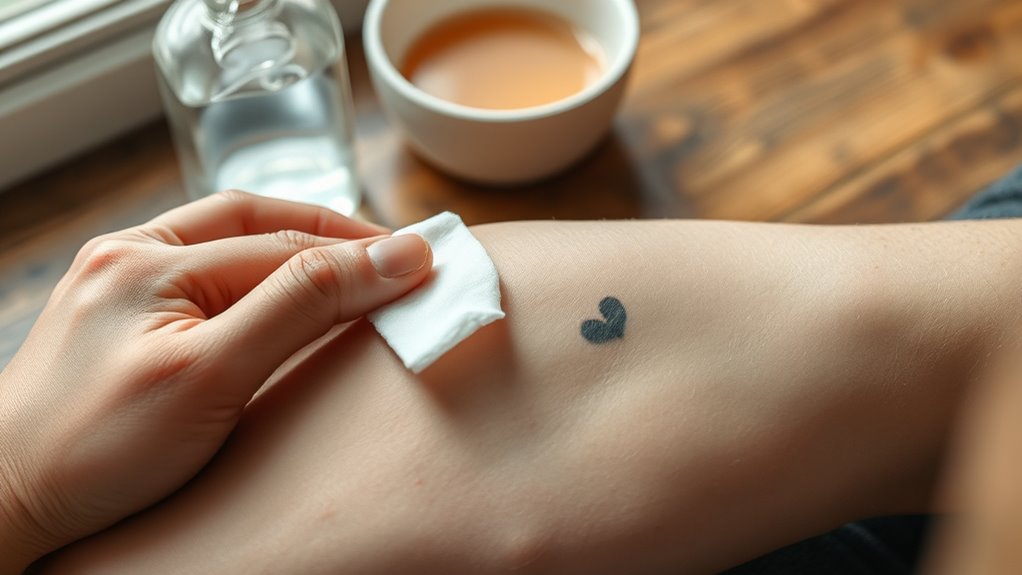
First, identify if your tattoo ink is fresh or old to choose safe removal methods. This step is important because the type of ink and how long it’s been on your skin can affect which techniques will work best.
Gather mild soap, warm water, cotton balls, and gloves to prepare for cleaning.
Wash the inked area gently to remove dirt. Be careful not to scrub too hard, as this can irritate your skin.
Then, exfoliate softly with a washcloth in circular motions without overdoing it. This helps lift the ink particles but keeps your skin safe.
Try natural remedies like lemon juice or aloe vera on a small patch to test sensitivity.
If your skin reacts well, you can apply them more broadly.
Finish by moisturizing the skin to soothe and hydrate.
For a detailed approach, explore these safe techniques further.
Key Takeaways
- Assess ink type and skin condition to choose safe removal methods and avoid irritation or damage.
- Clean tattooed skin gently with mild soap and warm water, then pat dry without rubbing.
- Use gentle exfoliation with a soft washcloth once daily to lift surface ink safely.
- Apply natural remedies like lemon juice or aloe vera cautiously after patch testing for skin tolerance.
- Moisturize with fragrance-free lotion post-cleaning and monitor skin for adverse reactions, stopping if irritation occurs.
Assess the Type and Age of Ink Stain
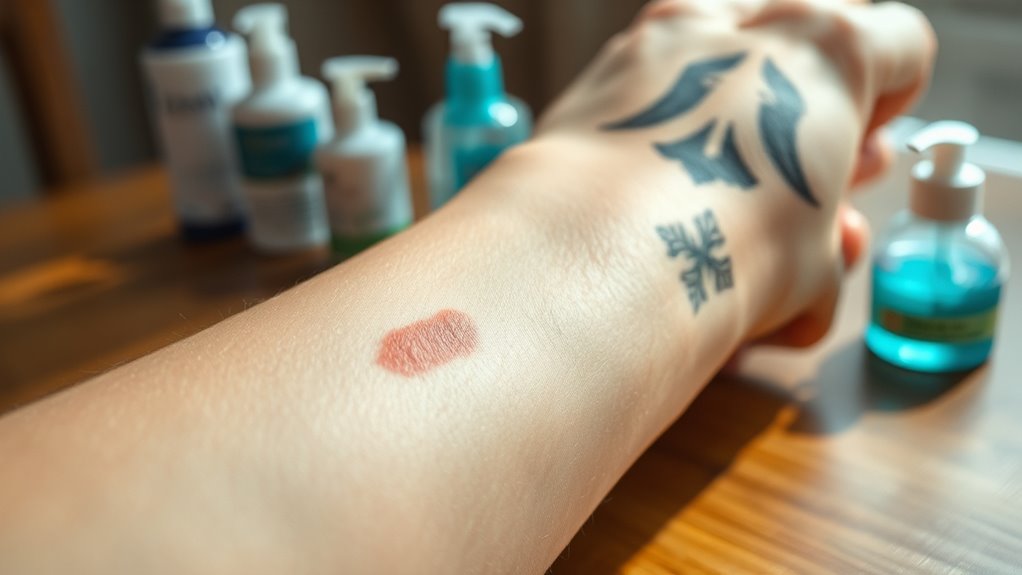
Before you try removing tattoo ink, you need to evaluate the type and age of the stain. Fresh ink is usually more vibrant and sits on the skin’s surface, making it somewhat easier to address.
Older tattoos have ink particles settled deeper in the skin, which can make removal tougher and require different approaches. You also need to ponder whether the ink is from a professional tattoo or a temporary marker, as they react differently to removal methods.
Check the area carefully for any signs of skin irritation or damage, which could affect how you proceed. Understanding these factors helps you choose the safest and most effective removal technique, reducing the risk of skin harm or incomplete ink fading.
Gather Supplies Needed for Ink Removal
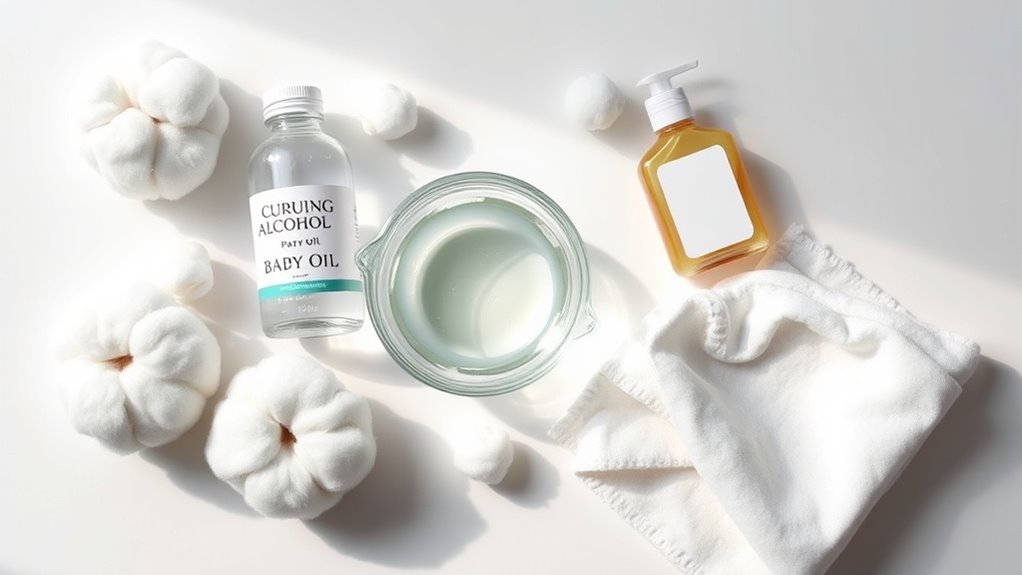
Before you start removing tattoo ink, make sure you have the right tools on hand. Choose skin-friendly cleaning agents to avoid irritation, and don’t forget to pick protective gloves to keep your hands safe.
Having these supplies ready will make the process smoother and safer. It’s always better to be prepared, right? That way, you won’t have to stop halfway through to find what you need.
Essential Removal Tools
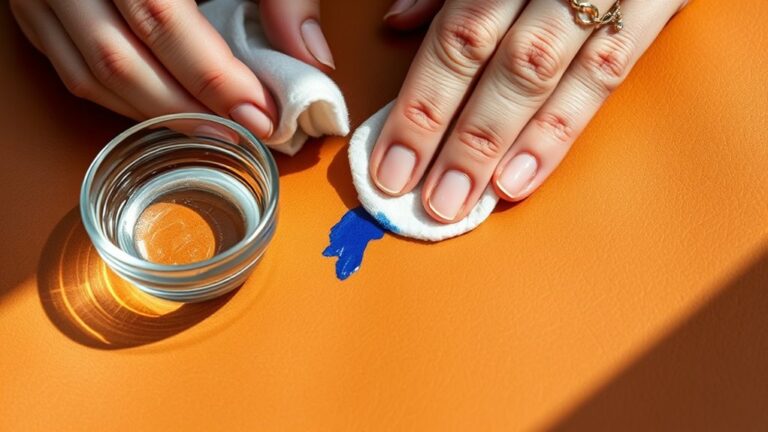
Although tattoo ink can be stubborn, having the right tools on hand makes removal much easier. Start by gathering clean cotton balls or pads to gently dab and wipe away ink without irritating your skin.
You’ll also want a soft washcloth to help with delicate scrubbing when needed. A pair of disposable gloves keeps things hygienic and prevents ink from spreading to other areas.
Have a small bowl handy to mix any cleaning agents you’ll use later, ensuring easy access. Additionally, a mirror can help you monitor your progress closely, especially in hard-to-see spots.
These essential tools set you up for effective and safe ink removal, helping you maintain control throughout the process while protecting your skin.
Skin-Friendly Cleaning Agents
With your removal tools ready, the next step is choosing skin-friendly cleaning agents that effectively lift tattoo ink without causing irritation. Opt for gentle options like mild soap and warm water, which help break down ink without harming your skin’s natural barrier.
You can also use makeup remover wipes formulated for sensitive skin or micellar water, both of which are effective at loosening pigment. Avoid harsh chemicals such as acetone or alcohol, as they can cause redness, dryness, and damage.
If you want a natural approach, coconut oil or olive oil works well to dissolve ink while moisturizing your skin. Remember to test any product on a small skin patch first to ensure you don’t react negatively.
These agents will make the removal process safer and more comfortable. So, take your time and be gentle with your skin!
Protective Gloves Selection
Since tattoo ink can be stubborn and messy, you’ll want to protect your hands by choosing the right gloves before starting removal. Gloves shield your skin from harsh chemicals and prevent ink stains.
Opt for gloves that fit snugly for better control and avoid latex if you have allergies. Nitrile gloves are durable and chemical-resistant, making them a top choice.
Here’s a quick glove comparison to help you pick:
| Glove Type | Key Features |
|---|---|
| Latex | Flexible, affordable |
| Nitrile | Chemical-resistant, durable |
| Vinyl | Inexpensive, less durable |
| Neoprene | Resistant to chemicals |
| Polyethylene | Loose fit, disposable |
Choose gloves that balance protection and comfort for effective, safe ink removal. It’s all about what works best for you!
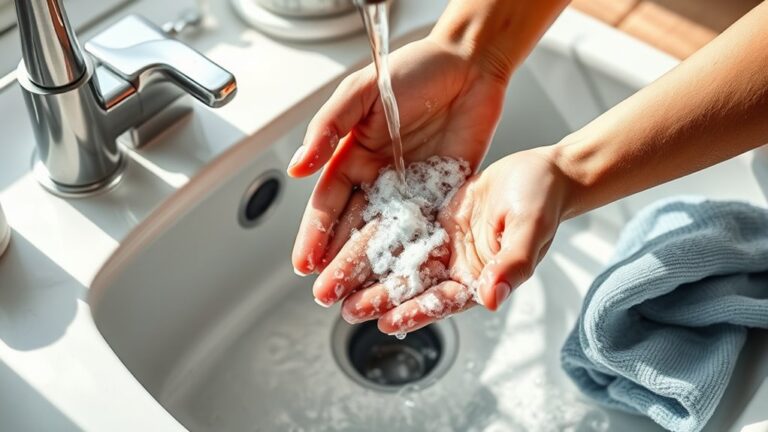
Clean the Area With Soap and Warm Water
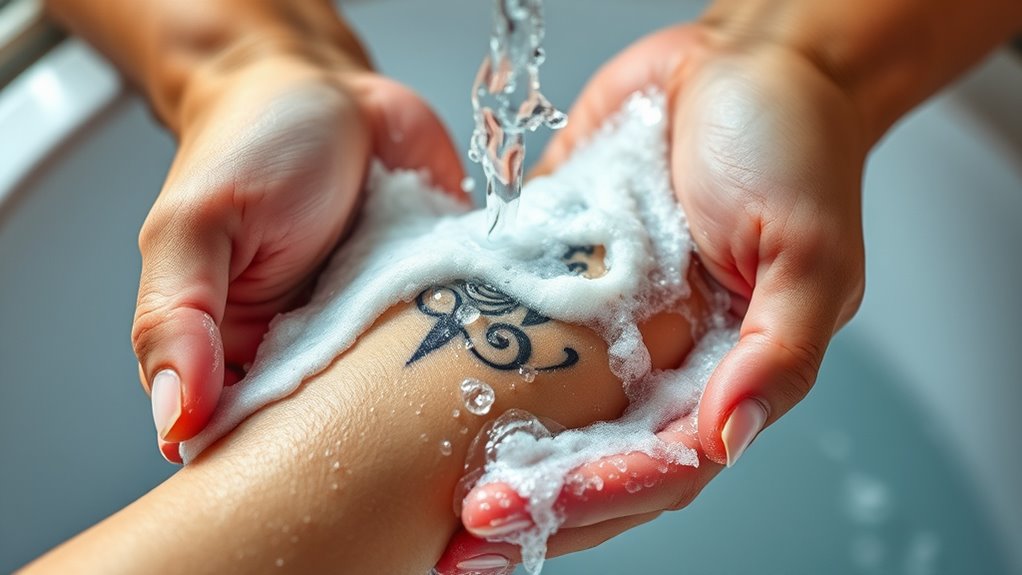
Before you try any specialized methods, start by cleaning the tattooed area with soap and warm water. This basic step helps remove surface dirt, oils, and loose ink, making further removal efforts more effective.
Use a mild, fragrance-free soap to avoid irritating your skin. Wet the area with warm water, apply the soap, and gently lather using your fingertips.
Avoid scrubbing hard, as this can damage your skin. Rinse thoroughly with warm water to wash away the soap and impurities.
Pat the area dry with a clean towel—don’t rub. Cleaning the skin properly guarantees you’re working on a fresh canvas and reduces the risk of infection or irritation during the ink removal process.
This simple step lays the groundwork for successful tattoo ink removal.
Use Gentle Exfoliation Techniques
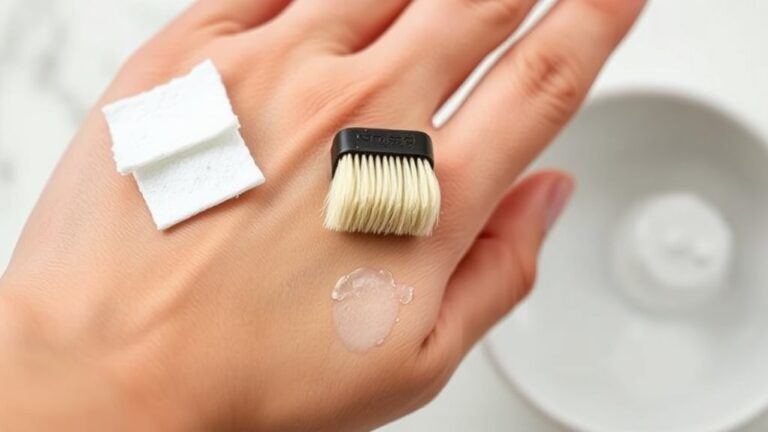
Once you’ve cleaned the area thoroughly, you can start gently exfoliating the skin to help lift the tattoo ink from the surface. Use a soft washcloth or an exfoliating glove with a mild scrub or a natural exfoliant like sugar mixed with a bit of olive oil.
Rub the area in small, circular motions for about a minute, then rinse with lukewarm water. Just be careful to avoid harsh scrubbing, as this can irritate your skin or cause damage.
Repeat this process once a day, but don’t overdo it. You want to remove dead skin cells and ink residue without causing redness or sensitivity.
Apply Home Remedies to Lift Ink Stains
You can try natural ingredients like lemon juice or baking soda to help lift tattoo ink stains from your skin. Household items often work well, but you need to use them carefully to avoid irritation.
Always test a small area first and follow safety tips to protect your skin. That way, you can see how your skin reacts before going all in. It’s better to be safe than sorry!
Natural Ingredients for Removal
Though tattoo ink can be stubborn, you can often lighten it using natural ingredients found around your home. These ingredients work gently to break down ink pigments without harsh chemicals.
Just apply them carefully and consistently for the best results.
| Ingredient | How to Use | Benefits |
|---|---|---|
| Lemon Juice | Dab on skin, leave 10 mins | Natural acid, lightens ink |
| Baking Soda | Mix with water, scrub gently | Exfoliates, lifts stains |
| Coconut Oil | Massage into skin daily | Moisturizes, aids healing |
| Aloe Vera | Apply gel, leave for 20 mins | Soothes, promotes skin repair |
Try these remedies regularly. But remember, stop if irritation occurs.
Effective Household Solutions
While tattoo ink can be stubborn, several effective household solutions can help lift stains from your skin without harsh chemicals. Start by applying a small amount of rubbing alcohol or hand sanitizer to a cotton ball and gently rub the stained area. These products break down ink pigments quickly.
You can also try using baking soda mixed with water to form a paste. Scrub it on the stain with a soft cloth in circular motions.
Another method is to dab white vinegar on a cloth and wipe the ink gently, as its acidity helps lift ink particles. Remember to rinse your skin with warm water after each treatment and moisturize to prevent dryness.
These remedies offer practical, easy ways to reduce tattoo ink stains at home. Give them a try and see which one works best for you!
Safety Tips and Precautions
Household remedies like rubbing alcohol and baking soda can effectively lift tattoo ink stains, but applying them safely is just as important. First, always test a small skin area to check for irritation before full application.
Avoid using harsh scrubbing motions; instead, gently rub the solution to prevent skin damage. Never apply these remedies on broken or sensitive skin, as it can cause pain or infection.
Limit exposure time—don’t leave solutions on your skin for too long. After treatment, rinse thoroughly and moisturize to soothe your skin.
If you notice redness, swelling, or a burning sensation, stop immediately and consult a healthcare professional. Prioritizing safety ensures you remove ink effectively without harming your skin.
Moisturize and Soothe the Skin After Cleaning
After you’ve thoroughly cleaned the tattoo ink from your skin, it’s important to moisturize and soothe the area to prevent irritation and dryness. Your skin needs care to heal and stay comfortable.
Here’s what you can do:
- Apply a gentle moisturizer: Use fragrance-free, hypoallergenic lotion or aloe vera gel to calm the skin and lock in moisture.
- Avoid harsh products: Skip any creams with alcohol or strong chemicals that might cause burning or dryness.
- Keep the skin hydrated: Drink plenty of water and reapply moisturizer as needed, especially if the area feels tight or flaky.
Following these steps helps your skin recover quickly and reduces the chance of redness or peeling after removing tattoo ink. Just take it easy and give your skin the TLC it deserves!
Frequently Asked Questions
Can Tattoo Ink Be Completely Removed From Skin Without Laser Treatment?
You can’t completely remove tattoo ink without laser treatment because it’s embedded deep in your skin.
Some creams and home remedies may fade the ink, but to fully erase it, laser removal is the most effective method.
How Long Does It Take for Tattoo Ink to Naturally Fade?
You’ll watch colors gently blur like morning mist, fading over months to years. Typically, tattoo ink naturally fades in 1 to 10 years, depending on skin type, sun exposure, and ink depth beneath your skin.
It’s kind of interesting how the fading timeline can really vary. Some people notice changes sooner, while for others, it takes a bit longer. Factors like how often you’re out in the sun or your skin’s natural regeneration play a big role.
Are There Any Professional Products Specifically for Tattoo Ink Removal?
Yes, you’ll find professional tattoo ink removers like laser treatments and specialized chemical solutions. These products target ink effectively, but always consult a dermatologist to guarantee safety and choose the best method for your skin type.
Laser treatments are one of the most popular options because they break down the ink particles so your body can naturally remove them. Chemical solutions, on the other hand, work differently and might be recommended based on your tattoo and skin condition.
It’s super important to get expert advice before starting any removal process. That way, you make sure the method is safe and suitable for you.
Can Skin Allergies Occur From Tattoo Ink Removal Methods?
About 10% of people experience skin allergies from tattoo ink removal methods.
You can develop redness, itching, or swelling, so you should always test a small area first. It’s also a good idea to consult a dermatologist before trying any removal technique.
Is It Safe to Remove Tattoo Ink on Sensitive Skin Areas?
Yes, you can safely remove tattoo ink from sensitive skin, but you should choose gentle methods and consult a dermatologist first.
Avoid harsh chemicals or abrasives to prevent irritation, allergies, or damage to delicate skin areas.
It’s always best to take extra care when dealing with sensitive spots. That way, you minimize any risks and keep your skin healthy.
Conclusion
So, you’ve bravely decided to erase that tattoo ink like it was a bad decision—ironic, right? Just remember, removing ink from your skin isn’t as simple as scrubbing your mistakes away.
With gentle care, some patience, and a few home remedies, you’ll see progress without turning your skin into a battlefield. Who knew that getting ink off requires more TLC than getting it on?
Keeping your skin healthy while trying to get tattoo ink off is key. Using gentle cleansers, moisturizing regularly, and avoiding harsh scrubbing can help speed up the fading process.
Remember, removing tattoo ink takes time and consistent care. Stick with these steps, and you’ll gradually see the ink lighten without damaging your skin. Keep at it—you’ve got this!