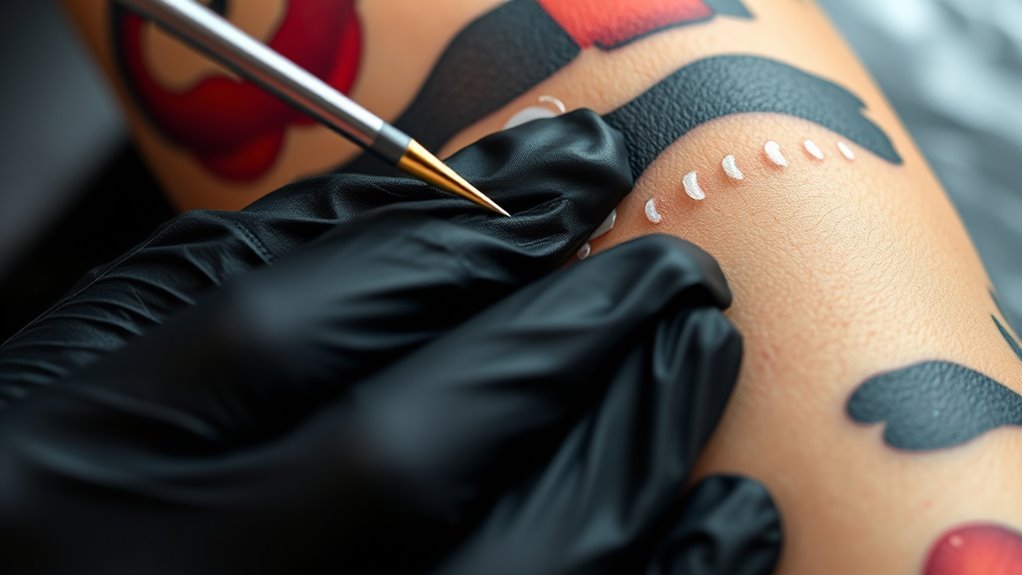
Why Does White Tattoo Ink Hurt More Than Other Colors?
You’ll feel more pain with white tattoo ink because its thick, dense particles need extra needle passes to show up on your skin. This means more skin trauma and stronger irritation, as your skin reacts intensely to the concentrated pigment.
White ink’s opacity also stimulates more nerve endings, making the tattooing process more uncomfortable than with other colors.
If you want to understand why this happens and how it affects healing, there’s more to uncover.
Key Takeaways
- White tattoo ink is denser and thicker, which can cause stronger skin irritation. This leads to increased discomfort during the application.
- It usually takes multiple needle passes to apply white ink properly. Because of this, the skin experiences more trauma and the pain feels more intense.
- The pigment particles in white ink are larger and more concentrated. These bigger particles stimulate more nerve endings, which ramps up the pain sensation.
- Also, the skin takes longer to heal from white ink. This prolonged healing process makes the area more sensitive and uncomfortable after tattooing.
- Since white ink is opaque and often requires layering, the needle goes over the same spot repeatedly. This repeated needle penetration ramps up the pain compared to other colors.
The Unique Composition of White Tattoo Ink
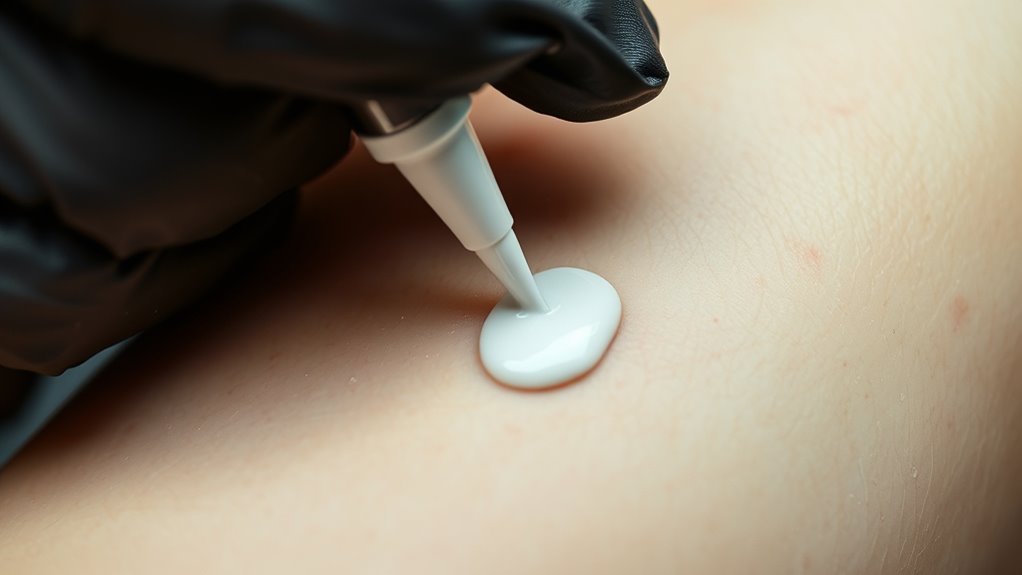
Although white tattoo ink might look simple, its composition is quite different from other colors. You’ll find that it primarily contains titanium dioxide, a pigment known for its brightness and opacity.
This pigment is denser and thicker than the dyes in colored inks, which means your skin has to absorb more material. White ink also tends to have a higher concentration of this pigment to guarantee it stands out against your skin tone.
Unlike other colors, it doesn’t blend as easily, so your body reacts more strongly to the foreign substance. Because of this unique makeup, the ink’s application can feel more intense, leading to increased discomfort during the tattooing process.
Understanding this helps explain why white ink tattoos might hurt more. It’s all about how your skin deals with that extra pigment.
How White Ink Affects Skin Sensitivity
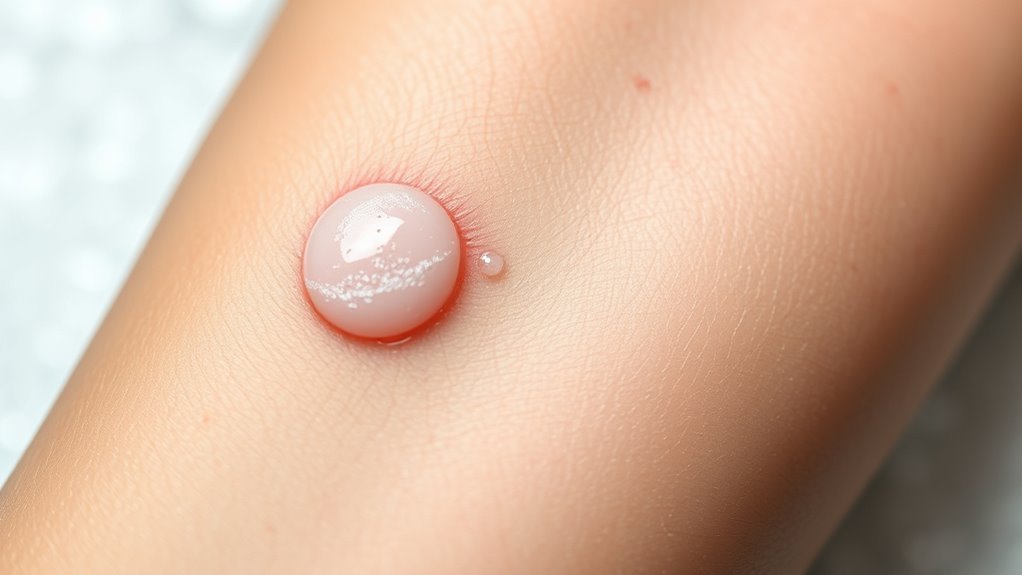
The thicker, denser composition of white ink doesn’t just affect how your skin absorbs it—it also heightens skin sensitivity during the tattooing process. Because white ink particles are larger and more concentrated, your skin reacts more intensely, making the area more prone to irritation.
Here’s how white ink can affect your skin sensitivity:
- Increases inflammation due to the denser pigment load
- Causes heightened nerve response, resulting in more pain
- Prolongs healing time as the skin works harder to settle the pigment
- Raises the chance of temporary redness and swelling
Understanding these effects helps you prepare for a potentially more sensitive experience when getting white ink tattoos. So, if you’re thinking about a white ink tattoo, keep these points in mind—it might feel a bit different than your usual ink.
The Tattooing Process With White Ink Compared to Other Colors

When you get a tattoo with white ink, you’ll notice the artist has to work differently compared to other colors. White ink is less pigmented and requires more layers to appear vibrant, meaning the needle goes over your skin repeatedly. This can increase discomfort.
Additionally, the artist often uses slower, more deliberate strokes to avoid spreading the ink unevenly. Your skin may feel more irritated because of this extra attention.
| Aspect | White Ink Process | Other Colors Process |
|---|---|---|
| Needle passes | Multiple, slow layers | Fewer, quicker passes |
| Ink density | Low, needs layering | High, single application |
| Skin irritation | Higher due to layering | Lower, less trauma |
| Artist technique | Careful, precise | Faster, fluid |
| Healing impact | Longer, more sensitive | Standard healing |
The Role of Ink Opacity and Pain Perception
You might notice that the extra layers and careful strokes with white ink relate closely to how its opacity affects pain perception. White ink is highly opaque, meaning tattoo artists often need to go over the same spot multiple times to achieve the desired brightness. This repeated needle penetration can increase discomfort.
White ink’s opacity means multiple passes with the needle, often making the tattooing process more uncomfortable.
Here’s why ink opacity matters for pain: Opaque inks like white require more passes, increasing skin trauma. Thicker ink layers press deeper, stimulating more nerve endings.
The skin’s sensitivity varies by location, amplifying pain with repeated strokes. Plus, less pigment absorption means the needle must be more precise, which can intensify the sensation.
Understanding this helps explain why white tattoos might hurt more despite their subtle appearance. It’s all about how the ink behaves and how your skin reacts.
Aftercare Challenges for White Ink Tattoos
Because white ink is less pigmented and more delicate, caring for a white tattoo demands extra attention to prevent fading and discoloration. You’ll need to be especially cautious with sun exposure since white ink fades faster when exposed to UV rays.
Moisturizing regularly helps keep the skin healthy, but avoid heavy creams that might clog pores and interfere with healing. You should also steer clear of abrasive products or exfoliants around the tattooed area, as they can wear down the ink.
Since white ink sits closer to the skin’s surface, it’s more vulnerable to scabbing and irritation, so resist picking or scratching. Following your artist’s aftercare instructions carefully ensures your white tattoo stays vibrant and reduces the risk of infection or unwanted color changes.
Tips to Minimize Discomfort When Getting White Ink Tattoos
To minimize discomfort when getting white ink tattoos, you should consider applying numbing cream before your session.
Preparing properly by staying hydrated and well-rested also helps your body handle the pain better. These simple steps can make the experience much more manageable.
Numbing Cream Application
Although white tattoo ink can cause more sensitivity, applying numbing cream effectively can help ease the discomfort during your session. To get the best results, make sure you follow these key steps.
First, choose a cream with a strong active ingredient like lidocaine. Next, clean the area thoroughly before application to guarantee better absorption. Apply a thick, even layer and cover it with plastic wrap to lock in moisture and boost numbing power.
Leave it on for the recommended time—usually 30 to 60 minutes—before your tattoo artist starts. Remember, proper application can make a big difference in how you feel.
- Use a trusted, high-quality numbing cream
- Clean and dry skin before applying
- Cover with plastic wrap for better absorption
- Follow timing instructions precisely for safety and effect
Tattoo Session Preparation
Applying numbing cream is just one part of easing discomfort when getting white ink tattoos. To minimize pain, make sure you’re well-rested and hydrated before your session.
Avoid alcohol and caffeine, as they can thin your blood and increase sensitivity. Eat a balanced meal beforehand to stabilize your blood sugar levels, helping you stay comfortable longer.
Wear loose, breathable clothing that provides easy access to the tattoo area without irritation. Communicate openly with your artist—if you start feeling too much pain, don’t hesitate to ask for breaks.
Finally, mentally prepare yourself by practicing deep breathing or meditation techniques to manage discomfort. These steps will help you handle the extra sting white ink often causes, making the experience smoother and more manageable.
Frequently Asked Questions
Does White Tattoo Ink Fade Faster Than Other Colors?
Yes, white tattoo ink tends to fade faster than other colors because it’s less pigmented and more transparent.
You’ll need more frequent touch-ups to keep it looking bright and noticeable over time.
It’s pretty common for white ink to lose its vibrancy quicker than darker inks, so staying on top of maintenance is key.
Can White Ink Tattoos Be Done on Darker Skin Tones?
You absolutely can rock white ink tattoos on darker skin tones!
Though they might not pop like neon signs, skilled artists can create stunning, subtle designs that glow uniquely. This makes your tattoo truly one-of-a-kind and eye-catching.
Are There Any Allergic Reactions Specific to White Tattoo Ink?
Yes, you can experience allergic reactions specific to white tattoo ink, like itching, redness, or swelling.
White ink often contains titanium dioxide, which can cause sensitivity or allergies in some people. So, watch for symptoms carefully.
How Long Does a White Ink Tattoo Typically Take to Heal?
Your white ink tattoo typically takes about 2 to 3 weeks to heal on the surface, but full healing can take up to 4 to 6 weeks.
Keep it clean and moisturized to speed up recovery. It really helps your skin heal better and faster. Just be patient and give your tattoo the care it needs!
Can White Ink Tattoos Be Easily Covered up Later?
You know what they say, “You can’t judge a book by its cover.” White ink tattoos can be tricky to cover up later because they’re less pigmented.
But skilled artists can still work their magic to conceal them effectively. It might take a bit more effort, but it’s definitely possible.
Conclusion
You might think white tattoo ink hurts more because it’s just another color, but its unique composition actually makes your skin react differently. The opacity and how your body processes white ink can heighten sensitivity, making the experience sharper than with other colors.
Understanding this helps you prepare better. So, if you’re considering white ink, know that the extra sting is real—but manageable with the right care and mindset. Remember, the pain from white tattoo ink is often linked to its chemical makeup and how it interacts with your skin’s nerves.
Taking good care of your tattoo during and after the session can reduce discomfort. So, if you want a white tattoo, don’t let the extra pain discourage you—it’s all part of the process, and with proper preparation, you can handle it just fine.