Does Tattoo Ink Have Metal Ingredients?
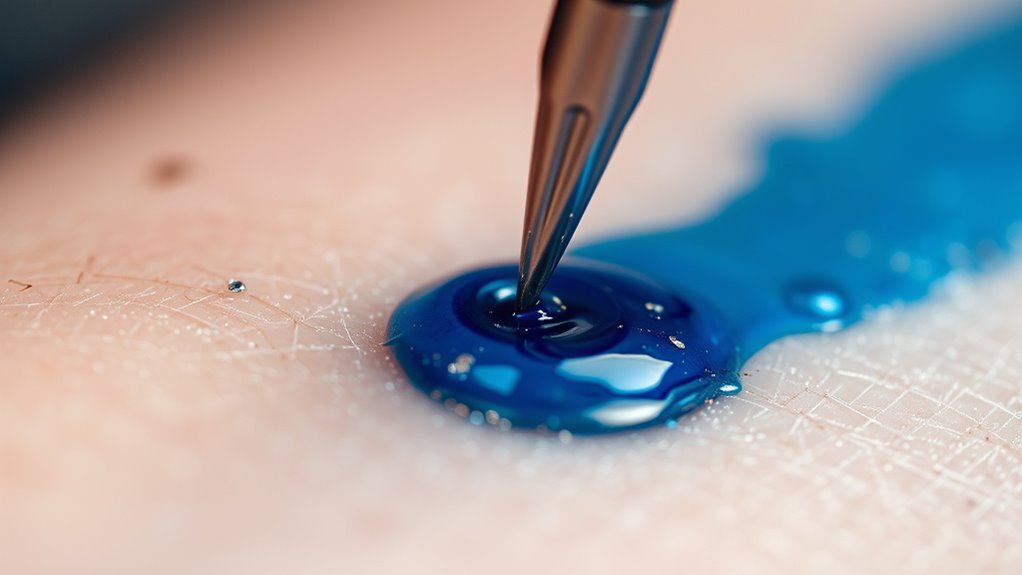
Yes, tattoo ink often contains metal ingredients like iron, titanium, and chromium to create vibrant and lasting colors. These metals play a key role in how pigments reflect and absorb light, which gives your tattoo its brightness and durability.
If you’re curious about what’s inside tattoo ink, metals are a big part of the mix.
However, it’s important to know that some metals can cause allergic reactions or skin irritation. So, if you have sensitive skin or are worried about health risks, choosing metal-free or hypoallergenic inks might be a safer bet.
Want to learn how to spot safer inks and avoid potential problems? There’s plenty of detailed info available to help you make the best choice for your skin and style.
Key Takeaways
- Many tattoo inks contain metal-based pigments like iron oxide, titanium dioxide, copper, and chromium for color vibrancy and durability. Iron oxides produce reds and browns, while titanium dioxide creates white opacity. Copper compounds are used to yield blues and greens in tattoo inks.
- Metals such as nickel, chromium, and cobalt in inks can cause allergic reactions or skin irritation in sensitive individuals. So, if you have sensitive skin, it’s something to watch out for.
- Some tattoo inks are formulated as metal-free or hypoallergenic to reduce risks of allergic reactions and health concerns. These options can be a safer choice if you’re worried about metal ingredients.
- Regulatory standards and clear ingredient labeling help consumers identify safer tattoo inks with minimal or no metal content. This way, you can make an informed decision before getting inked.
Common Components of Tattoo Ink

What exactly goes into the ink that colors your skin? Tattoo ink typically contains pigments suspended in a carrier solution. The pigments give your tattoo its color, ranging from natural to synthetic substances.
You’ll find carbon black, iron oxide, and titanium dioxide among common pigments. The carrier solution keeps the pigments evenly mixed and helps the ink flow smoothly from the needle into your skin.
It usually contains water, alcohol, and sometimes glycerin to maintain consistency and prevent clumping. While each brand varies slightly, these components form the basic recipe.
Knowing this helps you understand what you’re putting into your body and can guide you when choosing safer, high-quality inks for your tattoos.
Types of Metals Found in Tattoo Ink
You’ll find several metals in tattoo inks, like iron, titanium, and chromium, which give colors their vibrancy. These metals help create striking designs that really stand out.
But, here’s the thing — they can also pose health risks, including allergic reactions or skin irritation. It’s important to understand what’s in the ink before you get tattooed.
Knowing about these metals helps you make safer choices when getting inked. That way, you can enjoy your tattoo without unwanted surprises.
Common Metallic Pigments
Although tattoo inks contain a variety of pigments, metallic compounds play a crucial role in producing vibrant and lasting colors. You’ll often find iron oxides in red, brown, and black inks, giving these shades their rich depth.
Titanium dioxide is common in white ink, providing opacity and brightness. For blues and greens, copper-based pigments like copper phthalocyanine are frequently used to create vivid tones.
You might also encounter chromium compounds in green inks, adding durability and intensity. These metals aren’t just about color; they help the ink maintain stability over time.
When you get a tattoo, these metallic pigments work together to ensure your design stays sharp and colorful for years. Understanding these common metals gives you insight into what’s beneath the skin’s surface.
Health Risks of Metals
Since metals play a key role in tattoo inks, it’s important to understand their potential health risks. When you get a tattoo, metals like nickel, chromium, and cobalt can cause reactions or complications.
Here are three key risks to contemplate:
- Allergic Reactions – Metals such as nickel are common allergens, causing itching, redness, or swelling at the tattoo site.
- Skin Sensitivity – Some metals may trigger long-term sensitivity or dermatitis, especially in people with metal allergies.
- Toxicity Concerns – Certain metals can be toxic if absorbed in large amounts, potentially affecting your immune system or organs over time.
Being aware of these risks helps you make informed decisions about your tattoo and care for your skin properly.
Why Metals Are Used in Tattoo Pigments

When you choose a tattoo, metals in the ink play a crucial role in creating vibrant and lasting colors. Metals like iron, titanium, and copper give pigments their distinct hues—iron oxide produces reds and browns, titanium dioxide creates bright whites, and copper compounds yield blues and greens.
These metals help the ink absorb and reflect light, ensuring your tattoo stays vivid over time. They also provide stability, preventing colors from fading quickly when exposed to sunlight or skin oils.
Without these metal-based compounds, tattoo colors would be dull and less durable. So, the presence of metals isn’t just incidental; it’s essential for the quality and longevity of your tattoo’s appearance, making your body art both striking and enduring.
Potential Allergic Reactions to Metal Ingredients
If you have sensitive skin, metal ingredients in tattoo inks can sometimes trigger allergic reactions. Metals like nickel, chromium, and cobalt are common allergens found in some pigments. You might experience itching, redness, or swelling around the tattoo site.
In rare cases, reactions can be more severe, causing blistering or chronic dermatitis. So, it’s good to be aware of these possibilities before getting a tattoo.
Here are three potential allergic reactions to metal ingredients in tattoo ink:
- Contact Dermatitis – Red, itchy rash appearing days or weeks after tattooing.
- Photosensitivity – Increased skin sensitivity to sunlight, causing irritation or discoloration.
- Granulomatous Reactions – Small bumps forming due to the immune system’s response to metal particles.
Knowing these risks helps you make informed choices about tattoo ink ingredients and aftercare. Always keep an eye on how your skin reacts and talk to a professional if you notice anything unusual.
Safety Regulations and Standards for Tattoo Ink
Although tattoo ink ingredients can cause reactions, regulators have stepped up to guarantee inks meet safety standards that protect your health. When you get a tattoo, you can trust that the inks used have been evaluated for harmful substances, including toxic metals.
Agencies like the FDA in the U.S. monitor pigments, ensuring they don’t contain dangerous levels of heavy metals like lead or cadmium. In Europe, strict regulations require ink manufacturers to disclose ingredients and adhere to limits on toxic compounds.
Regulators like the FDA and European agencies ensure tattoo inks are safe by limiting harmful heavy metals.
These standards help reduce risks of allergic reactions and long-term health issues. Still, it’s vital you choose reputable tattoo artists who use approved inks.
Staying informed about these regulations empowers you to make safer choices and enjoy your tattoo experience confidently.
How to Choose Metal-Free or Hypoallergenic Tattoo Inks
When choosing tattoo ink, look for metal-free or hypoallergenic options to reduce the risk of skin reactions. These inks often use safer ingredients that minimize irritation and allergic responses.
Understanding these benefits helps you make a better choice for your tattoo’s safety and comfort. It’s all about keeping your skin happy while you get your new art!
Identifying Safe Ink Options
Choosing metal-free or hypoallergenic tattoo inks requires careful attention to the ingredients listed on the label. These inks reduce the risk of skin irritation and allergic reactions.
To identify safe ink options, start by verifying that the ink is explicitly labeled as metal-free or hypoallergenic. Next, check for certifications or approvals from dermatological or health organizations, which add credibility.
Finally, research the manufacturer’s reputation and reviews to ensure transparency about their ingredients and safety standards. Here’s how to proceed:
- Look for clear ingredient lists and avoid inks containing heavy metals like nickel or cobalt.
- Choose inks tested for hypoallergenic properties and free from common allergens.
- Consult your tattoo artist about trusted brands that prioritize safe, non-toxic formulations.
Benefits of Hypoallergenic Formulas
Understanding the benefits of hypoallergenic tattoo inks helps you make informed decisions that protect your skin’s health. These formulas are designed without common irritants, including certain metals like nickel or chromium, reducing the risk of allergic reactions.
When you choose metal-free or hypoallergenic inks, you minimize redness, swelling, and itching during and after tattooing. This is especially important if you have sensitive skin or allergies.
Hypoallergenic inks also promote faster healing and lower the chance of long-term skin complications. To pick the right ink, look for labels specifying “metal-free” or “hypoallergenic,” and consult your tattoo artist about their ink sources.
Frequently Asked Questions
How Long Does Tattoo Ink With Metals Stay Vibrant?
Your tattoo ink with metals can stay vibrant for years, typically 5 to 10, depending on ink quality, skin type, and sun exposure.
You’ll want to protect it to keep those colors bright longer.
Taking good care of your tattoo really makes a difference. Just remember, the better you look after it, the longer those colors pop.
Can Metal Ingredients in Tattoo Ink Fade Over Time?
Imagine you notice your tattoo’s blue hue fading after a few years. Yes, metal ingredients like cobalt can fade over time due to sun exposure and skin regeneration.
Do Metal-Containing Tattoo Inks Affect MRI Scans?
Yes, metal-containing tattoo inks can sometimes cause discomfort or distort MRI images. If you have tattoos, inform your technician beforehand.
That way, they can take precautions and guarantee the scan results stay accurate and safe for you.
Are Metal-Free Tattoo Inks More Expensive?
Yes, metal-free tattoo inks usually cost more because they require specialized ingredients and manufacturing.
If you want safer options for sensitive skin or MRI compatibility, be ready to pay a bit extra for these premium inks.
Can Children Receive Tattoos With Metal-Based Inks?
You can’t legally get tattoos as a child, regardless of ink type. Metal-based inks might cause allergic reactions, so even adults should be cautious.
Always check local laws and consult a professional before deciding. It’s better to be safe and well-informed!
Conclusion
When you decide to get a tattoo, remember that ink often carries hidden metals—like tiny sparks coloring your skin. These metals give vibrancy but might also trigger allergic fires beneath the surface.
By choosing metal-free or hypoallergenic inks, you’re shielding your body from unwanted reactions, letting your art shine safely. Think of your skin as a canvas that deserves only the purest colors—so pick wisely and wear your story without worry.
Tattoo ink can contain metal ingredients like iron oxide, titanium dioxide, and other metallic compounds. While these metals enhance color and durability, they may cause allergic reactions or sensitivities in some people.
Opting for inks without metal ingredients helps reduce the risk of irritation and supports safer tattoo experiences. So, when considering tattoo ink, be mindful of its metal content to protect your skin and enjoy your tattoo with confidence and peace of mind.