
How to Take Ink off Skin With a Simple Step-By-Step Guide
First, identify the ink type—ballpoint or permanent—then gather rubbing alcohol, soap, and warm water. Knowing what kind of ink you’re dealing with helps you choose the best method to take ink off skin quickly and effectively.
Start by washing the area with warm water and soap, rubbing gently. This simple step often removes fresh ink without much effort.
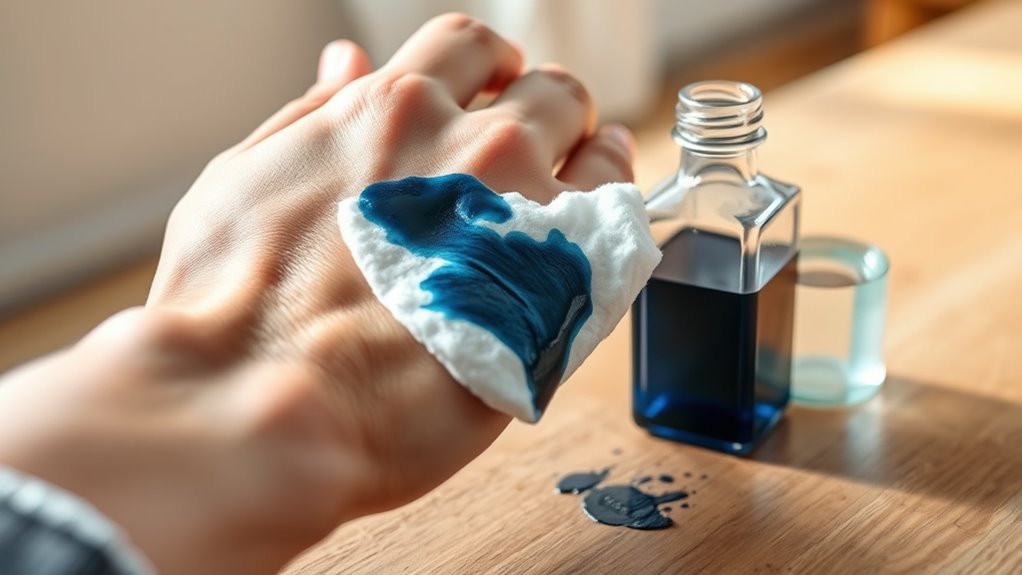
If the ink remains, apply rubbing alcohol or hand sanitizer on a cotton ball to lift it, but be sure to test your skin sensitivity first. You want to avoid irritation while removing those stubborn marks.
For even more stubborn ink, try a baking soda and water paste. It works as a mild abrasive to help break down the ink without harsh chemicals.
Always moisturize afterward to soothe and protect your skin. Keeping your skin healthy is just as important as removing the ink.
Keep going to discover more helpful tips and safety advice for ink removal!
Key Takeaways
– Identify the ink type (oil-based, permanent marker, or washable) to select the best removal method and avoid skin irritation.
This step is important because using the wrong method can make things worse.
– Wet the skin with warm water, apply soap, and gently rub in circular motions to loosen and remove fresh ink stains.
Try to be gentle so you don’t irritate your skin further.
– Use rubbing alcohol or hand sanitizer on a cotton ball to dissolve stubborn ink, testing on a small skin area first.
This helps make sure you won’t have a reaction before applying it to a larger area.
– Rinse thoroughly after removal and immediately moisturize to restore hydration and soothe any skin irritation.
Moisturizing right away really helps your skin feel better.
– Avoid harsh scrubbing and keep the skin hydrated with gentle moisturizers to support healing and prevent dryness.
Taking care of your skin after ink removal is just as important as getting the ink off!
Identify the Type of Ink on Your Skin
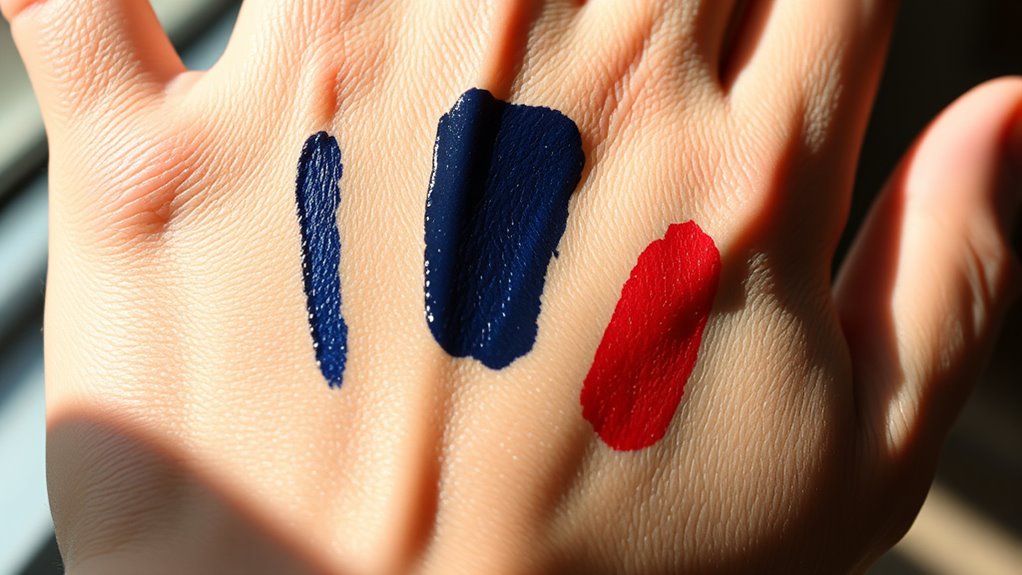
Before you try to remove ink from your skin, you need to identify what type of ink it is. Different inks react differently to removal methods, so knowing the type helps you choose the safest and most effective approach.
Is it ballpoint pen ink, which is oil-based and tends to sit on the skin’s surface? Or is it permanent marker ink, which is more stubborn and designed to resist fading? You might also be dealing with washable ink, often used in kids’ markers, which washes away more easily with soap and water.
If you’re unsure, think about where the ink came from and how it feels on your skin—sticky, oily, or dry. Identifying the ink type first prevents skin irritation and improves your chances of success.
Gather Household Items for Ink Removal
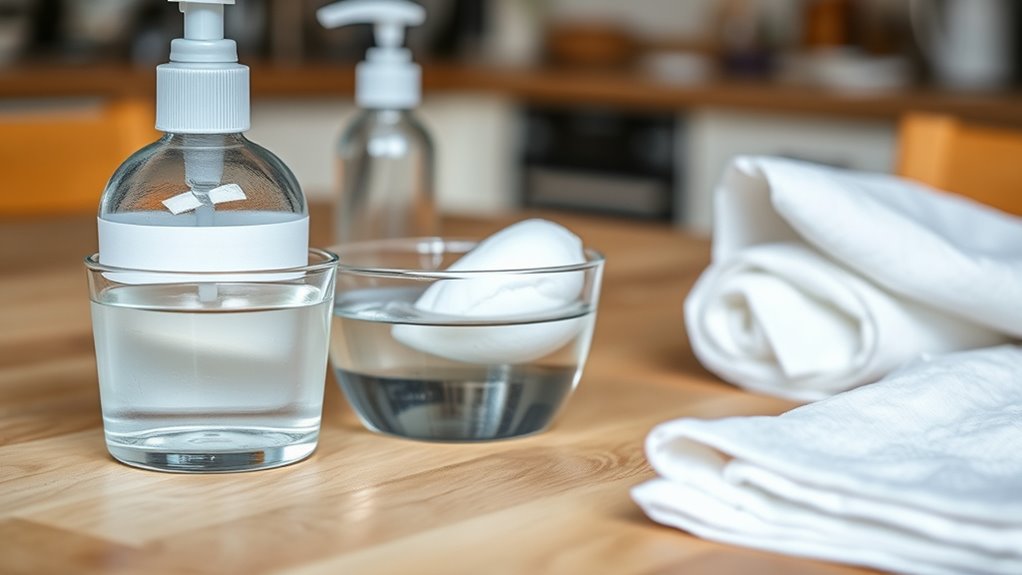
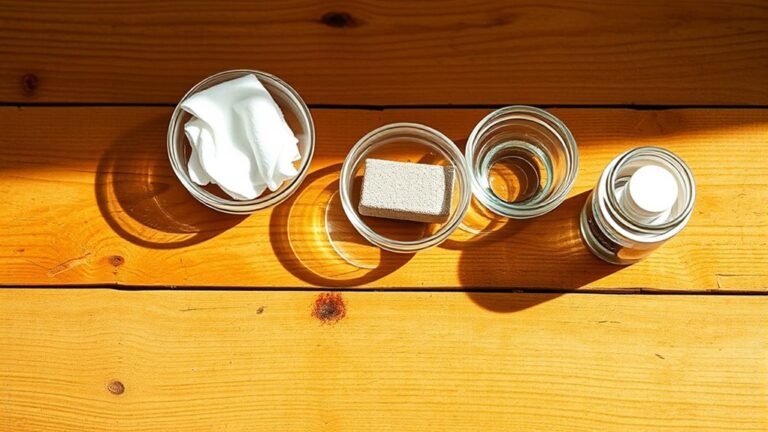
Once you know the type of ink you’re dealing with, gather common household items that can help remove it effectively. These items are usually easy to find and can save you a trip to the store.
Depending on the ink, some may work better than others, so having a few options ready is helpful.
| Item | Purpose | Notes |
|---|---|---|
| Rubbing Alcohol | Breaks down ink pigments | Use a cotton ball for application |
| Baking Soda | Acts as a gentle abrasive | Mix with water to form paste |
| Olive Oil | Loosens ink from skin | Good for sensitive skin |
| Toothpaste | Contains mild abrasives | Use non-gel variety |
Make sure to gather these items before starting removal for quick and efficient results. It’ll make the whole process smoother and less stressful.
Use Soap and Warm Water to Start
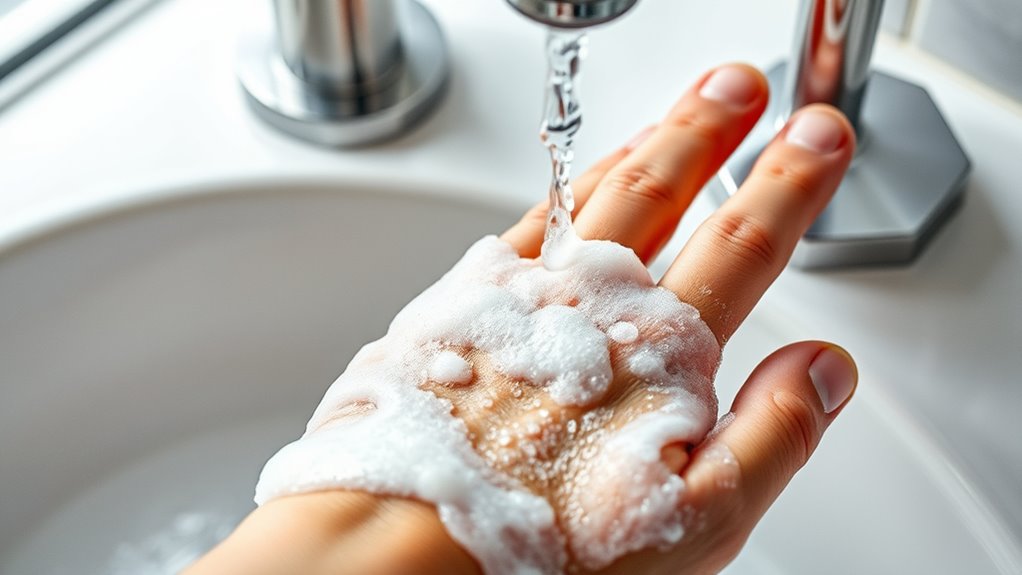
Although some inks can be stubborn, you can often start removing them by washing the area with soap and warm water.
Begin by wetting the ink-stained skin with warm water, which helps loosen the ink particles. Apply a generous amount of liquid soap and gently rub the area in circular motions using your fingers or a soft cloth.
This action helps break down the ink without irritating your skin. Rinse thoroughly with warm water and check if the ink has faded.
If some ink remains, repeat the process a couple of times. Just be careful not to scrub too hard to prevent redness or damage.
This simple method is safe and effective for most ink stains. It’s a great first step before trying stronger removal techniques.
Try Rubbing Alcohol or Hand Sanitizer
If soap and water don’t fully remove the ink, grab some rubbing alcohol or hand sanitizer. Make sure you choose one with at least 60% alcohol and apply it gently to avoid irritating your skin.
Remember to test a small area first and rinse thoroughly after use to keep your skin safe. It’s a simple trick, but it really works!
Choosing the Right Alcohol
When you need to remove ink from your skin, choosing the right type of alcohol can make a big difference. Rubbing alcohol, which usually contains isopropyl alcohol, is a strong option that breaks down ink effectively without harsh chemicals.
It’s widely available and affordable, making it a go-to choice. Hand sanitizer, on the other hand, often contains alcohol mixed with moisturizing agents. This can be gentler on your skin but still works well to loosen ink stains.
Try to avoid using pure ethanol or other types of alcohol that might be too harsh or irritating. Always pick something with at least 60% alcohol content to make sure it dissolves the ink properly.
Picking the right alcohol helps you remove ink efficiently while keeping your skin from getting irritated.
Application Techniques Explained
Since rubbing alcohol and hand sanitizer differ in consistency, you’ll need to adjust how you apply each to get the best results. For rubbing alcohol, pour a small amount onto a cotton ball or pad, then gently rub the ink-stained area in circular motions.
This helps break down the ink without over-saturating your skin.
If you’re using hand sanitizer, squeeze a pea-sized amount directly onto the ink spot. Rub it in with your fingers until the ink starts to lift.
Because hand sanitizer is gel-like, it stays put better and reduces mess.
In both cases, don’t rush—give the solution time to dissolve the ink before wiping away with a clean cloth. Repeat if necessary, but avoid excessive scrubbing to protect your skin.
Safety Precautions to Follow
Although rubbing alcohol and hand sanitizer are effective at removing ink from your skin, you need to take certain safety precautions to avoid irritation or dryness. First, test a small patch on your skin to check for any allergic reactions.
Avoid applying these products to broken or sensitive skin, as they can cause stinging or worsen irritation. Use them sparingly—too much can dry out your skin.
After removal, wash the area with mild soap and water, then apply a moisturizer to restore hydration. Avoid prolonged contact and never ingest these substances.
If you experience redness, itching, or discomfort, stop using them immediately. Following these precautions will help you safely remove ink without harming your skin.
Apply Baking Soda and Water Paste
If you want a simple yet effective method to remove ink from your skin, try applying a paste made of baking soda and water. Start by mixing equal parts of baking soda and water in a small bowl until you get a thick paste.
Next, use your fingers or a cotton ball to gently rub the paste onto the ink-stained area in circular motions. The mild abrasiveness of baking soda helps lift the ink without irritating your skin.
Keep rubbing for about one to two minutes, then rinse off with warm water. Repeat if necessary, but don’t overdo it to avoid skin dryness.
This natural approach is quick, affordable, and safe for most skin types, making it a great go-to solution for ink removal. Give it a try!
Moisturize After Removing Ink
Once you’ve removed the ink, it’s important to moisturize your skin right away to prevent dryness and irritation.
Choose a gentle moisturizer that soothes and hydrates without causing more irritation.
Keeping your skin hydrated helps it heal faster and stay healthy after cleaning.
Choose Gentle Moisturizers
After removing ink from your skin, you’ll want to apply a gentle moisturizer to soothe and protect the area. Choose products free from harsh chemicals, fragrances, and alcohol, because these can irritate your skin even more.
Look for moisturizers with natural ingredients like aloe vera, chamomile, or shea butter. They help calm redness and bring moisture back to your skin.
Try to avoid thick or greasy creams that might clog your pores, especially if your skin tends to be oily. Instead, go for lightweight lotions or gels that soak in quickly and keep your skin hydrated without causing breakouts.
Applying a gentle moisturizer not only makes your skin soft again but also supports its natural barrier. This helps your skin recover faster after the ink removal process.
Apply Immediately Post-Cleaning
Keeping your skin hydrated doesn’t stop at choosing the right moisturizer—you need to apply it immediately after removing the ink. Once the ink is gone, your skin might feel dry or irritated, so applying moisturizer right away helps restore moisture and soothe any discomfort.
Don’t wait until your skin starts to flake or feel tight; the sooner you moisturize, the better. Use a gentle, fragrance-free lotion or cream, and apply it in a thin, even layer.
This quick step seals in hydration and supports your skin’s natural barrier after exposure to ink removers or scrubbing. Make it part of your routine every time you clean ink off your skin to keep it healthy and comfortable.
Benefits of Hydrated Skin
Although removing ink might seem like the final step, moisturizing your skin plays an essential role in maintaining its health. When you take ink off, you often strip away natural oils and moisture, leaving your skin dry and irritated.
Applying a moisturizer helps restore hydration, soothes any redness or inflammation, and supports the skin’s natural barrier. This prevents flaking, itching, or cracking, which can happen after using harsh cleaning methods.
Plus, hydrated skin heals faster, reducing the chance of lingering marks or discomfort. By moisturizing right after ink removal, you keep your skin soft, supple, and resilient.
Frequently Asked Questions
Can Ink Stains Cause Skin Allergies or Irritation?
Yes, ink stains can cause skin allergies or irritation, especially if you have sensitive skin or if the ink contains harmful chemicals.
You should clean it off promptly to avoid redness, itching, or discomfort. It’s always better to be safe and wash the area as soon as you notice the stain.
Is It Safe to Use Nail Polish Remover on Skin Ink Stains?
You shouldn’t use nail polish remover on skin ink stains regularly, as it can irritate or dry out your skin.
If you do, test a small area first and moisturize afterward to avoid discomfort or damage.
How Long Does It Take for Ink to Naturally Fade From Skin?
Ink usually takes about a few days to a week to naturally fade from your skin, depending on ink type and your skin’s exfoliation rate.
You can speed this up by gently washing and moisturizing regularly. It helps your skin shed the ink faster, you know? Just be gentle so you don’t irritate your skin.
Can Ink Removal Methods Damage Sensitive or Broken Skin?
Sure, you can totally turn your skin into a science experiment!
But seriously, harsh ink removers can irritate sensitive or broken skin, so you’ll want to use gentle methods and patch-test first to avoid turning your arm into a disaster zone.
Are There Any Professional Treatments for Stubborn Ink Stains on Skin?
Yes, you can try professional treatments like laser therapy or chemical peels for stubborn ink stains on your skin. These methods target deep stains but should be done by a dermatologist to avoid irritation or damage.
It’s always best to consult a skincare professional first. That way, you get the right treatment without risking your skin’s health.
Conclusion
Did you know that over 90% of people get ink stains on their skin at least once a year? It’s more common than you think! Luckily, with simple household items and a little patience, you can easily remove ink without harsh chemicals.
Just follow these easy steps, and you’ll have clean skin in no time. Don’t forget to moisturize afterward to keep your skin healthy and smooth!
Removing ink from skin might seem tricky, but it’s actually quite simple. Using everyday things like soap, rubbing alcohol, or even baby oil can do the trick. The key is to be gentle and patient as you work the ink away.
Remember, keeping your skin clean and moisturized after removing ink helps prevent irritation and keeps your skin feeling soft. So next time you get ink on your skin, don’t stress—just follow this step-by-step guide for quick and safe ink removal. Your skin will thank you!