
How Does Pigment Ink Work?
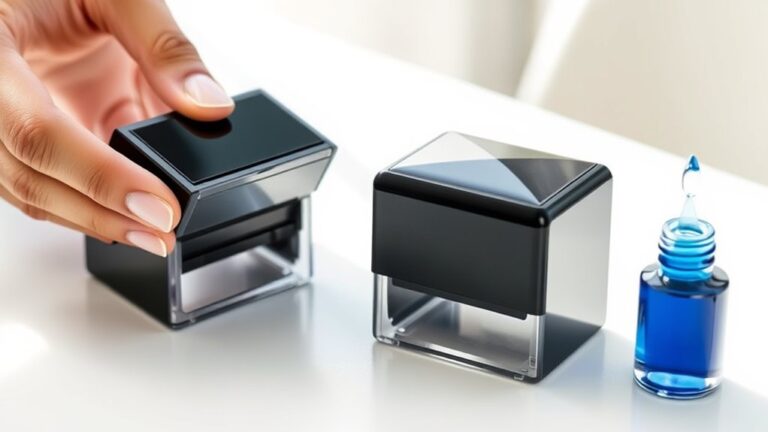
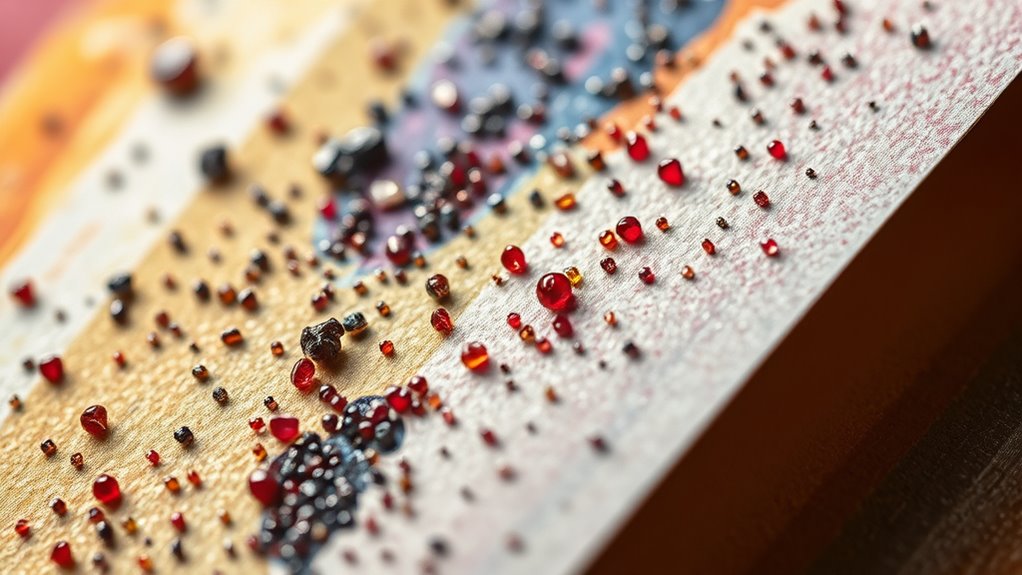
Pigment ink works by suspending tiny solid particles, often carbon or colored pigments, in a liquid carrier that you apply to paper. These particles sit on the surface and stick firmly to the paper fibers rather than soaking in.
This helps your prints resist fading, water, and smudging over time.
Because of this, pigment ink is ideal for sharp, long-lasting images. It holds up well under different conditions, making it perfect for important documents or artwork you want to keep looking great.
If you want to protect your prints and understand their benefits fully, there’s more useful information ahead to explore.
Key Takeaways
- Pigment ink contains tiny solid pigment particles suspended in a water-based liquid carrier for smooth flow through printer nozzles. These particles don’t dissolve; they just float in the liquid, ready to create vibrant prints.
- The pigment particles sit on the paper surface rather than soaking in, which means your images come out sharp, detailed, and water-resistant. This is great for keeping your prints looking fresh over time.
- Polymers coat the pigment particles to keep them evenly dispersed, so they don’t clump or settle while sitting in your printer. This helps maintain consistent print quality.
- Pigment ink produces long-lasting, fade-resistant prints because the particles stick firmly to paper fibers without dissolving completely. So your prints stay vibrant for years.
- Thanks to its durability and resistance to smudging, pigment ink is perfect for archival-quality documents, photos, and professional artwork. It’s a reliable choice when you want your work to last.
What Is Pigment Ink Made Of?
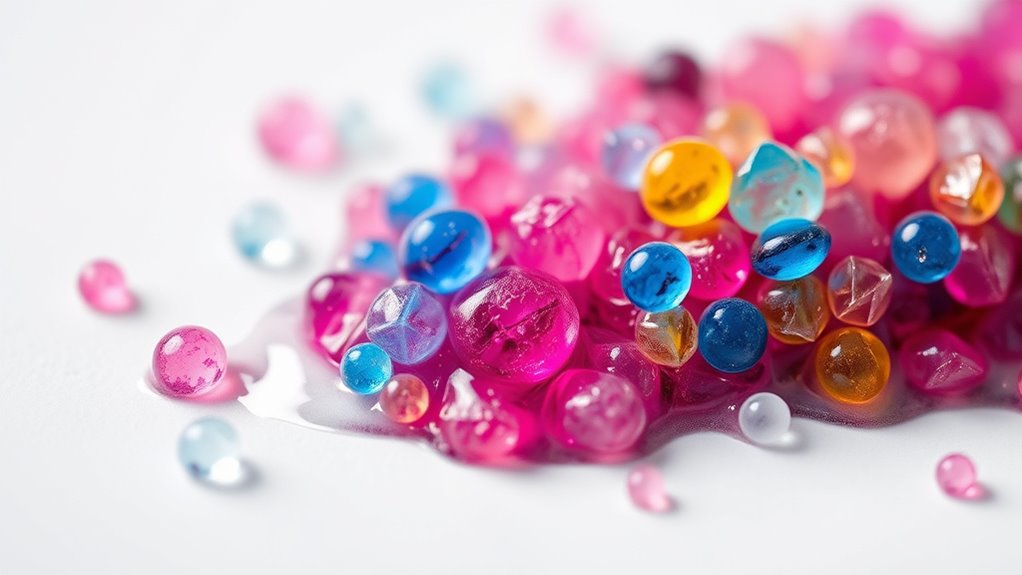
Although it might seem complex, pigment ink is made from tiny solid particles suspended in a liquid carrier. You’ll find these particles are usually made of carbon black or colored pigments, which give the ink its vibrant hues.
The liquid carrier is often water-based, helping the ink flow smoothly through your printer’s nozzles. Unlike dye-based inks that dissolve completely, pigment ink’s solid particles sit on the paper’s surface, providing durability and resistance to fading.
You’ll also notice additives in the mix, like surfactants and binders, which improve how the ink spreads and adheres to different paper types. When you print, this combination ensures sharp, long-lasting images.
That’s why pigment ink is ideal for professional-quality prints and archival documents.
The Science Behind Pigment Ink Particles
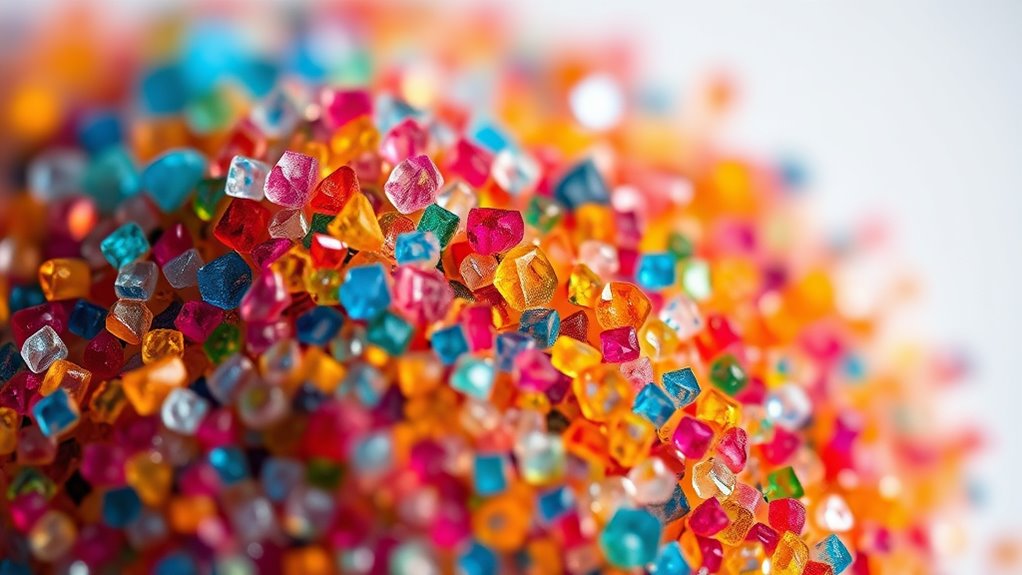
When you look closer at pigment ink particles, you’ll find they’re engineered to balance size and stability perfectly. These particles are tiny solid colorants suspended in a liquid carrier. Their small size, usually between 0.1 to 1 micrometer, ensures they don’t clog your printer nozzles while providing sharp, detailed prints.
The particles are coated with special polymers that keep them evenly dispersed, preventing clumping or settling over time. This coating also helps the particles adhere firmly to paper fibers, enhancing durability and water resistance.
Because pigment particles sit on the surface rather than soaking in, your prints stay vibrant longer. Understanding this science helps you appreciate why pigment ink offers reliable, high-quality output, especially for professional or archival printing needs.
Comparing Pigment Ink to Dye-Based Ink
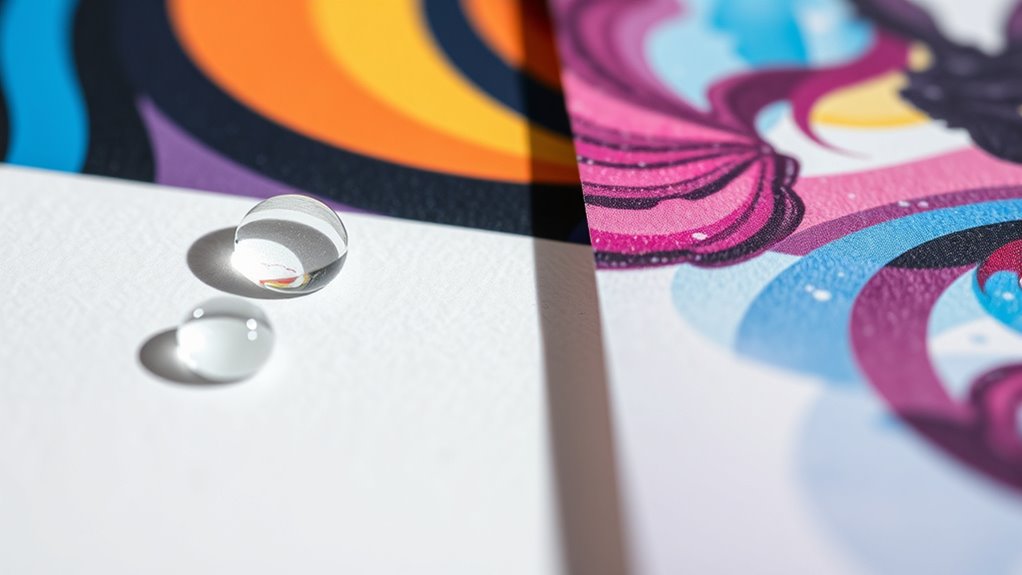
While both pigment and dye-based inks serve to produce colorful prints, they differ markedly in composition and performance. Pigment ink contains tiny solid particles that sit on the paper’s surface, creating sharp, water-resistant images.
You’ll notice its prints tend to last longer and resist fading better over time. On the other hand, dye-based ink dissolves completely in liquid, allowing it to penetrate paper fibers deeply.
This results in vibrant, bright colors that you’ll appreciate for photos and artwork. But these prints can smudge or fade more easily when exposed to water or sunlight.
When choosing between them, consider what matters most to you: longevity and durability with pigment ink, or the vivid color intensity offered by dye-based ink.
Advantages of Using Pigment Ink
You’ll appreciate how pigment ink offers impressive longevity and durability for your prints. It delivers vibrant, clear colors that stand out sharply.
Plus, it resists water and fading, keeping your images looking fresh over time.
Longevity and Durability
Because pigment ink particles sit on the surface of paper rather than soaking in, they resist fading and smudging much better than dye-based inks. This means your prints stay sharp and clear for years, even when exposed to light or moisture.
You won’t have to worry about your important documents or photos losing quality quickly. Pigment ink’s durability makes it ideal for archival projects and professional use.
| Feature | Pigment Ink |
|---|---|
| Fade Resistance | High |
| Smudge Resistance | Excellent |
| Water Resistance | Strong |
| Longevity | Decades |
| Paper Compatibility | Broad (coated & uncoated) |
This table highlights why pigment ink is your go-to for prints that last.
Color Vibrancy and Clarity
When you choose pigment ink, you get prints with vibrant colors and sharp details that stand out immediately. Pigment particles sit on the surface of the paper rather than soaking in, which helps maintain the richness and depth of each color.
You’ll notice how crisp lines and fine details remain clear and defined, making your images look professional and polished. Unlike some inks that can appear dull or muddy, pigment ink preserves the true intensity of hues, so your prints won’t lose their impact.
This clarity guarantees that whether you’re printing photos, artwork, or documents, the colors stay vivid and the text remains easy to read. It gives you consistently high-quality results every time.
Water and Fade Resistance
How does pigment ink stand up to water and fading over time? You’ll find that pigment ink offers excellent resistance to both.
Unlike dye inks, pigment particles sit on the paper’s surface, creating a barrier against water and UV rays. This means your prints won’t smudge if they get wet, and the colors stay vibrant longer.
Whether you’re printing photos, documents, or artwork, pigment ink ensures durability and longevity.
| Feature | Pigment Ink | Dye Ink |
|---|---|---|
| Water Resistance | High – resistant to smudging | Low – prone to bleeding |
| Fade Resistance | Excellent – lasts years | Poor – fades quickly |
| Surface Binding | Particles sit on surface | Dye soaks into paper |
| Ideal Use | Archival prints | Everyday printing |
| Color Vibrancy | Slightly less vibrant | Very vibrant initially |
Common Applications of Pigment Ink
Although pigment ink might seem specialized, you’ll find it in a wide range of everyday uses due to its durability and vibrant colors. When you print important documents, pigment ink guarantees they stay sharp and smudge-free over time.
Photographers and artists often choose pigment ink for high-quality prints because it preserves fine details and resists fading. If you’re into crafting or scrapbooking, pigment ink helps your projects last longer without color degradation.
Even commercial products like labels and packaging benefit from pigment ink’s waterproof and fade-resistant properties. So, whether you’re printing photos, artwork, or everyday documents, pigment ink provides the reliability and color longevity you need for professional and personal projects alike.
Tips for Maintaining Prints Made With Pigment Ink
To keep your pigment ink prints looking sharp, store them in a cool, dry place away from direct sunlight. You’ll also want to use archival-quality paper to guarantee they last over time.
These simple steps help preserve the vivid colors and fine details you worked hard to create. It’s really about protecting your work so it stays beautiful for years to come.
Proper Storage Conditions
When you want your pigment ink prints to last, storing them properly is key. Keep your prints in a cool, dry place to prevent moisture from damaging the paper or causing ink to run.
Use acid-free sleeves or folders to protect them from dust and environmental pollutants. Avoid stacking prints directly on top of each other without protection, as this can lead to smudging or scratching.
Store your prints flat to maintain their shape and prevent curling or warping. If you need to roll them, use a wide diameter tube to avoid tight creases.
Maintaining stable temperature and humidity levels will help preserve the pigment’s integrity and prevent premature fading or deterioration. Proper storage guarantees your prints look vibrant for years to come.
Avoiding Direct Sunlight
Keeping your prints safe from moisture and environmental damage is just one part of preserving pigment ink. Another essential step is avoiding direct sunlight.
When pigment ink prints are exposed to intense sunlight, ultraviolet (UV) rays can break down the pigments, causing colors to fade over time. To keep your prints looking vibrant, try to display them in spots with limited or indirect natural light.
If you need to hang them near windows, think about using UV-protective glass or acrylic frames. These can help cut down on harmful exposure.
Also, rotating your prints every now and then is a smart move. It helps prevent any one piece from getting too much sunlight for too long.
Using Archival-Quality Paper
Although pigment ink offers excellent color stability, the longevity of your prints heavily depends on the paper you choose.
Using archival-quality paper guarantees your artwork or photos stay vibrant for decades. Here’s how to pick the right paper:
- Look for acid-free paper: It resists yellowing and deterioration over time.
- Choose lignin-free options: Lignin breaks down and damages prints.
- Opt for heavyweight paper: It provides durability and prevents curling.
- Select papers with a protective coating: This helps pigment particles bond better and resists moisture.
Picking the right paper might seem tricky, but once you know what to look for, it’s pretty straightforward.
Just keep these points in mind, and your prints will look great for years to come!
Frequently Asked Questions
Can Pigment Ink Be Used in All Types of Printers?
No, you can’t use pigment ink in all printers. It’s designed mainly for inkjet printers that support it.
Using it in incompatible printers may cause clogs or poor print quality, so always check your printer’s specs first.
How Long Does Pigment Ink Typically Last in Storage?
You can typically store pigment ink for about 1 to 2 years if kept sealed and in a cool, dark place.
Over time, it might thicken or dry out, so proper storage is key to maintaining quality.
Just make sure you keep it tightly closed and away from heat or sunlight. That way, it’ll stay fresh longer!
Is Pigment Ink Safe for Skin Contact or Tattoos?
Like a cautious chef, you shouldn’t use pigment ink on your skin or tattoos—it’s not formulated for safety or absorption. It can cause irritation or allergic reactions, so stick to products designed specifically for skin use.
Seriously, it’s best to avoid taking risks with your skin. There are plenty of inks and dyes made just for tattoos and skin applications that are much safer. So, keep the pigment ink for paper and art projects only!
Does Pigment Ink Require Special Disposal Methods?
Yes, you should dispose of pigment ink carefully. It contains particles that can harm the environment, so avoid pouring it down drains.
Instead, use designated hazardous waste facilities or follow local regulations to dispose of it safely. Taking these steps helps protect our waterways and soil.
Can Pigment Ink Be Mixed to Create Custom Colors?
Yes, you can mix pigment inks to create custom colors. In fact, artists report up to 30% more color variety by blending.
Just remember, mixing too many can affect drying time and print quality. So, it’s a good idea to experiment a bit and see what works best for you.
Conclusion
Now that you know how pigment ink’s tiny particles work like steadfast guardians of color, you can appreciate its lasting brilliance. Unlike dye-based inks that fade like whispers in the wind, pigment ink stands firm, giving your prints vibrant life that won’t easily wash away.
By choosing pigment ink, you’re painting with a palette built to endure. This means your images stay sharp and vivid, like a sunrise captured forever on paper. Pigment ink is perfect for anyone who wants their prints to last longer and look amazing over time. So, when it comes to printing, pigment ink really keeps your colors bright and your memories alive.