
How to Get Ink Out of Skin Quickly and Safely
If you want to get ink off your skin quickly and safely, start by washing the area with warm water and gentle soap. This basic step helps remove fresh ink without irritating your skin. It’s simple, effective, and something you can do right away.
If that doesn’t work, try rubbing alcohol or hand sanitizer applied gently to break down the ink. These products can dissolve ink stains but be careful not to scrub too hard.
For stubborn stains, massage some coconut or baby oil onto the skin, then wipe away. These oils help lift the ink while keeping your skin moisturized.
You can also make a baking soda paste for scrubbing. Mix baking soda with a little water, apply it to the stain, and rub gently.
To keep your skin happy, don’t forget to moisturize afterward. There’s more to know about each step to help you perfectly tackle ink stains.
Key Takeaways
- Identify the ink type first to choose the safest and most effective removal method without irritating your skin.
- Wash the area with warm water and gentle soap, scrubbing softly in circular motions to lift the ink.
- Use rubbing alcohol or hand sanitizer on a cotton ball to dissolve ink, then rinse after 1-2 minutes.
- Apply coconut, olive, or baby oil to loosen ink, massage gently, then wipe away and wash off residue.
- For stubborn stains, rub a baking soda and water paste gently, rinse thoroughly, and moisturize skin afterward.
Identify the Type of Ink
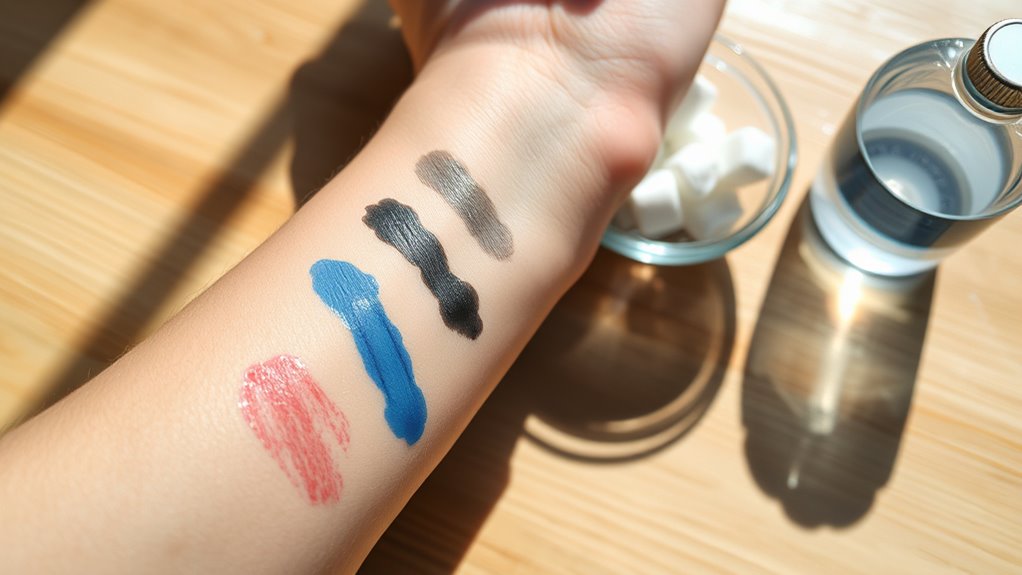
Before you try removing ink from your skin, you need to identify what kind of ink you’re dealing with. Different inks require different treatments, so knowing the type helps you choose the safest and most effective method.
For example, ballpoint pen ink is oil-based and easier to remove with certain solvents, while permanent marker ink tends to be more stubborn. If you got ink from a stamp or printer cartridge, it’s usually water-based and may come off with gentler cleaning.
Tattoo ink is a different matter altogether and won’t come off with typical household products. If you’re unsure, check the source of the ink or test a small spot.
Identifying the ink type prevents skin irritation and ensures you don’t spread the stain further. It’s always better to be safe than sorry!
Use Soap and Warm Water
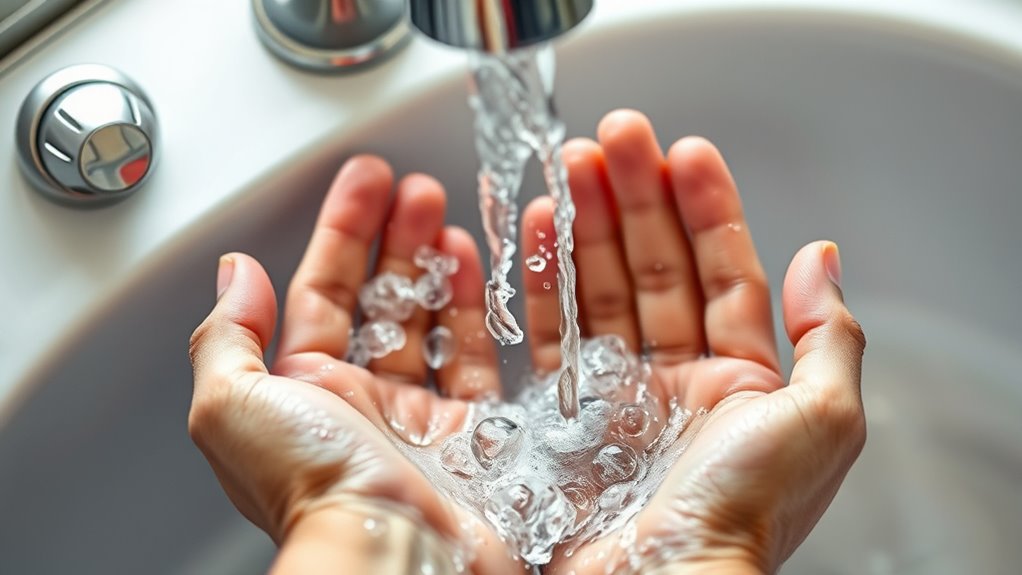
Start by choosing a mild soap to avoid irritating your skin. Use warm water to help loosen the ink without causing discomfort.
Then, gently scrub the area to lift the ink without damaging your skin. It’s all about being gentle and patient here!
Choose Mild Soap
Using a mild soap with warm water is one of the simplest and safest ways to remove ink from your skin. When choosing a soap, opt for one labeled “gentle” or “for sensitive skin.”
These soaps usually contain fewer harsh chemicals, which helps reduce the risk of irritation or dryness. Avoid antibacterial or heavily fragranced soaps, though, as they can aggravate your skin, especially if it’s already sensitive from ink exposure.
Apply a small amount of the mild soap directly to the ink-stained area, then gently rub in circular motions. This helps break down the ink without damaging your skin’s natural barrier.
Rinse thoroughly with warm water, and repeat if necessary. Using a mild soap ensures you clean effectively while keeping your skin healthy and comfortable.
Use Warm Water
A splash of warm water helps loosen ink from your skin, making it easier to remove when combined with soap. Start by running warm water over the ink-stained area; the heat opens your pores slightly, softening the ink’s grip.
Then, apply a mild soap to the wet skin and create a gentle lather. The soap works with the warm water to break down the ink particles.
Keep the area moist as you work, rinsing your hands or the affected part often. Using warm water is better than cold because it enhances the soap’s effectiveness without irritating your skin.
Just be sure the water isn’t too hot—it should feel comfortably warm to avoid dryness or redness. This simple step primes your skin for easier ink removal.
Gently Scrub Skin
Your next step involves gently scrubbing the ink-stained skin with soap and warm water to lift the remaining marks. Apply a mild soap to your damp skin, then use your fingertips or a soft cloth to lightly rub the area in circular motions.
Be careful not to scrub too hard, as this can irritate your skin. Warm water helps soften the ink, making it easier to remove, so keep the water comfortably warm but not hot.
Rinse frequently to wash away loosened ink and reapply soap as needed. Repeat this process for a few minutes until the ink fades.
If the stain persists, take a break and try again later to avoid over-scrubbing or damaging your skin.
Try Rubbing Alcohol or Hand Sanitizer
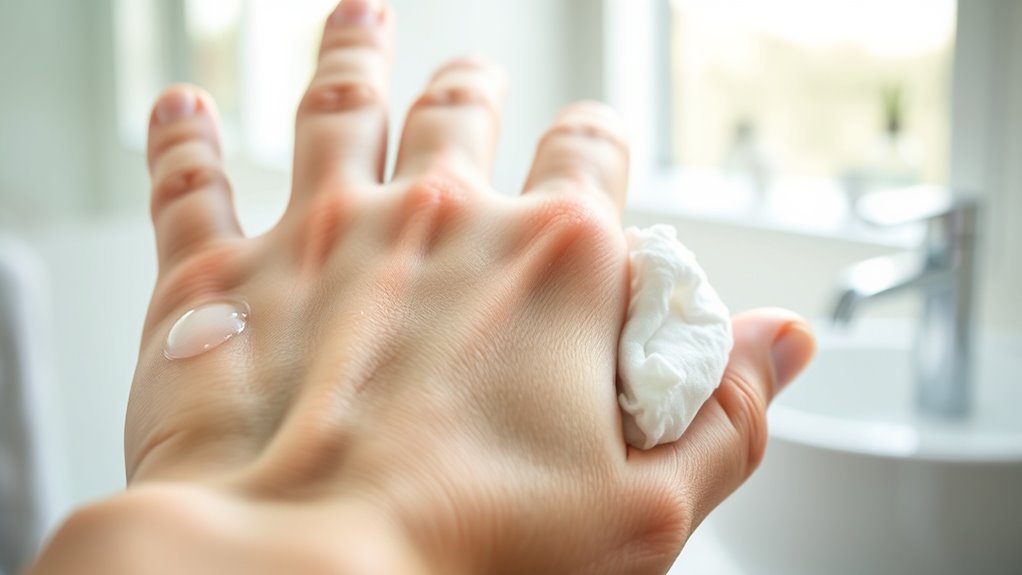
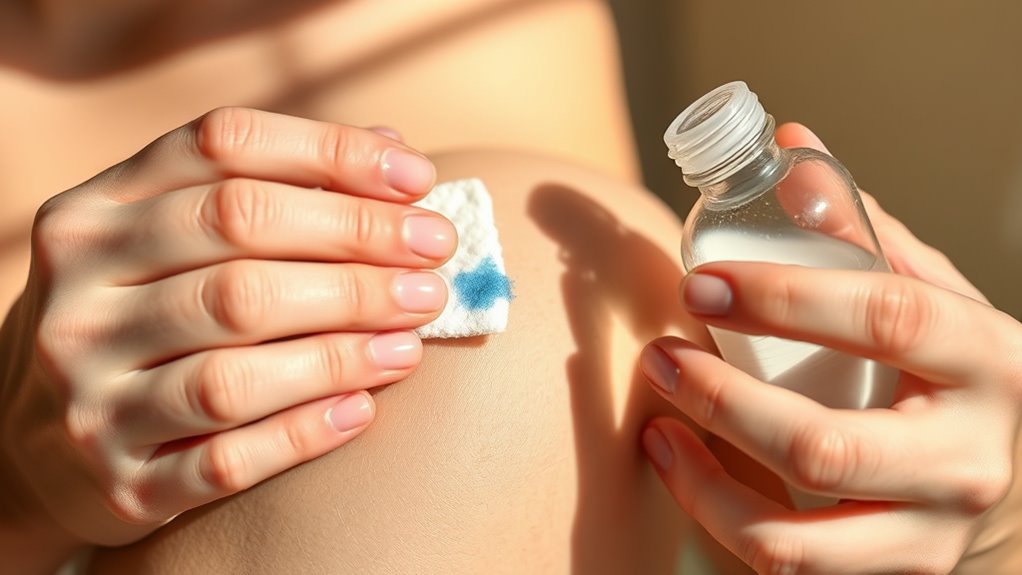
Although ink can be stubborn, rubbing alcohol or hand sanitizer often breaks it down quickly. Start by applying a small amount of rubbing alcohol or hand sanitizer to a cotton ball or directly onto the stained skin.
Rubbing alcohol or hand sanitizer quickly breaks down stubborn ink stains on skin.
Gently rub the area in circular motions, allowing the alcohol to dissolve the ink. You’ll notice the ink beginning to lift almost immediately. Be careful not to scrub too hard to avoid irritating your skin.
After a minute or two, rinse the area with warm water and pat dry. If the stain persists, repeat the process once more. Just don’t overdo it—too much alcohol can dry out or redden your skin.
This method works well because alcohol breaks down the ink’s pigments, making it easier to wash away. Give it a try!
Apply Oil-Based Products
Since ink tends to cling to the oils in your skin, applying oil-based products like coconut oil, olive oil, or baby oil can help break down the stain. Start by rubbing a small amount of your chosen oil onto the inked area using your fingers or a cotton ball.
Massage gently in circular motions for a minute or two to loosen the ink. Then, use a clean cloth or tissue to wipe away the oil and lifted ink. You might need to repeat this process a few times for stubborn stains.
Afterward, wash the area with warm water and mild soap to remove any oily residue. This method is gentle on your skin and effective for most ink types without causing irritation.
Use Baking Soda and Water Paste
When you mix baking soda with water, it creates a gentle abrasive paste that can help lift ink from your skin. Start by combining equal parts baking soda and water to form a thick paste.
Mix baking soda with water to make a gentle paste that lifts ink from your skin effectively.
Apply the mixture directly onto the ink-stained area. Gently rub the paste in circular motions for about a minute, which helps break down the ink without irritating your skin.
Afterward, rinse thoroughly with warm water. If some ink remains, repeat the process once more, but avoid over-scrubbing to prevent redness or discomfort.
Baking soda’s mild abrasiveness and natural properties make it an effective and safe choice for removing ink. Just keep in mind, this method works best on fresh stains and delicate skin, so proceed carefully to avoid causing irritation.
Moisturize and Soothe the Skin After Cleaning
After removing ink with baking soda and water, your skin might feel dry or irritated. To help it recover, gently rinse your skin with lukewarm water and pat it dry with a soft towel.
Next, apply a fragrance-free moisturizer or aloe vera gel to soothe and hydrate the area. These products help restore your skin’s natural barrier and reduce redness or discomfort.
Make sure to avoid harsh lotions or creams with alcohol since they can make irritation worse. If your skin still feels tight or itchy, try moisturizing a few times throughout the day to speed up healing.
Taking these simple steps will keep your skin healthy and comfortable after ink removal. It helps prevent further damage and promotes a quick recovery.
Frequently Asked Questions
Can Ink Stains Cause Skin Allergies or Reactions?
Yes, ink stains can cause skin allergies or reactions, especially if you’re sensitive or have broken skin.
You should wash the area promptly and avoid harsh chemicals to prevent irritation or worsening the reaction.
Is It Safe to Use Nail Polish Remover on Skin Ink Stains?
You shouldn’t use nail polish remover on skin ink stains—it contains acetone, which irritates 60% of users’ skin.
Instead, try gentle soap and water or rubbing alcohol to avoid redness and discomfort.
How Long Does Ink Typically Stay on the Skin Without Removal?
Ink usually stays on your skin for a few days without removal, fading as your skin naturally exfoliates.
If you want it gone faster, you’ll need to clean it off using gentle methods to avoid irritation. Just be patient and gentle with your skin!
Are There Specific Inks That Are Toxic if Absorbed Through Skin?
Yes, some inks contain harmful chemicals. Some inks cause irritation, and others pose health risks if absorbed through your skin.
Always check ink labels carefully. Avoid prolonged contact with the ink, and wash it off promptly to stay safe and healthy.
Can Ink Stains on Skin Be Removed With Toothpaste?
Yes, you can use toothpaste to remove ink stains from your skin. Just apply a small amount, rub gently with a cloth or your fingers, then rinse off.
It’s a safe and quick method to try. Give it a go and see how it works for you!
Conclusion
Now that you know how to get ink out of your skin quickly and safely, remember that patience pays off—“slow and steady wins the race.” Start with gentle soap and warm water.
If that doesn’t do the trick, try rubbing alcohol or oil-based products. Baking soda paste is great for stubborn stains.
Don’t forget to moisturize afterward to keep your skin healthy and soft. With these simple steps, you’ll have ink-free skin without irritation in no time.
By following these easy methods, you can safely remove ink from your skin without harsh scrubbing or damage. Using gentle soap first and then moving to rubbing alcohol or oils helps lift ink effectively. Baking soda paste tackles those tough spots, and moisturizing afterward keeps your skin feeling great. So, whether you’re dealing with pen marks or printer ink, these quick and safe tips make getting ink out of skin simple and hassle-free.