
How to Dispose of Printer Ink Cartridges Properly
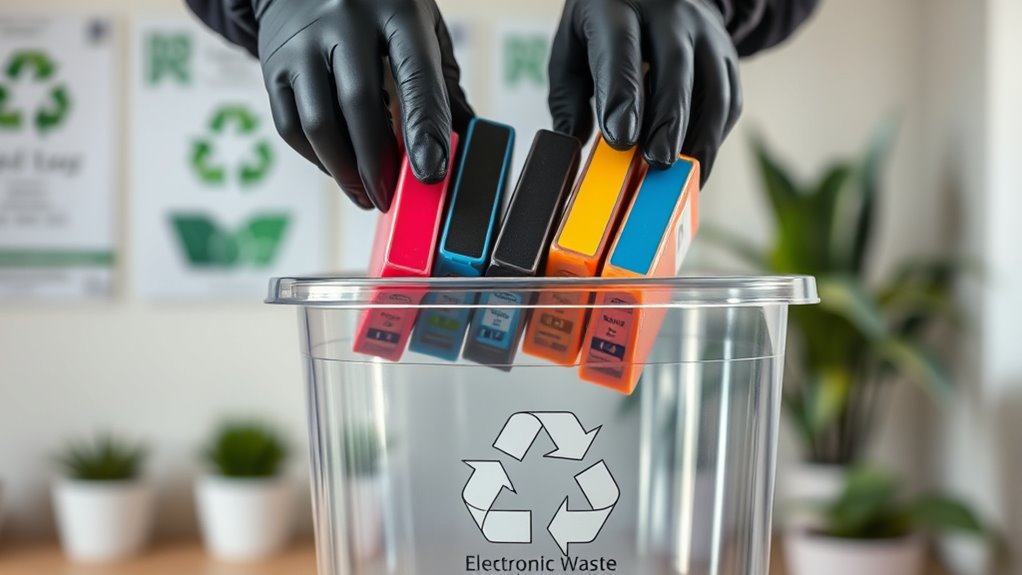
You shouldn’t toss your used printer ink cartridges in the trash because they contain toxins harmful to soil and water. Proper printer ink cartridge disposal is important to protect the environment and reduce pollution.
Instead, check if the manufacturer offers a recycling program with prepaid shipping or convenient drop-off spots near you.
Local recycling centers and office supply stores often accept cartridges too. Before recycling, seal them well to prevent any ink leaks that could cause a mess.
You can also consider donating or refilling cartridges to extend their life and reduce waste.
Keeping your printer ink cartridges out of landfills helps conserve resources and supports eco-friendly practices. Keep going to discover the best ways to handle your cartridges responsibly.
Key Takeaways
- Use manufacturer recycling programs by registering online and mailing back cartridges with prepaid labels or dropping off at designated locations. It’s usually pretty straightforward and helps keep ink cartridges out of the landfill.
- Locate local recycling centers or office supply stores that accept used cartridges for proper e-waste disposal. These places often have special bins for collecting your old cartridges safely.
- Prepare cartridges by sealing ink outlets, removing excess ink, and packing securely to prevent leaks during transport. Taking a few extra minutes here can save a mess later on.
- Consider donating cartridges to schools or nonprofits, or use refill services to extend cartridge life and reduce waste. It’s a great way to give your cartridges a second life and help others.
- Avoid throwing cartridges in household trash or mixing with regular recyclables to prevent environmental contamination and landfill overflow. Doing the right thing really makes a difference for our planet!
Understand the Environmental Impact of Ink Cartridges
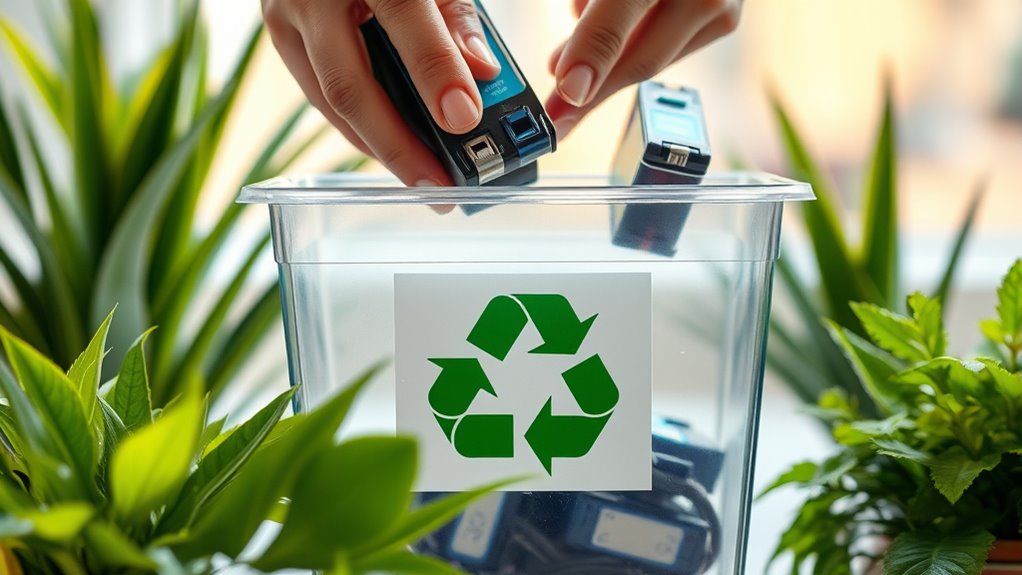
Although ink cartridges seem small and harmless, they can cause significant environmental harm if not disposed of properly. When you toss them in the trash, the plastic, metal, and leftover ink can leak harmful chemicals into the soil and water.
These toxins can disrupt ecosystems and pose risks to wildlife and human health. Besides, ink cartridges contribute to landfill overflow since they’re mostly made of non-biodegradable materials.
You might not realize it, but each cartridge takes hundreds of years to break down. Understanding this impact helps you see why proper disposal matters.
Check for Manufacturer Recycling Programs
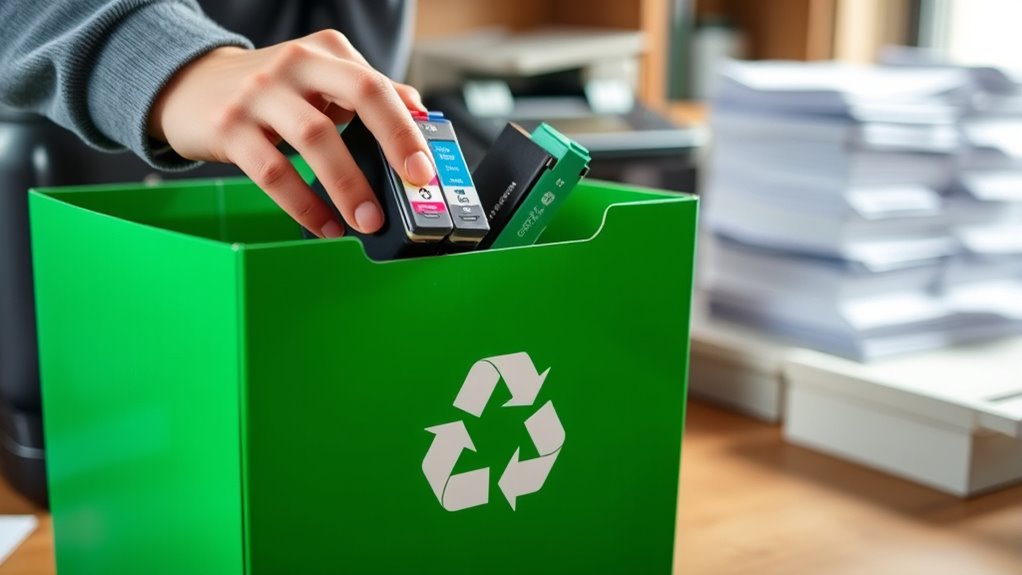
You can start by locating recycling programs offered by your printer’s manufacturer. Check what enrollment requirements they have and whether they provide prepaid return shipping options.
This makes sending back your used cartridges easy and eco-friendly. It’s a simple way to recycle without much hassle. Plus, it helps reduce waste and supports the environment.
Locate Brand Programs
Where can you safely dispose of your used printer ink cartridges? Start by locating brand-specific recycling programs. Most major printer manufacturers offer dedicated take-back or mail-in recycling services for their cartridges.
Visit the official website of your printer’s brand and look for their recycling or sustainability section. Here, you’ll often find detailed instructions on how to return cartridges, including free shipping labels or designated drop-off locations.
These programs ensure your cartridges are handled responsibly, reducing environmental harm. By using brand programs, you also support manufacturers’ efforts to reuse materials and cut down waste.
Enrollment Requirements
After identifying the right brand recycling program for your printer cartridges, the next step is to understand their enrollment requirements. Each manufacturer has specific steps you need to follow to participate.
Here’s what you typically need to do:
- Register online by creating an account with the manufacturer’s recycling portal.
- Provide basic information such as your name, address, and printer model.
- Agree to the program’s terms and conditions, which may include usage guidelines and recycling policies.
- Request or download prepaid shipping labels or enrollment kits if the program offers them.
It’s pretty straightforward once you get started. Just follow their instructions, and you’ll be good to go!
Return Shipping Options
Although recycling programs vary, most manufacturers offer convenient return shipping options to make sending back your used ink cartridges hassle-free. You can usually find prepaid shipping labels on their websites or included in the original packaging.
Simply print the label, pack your used cartridges securely, and drop the package off at the designated carrier. Some companies even provide free mailing envelopes for smaller cartridges.
Before shipping, check if any specific packaging instructions apply to avoid damage during transit. Taking advantage of these return shipping options ensures your cartridges are handled responsibly.
It may even qualify you for rewards or discounts on future purchases. By using manufacturer recycling programs, you contribute to reducing landfill waste and support sustainable practices without extra effort.
Locate Local Recycling Centers
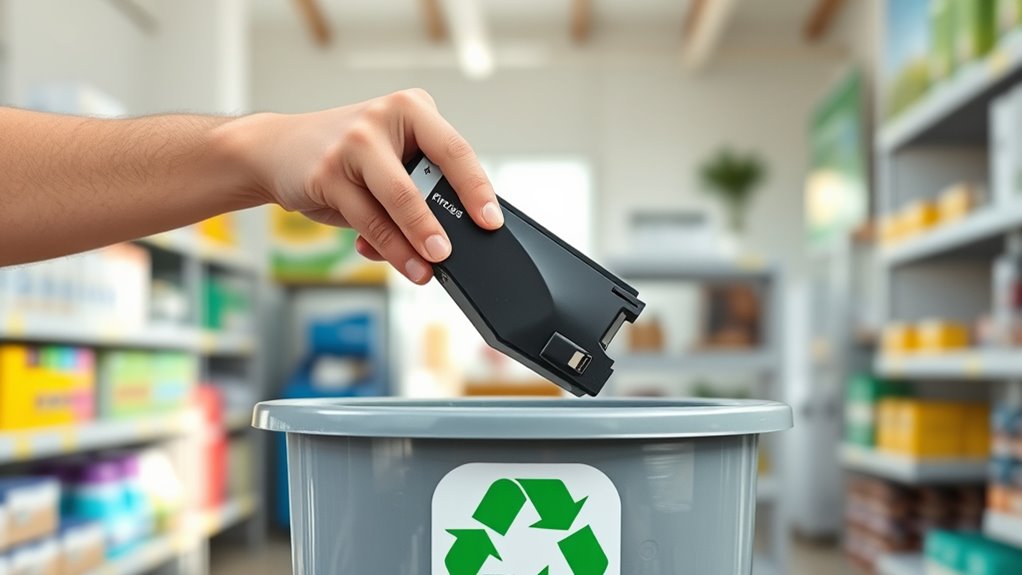
Wondering how to get rid of your used printer ink cartridges responsibly? Locating local recycling centers is a smart step.
Here’s how to find one near you:
1. Search online for “printer ink cartridge recycling centers” plus your city or zip code.
2. Check with office supply stores; many offer drop-off bins for used cartridges.
Most of the time, these stores are super easy to find and use.
3. Visit your local waste management or municipal website for e-waste recycling programs.
4. Contact nearby electronics retailers or recycling hubs to confirm if they accept ink cartridges.
It’s always good to double-check before you drop them off!
Prepare Cartridges for Recycling
Before recycling your printer cartridges, make sure to remove any excess ink to prevent leaks. Then, seal the cartridges securely with tape or place them in a plastic bag.
Taking these steps helps keep the recycling process clean and efficient. It’s a simple way to make sure everything goes smoothly.
Remove Excess Ink
When preparing your printer ink cartridges for recycling, you’ll want to remove any excess ink to prevent leaks and spills. Handling leftover ink carefully guarantees a cleaner recycling process and avoids staining surfaces or your hands.
Here’s how to do it safely:
- Place paper towels or absorbent cloths on your work surface to catch any drips.
- Gently press the cartridge’s ink outlet against the paper towel to soak up excess ink.
- Avoid shaking the cartridge, as this can cause ink to splatter.
- If your cartridge has a removable cap, carefully remove it and wipe away excess ink with a lint-free cloth.
Seal Cartridges Securely
Although you’ve removed the excess ink, you still need to seal your cartridges securely to prevent leaks during transport. Start by placing the cartridge on a disposable surface, then cover any exposed ink nozzles or openings with tape or a plastic cap if provided.
Use airtight plastic bags or wrap the cartridge in bubble wrap to contain any potential spills. Make sure the sealing materials fit snugly and won’t come loose during handling.
Proper sealing helps protect other items and the environment from ink stains or contamination. Once sealed, label the package if required by your local recycling program.
Taking these precautions ensures your cartridges arrive safely at recycling centers, making the process cleaner and more efficient for everyone involved.
Explore Donation or Refill Options
If you want to reduce waste and save money, consider donating or refilling your printer ink cartridges. Both options extend the life of your cartridges and help the environment.
Here’s how you can get started:
- Locate local schools or nonprofits that accept ink cartridge donations.
- Find nearby refill stations or office supply stores offering cartridge refills.
- Check if your cartridge manufacturer has a mail-back recycling or refill program.
- Compare costs and environmental impact before choosing donation or refill.
It’s a simple way to do your part and keep your printing costs down!
Avoid Common Disposal Mistakes
To safeguard the environment and guarantee proper recycling, you need to avoid common disposal mistakes with your printer ink cartridges. Don’t toss them in regular trash, as ink can leak and harm the environment.
Avoid mixing cartridges with general recyclables, since they require special handling. Also, never attempt to dismantle cartridges yourself, which can cause spills or injuries.
Make sure to store cartridges in a sealed bag if you can’t recycle them immediately. It’s all about keeping things safe and clean, you know?
| Mistake | Why to Avoid It |
|---|---|
| Throwing in trash | Ink leaks pollute soil and water |
| Mixing with recyclables | Cartridges need special processing |
| Dismantling | Risk of spills and injury |
| Delaying recycling | Ink may dry out, reducing reuse |
| Ignoring recycling programs | Missed opportunity to reduce waste |
Frequently Asked Questions
Can Printer Ink Cartridges Be Composted at Home?
You can’t compost printer ink cartridges at home because they’re made of plastic and contain toxic ink.
Instead, recycle them through designated programs to keep harmful materials out of your compost and the environment.
It’s a better way to handle them safely and responsibly.
Are There Any Hazardous Chemicals in Ink Cartridges?
Yes, ink cartridges contain hazardous chemicals like solvents and heavy metals. You shouldn’t throw them in the trash.
Instead, recycle them properly to avoid environmental harm and protect yourself from exposure to toxic substances. It’s really important to handle them with care!
How Long Do Ink Cartridges Typically Last Unused?
You know what they say, “time waits for no one.” Ink cartridges usually last around 1-2 years unused, but you shouldn’t wait too long.
Over time, ink can dry out or clog, so use or recycle them promptly. It’s better to be safe than sorry when it comes to your printing needs!
Can Empty Cartridges Be Used for Art or Crafts?
Yes, you can use empty cartridges for art or crafts! They make unique stamps, paint holders, or mini planters.
Just clean them thoroughly and get creative—you’ll turn trash into fun, eco-friendly projects effortlessly. Give it a try and see what cool things you can make!
What Should I Do if My Cartridge Leaks Ink at Home?
Well, congratulations on your mini ink explosion! You should immediately grab some paper towels and contain the mess. Avoid skin contact while you’re at it.
Next, clean the surfaces with soap and water. Then, handle the cartridge carefully to prevent more leaks.
Conclusion
Think of your used ink cartridges as seeds. Instead of tossing them in the trash, planting them through recycling or donation lets them grow into something new—reducing waste and protecting our planet’s garden.
By taking a few simple steps, you become a steward of the earth, turning what seems like waste into a chance for renewal. So, don’t let your cartridges wilt in a landfill; help them bloom into a cleaner, greener future.
Proper disposal of printer ink cartridges is key to minimizing environmental impact. Recycling or donating these cartridges not only prevents harmful chemicals from polluting the soil and water but also conserves resources by allowing materials to be reused.
By choosing to recycle, you contribute to reducing landfill waste and support sustainable practices that benefit everyone. So next time you finish your printer ink cartridges, remember—disposing of them properly helps safeguard our environment and promotes a healthier planet for generations to come.