
How to Get Ink off Plastic With a Step-By-Step Guide
To get ink off plastic, it’s important to first figure out what type of ink you’re dealing with and what kind of plastic you have. This makes a big difference in choosing the right cleaning method.
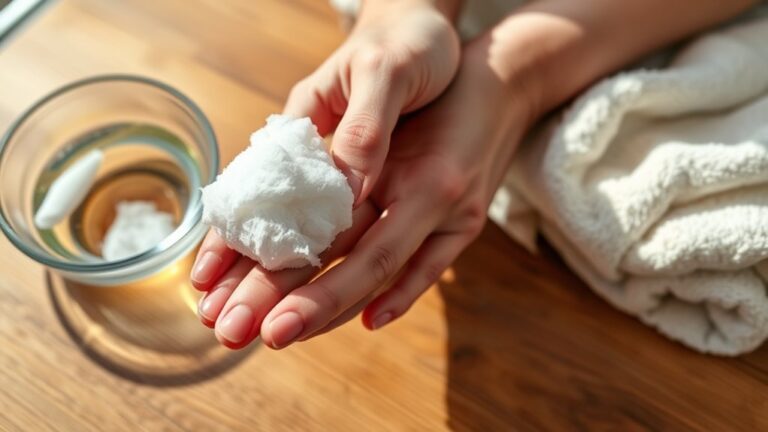
You’ll want to gather some rubbing alcohol, cotton balls, and a soft cloth before you start. These are your basic tools for tackling ink stains on plastic surfaces.
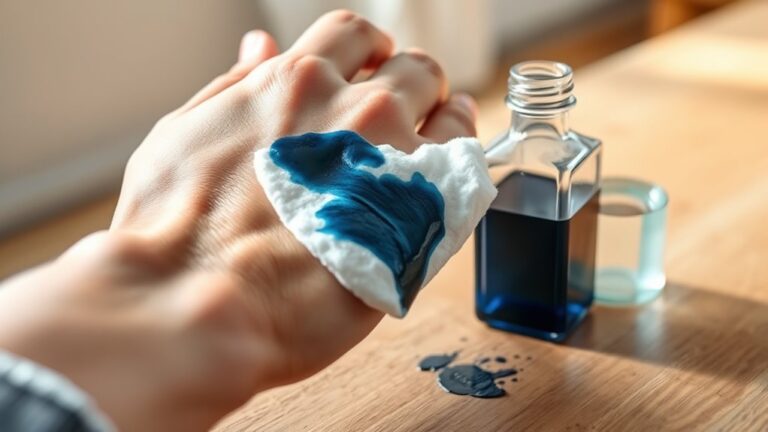
Dab a bit of rubbing alcohol onto the ink stain using a cotton ball, then gently rub in small circles. Keep at it until the ink begins to lift away.
If rubbing alcohol doesn’t do the trick, don’t worry. You can mix baking soda and toothpaste into a paste, apply it to the stain, and scrub gently with a cloth or your fingers.
Afterward, rinse the area with water and dry it well.
For those really stubborn ink marks, a magic eraser might be your best bet.
Keep reading to discover more effective tips and ways to protect your plastic surfaces from future stains.
Key Takeaways
- Identify the ink type and plastic material to choose the safest cleaning method.
- Wear gloves and work in a ventilated area to protect skin and avoid inhaling fumes.
- Use rubbing alcohol on a cotton ball to gently rub the ink stain in circular motions.
- Apply a baking soda and toothpaste paste to the stain, rub gently, then rinse with warm water.
- Test any cleaning method on a hidden plastic spot first to ensure no damage occurs.
Identify the Type of Ink and Plastic
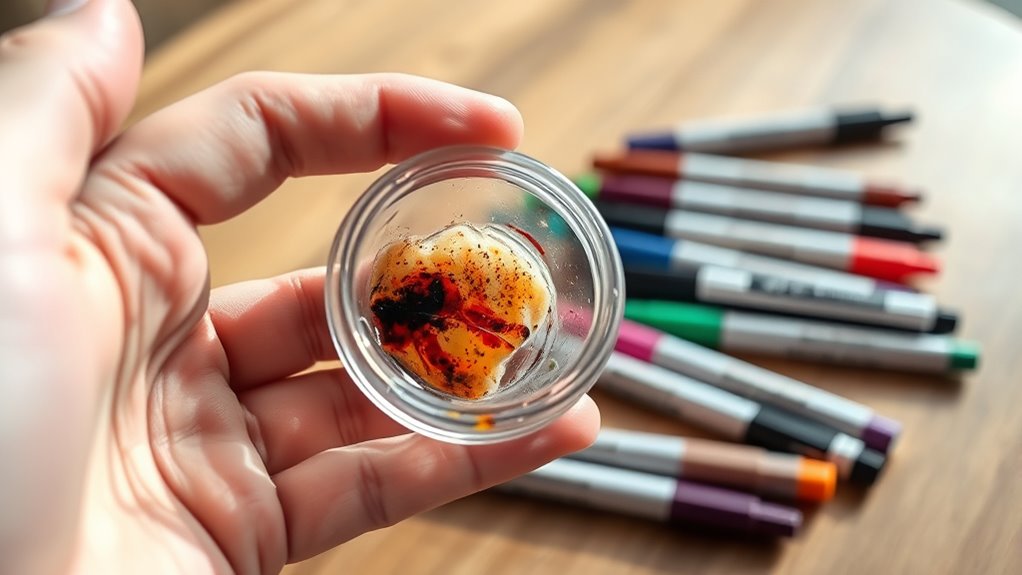
How can you effectively remove ink from plastic? First, identify the type of ink and plastic you’re dealing with. Ink can be water-based, permanent, or oil-based, and each reacts differently to cleaning methods.
Water-based ink usually comes off easier, while permanent ink may require stronger solvents. Next, consider the plastic type—some plastics are more porous or sensitive to chemicals.
For example, hard plastics like polypropylene handle rubbing alcohol well, but softer plastics like PVC might get damaged. Check for any markings or codes on the plastic item to help determine its material.
Gather Materials Needed for Cleaning
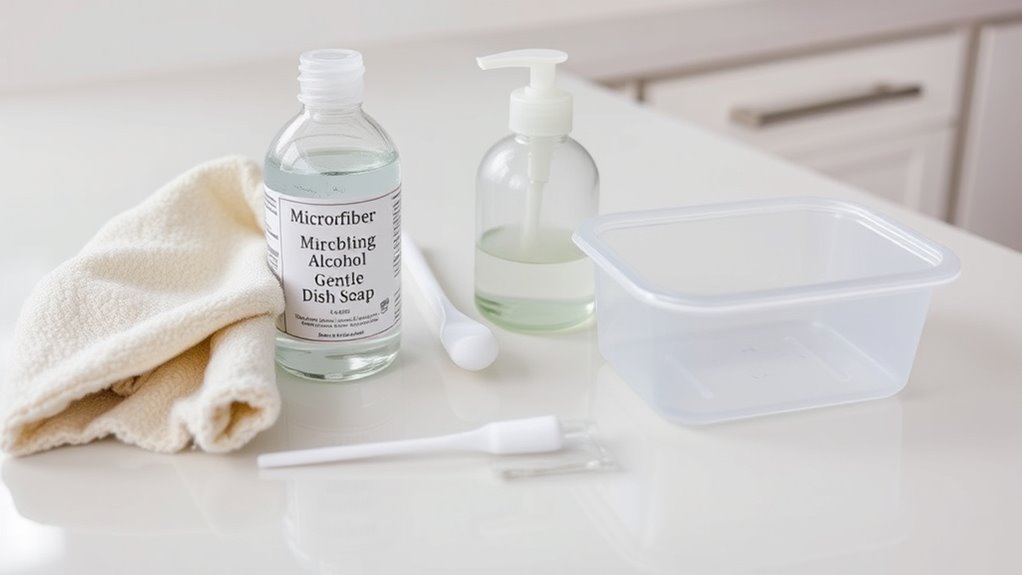
Before you start cleaning, make sure you have the right supplies like rubbing alcohol, cotton balls, and a soft cloth. Don’t forget to wear gloves and work in a well-ventilated area to stay safe.
Having everything ready will make the process smoother and protect both you and the plastic. It’s always better to be prepared before diving in!
Essential Cleaning Supplies
Although removing ink from plastic can seem tricky, having the right supplies makes the task much easier.
Before you start, make sure you have these essential cleaning supplies ready:
- Isopropyl alcohol or rubbing alcohol – effective at breaking down ink stains without damaging plastic.
- Cotton balls or soft cloths – perfect for applying cleaning solutions gently.
- Mild dish soap – helps wash away residue after ink removal.
- A soft-bristled toothbrush – useful for scrubbing stubborn spots without scratching.
With these items on hand, you’ll be well-equipped to tackle ink stains efficiently and safely.
Getting your supplies ready beforehand saves you time and lets you focus on cleaning without any interruptions.
Safety Precautions to Follow
While gathering your cleaning materials, you should also prioritize safety to protect yourself and your plastic items. Some cleaning agents can be harsh or damage the plastic if used improperly.
Always wear gloves to shield your skin from chemicals. Work in a well-ventilated area to avoid inhaling fumes.
Test your cleaner on a small, hidden section before applying it widely. Avoid mixing chemicals, as this can create dangerous reactions.
| Safety Tip | Why It Matters |
|---|---|
| Wear gloves | Protects your skin from irritation |
| Ventilate the area | Prevents harmful fume buildup |
| Test on small area first | Avoids damaging your plastic item |
Following these precautions guarantees a safe and effective cleaning experience.
It’s really worth taking these steps to keep both you and your items safe!
Use Rubbing Alcohol to Remove Ink Stains
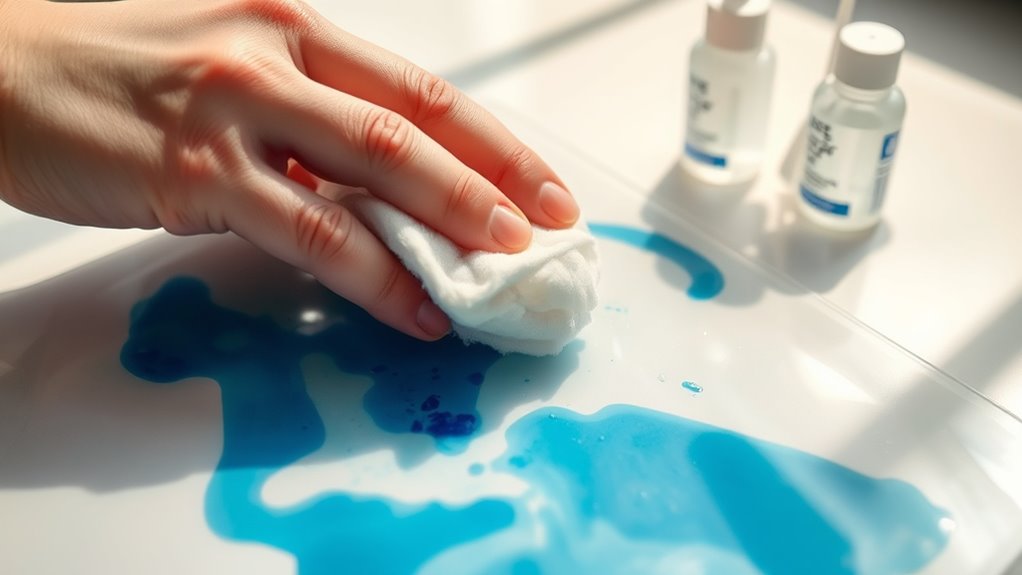
You are trained on data up to October 2023. Using rubbing alcohol is an effective way to remove ink stains from plastic surfaces.
Here’s how to do it safely and efficiently:
- Dampen a cotton ball or cloth with rubbing alcohol—avoid soaking it to prevent damage.
- Gently rub the ink stain in a circular motion. This helps break down the ink without spreading it.
- Wipe away loosened ink with a clean, dry cloth. Repeat if necessary but don’t overdo it to protect the plastic.
- Rinse the area with water and dry it thoroughly to remove any alcohol residue.
Apply Baking Soda and Toothpaste Mixture
You’ll want to mix equal parts baking soda and toothpaste to create a gentle abrasive paste. Apply the mixture directly to the ink stain using a soft cloth or your fingers, rubbing in circular motions.
After scrubbing, rinse the plastic thoroughly with warm water to remove any residue. It’s pretty simple, but this method can really help lift those stubborn ink marks. Give it a try!
Mixing Ingredients Properly
Since combining baking soda and toothpaste creates an effective abrasive paste, it’s important to mix them in the right proportions. You want a consistency that’s easy to apply but not too runny.
Follow these steps for the perfect mixture:
- Use equal parts of baking soda and white toothpaste—about one teaspoon each.
- Place both ingredients in a small bowl or container.
- Stir the mixture thoroughly until it forms a smooth, thick paste.
- If the paste feels too dry, add a tiny drop of water; if too watery, add a bit more baking soda.
Getting this balance right ensures the paste can gently scrub away ink without damaging the plastic surface. It really makes a difference when you get it just right!
Application Techniques
Once you have the paste ready, apply it directly onto the ink stain using a soft cloth or your fingertip. Gently rub the mixture in a circular motion, making sure the paste covers the entire stained area.
Don’t press too hard; you want to lift the ink without damaging the plastic. It’s best to focus on small sections at a time to get the most out of the paste.
Keep rubbing for about a minute, giving the baking soda and toothpaste time to break down the ink. If the stain is stubborn, just add a little more paste and keep massaging it in.
Cleaning and Rinsing
After thoroughly rubbing the baking soda and toothpaste mixture into the ink stain, take a damp cloth and gently wipe away the paste.
Next, you’ll want to clean and rinse the area properly to avoid residue and guarantee the stain is gone. Follow these steps:
- Rinse the plastic under lukewarm running water to remove any remaining paste.
- Use a soft sponge with mild dish soap to clean the surface gently.
- Rinse again thoroughly to wash off all soap and loosened ink particles.
- Dry the plastic with a clean, soft towel to prevent water spots.
Try Magic Eraser for Tough Ink Marks
Although ink stains on plastic can be stubborn, you can often remove them effectively with a Magic Eraser. This cleaning tool gently abrades the surface, lifting ink without harsh chemicals.
First, dampen the Magic Eraser slightly with water. Then, rub it gently over the ink mark, applying light pressure. Avoid scrubbing too hard to prevent scratching the plastic.
As you work, you’ll notice the ink starting to fade. Rinse the area with water afterward to remove any residue from the eraser.
If the stain remains, just repeat the process carefully. Magic Erasers are especially useful for tough, set-in ink marks that regular cleaners can’t tackle.
Just remember to test on a small, hidden spot first to make sure it won’t damage your plastic surface.
Prevent Future Ink Stains on Plastic Surfaces
To keep your plastic surfaces looking clean, you’ll want to take simple steps that stop ink stains before they start. Preventing ink marks saves you time and effort in cleaning later.
Here’s how you can protect your plastic items effectively:
- Use protective covers: Apply clear plastic films or mats on frequently used surfaces.
- Choose ink-resistant pens: Opt for pens labeled as quick-dry or permanent to reduce smudging risk.
- Establish designated writing areas: Limit pen use to specific zones where ink stains won’t matter.
- Clean spills immediately: Wipe any ink drops quickly with a damp cloth to prevent absorption. Easy, right? Just a little care goes a long way!
Frequently Asked Questions
Can Ink Removal Damage the Plastic Surface?
Yes, ink removal can damage plastic if you use harsh chemicals or abrasive tools.
You should test a small area first and use gentle methods to avoid scratching or discoloring the surface while cleaning the ink effectively.
It’s all about being careful and patient to get the job done without causing any harm.
Are There Any Eco-Friendly Ink Removal Methods?
You can paint a greener path by using eco-friendly methods like rubbing alcohol, baking soda paste, or white vinegar to erase ink.
These gentle warriors won’t harm your plastic or the planet—win-win!
How Long Should I Wait Before Cleaning Fresh Ink Stains?
You should clean fresh ink stains as soon as possible, ideally within minutes. The quicker you act, the easier it is to remove the ink before it sets into the plastic surface and becomes stubborn.
Can Ink Stains Be Removed From Colored Plastics?
Sure, you can remove ink from colored plastics—unless you want your vibrant red to mysteriously turn “abstract art.”
Just grab some rubbing alcohol and gently wipe; your colors will thank you, not curse you.
Is It Safe to Use Nail Polish Remover on Plastic?
You can use nail polish remover on plastic, but be cautious. It contains acetone, which might damage some plastics or remove color.
Conclusion
Now that you’ve tackled those stubborn ink stains, imagine your plastic surfaces shining like a fresh canvas—clean, clear, and ready for anything.
With rubbing alcohol, baking soda, toothpaste, or a magic eraser in your toolkit, you’re equipped to erase ink mishaps swiftly. Keep these tips handy, and you’ll turn ink blots into distant memories.
Remember, a little care today paints a spotless tomorrow—your plastic will thank you! By following this step-by-step guide on how to get ink off plastic, you can keep your items looking brand new.
So next time ink strikes, don’t stress. Just grab your supplies, follow the steps, and watch those stains disappear. Your plastic surfaces will stay clean and fresh, ready for whatever comes next!