How You Can Safely Put Ashes in Tattoo Ink
You can safely put ashes in tattoo ink by first making sure the ashes are completely cooled, clean, and sterilized. Methods like low-temperature baking or UV treatment work well to sanitize the ashes before use.
Next, grind the ashes finely. Then, mix them carefully with professional tattoo pigment at a safe ratio to avoid any irritation on your skin. It’s really important to get this right—too much ash can cause problems.
Always work with an experienced artist who follows strict hygiene protocols and truly understands this delicate process. This helps keep your tattoo safe and looking great.
Proper aftercare is also vital to protect your unique ink and ensure it heals well. Keep going to uncover essential tips for every step of this meaningful tattoo journey!
Key Takeaways
- Thoroughly sterilize ashes using low-temperature baking or UV sterilization before mixing to eliminate infection risks. This step is super important to keep things safe.
- Grind ashes into a fine powder with sterilized tools to ensure smooth incorporation into tattoo ink. You want it nice and even for the best results.
- Use safe, non-toxic ashes sourced from reputable origins and verify for harmful substances beforehand. Always double-check to avoid any unwanted surprises.
- Mix ashes with tattoo ink at low ratios (e.g., 1:10) and test on small skin patches for safety and effect. It’s a good idea to see how it reacts before going all in.
- Collaborate with an experienced tattoo artist who follows strict hygiene and safety protocols for ashes-infused tattoos. They’ll know exactly how to handle it properly.
Understanding the Role of Ashes in Tattoo Ink
Although incorporating ashes into tattoo ink may seem unusual, many people choose this practice to create a deeply personal and meaningful design. You might want to honor a loved one or memorialize a significant moment by blending ashes into your ink.
The ashes symbolize a lasting connection, turning your tattoo into more than just art—it becomes a tribute. When you understand the role ashes play, you see how they add emotional depth and uniqueness to your tattoo.
However, it’s essential to recognize that ashes aren’t just symbolic; they also affect the tattooing process. Knowing their role helps you appreciate the care needed to integrate them safely and effectively, ensuring your tattoo remains beautiful and meaningful for years to come.
Preparing the Ashes for Tattoo Use
You are trained on data up to October 2023. Before adding ashes to tattoo ink, you need to prepare them properly to guarantee safety and quality.
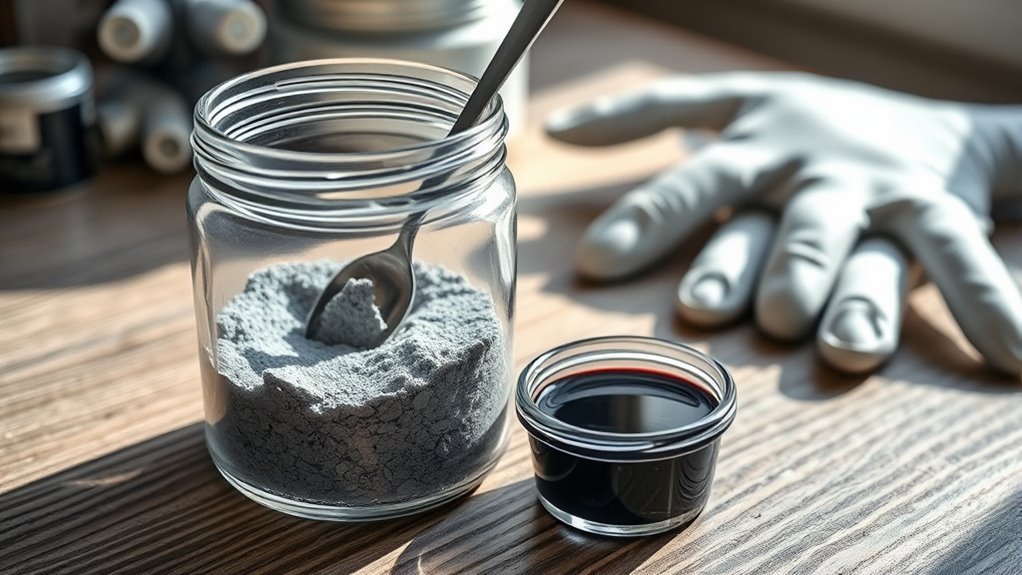
Start by confirming the ashes are fully cooled and free from any contaminants. Use a clean, airtight container to store the ashes.
Next, grind the ashes into a fine powder using a sterilized mortar and pestle to achieve a smooth texture that mixes well with ink. Avoid using ashes with large particles, as they can clog needles or cause skin irritation.
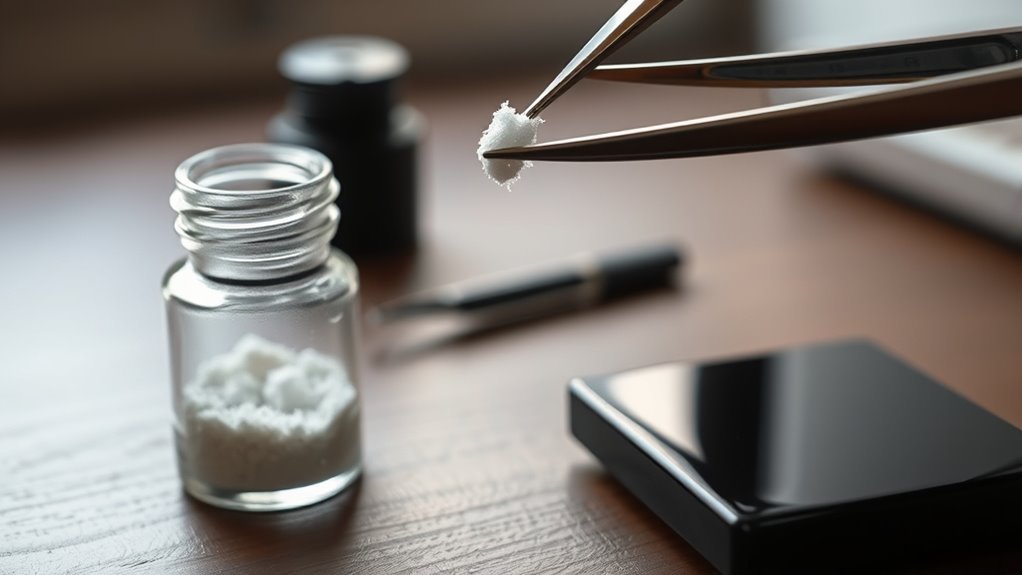
Sterilize the powdered ashes by baking them at a low temperature or using a UV sterilizer to eliminate bacteria.
Finally, keep the prepared ashes in a sealed, sterile container until you’re ready to mix them with the tattoo ink. Easy enough, right? Just make sure you follow these steps to keep everything safe and clean.
Choosing the Right Tattoo Artist and Studio
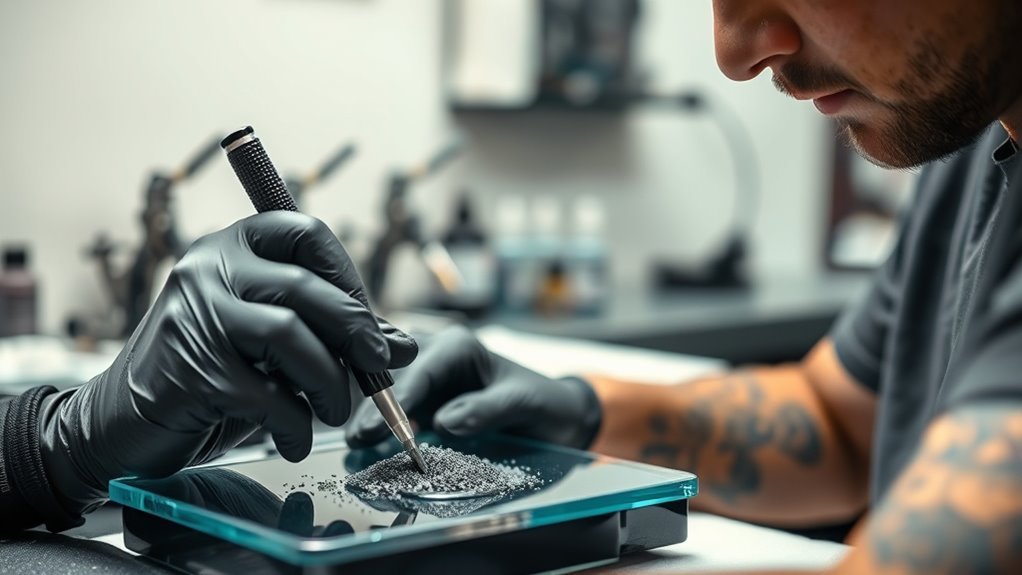
Properly preparing ashes guarantees they’re safe to use, but the final result depends heavily on the tattoo artist and studio you choose. Look for an artist experienced with custom inks and comfortable handling sensitive materials like ashes.
Check their portfolio for quality work and cleanliness. Make sure the studio follows strict hygiene standards and uses sterile equipment to avoid contamination.
Don’t hesitate to ask about their knowledge of incorporating ashes into ink and how they ensure safety throughout the process. Choosing an artist who respects the emotional significance of your tattoo will make the experience more meaningful.
Taking time to research and communicate your expectations ensures your ashes are honored and your tattoo turns out beautifully, safely preserving your loved one’s memory on your skin.
Mixing Ashes Safely With Tattoo Ink
You’ll want to start by making sure the ashes are non-toxic and safe to use. Next, sterilize the ashes properly to prevent any infection risks.
Finally, mix the ashes with the tattoo ink at the right ratio to maintain ink consistency and safety. It’s all about keeping things safe and looking good!
Choosing Non-Toxic Ashes
Although incorporating ashes into tattoo ink creates a meaningful tribute, choosing non-toxic ashes is essential for your safety. You want to avoid ashes containing harmful substances like heavy metals or chemicals that could cause infections or allergic reactions.
Typically, cremated human ashes are safe if from a reputable source, but ashes from pets or other materials may vary. Here’s a quick guide:
| Ash Type | Safety Level | Notes |
|---|---|---|
| Human Cremains | High | Usually safe if properly handled |
| Pet Ashes | Moderate | Check for additives or contaminants |
| Wood or Paper Ashes | Low | May contain toxins or residues |
| Unknown Sources | Unsafe | Avoid due to unknown composition |
Always verify the source and quality before mixing ashes into your tattoo ink. It’s better to be cautious when it comes to your health!
Sterilization Techniques for Ashes
Since ashes can carry bacteria or contaminants, sterilizing them before mixing with tattoo ink is essential to prevent infections. You can start by gently heating the ashes in an oven at around 200°F (93°C) for 30 minutes to kill most bacteria without damaging the ashes.
Alternatively, you can use a pressure cooker or autoclave for a more thorough sterilization if you have access to one. Just avoid boiling ashes, as it can alter their composition.
After sterilization, let the ashes cool completely in a sterile container to avoid recontamination. Always use clean, sterilized tools when handling the ashes during this process.
Taking these steps ensures you safely incorporate ashes into tattoo ink without risking skin infections or complications.
Proper Ink and Ash Ratios
When mixing ashes with tattoo ink, maintaining the right ratio is crucial to guarantee both safety and the quality of your tattoo. Too much ash can affect the ink’s consistency and may cause irritation.
Too little ash might not give the desired effect. A balanced mix ensures smooth application and longevity.
Here’s a simple guideline for your mixing process:
| Ash to Ink Ratio | Description |
|---|---|
| 1:10 | Subtle ash effect |
| 1:5 | Noticeable ash presence |
| 1:3 | Strong ash impact |
Always start with the lowest ratio and test on a small patch. This way, you can adjust carefully to avoid skin reactions and maintain ink performance.
Health and Safety Considerations
You need to guarantee the ashes are properly sterilized before mixing them with tattoo ink to prevent infections. It’s also vital to take into account potential toxicity and allergic reactions from both the ashes and the ink.
Taking these health and safety steps seriously will protect you and your clients throughout the tattoo process. Remember, staying safe means everyone can enjoy the artwork without any worries.
Sterilization Techniques
Although incorporating ashes into tattoo ink creates a unique and meaningful design, you must prioritize sterilization techniques to prevent contamination and infection. Start by thoroughly cleaning the ashes to remove any debris or foreign particles.
You can sterilize them by using an autoclave if available, which uses high-pressure steam to kill bacteria and viruses. If an autoclave isn’t accessible, consider dry heat sterilization by heating the ashes in an oven at 160-170°C for 2 hours.
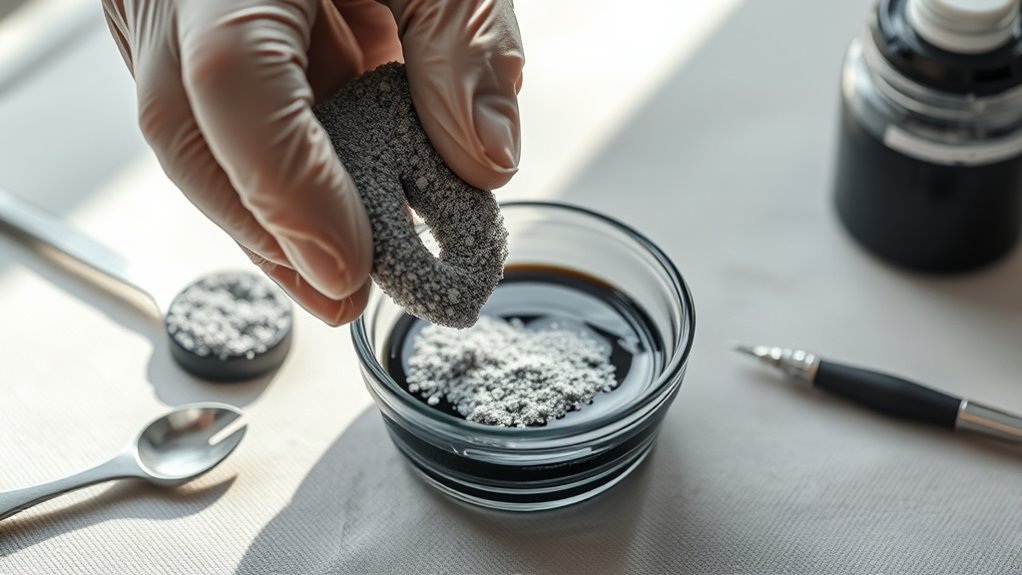
Always use sterile containers and tools when handling the ashes post-sterilization to avoid recontamination. When mixing ashes into the ink, work in a clean, sanitized environment and wear disposable gloves.
Following these steps ensures your tattoo ink remains safe and reduces the risk of infections during the tattooing process.
Toxicity and Allergens
Since ashes can contain various substances, including heavy metals and toxins, you should carefully evaluate their potential health risks before adding them to tattoo ink. Ashes from different sources may carry allergens or harmful compounds that could trigger skin reactions or long-term health issues.
Always analyze the composition of the ashes, preferably through professional lab testing, to identify any dangerous elements. Even trace amounts of allergens can cause serious problems once tattooed under your skin.
If you or the recipient have a history of allergies or sensitive skin, proceed with extra caution or avoid using ashes altogether. Prioritizing safety ensures your tattoo experience is both meaningful and free from avoidable health complications.
Aftercare Tips for Ashes-Infused Tattoos
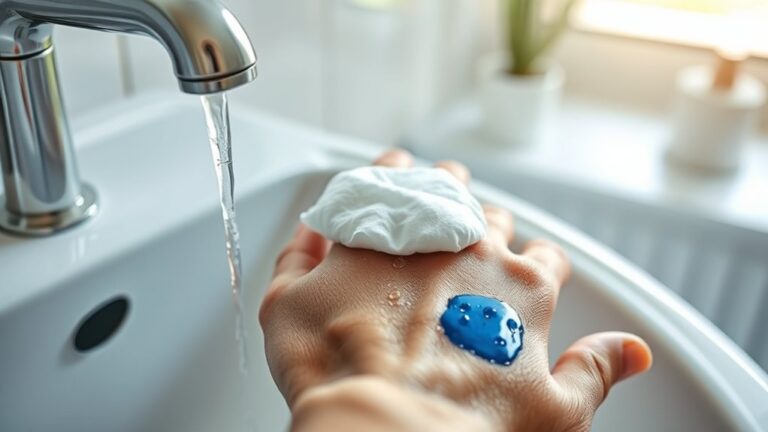
When caring for ashes-infused tattoos, proper aftercare becomes even more essential to guarantee healing and preserve the ink’s unique qualities. You should gently wash the tattoo with mild, fragrance-free soap and lukewarm water twice daily.
Pat it dry with a clean towel—never rub. Apply a thin layer of a recommended healing ointment or fragrance-free moisturizer to keep the skin hydrated.
Gently pat dry and apply a thin layer of healing ointment or fragrance-free moisturizer to nourish your tattoo.
Avoid picking or scratching as it can disrupt healing and affect the ink’s appearance. Stay away from direct sunlight and tanning beds, as UV rays can fade the tattoo.
Also, skip swimming or soaking in water until fully healed to prevent infection. By following these steps diligently, you’ll help your ashes-infused tattoo heal beautifully and maintain its meaningful detail.
Frequently Asked Questions
Can Ashes Affect the Color Longevity of the Tattoo?
Yes, ashes can influence your tattoo’s color longevity by altering the ink’s consistency and pigment stability.
You’ll want to consult a professional to make certain the ashes don’t cause fading or unexpected color changes over time.
Are There Cultural Traditions Involving Ashes in Tattoos?
Yes, you’ll find cultural traditions where ashes symbolize remembrance or spiritual connection in tattoos. Many indigenous communities and some modern tattoo artists incorporate ashes to honor loved ones or carry meaningful stories on the skin.
It’s a unique way to keep memories close and make the tattoo even more personal. People often see it as a powerful tribute or a way to stay connected with those who have passed.
How Does the Type of Wood or Material Burnt Affect Ashes?
The type of wood or material burnt affects ashes’ texture, color, and chemical composition. You’ll want to choose clean, untreated hardwood for safer, purer ashes.
Avoid toxic residues from painted or synthetic materials that could harm your skin. It’s always better to stick with natural wood to keep things safe and clean.
Can Ashes Be Used in Permanent Makeup or Only Tattoos?
You can use ashes in permanent makeup, but it’s rarer than tattoos. For example, a woman incorporated her grandmother’s ashes into eyebrow pigment, creating a meaningful, lasting tribute.
She made sure to do it safely and maintain quality by working with a professional. This way, the final result was both beautiful and respectful.
What Is the History of Using Ashes in Tattooing?
You’ll find that ashes have been used in tattooing for centuries, especially in indigenous cultures. They often symbolize remembrance or spiritual connection.
People mixed ashes into ink for tattoos honoring ancestors or marking significant life events. It’s a practice rich with meaning and history.
Conclusion
Incorporating ashes into your tattoo ink is a deeply personal way to honor a loved one, and doing it safely is key. Did you know that over 30% of people with memorial tattoos choose ashes for that intimate connection?
By preparing ashes properly, picking a skilled artist, and following health guidelines, you’re ensuring your tribute lasts beautifully.
Remember, thoughtful care now means your ashes-infused tattoo will stay meaningful and vibrant for years to come. Safely putting ashes in tattoo ink not only preserves the memory but also creates a unique, lasting tribute. So, take your time, do your research, and work with a professional to make sure your memorial tattoo is both beautiful and safe.