
Can Tattoo Ink Expire and How to Identify Expired Ink
Yes, tattoo ink can expire, especially if it’s exposed to heat, light, or air over time. Ink expiration is something many people overlook, but it’s important to know how to spot expired ink before using it.
You can tell if your tattoo ink is past its prime by noticing changes in color, strange smells, or a thick, clumpy texture. Sometimes, old ink might separate or even show signs of contamination like mold.
Using expired ink isn’t just a quality issue—it can also increase the risk of infections and result in poor tattoo outcomes.
So, if you want your tattoos to stay safe and vibrant, it’s crucial to understand how to store your ink properly and when it’s time to dispose of it.
Taking these steps helps protect both your skin and your artwork.
Key Takeaways
- Tattoo ink can expire because its ingredients break down and contamination can happen, which affects both safety and quality over time.
- You might notice color fading, changes in texture like clumping or separation, or weird smells as signs that the ink is expired.
- Using expired ink isn’t a great idea since it can lead to infections, allergic reactions, skin irritation, and even poor healing of your tattoo.
- To keep your ink fresh longer, store it properly in cool, dark places and always keep the containers sealed tight.
- If you see any discoloration, smell something off, notice texture changes, or if the ink is past its expiration date, it’s best to throw it out safely following disposal guidelines.
What Determines the Shelf Life of Tattoo Ink
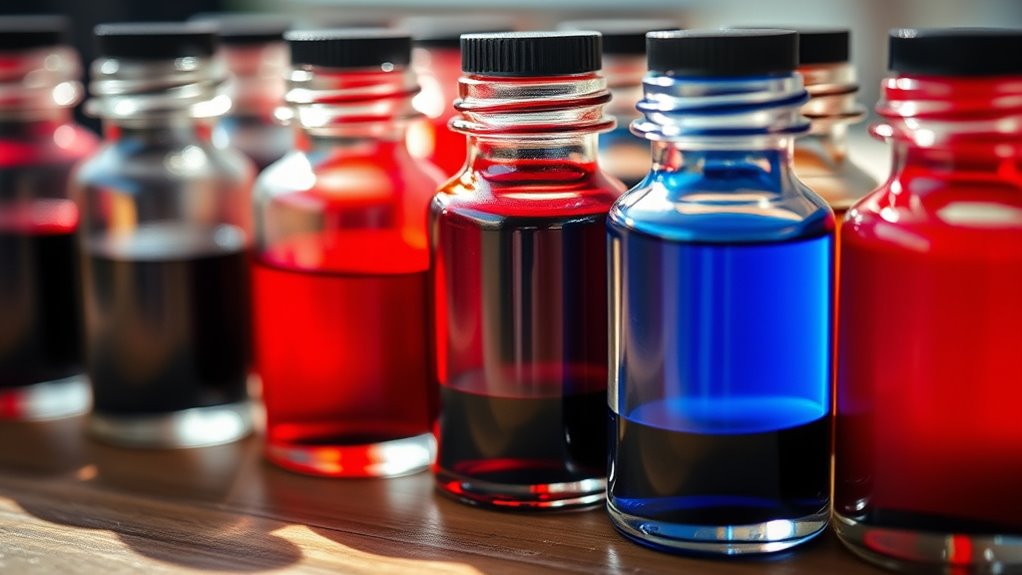
Although tattoo ink can last a long time, several factors determine its shelf life. You need to consider the ink’s ingredients, as natural pigments and organic compounds tend to degrade faster than synthetic ones.
Storage conditions also play a vital role—exposure to heat, light, and air speeds up deterioration. You’ll want to keep your ink in a cool, dark place and guarantee the container is tightly sealed to maintain its quality.
Additionally, the manufacturer’s formulation and preservatives impact how long the ink remains usable. Frequent opening of the bottle introduces contaminants that reduce shelf life, so be mindful when handling it.
Signs That Tattoo Ink Has Expired
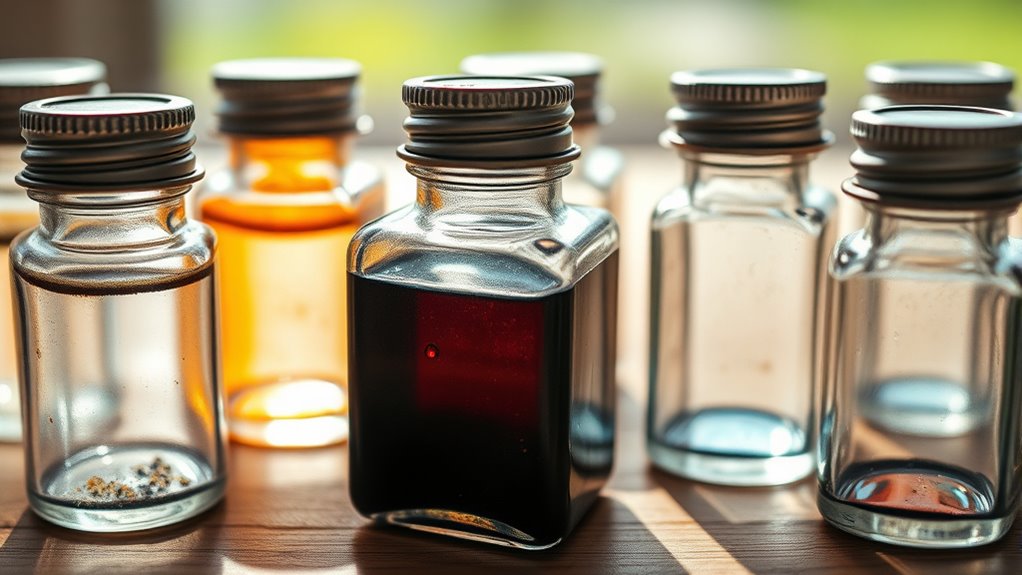
You’ll want to watch for color changes, as faded or off shades can signal expiration. If the ink’s texture feels clumpy or separated, that’s another red flag.
Also, trust your nose—any unusual or sour odors mean it’s time to toss the bottle. Better safe than sorry when it comes to your tattoo ink!
Color Changes
How can you tell if your tattoo ink has expired just by looking at it? One clear sign is a noticeable change in color. Fresh ink should have a vibrant, consistent shade.
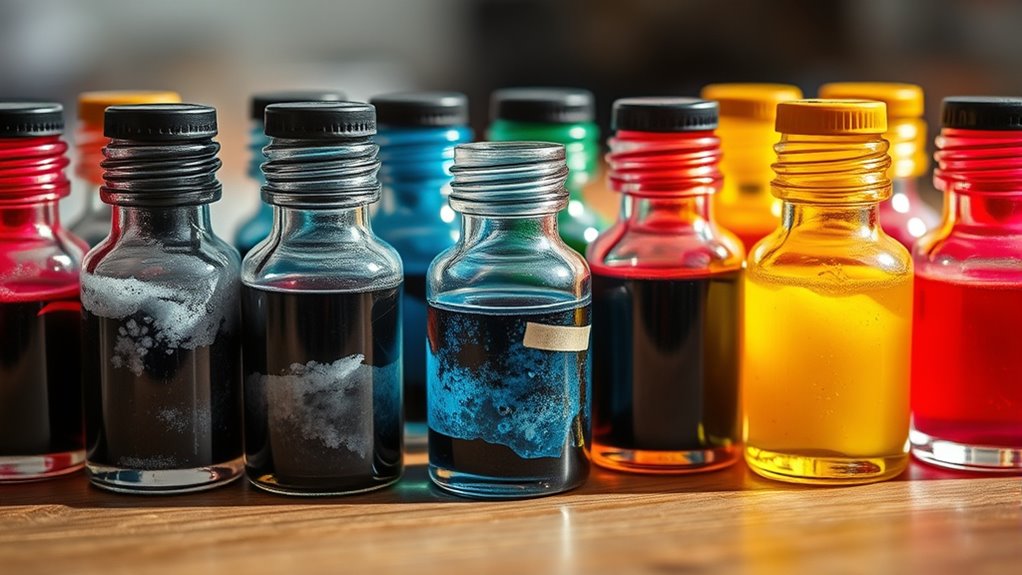
If you see the ink looking dull, faded, or muddy, it’s likely past its prime. Sometimes, the pigment separates, causing uneven coloration or streaks. For example, black ink might turn more grayish, while bright colors can appear washed out or brownish.
These shifts happen because the pigments break down or react with contaminants over time. If your ink’s color doesn’t look right, don’t risk using it—you want your tattoo to heal with crisp, true colors, not a faded or patchy finish. Always check the color before each session.
Texture Alterations
When tattoo ink changes texture, it’s a strong sign that it’s no longer good to use. You want your ink to flow smoothly, but once it becomes thick or clumpy, it’s a red flag.
Texture alterations can make your tattoo session frustrating and affect the final look. Keep an eye out for these common changes:
- Clumping or separation: The ink might separate into layers or form lumps, indicating spoilage.
- Excessive thickness: If the ink feels unusually thick or pasty, it won’t spread evenly on the skin.
- Dryness or crustiness: Dried-out ink can clog needles and ruin your design’s precision.
Don’t risk your artwork by using ink with altered texture—always opt for fresh, smooth ink to ensure the best results.
Unusual Odors
Although tattoo ink often looks fine on the surface, unusual odors can reveal that it’s expired or contaminated. When you open a fresh bottle, the ink should have a neutral or slightly chemical smell.
If you notice a sour, rancid, or moldy odor, it’s a clear sign the ink has gone bad. These smells indicate bacterial growth or chemical breakdown, which can cause infections or poor tattoo results.
Don’t ignore strong or off-putting scents, even if the ink appears normal otherwise. Always trust your nose—it’s a simple and effective way to check ink quality before use.
If the odor seems off, discard the ink to avoid risking your health and the quality of your tattoo work. Better safe than sorry, right?
Risks of Using Expired Tattoo Ink
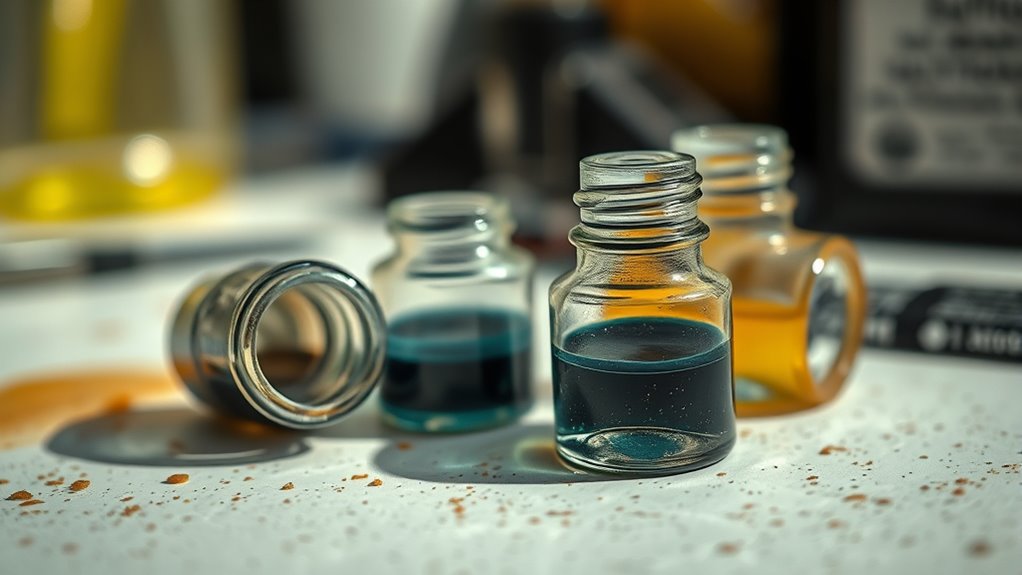
You shouldn’t use expired tattoo ink because it can cause health hazards and increase infection risks. The color might also fade or change, ruining your tattoo’s appearance.
Knowing these risks helps you make safer choices for your skin and art. So, it’s really worth checking the ink’s expiration date before you start your tattoo.
Health Hazards
Since tattoo ink contains various chemicals and pigments, using expired ink can pose serious health risks. When you apply outdated ink, you risk exposing yourself to harmful bacteria and contaminants that may have grown over time.
This can lead to infections that cause pain, swelling, and even long-term skin damage. You might also experience allergic reactions, ranging from mild irritation to severe rashes.
Additionally, the chemical breakdown in expired ink can produce toxic compounds that irritate your skin or enter your bloodstream.
Be aware of these health hazards:
- Infection from bacterial contamination
- Allergic reactions causing discomfort or severe skin issues
- Toxic chemical exposure leading to inflammation or systemic effects
Protect yourself by always using fresh, properly stored tattoo ink. It’s really worth it to stay safe and keep your skin healthy!
Color Quality Degradation
When tattoo ink ages beyond its prime, its vibrant colors start to fade and lose their intensity, which can ruin the overall appearance of your tattoo. Using expired ink may result in dull shades, uneven color saturation, and poor blending.
This degradation happens because the pigments break down or separate over time, affecting how the ink settles into your skin.
| Problem | Effect on Tattoo |
|---|---|
| Faded Colors | Tattoo looks washed out |
| Uneven Saturation | Patchy, inconsistent hues |
| Pigment Separation | Color clumps and blobs |
| Poor Blending | Harsh color transitions |
| Reduced Longevity | Colors fade faster |
To guarantee your tattoo stays vibrant, always check ink freshness before use. It’s a small step that makes a big difference!
Infection Risks
Beyond color quality, expired tattoo ink can pose serious health hazards. When you use ink past its prime, you risk infections that can have lasting consequences.
Bacteria and fungi can thrive in old ink, increasing the chance of contamination. You might experience redness, swelling, or even painful abscesses. Worse, infections could spread, leading to systemic illness.
Here’s what using expired ink can expose you to:
- Severe skin infections that are hard to treat
- Allergic reactions triggered by degraded ingredients
- Long-term scarring from poorly healed wounds
To protect yourself, always check the ink’s expiration date. Never compromise on safety — your skin deserves fresh, sterile ink to prevent these avoidable risks.
How to Properly Store Tattoo Ink
Proper storage plays a crucial role in maintaining the quality and safety of your tattoo ink. Store your ink in a cool, dark place away from direct sunlight, as UV rays can break down pigments and affect consistency.
Make sure to keep the bottles tightly sealed to prevent contamination and evaporation. Also, avoid storing ink near heat sources or in places where the temperature fluctuates, since that can degrade its components.
Refrigeration can help extend the shelf life of your ink, but be careful not to freeze it, as freezing may alter the ink’s composition. Don’t forget to label your ink with the purchase or opening date so you can keep track of its freshness.
Differences Between Fresh and Old Tattoo Ink
Although tattoo ink might look similar regardless of its age, fresh ink performs much better during application and healing than old ink. When you use fresh ink, you’ll notice vibrant colors and smooth consistency, making your tattoo stand out and heal beautifully.
Old ink, however, tends to separate or thicken, causing uneven lines and dull hues. Plus, it may increase the risk of irritation or infection.
Here’s what you’ll likely experience with old ink:
- Faded or muted colors, ruining your tattoo’s impact
- Clumpy or grainy texture that disrupts smooth application
- Higher chance of skin reactions, making the healing process painful
Choosing fresh ink ensures your tattoo looks amazing and heals safely. Don’t settle for less!
When to Dispose of Tattoo Ink Safely
Since tattoo ink degrades over time and can pose health risks, you should know exactly when to dispose of it safely. First, check the ink’s expiration date—if it’s past, toss it.
Also, if the ink changes color, separates, or develops an unusual smell or texture, it’s time to discard it. Never use ink that’s contaminated or has been open for too long since bacteria can grow.
When disposing, don’t pour ink down the drain or throw it in regular trash. Instead, follow local hazardous waste disposal guidelines or take it to a designated facility.
Proper disposal protects you, your clients, and the environment from harmful chemicals and potential infections. So, stay vigilant, and always prioritize safety with your tattoo inks.
Frequently Asked Questions
Can Expired Tattoo Ink Cause Allergic Reactions?
Yes, expired tattoo ink can cause allergic reactions. You might experience redness, swelling, or itching because the ink’s chemicals break down over time.
This breakdown increases the risk of irritation and infection when you use old ink. So, it’s definitely better to avoid using expired products for tattoos.
Is It Safe to Mix Old and New Tattoo Inks?
You shouldn’t mix old and new tattoo inks because expired ink may contain degraded pigments or bacteria, risking infection or poor color results.
Always use fresh ink to guarantee safety and the best tattoo quality. It’s just better to play it safe when it comes to your skin.
Does Tattoo Ink Expire Faster Once Opened?
Yes, tattoo ink does expire faster once opened because exposure to air and contaminants speeds up degradation.
You should store it properly, check for changes in color or smell, and avoid using ink past its prime.
It’s kind of like how food spoils quicker after you open it. So, keeping your ink sealed tight and in a cool place really helps it last longer.
Can UV Light Affect Tattoo Ink Quality?
Yes, UV light can degrade tattoo ink quality by breaking down pigments, causing fading and color changes.
You should protect your tattoos from prolonged sun exposure to keep the colors vibrant and the ink intact longer.
It’s kind of like how sunlight can fade your clothes over time. So, wearing sunscreen or covering your tattoo when you’re out in the sun really helps.
How Does Temperature Affect Tattoo Ink Shelf Life?
Temperature affects tattoo ink shelf life by speeding up degradation if too warm or causing separation if too cold.
You should store ink in a cool, stable environment to keep its quality and extend usability.
Keeping it at the right temperature really helps maintain the ink’s consistency and color.
Conclusion
You might not realize it, but tattoo ink typically lasts about two to three years before it starts to degrade. Using expired ink can increase the risk of infections and poor color quality.
By storing your ink properly and checking for signs like changes in smell or consistency, you can avoid these issues.
Remember, nearly 60% of tattoo artists have encountered problems from old ink—so don’t take chances with your art or your health!
Tattoo ink can expire, and identifying expired ink is crucial for safe and vibrant tattoos. Look out for unusual odors, separation of pigments, or a change in texture. Proper storage, like keeping ink in a cool, dark place, helps extend its lifespan. Always prioritize using fresh ink to reduce the risk of infections and ensure the best color quality. Taking these steps protects both your health and the quality of your artwork, making sure your tattoos look great for years to come.