Can Your Skin Grow Back After Ink Poisoning?
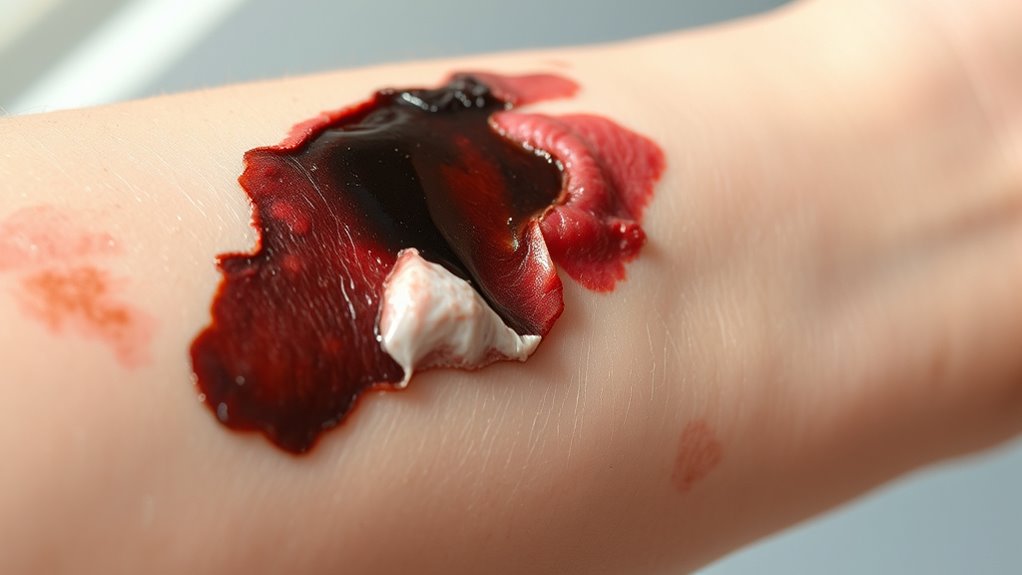
Yes, your skin can grow back after ink poisoning because it naturally heals by clearing damaged tissue and regenerating new cells. Ink poisoning occurs when harmful substances in the ink penetrate the skin, causing irritation or damage.
The good news is that your body works hard to repair itself, replacing damaged skin with fresh, healthy cells.
Healing speed depends on factors like your age, overall health, and how severe the exposure was. Younger people and those in good health tend to recover faster.
Proper care—like cleaning the area gently, moisturizing, and protecting your skin—can really help speed up recovery and reduce the risk of infection or scarring.
If the damage is severe, medical treatments might be needed to support healing. It’s always best to consult a healthcare professional if you notice worsening symptoms.
Keep exploring to understand how to best care for your skin after ink exposure.
Key Takeaways
– Skin can regenerate after ink poisoning through natural healing processes involving inflammation, white blood cells, and new skin cell growth.
The recovery speed really depends on how severe the ink poisoning is, how deep it goes into the skin, as well as the person’s age and overall health.
- Proper wound care is super important. This includes cleaning the area, keeping it moisturized, and protecting it from the sun to help the skin heal well.
- If the ink poisoning is severe, medical treatments might be needed. Doctors could prescribe antibiotics, steroid creams, or even suggest surgical options to help with healing.
- It’s really crucial to get prompt medical attention if symptoms worsen. This helps prevent infections, scarring, or permanent skin damage.
What Is Ink Poisoning and How Does It Affect the Skin?
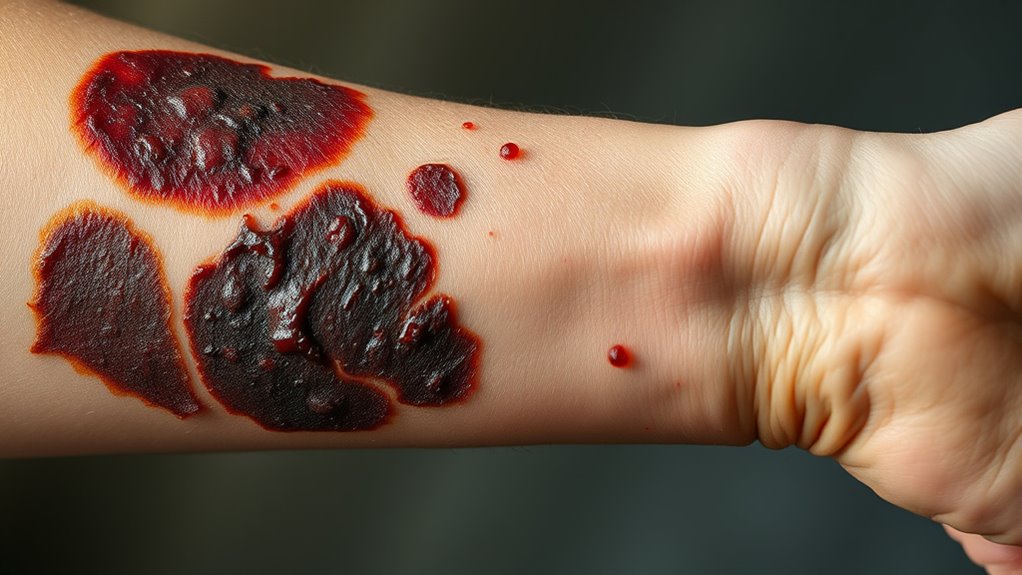
Although ink poisoning is rare, it can seriously damage your skin if ink enters the body through cuts or punctures. When ink seeps beneath your skin, it introduces foreign chemicals that may trigger inflammation or infection.
Your body reacts to these substances as irritants, causing redness, swelling, or even tissue damage. The severity depends on the ink’s composition and how deeply it penetrates.
Since ink isn’t sterile, bacteria can hitch a ride, increasing infection risk. This reaction can disrupt your skin’s natural barrier, making it harder for wounds to heal properly.
Understanding how ink affects your skin helps you recognize the importance of quick, appropriate care to prevent long-term damage and support the skin’s recovery process.
Common Symptoms and Risks of Ink Poisoning
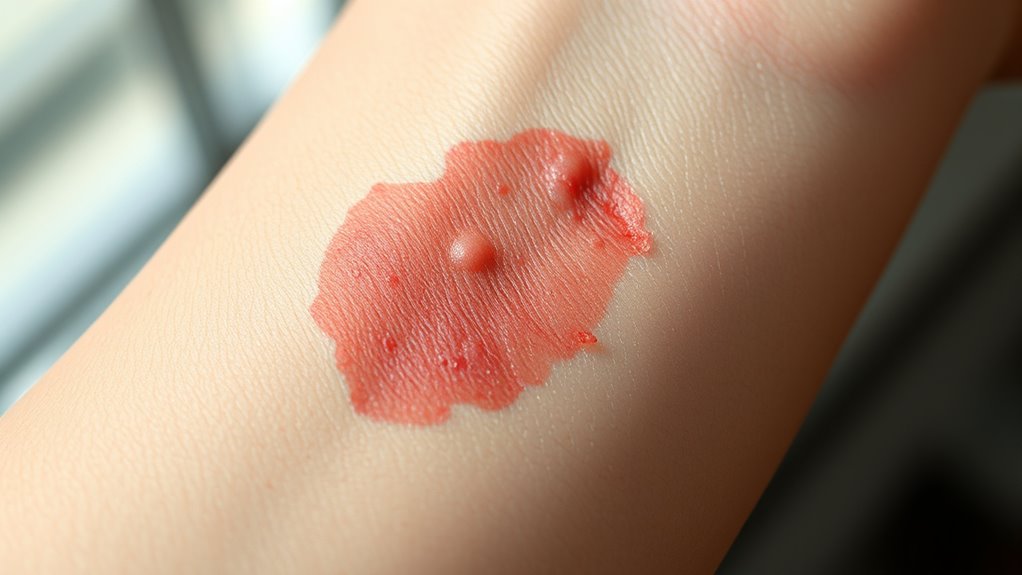
When ink enters your skin, you’ll likely notice symptoms such as redness, swelling, and tenderness around the affected area. You might also experience itching or a burning sensation as your body reacts to the foreign substance.
Sometimes, small bumps or blisters can form, which signals irritation or infection. If the ink contains harmful chemicals or bacteria, you could face more serious complications like cellulitis or an abscess.
Small bumps or blisters may appear, indicating irritation or infection that could lead to cellulitis or an abscess.
Keep an eye out for signs like fever, increased pain, or spreading redness. These symptoms mean the infection might be getting worse. Getting medical help quickly is important to prevent long-term damage.
Knowing these symptoms can help you act fast and reduce the risks associated with ink poisoning.
The Skin’s Natural Healing Process After Ink Exposure
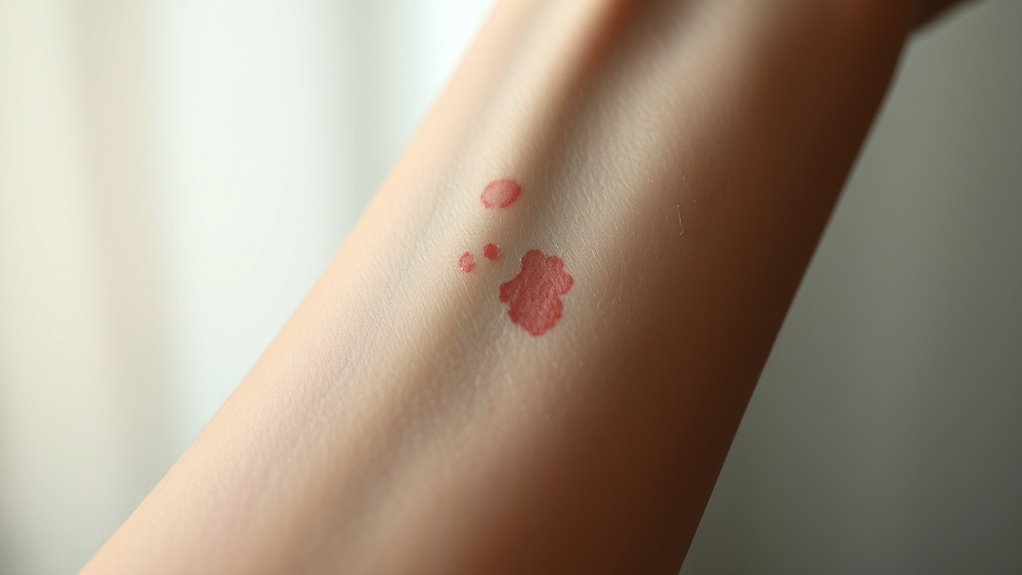
If you notice symptoms like redness or swelling after ink enters your skin, your body has already started its natural healing process. Your skin responds by activating cells to repair the damage and remove harmful substances.
Here’s what happens next:
- Inflammation occurs to isolate the affected area and prevent infection.
- White blood cells rush in to clear out ink particles and damaged tissue.
- New skin cells begin to grow, replacing the injured ones.
- Collagen production increases to strengthen and rebuild the skin’s structure.
This process helps your skin recover from ink exposure, though the speed and completeness of healing can vary. Understanding these steps gives you insight into how your body fights and fixes the damage caused by ink poisoning.
Factors Influencing Skin Recovery From Ink Poisoning
Because your body’s ability to heal varies, several factors influence how quickly and effectively your skin recovers from ink poisoning. Your age plays a big role—young skin generally heals faster than older skin.
The severity of the ink exposure matters too; deeper or more extensive contamination can slow recovery. Your overall health impacts healing, so conditions like diabetes or immune disorders might delay the process.
How well you care for the affected area also counts—keeping it clean and protected helps prevent infection and promotes faster skin regeneration. Finally, your nutrition affects healing; a diet rich in vitamins and proteins supports tissue repair.
Medical Treatments for Severe Ink-Related Skin Damage
Although minor ink poisoning often heals on its own, severe skin damage requires prompt medical treatment to prevent complications like infection or scarring. If you experience intense symptoms, a healthcare professional will guide you through effective treatments.
Here are common approaches:
- Wound Cleaning and Debridement – This involves removing contaminated tissue to reduce the risk of infection.
- Topical Antibiotics – Applying ointments helps prevent bacterial growth on the affected area.
- Steroid Creams or Oral Medications – These reduce inflammation and allergic reactions that might be causing discomfort.
- Skin Grafts or Surgical Intervention – For deep or extensive damage, these procedures aid in skin regeneration.
Following these treatments closely can help your skin recover better and minimize permanent damage. So, always seek medical advice promptly if you notice severe symptoms after ink exposure.
Tips for Caring for Your Skin After Ink Contamination
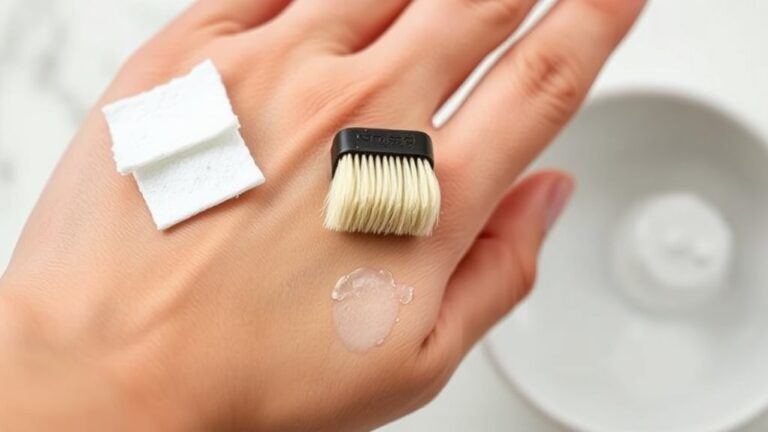
After ink contaminates your skin, you need to cleanse the area immediately to prevent further irritation. Don’t forget to keep your skin moisturized to support healing and reduce dryness.
These simple steps can make a big difference in how well your skin recovers. Taking care of your skin right away really helps it bounce back faster!
Immediate Skin Cleansing
When ink gets on your skin, you’ll want to act quickly to minimize irritation and prevent staining. Immediate cleansing is key to reducing the risk of ink poisoning and skin damage.
Here’s what you should do: rinse the area with lukewarm water to gently remove excess ink without spreading it. Then, use a mild soap or cleanser to wash the skin, avoiding harsh chemicals that may worsen irritation.
After that, pat the area dry with a clean towel instead of rubbing to prevent further skin damage. And remember, avoid scrubbing or using abrasive materials, as this can break the skin barrier and increase absorption of harmful substances.
Taking these steps promptly helps protect your skin and supports its natural healing process after ink exposure. So, don’t wait—take care of it right away!
Moisturizing and Healing
To support your skin’s recovery after ink contamination, you’ll want to keep the area well-moisturized and protected. Apply a gentle, fragrance-free moisturizer regularly to prevent dryness and promote healing.
Avoid products with harsh chemicals that could irritate damaged skin further. Keeping the skin hydrated helps restore its natural barrier and reduces itching or peeling.
Additionally, protect the affected area from direct sunlight by wearing loose clothing or using a broad-spectrum sunscreen once the skin begins to heal. This prevents further damage and discoloration.
If you notice increased redness, swelling, or pain, consult a healthcare professional immediately. Consistent moisturizing combined with gentle care encourages your skin to repair itself more effectively after ink exposure.
Frequently Asked Questions
Can Ink Poisoning Affect Other Organs Besides the Skin?
Yes, ink poisoning can affect other organs like your liver and kidneys if toxins enter your bloodstream.
You’ll want to seek medical help immediately to prevent serious complications and support your body’s healing process.
It’s important not to ignore symptoms because the effects can go beyond just your skin. Getting prompt treatment can make a big difference.
Is Ink Poisoning Contagious or Transferable to Others?
No, ink poisoning isn’t contagious or transferable to others. You can’t catch it like an infection.
It’s a reaction your body has to the ink itself, so only you’ll experience the symptoms.
Are Certain Ink Colors More Toxic Than Others?
Yes, black, blue, and red inks often contain heavy metals, while green and yellow may have organic pigments.
You should avoid certain colors, monitor reactions, and consult professionals to prevent toxic effects effectively.
Can Tattoo Ink Cause Long-Term Skin Damage or Cancer?
Yes, tattoo ink can cause long-term skin damage or increase cancer risk, especially if it contains harmful chemicals.
You should choose reputable artists and inks, and monitor any unusual skin changes after getting tattooed.
It’s always a good idea to keep an eye on your skin and consult a doctor if something seems off.
How Can I Prevent Ink Poisoning During Art or Tattoo Work?
Like a knight dons armor, you should always wear gloves and use sterilized tools to prevent ink poisoning during tattoo work.
Clean your workspace, use high-quality ink, and follow hygiene protocols to keep your skin safe and healthy.
These simple steps really make a difference, helping you avoid infections and other complications. So, don’t skip them!
Conclusion
If you’ve faced ink poisoning, don’t lose hope—your skin is tougher than you think. It can heal, regenerate, and rise again like a phoenix from the ashes of damage.
With the right care, patience, and treatment, your skin can recover its strength and glow. Remember, every mark ink leaves behind is just a temporary chapter, not the whole story.
So, nurture your skin, and watch it bounce back brighter than before. Skin can indeed grow back after ink poisoning, but it takes time and proper care. Stay consistent with your skincare routine, and if needed, consult a dermatologist to guide you through the healing process.
Your skin’s ability to regenerate is remarkable, and with attention, it will regain its health and vibrancy. Don’t let ink poisoning define your skin’s future—embrace the journey toward recovery and renewing your natural glow.