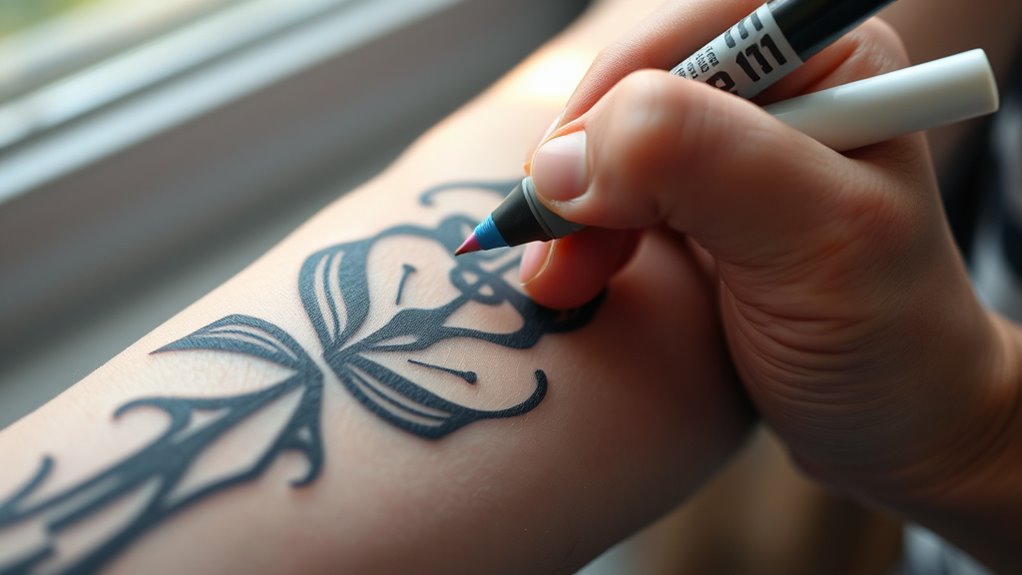
How You Can Color Over Black Tattoo Ink Step by Step
To color over black tattoo ink, start by checking your tattoo’s clarity and skin health. This step is important to make sure your skin is ready for the new pigment. You want a clean, healthy surface to work on before adding any color.
Next, choose bright, opaque pigments like reds or whites. These colors contrast well with black, helping your new design pop. Gently prepare your skin by cleaning and exfoliating it. This helps the ink apply smoothly and evenly.
When it’s time to apply, go slowly with thin layers. Use shading needles to blend the colors into the black lines. This technique creates a seamless look instead of harsh edges.
After you finish, keep the area moisturized and protect it from the sun.
Following these steps carefully will help you achieve a vibrant, lasting color transformation over your black tattoo. It’s all about patience and proper care!
Key Takeaways
– Assess the black tattoo’s clarity, saturation, and skin condition before planning color application.
It’s important to know what you’re working with so the new colors really pop.
– Choose bright, pigment-rich inks like reds, oranges, or whites for best coverage over black ink.
These colors tend to stand out more when layered on top of dark ink.
– Prepare the skin by cleaning, gently exfoliating, moisturizing, and ensuring it is fully dry.
Good prep helps the ink settle nicely and last longer.
– Apply colors gradually with thin layers, using shading needles and possibly a white base for vibrancy.
Taking it slow means better control and a brighter result.
– Follow strict aftercare with moisturization, sun protection, and hydration to preserve the new colors.
Keeping the skin healthy is key to maintaining your fresh tattoo look.
Assessing Your Existing Black Tattoo
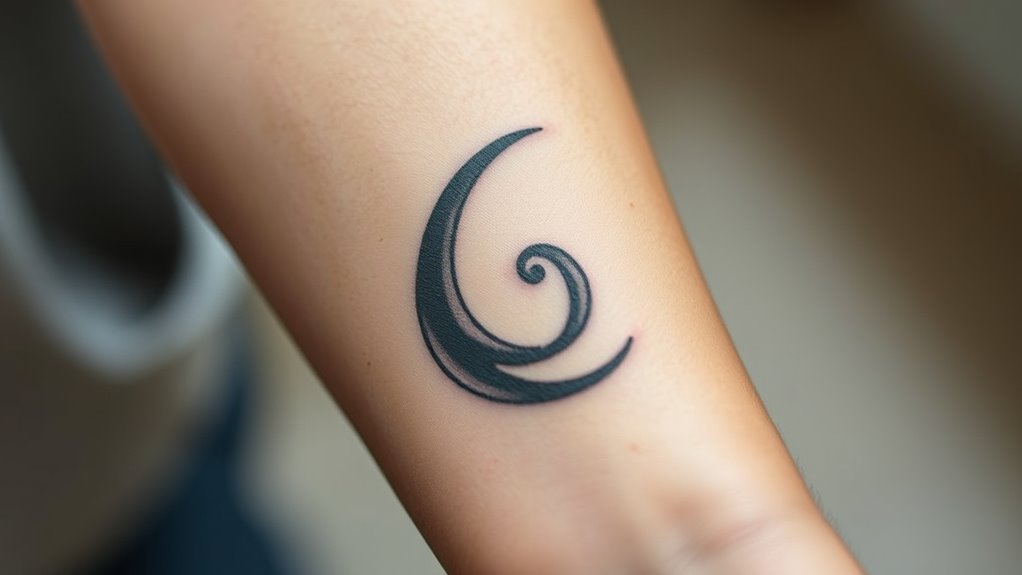
Before you begin layering color over your black tattoo, you need to carefully evaluate its current state. Look closely at the tattoo’s clarity and saturation. If the black ink has faded unevenly or blurred, it might affect how well the new colors will show up.
Check the skin’s condition too—if it’s still healing or irritated, it’s best to wait. Also, consider the tattoo’s size and detail; intricate designs with dense black lines can be challenging to cover effectively.
Think about how deep the ink sits in your skin, as this influences color absorption. Taking these factors into account helps you plan the coloring process more accurately and ensures your tattoo makeover will turn out vibrant and lasting.
Choosing the Right Colors and Ink Types
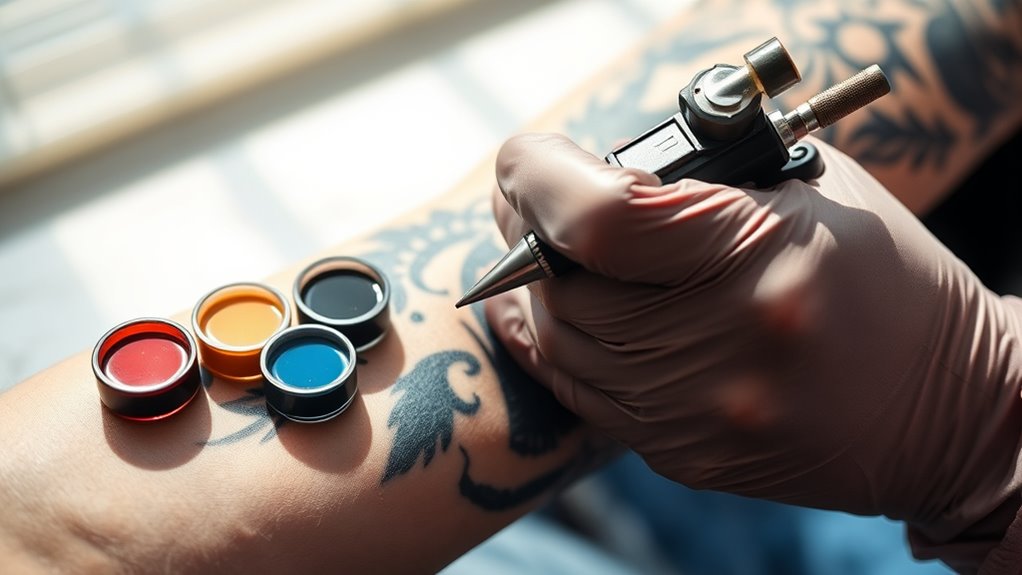
When selecting colors to layer over black tattoo ink, you’ll want to choose hues that can stand out against the dark background. Bright, vibrant colors work best because they provide contrast and aren’t easily masked by the black.
Bright, vibrant colors stand out best over black tattoo ink, offering strong contrast and visibility.
Also, the type of ink you use really matters—opt for high-quality, pigment-rich inks designed for cover-ups to ensure longevity and vibrancy.
Consider these tips when choosing colors and inks:
- Use reds, oranges, and yellows for bold, eye-catching results
- Metallic or white inks can add highlights and depth
- Avoid pastel shades; they may fade or blend into black
- Select inks labeled specifically for tattoo cover-ups
- Test color samples on a small area if possible before full application
These choices help your new colors pop and last longer over black ink. So, take your time picking the right shades and inks—it really pays off!
Preparing Your Skin for Color Application
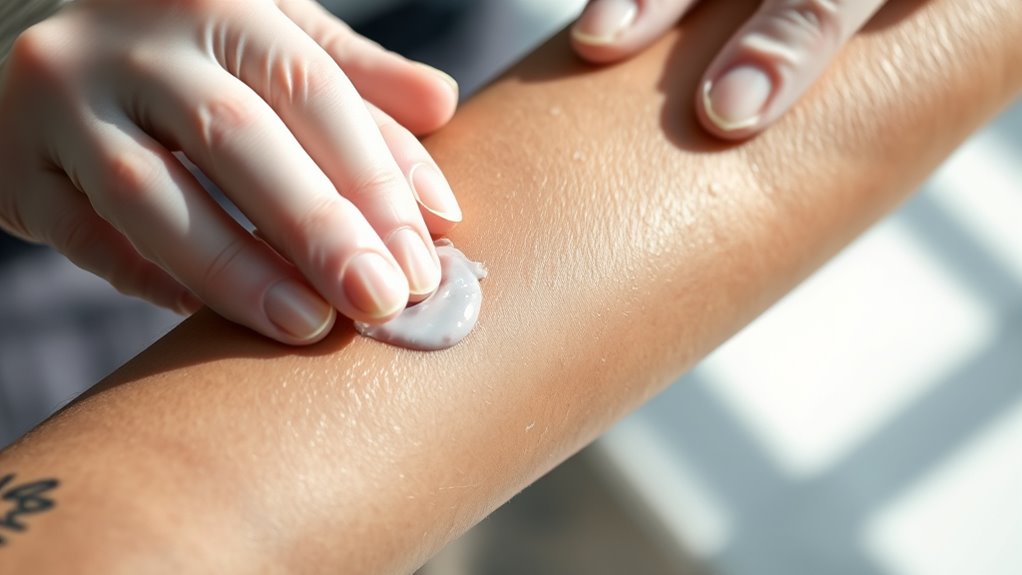
Although layering color over black ink requires skill, properly preparing your skin lays the foundation for vibrant, lasting results.
Start by cleaning the tattooed area thoroughly with a gentle, fragrance-free cleanser to remove oils and dirt. Pat the skin dry with a clean towel—avoid rubbing, which can irritate the area.
Next, exfoliate gently using a mild scrub or a soft cloth to eliminate dead skin cells, ensuring better ink absorption.
Hydrate your skin with a light, non-comedogenic moisturizer, but don’t overdo it; oily skin can interfere with ink adhesion.
Finally, wait until your skin is completely dry before applying any color. Taking these steps will create a smooth, receptive surface, helping your new colors stand out and last longer over the black ink.
Techniques for Applying Color Over Black Ink
Since applying color over black ink can be challenging, you’ll want to use techniques that maximize vibrancy and coverage. Start by choosing bright, opaque pigments designed for tattooing.
Layer colors carefully to avoid muddying the design. Here are some tips to help you:
Build colors gradually to keep your tattoo vibrant and clear without blending into a muddy mess.
- Use a shading needle to softly blend colors into the black lines.
- Apply multiple thin layers instead of one thick layer for better saturation.
- Pick contrasting colors like white, neon, or pastels to stand out against black.
- Work slowly, allowing each layer to heal before adding more color.
- Consider using a white base layer to make colors pop on dark areas.
These methods will help you refresh your tattoo with vivid colors without losing detail or clarity. It’s all about patience and technique to get the best results!
Aftercare Tips for Colored Tattoos Over Black
To keep your colored tattoo looking vibrant over black ink, you need to moisturize it regularly and stay hydrated. Protecting your tattoo from the sun is just as important to prevent fading and damage.
Let’s go over the best aftercare practices to help your tattoo heal beautifully. Taking good care now means it’ll look amazing for years to come!
Moisturizing and Hydration
When you care for a colored tattoo over black ink, keeping your skin moisturized plays a crucial role in its healing and vibrancy. Proper hydration helps prevent dryness, peeling, and fading. This way, you ensure the colors stay bright and sharp.
Here’s how you can maintain ideal moisture:
- Apply a thin layer of fragrance-free moisturizer 2-3 times daily. It’s best to use products specifically designed for tattoo aftercare.
- Avoid heavy creams that can clog pores or cause irritation. And don’t forget to drink plenty of water to hydrate your skin from within.
- After washing, gently pat your tattoo dry instead of rubbing. This helps protect your skin and the tattoo’s appearance.
Sun Protection Measures
Although your tattoo is healing, you need to protect it from sun exposure to keep the colors vibrant and prevent fading. UV rays can break down tattoo pigments, especially on fresh ink.
Always apply a broad-spectrum sunscreen with at least SPF 30 once your tattoo has fully healed. Wearing protective clothing or seeking shade also helps.
Avoid direct sunlight and tanning beds during the healing process to minimize damage.
| Sun Protection Tips | Why It’s Important | When to Apply |
|---|---|---|
| Use SPF 30+ sunscreen | Blocks harmful UV rays | After healing, daily |
| Wear protective clothing | Shields tattoo from sun | Whenever exposed outdoors |
| Avoid tanning beds | Prevents color fading | During healing and after |
| Seek shade | Reduces UV exposure | Whenever possible |
When to Consult a Professional Tattoo Artist
Deciding to add color over black tattoo ink involves careful consideration, and consulting a professional tattoo artist guarantees you get expert advice tailored to your design and skin type.
You should reach out to a pro when:
- Your black tattoo is old or heavily saturated, needing special techniques
- You want to avoid color clashing or fading issues
- Your skin is sensitive or prone to reactions
- You’re unsure about which colors will show up best over black
- You want the new design to seamlessly blend with the existing tattoo
A professional can guide you on color selection, proper layering, and aftercare, ensuring your colored tattoo looks vibrant and lasts longer.
Don’t hesitate to ask questions or request a portfolio review to feel confident before moving forward.
Frequently Asked Questions
Can Colored Tattoo Ink Fade Faster Over Black Ink?
Yes, colored tattoo ink can fade faster over black ink because the black pigment absorbs more sunlight, causing quicker fading.
You’ll need proper aftercare and touch-ups to keep your colors vibrant longer. Taking care of your tattoo really makes a difference!
Is It Safe to Mix Different Tattoo Ink Brands?
Of course, mixing tattoo ink brands is totally a brilliant idea—if you enjoy unpredictable colors and skin reactions. Seriously, you shouldn’t mix them; different formulas can cause issues.
Stick to one brand for safety and consistency. It’s just the smarter choice when it comes to your skin and the longevity of your tattoo.
How Long Should I Wait Between Tattoo Sessions?
You should wait at least 2 to 4 weeks between tattoo sessions to allow your skin to heal adequately. This timing helps prevent infection and ensures the ink settles well for the best results.
It’s really important to give your skin enough time to recover. Trust me, rushing can cause problems like irritation or fading. So, be patient and let your tattoo heal properly before the next session.
Does Skin Type Affect Color Vibrancy on Black Ink?
Yes, your skin type affects color vibrancy on black ink. Oily or darker skin tones might dull colors, while dry or lighter skin can make colors pop more.
Proper care helps maintain vibrancy regardless of skin type. So, taking good care of your skin and tattoo will really make a difference.
Can Laser Tattoo Removal Help Before Coloring Over Black?
Yes, laser tattoo removal can lighten black ink, making it easier to color over.
You’ll want to consult a professional to determine how many sessions you need before applying new colors for the best results.
Conclusion
Coloring over black can be challenging, but with careful consideration and creativity, you can craft enthralling colors. Choose complementary hues, prepare your skin properly, and apply your pigments patiently for the best results.
Remember, respecting the risks and researching aftercare routines will keep your tattoo looking lively and lasting longer. When in doubt, don’t hesitate to consult a capable, confident professional to ensure your colorful canvas truly shines.
If you’re thinking about how you can color over black tattoo ink, it’s all about technique and care. Taking your time, selecting the right colors, and following proper aftercare will make your new colors pop. So, be patient and mindful throughout the process to transform your tattoo into a vibrant masterpiece that stands the test of time.