
How Do You Get Gel Pen Ink Out of Clothes?
To get gel pen ink out of clothes, it’s important to act fast. Start by blotting the excess ink gently—don’t rub, or you might spread the stain. Then, rinse the stained area with cold water from the back of the fabric to push the ink out.
Next, grab some rubbing alcohol or hairspray and dab it gently onto the stain. This helps break down the ink so it lifts away more easily.
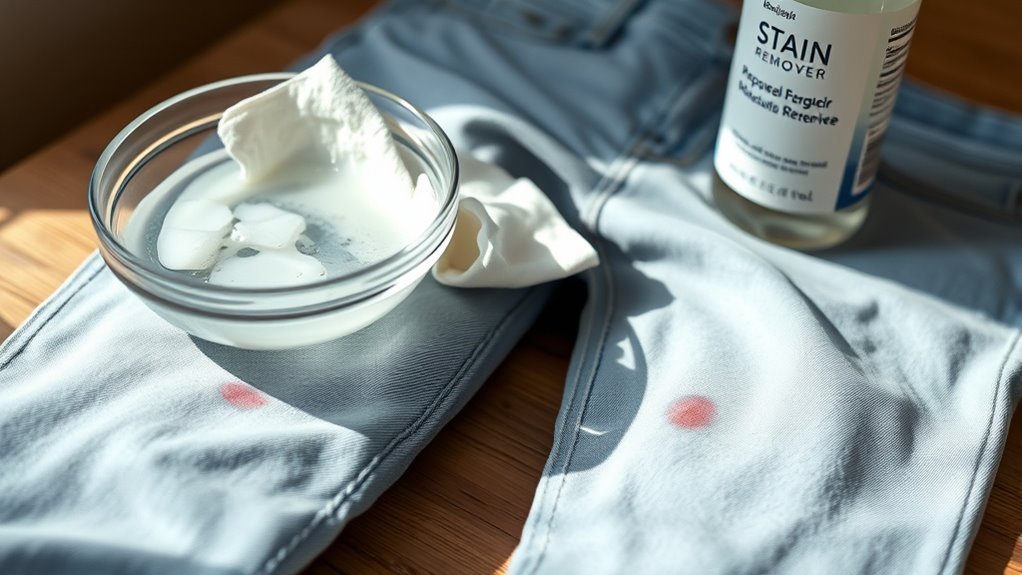
If you prefer natural remedies, soaking the area in milk or vinegar can also do the trick before you blot again.
After treating the stain, always wash your clothes in cold water. Avoid using heat like hot water or the dryer until you’re sure the stain is completely gone.
Keep these tips in mind, and you’ll find gel pen ink stains much easier to tackle!
Key Takeaways
- Blot excess gel ink gently with a clean cloth without rubbing to avoid spreading the stain. Rubbing can make things worse, so just dab it lightly.
- Rinse the stained area with cold water from the back to push ink out of the fabric fibers. This helps flush the ink away rather than pushing it deeper in.
- Apply rubbing alcohol or hand sanitizer on the stain, dab gently, and let it sit for a bit to penetrate. Then, blot it again to lift the ink out.
- Before you go all in, test any cleaning solutions on a hidden part of the fabric. This step helps prevent any damage or discoloration.
- Once you’re done treating the stain, wash the garment in cold water. Air dry it and keep it away from heat until you’re sure the stain is completely gone.
Identify the Type of Fabric

Before you treat gel pen ink stains, you need to identify the fabric type. Different fabrics react differently to stain removal methods, so knowing what you’re working with helps you choose the safest and most effective approach.
Check the care label for fabric content—cotton, polyester, silk, or wool each require unique care. For delicate fabrics like silk or wool, you’ll want to avoid harsh chemicals and opt for gentle solutions.
For sturdier fabrics like cotton or polyester, you can use stronger stain removers without damaging the material. If you’re unsure about the fabric, test any cleaning agent on a hidden area first to prevent discoloration or damage.
Identifying the fabric upfront prevents mistakes and ensures you treat the stain without ruining your clothes. It’s always better to be safe than sorry when it comes to caring for your garments.
Act Quickly to Prevent Ink Setting
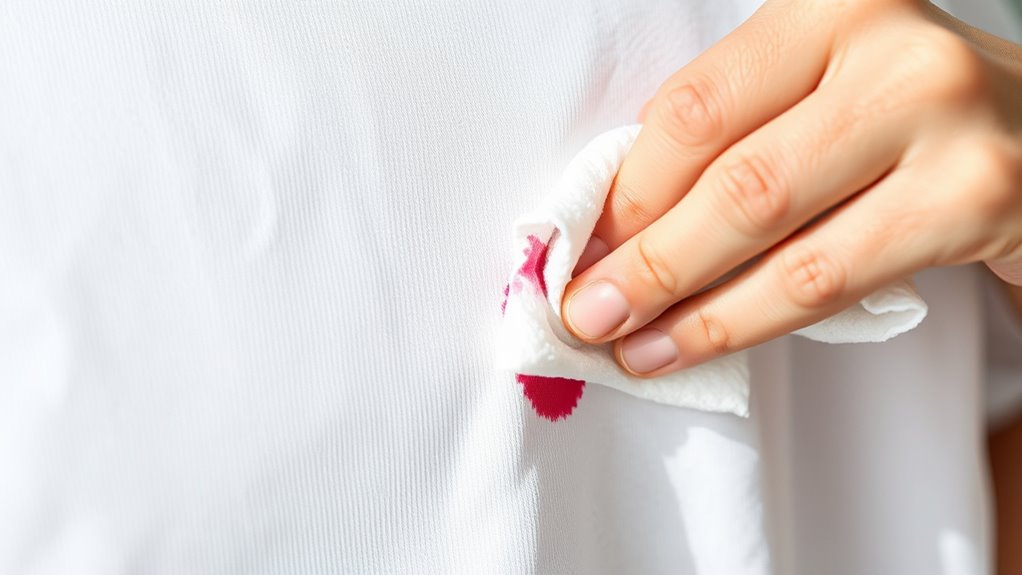
As soon as you notice the gel pen ink, act fast to stop it from setting. Blot the stain gently with a clean cloth—don’t rub, or you’ll spread the ink.
Always use cold water to avoid locking the stain into the fabric. It’s super important to be quick about it!
Immediate Stain Response
Because gel pen ink can quickly seep into fabric fibers, you should act immediately to prevent it from setting permanently.
As soon as you notice the stain, grab a clean cloth or paper towel and gently dab the area to absorb excess ink. Avoid rubbing, which can spread the stain further.
Next, rinse the stained fabric under cold running water from the back of the stain to push the ink out of the fibers. If possible, soak the garment in cold water for 10 to 15 minutes to loosen the ink.
The key is to address the stain right away—delaying treatment increases the chance the ink will embed deeply and become much harder to remove later on. Your prompt response makes all the difference.
Blot, Don’t Rub
When you spot gel pen ink on your clothes, blot the stain gently instead of rubbing it, since rubbing can push the ink deeper into the fabric and make it harder to remove. Act quickly to prevent the stain from setting.
Follow these steps:
- Place a clean white cloth or paper towel underneath the stained area to absorb excess ink.
- Use another clean cloth or a cotton ball to gently dab the ink, lifting it away without spreading.
- Avoid scrubbing, which can damage fibers and embed ink further.
- Continue blotting with fresh cloths until no more ink transfers.
Use Cold Water
If you catch gel pen ink on your clothes, use cold water immediately to stop the stain from setting. Hold the stained area under a cold running tap, letting the water flush out as much ink as possible. Avoid hot water, as it can cause the ink to bind with the fabric fibers, making removal harder.
Gently run cold water through the back of the stain to push the ink out, rather than pressing it further in. If running water isn’t available, soak the garment in a cold water basin for 15–30 minutes to loosen the ink.
Acting quickly with cold water prevents the ink from drying and makes subsequent stain removal steps more effective. This way, you’ll have a better chance of restoring your clothes to their original condition.
Use Rubbing Alcohol to Break Down Ink
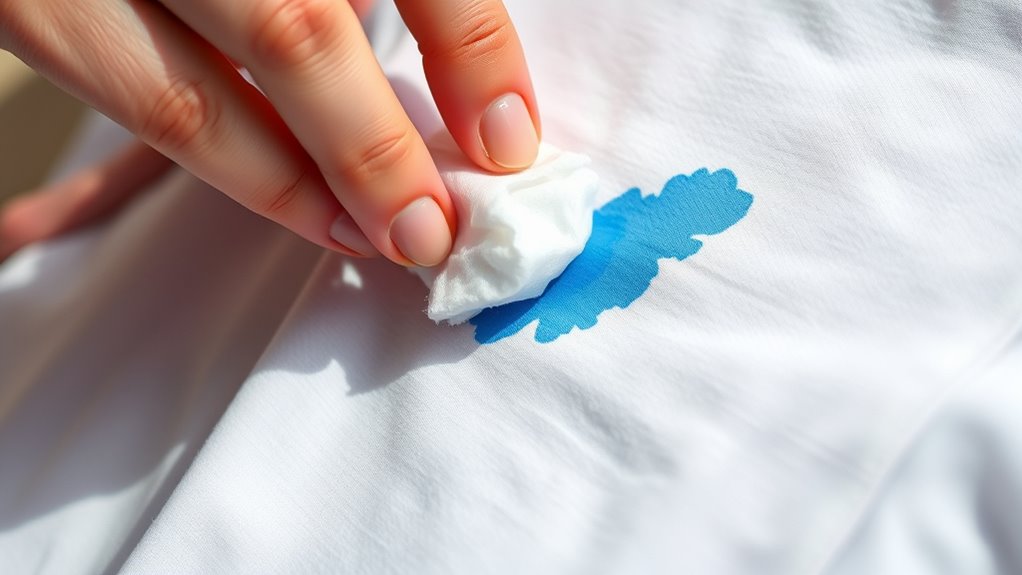
Though gel pen ink can be stubborn, you can effectively break it down using rubbing alcohol. Here’s how you do it:
Place a paper towel under the stained fabric to prevent ink from spreading. Dab a cotton ball or cloth soaked in rubbing alcohol directly onto the ink stain.
Place paper towel beneath fabric to catch ink, then gently dab rubbing alcohol onto the stain for best results.
Blot gently, allowing the alcohol to dissolve the ink without rubbing it deeper. Continue blotting with a clean section of the cloth until the stain starts to lift.
Once the ink begins to fade, rinse the fabric with cold water to remove any leftover alcohol and ink residue. This method works best if you act quickly before the ink sets.
Remember to test the alcohol on a hidden fabric area first to avoid damage. It’s always better to be safe than sorry!
Apply Hairspray for Difficult Stains
If rubbing alcohol doesn’t fully remove the gel pen ink, try using hairspray for tougher stains. Choose a hairspray with a high alcohol content for the best results, and spray it directly onto the stain.
Let it sit for a few minutes before blotting and washing as usual. This trick can really help when the stain just won’t budge! Give it a shot and see how it works for you.
Hairspray Selection Tips
Since not all hairsprays work equally well on gel pen stains, you’ll want to choose one with a high alcohol content to break down the ink effectively. When picking a hairspray, keep these tips in mind:
- Look for “extra hold” or “strong hold” labels—they usually have more alcohol.
- Avoid moisturizing or conditioning sprays; their oils can make stains worse.
- Choose clear formulas to prevent adding color to your fabric.
- Test the hairspray on a hidden fabric spot first to ensure it won’t damage or discolor the material.
Picking the right hairspray really sets you up for easier stain removal. With the proper product, you’ll boost your chances of lifting that stubborn gel pen ink out of your clothes without causing harm.
Application Method Steps
Choosing the right hairspray sets the foundation for tackling gel pen stains, but applying it correctly makes all the difference. First, place the stained fabric on a flat surface and lay a clean cloth or paper towel underneath to prevent the ink from spreading.
Shake the hairspray can well, then spray directly onto the ink stain, saturating it thoroughly. Let it sit for about 5 to 10 minutes to allow the alcohol in the hairspray to break down the ink.
Next, gently blot the area with a clean cloth, avoiding rubbing, which can push the ink deeper. If needed, just repeat spraying and blotting until you see the stain lighten.
Once the stain starts to fade, rinse the fabric with cold water and wash it as usual to get rid of any leftover residue. Easy, right?
Try Milk or Vinegar as Natural Remedies
When gel pen ink stains your clothes, you can turn to common household items like milk or vinegar to tackle the problem naturally. These gentle remedies can break down the ink without harsh chemicals.
Here’s how you can use them effectively:
- Pour a small bowl of milk or white vinegar.
- Soak the stained part of the fabric in the liquid for about 30 minutes.
- Gently blot the stain with a clean cloth, lifting the ink away.
- Repeat soaking and blotting if necessary until the ink starts to fade.
Using milk or vinegar is an easy, eco-friendly way to handle ink stains before you proceed with further cleaning steps. It’s simple and works wonders!
Launder the Garment Properly After Treatment
After using milk or vinegar to lift the gel pen ink, you’ll want to launder the garment properly to remove any remaining stains and prevent them from setting. First, check the care label to choose the right water temperature—usually, warm water works best for stain removal.
Before tossing the garment in the wash, apply a small amount of liquid detergent directly on the stained area and gently rub it in. Wash the garment separately or with similar colors to avoid dye transfer.
After washing, take a good look at the stain before drying. Heat from the dryer can set the ink permanently, so if the stain’s still there, go ahead and repeat the treatment steps.
Just a heads up—avoid using bleach unless the fabric is white and bleach-safe. It can damage colors and fibers, so better safe than sorry!
Frequently Asked Questions
Can Gel Pen Ink Stain Non-Fabric Materials Like Leather?
Yes, gel pen ink can stain non-fabric materials like leather. You’ll want to act quickly and gently.
Use rubbing alcohol or a leather cleaner to avoid damage while removing the ink. Just be careful not to spread the stain further.
Is It Safe to Use Bleach on Gel Pen Ink Stains?
When it comes to bleach, it’s a double-edged sword—you shouldn’t use it on gel pen ink stains unless the fabric’s white and bleach-safe.
Otherwise, it might damage your clothes more than help. Test first!
How Long Does Gel Pen Ink Take to Fully Dry on Fabric?
Gel pen ink usually takes about 1 to 3 minutes to dry on fabric, depending on the fabric type and ink amount.
You should avoid touching it during this time to prevent smudging or spreading the stain.
Can Gel Pen Ink Stains Be Removed From Delicate Fabrics Like Silk?
Like a delicate dance, you can remove gel pen ink from silk, but you’ll need gentle care. Use cold water, mild detergent, and avoid rubbing.
Test a hidden spot first to keep your fabric flawless. It’s all about being gentle and patient with those delicate fibers.
Will Freezing the Stained Fabric Help Remove Gel Pen Ink?
Freezing the stained fabric won’t effectively remove gel pen ink. Instead, you should treat the stain quickly with rubbing alcohol or a stain remover, then wash it.
Freezing mainly helps with gum or wax, not ink. So, it’s better to skip the freezer and tackle the stain right away!
Conclusion
Removing gel pen ink from clothes might seem tricky, but acting quickly makes a huge difference. Did you know that treating stains within the first 24 hours increases your chance of removal by over 80%?
By identifying your fabric type and using rubbing alcohol, hairspray, or natural remedies like milk or vinegar, you can effectively break down the ink. These options work well to lift the stain without damaging your clothes.
Just remember to launder the garment properly afterward. This step helps keep your clothes looking fresh and stain-free.
In conclusion, getting gel pen ink out of clothes is totally doable with the right approach. Quick action, knowing your fabric, and using the right stain removers like rubbing alcohol or natural treatments make all the difference. Follow up with proper washing, and you’ll have your clothes looking good as new in no time. Don’t stress—gel pen ink stains don’t have to be permanent!