What Gets Ink Out of Leather Effectively?
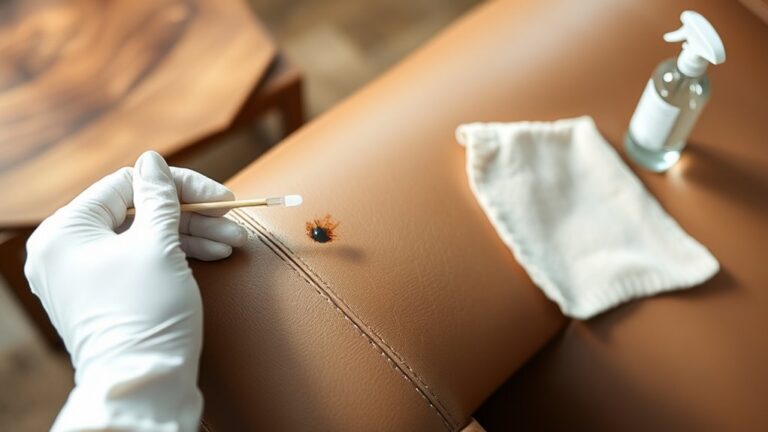
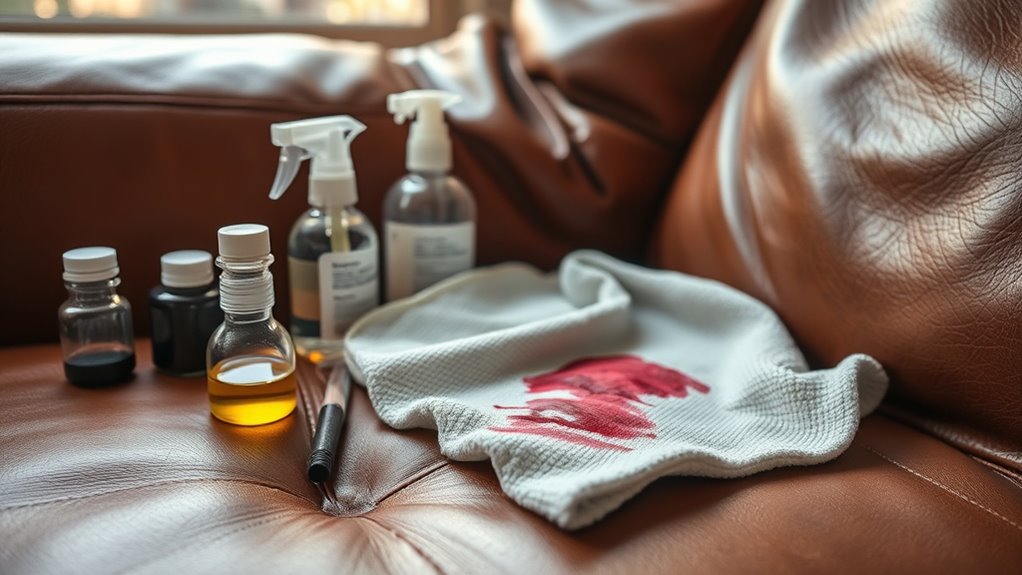
You can get ink out of leather effectively by gently dabbing rubbing alcohol on the stain with a cotton swab—just test first to avoid damage. Using rubbing alcohol is a popular method because it breaks down the ink quickly without soaking the leather.
Specialized leather cleaners designed for delicate surfaces also help without drying out the material. These cleaners are made to protect the leather’s finish while lifting stains.
For a natural fix, try milk or diluted vinegar, applying carefully. These household items can sometimes do the trick if you prefer a gentler approach.
Avoid harsh scrubbing to protect your leather’s finish. Harsh scrubbing can damage the leather and make stains worse.
If you want to keep your leather looking its best, there are also useful prevention tips and deeper cleaning methods to explore.
Taking care of leather regularly keeps it supple and stain-free.
Key Takeaways
- Use rubbing alcohol cautiously, applying with a cotton swab and testing on a hidden spot first. This helps gently break down the ink without damaging the leather.
- Apply leather-specific cleaners and conditioners using small circular motions. This method safely lifts the ink while preserving the leather’s finish and texture.
- You can also try natural remedies like milk, diluted white vinegar, or a mix of olive oil with lemon juice. These options gently remove ink without resorting to harsh chemicals.
- Avoid vigorous scrubbing or soaking the leather. Instead, always blot ink stains gently to prevent spreading and deeper absorption.
- If the stain is stubborn or the leather is valuable, it’s best to seek professional cleaning. This way, you avoid damage and ensure the ink is removed effectively.
Understanding the Nature of Ink Stains on Leather
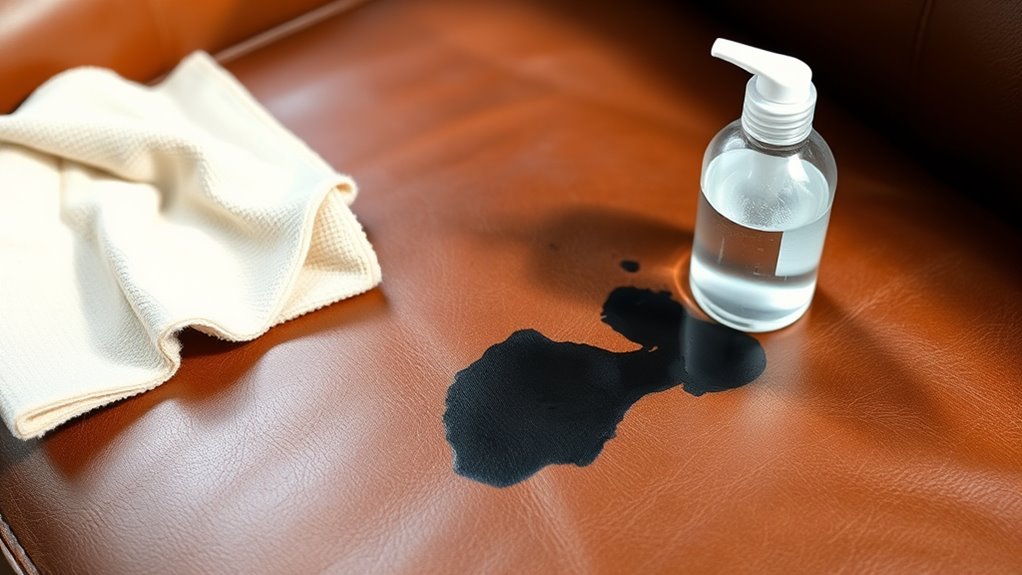
Why does ink stain leather so stubbornly? When ink touches leather, it soaks into the tiny pores and fibers, making the stain deeply embedded. Leather is porous and absorbent, which means the ink doesn’t just sit on the surface—it becomes part of the material.
You’ll notice that the longer the ink stays, the harder it is to remove because it sets and bonds with the leather’s natural oils. Since leather is delicate, harsh cleaning methods can damage its finish or texture.
You need to understand the type of leather and ink involved to choose the right approach. Quick action helps prevent permanent marks. Knowing how ink interacts with leather helps you tackle stains more effectively without ruining your prized belongings.
Using Rubbing Alcohol to Remove Ink From Leather
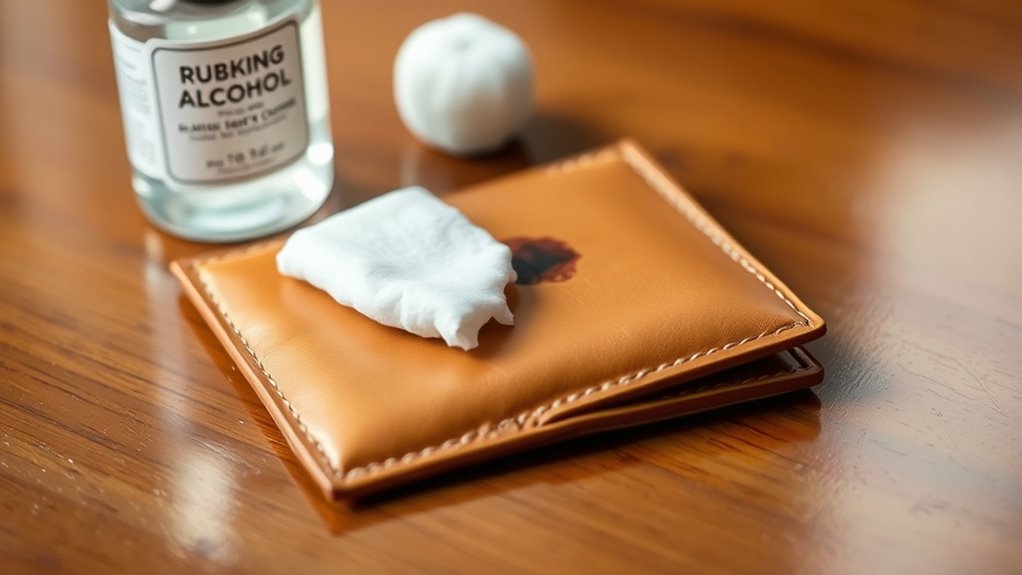
Although rubbing alcohol can be effective at breaking down ink stains on leather, you need to use it carefully to avoid damaging the material. Start by testing a small, hidden area to make sure the alcohol doesn’t cause discoloration or drying.
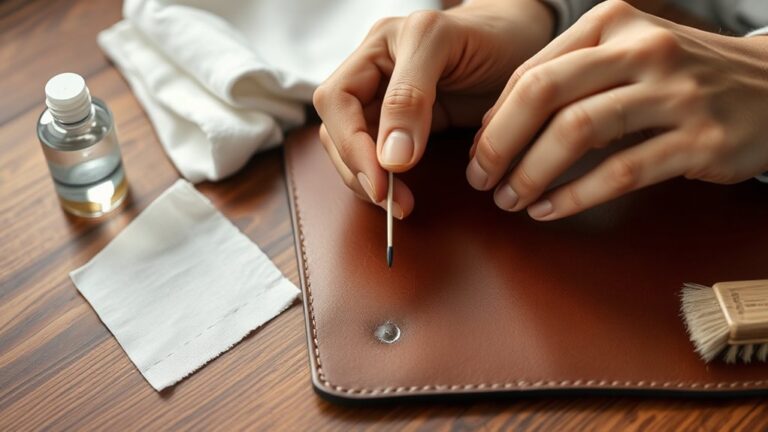
Apply a small amount of rubbing alcohol to a cotton swab, then gently dab the ink stain—don’t rub, as this can spread the ink or harm the leather’s surface. Work slowly, using fresh swabs as the ink lifts.
Once the stain fades, wipe the area with a damp cloth to remove any residue. Avoid soaking the leather, and don’t use harsh scrubbing motions. Using rubbing alcohol sparingly and cautiously gives you a better chance of removing ink without compromising your leather’s finish.
Applying Leather Cleaner and Conditioner Safely
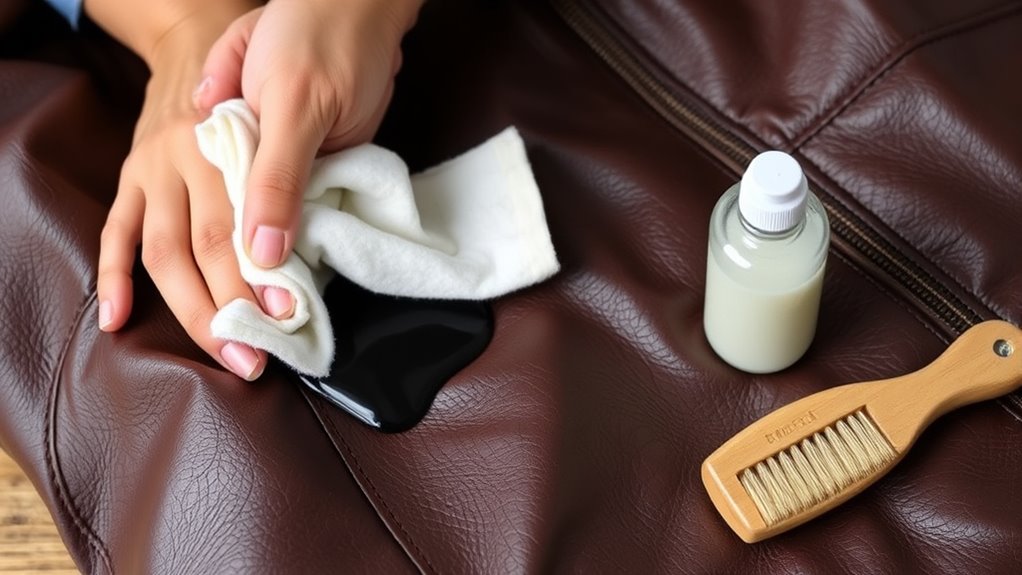
You’ll want to pick leather cleaners and conditioners that are specifically designed to be gentle and safe for your leather. Always test the product on a small, hidden area first to prevent damage.
Applying these products carefully with a soft cloth ensures your leather stays clean and nourished without harm. It’s a simple step that makes a big difference!
Choosing Safe Products
How can you guarantee the products you use won’t damage your leather while removing ink? Start by choosing cleaners specifically designed for leather. Avoid harsh chemicals like bleach, ammonia, or alcohol, which can dry out or discolor the material.
Look for pH-balanced, mild formulas that maintain leather’s natural oils. Always check the label for “safe on leather” or similar assurances. If you’re unsure, test the product on a hidden area first to spot any adverse reactions.
Additionally, opt for conditioners that restore moisture and flexibility after cleaning. Using safe, gentle products protects your leather’s finish and extends its life, making ink removal effective without compromising its quality.
Your careful choice ensures the best results every time.
Proper Application Techniques
When should you apply leather cleaner and conditioner to achieve the best results? Ideally, you want to clean and condition your leather after removing any ink stains and once the leather is dry.
Here’s how to apply these products safely and effectively:
- Test the product on a hidden area first to avoid discoloration.
- Use a soft, lint-free cloth to apply cleaner and conditioner gently.
- Apply in small, circular motions to cover the surface evenly.
- Avoid soaking the leather; use a minimal amount of product.
- Let the leather air dry naturally, away from direct heat or sunlight.
Following these steps helps maintain leather’s softness and prevents damage while enhancing ink removal results. It’s pretty straightforward, and your leather will thank you for the care!
Leveraging Natural Remedies for Ink Stain Removal
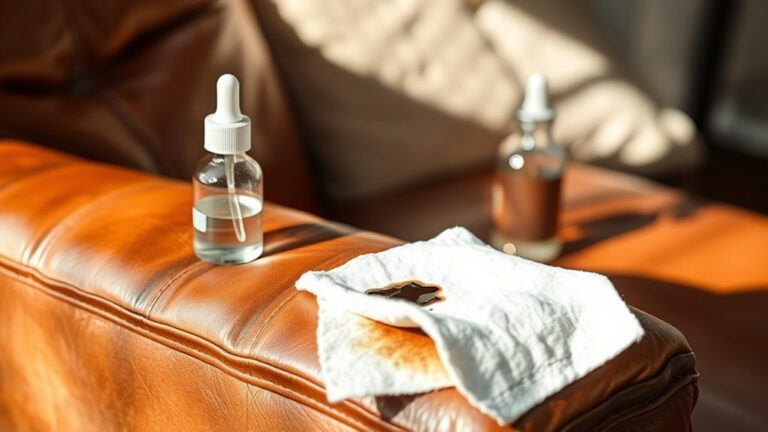
Although commercial products can be effective, turning to natural remedies for ink removal from leather offers a gentler alternative that’s often safer for the material. You can start with milk by soaking a cotton ball and gently dabbing the stain; its proteins help lift ink without harsh chemicals.
Another option is white vinegar diluted with water—apply it sparingly using a soft cloth to avoid damage. Olive oil mixed with lemon juice also works well as a natural cleaner, but test it on a hidden spot first.
Preventative Tips to Protect Leather From Ink Damage
Since ink stains can be stubborn and damaging, taking steps to protect your leather beforehand is essential. You can minimize risks and keep your leather looking great by being proactive.
Here are some effective preventative tips:
- Avoid placing pens or markers near leather items.
- Use leather protectant sprays to create a barrier against stains.
- Clean your leather regularly with a soft, damp cloth to remove dust and dirt.
- Store leather goods in dust bags or covers when not in use.
- Handle leather with clean hands to prevent transferring ink or other substances.
When to Seek Professional Leather Cleaning Services
If you notice ink stains that won’t fade despite your best efforts, it’s a good idea to turn to professional leather cleaners. They have specialized products and techniques that can safely eliminate stubborn ink without damaging the leather.
You should also seek professional help if the leather is delicate, vintage, or costly, as improper cleaning might cause irreversible harm. Additionally, if the stain covers a large area or has set in for a long time, professionals can provide a more effective solution than household methods.
Don’t wait too long—early intervention by experts increases the chance of successful removal. Ultimately, trusting professionals ensures your leather stays in the best condition while protecting its appearance and value.
Frequently Asked Questions
Can Ink Stains on Leather Cause Permanent Discoloration?
Yes, ink stains on leather can cause permanent discoloration if you don’t act quickly.
You should treat the stain promptly using appropriate cleaners to minimize damage and preserve your leather’s original appearance.
Is It Safe to Use Nail Polish Remover on Leather?
You shouldn’t use nail polish remover on leather—it contains acetone, which can damage 80% of leather finishes.
Instead, try a leather cleaner designed for ink stains to protect your leather without risking discoloration or texture loss.
It’s better to be safe than sorry when it comes to your leather items!
How Long Should Rubbing Alcohol Be Left on Leather?
You should leave rubbing alcohol on leather for no more than a few seconds to a minute. Then, quickly blot it off to avoid drying or damaging the leather.
Always test a small area first. It’s better to be safe than sorry when dealing with leather!
Will Ink Removal Methods Damage Leather’s Texture?
Yes, some ink removal methods can damage leather’s texture if you’re not careful. You should always test products on a small area first.
Use gentle, leather-safe cleaners to avoid drying out or discoloring the material. Taking it slow really helps keep your leather looking great!
Can Heat Help in Removing Ink From Leather?
Heat can actually make ink set deeper into leather, so you shouldn’t use it for removal. Instead, gently dab with rubbing alcohol or leather cleaner to avoid damaging the texture.
Always test a small area first. It’s better to be safe than sorry when dealing with leather!
Conclusion
Think of your leather as a canvas, and ink stains as unexpected splatters that disrupt its story. By acting quickly with rubbing alcohol, gentle cleaners, or natural remedies, you’re restoring its original beauty—as if wiping away a smudge on a masterpiece.
Protecting your leather is like shielding a treasured painting from future smudges. When stains feel too stubborn, don’t hesitate to call in the professionals, your artwork’s trusted restorers.
Effectively getting ink out of leather involves prompt action and the right cleaning methods. Using rubbing alcohol or specialized leather cleaners can lift the ink without damaging the surface. Natural remedies, like a dab of lemon juice or milk, sometimes help but should be tested carefully first. Remember, leather is delicate, so always treat stains gently to avoid ruining its finish. If the ink stain persists, professional leather cleaning services are your best bet for a safe and thorough solution. Taking these steps ensures your leather stays beautiful and ink-free for years to come.