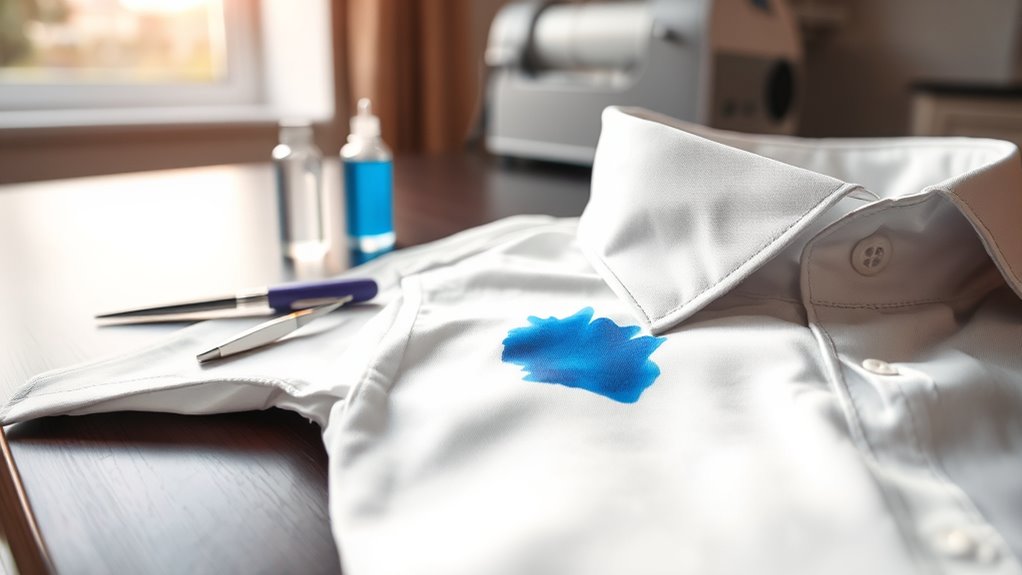
Can Dry Cleaners Remove Ink Stains?
Yes, dry cleaners can remove many types of ink stains that you might struggle to get rid of at home. They use specialized solvents and spot treatments designed specifically to break down different types of ink without harming your fabric. This makes professional cleaning a great option when dealing with tricky ink marks.
Whether your ink stain is fresh or set, dry cleaners often have the best tools and expertise to handle it. This is especially true for delicate or “dry clean only” garments that require extra care.
Proper treatment and care afterward also help ensure your clothes keep looking great for a long time. Keep reading to discover how different inks and fabrics can affect the success of stain removal and what you can expect from professional dry cleaning.
Key Takeaways
- Dry cleaners use specialized solvents to effectively dissolve and remove various types of ink stains without damaging fabrics. They know exactly how to handle different ink formulas.
- Professional spot treatment targets ink precisely, increasing the chances of complete stain removal, especially on delicate or dry-clean-only fabrics. It’s a careful process that really pays off.
- Ink removal success depends on fabric type and ink chemistry, with natural fibers posing more challenges than synthetics. So, what works on one fabric might not work on another.
- Large, old, or stubborn ink stains are best handled by dry cleaners to avoid spreading or permanent setting through DIY attempts. Trying at home could make things worse.
- Post-treatment care includes air drying, mild detergents, and proper storage to preserve fabric quality and prevent stain reappearance. Keeping up with these steps helps your clothes stay fresh longer.
How Ink Stains Affect Different Types of Fabrics
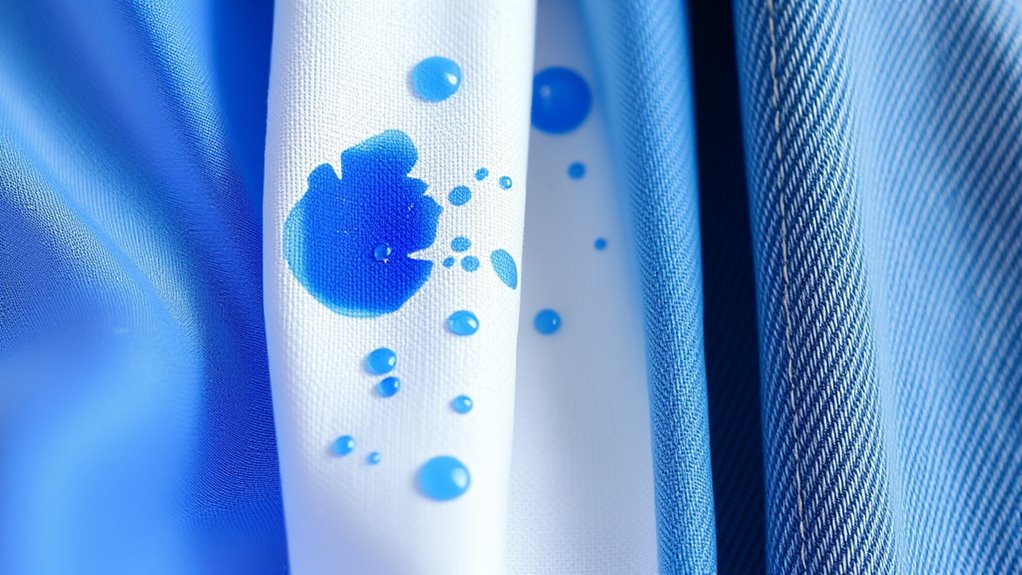
Although ink stains can be stubborn on any fabric, they affect materials differently depending on their fiber content and weave. When you spill ink on natural fibers like cotton or linen, the open weave and absorbent fibers tend to soak up the ink quickly, making the stain more challenging to remove.
On the other hand, synthetic fibers such as polyester or nylon have tighter weaves and less absorbency, so the ink often stays more on the surface. This sometimes makes cleaning easier.
Delicate fabrics like silk require extra care since ink can penetrate deeply and damage the fibers during treatment. Knowing how your fabric reacts helps you choose the best cleaning method and increases the chances that your dry cleaner can fully remove the stain.
Common Ink Types and Their Challenges
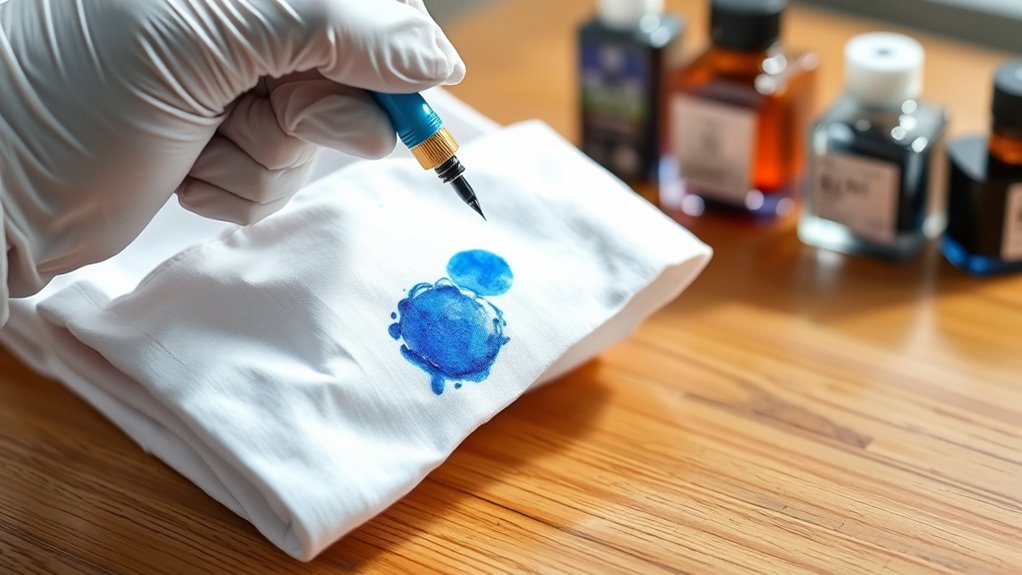
When you deal with ink stains, understanding the type of ink involved is essential because each kind poses unique removal challenges. Ballpoint ink, for example, tends to be oil-based and can settle deep into fabric fibers, making it stubborn to remove.
Gel ink, which is water-based but thicker, can spread quickly and stain more extensively. Permanent markers use pigments designed to resist fading and washing, so they often require specialized treatment.
Fountain pen ink, usually water-soluble, might seem easier to clean but can still cause color bleeding, complicating removal. Each ink type’s chemical makeup affects how it interacts with fabric and cleaning agents, so knowing what you’re dealing with helps set realistic expectations about stain removal success.
Techniques Used by Dry Cleaners to Remove Ink
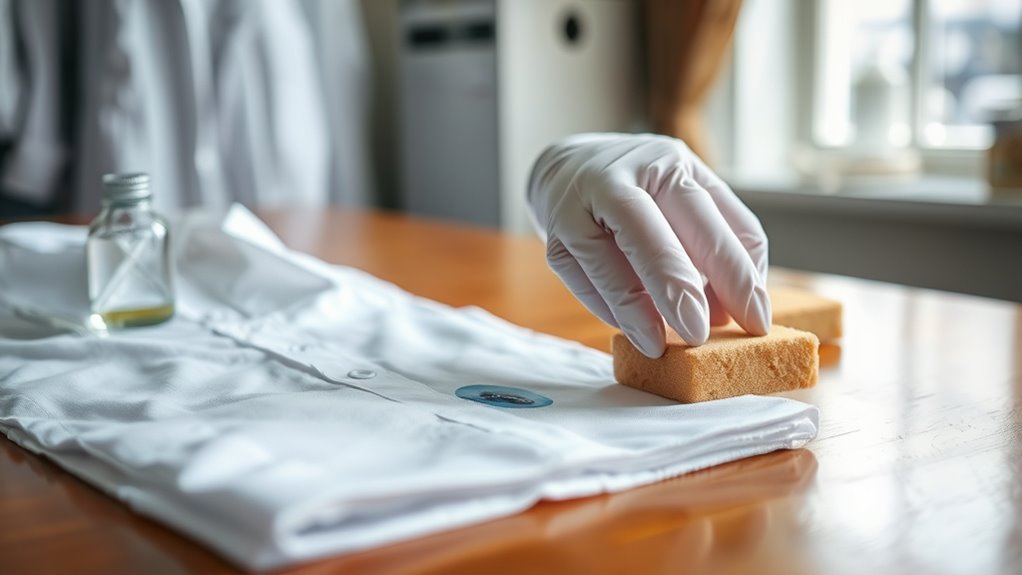
When you bring ink-stained clothes to dry cleaners, they rely on solvent-based removal techniques to tackle the marks effectively. You’ll notice they use spot treatment methods to target stains without damaging the fabric.
Plus, specialized stain removal agents help break down ink for a thorough clean. It’s pretty neat how they can make those stubborn marks disappear without messing up your clothes!
Solvent-Based Ink Removal
Since ink stains can be stubborn and vary in composition, dry cleaners rely on specialized solvents to break down and lift the ink from fabric fibers effectively.
When you bring a stained garment, professionals select solvents tailored to the ink type—whether ballpoint, gel, or permanent. These solvents dissolve the ink’s chemical structure, enabling its removal without damaging the fabric.
You might notice that the cleaning process involves applying these solvents carefully to avoid spreading the stain. Dry cleaners often combine solvent treatment with controlled agitation to loosen ink particles.
Spot Treatment Methods
How do dry cleaners tackle stubborn ink spots with precision? They rely on targeted spot treatment methods that focus directly on the affected area without damaging the fabric.
When you bring in a garment, experts first identify the ink type and fabric to choose the best approach. Then, they carefully apply treatments using:
- Gentle blotting to lift fresh ink without spreading
- Controlled application of cleaning solutions tailored to the fabric
- Use of specialized tools like stain sticks or swabs for accuracy
These techniques let dry cleaners remove ink stains effectively while preserving your clothing’s texture and color. By focusing on precision, they prevent the stain from setting deeper and avoid unnecessary wear on the fabric.
You’ll get a cleaner garment without risking damage. It’s a smart way to keep your clothes looking great!
Specialized Stain Removal Agents
A variety of specialized stain removal agents play a crucial role in tackling ink stains effectively. When you bring your garment to a dry cleaner, they’ll often use solvents like perchloroethylene or hydrocarbon-based solutions, which dissolve ink without damaging fabric.
Some stains might require stronger agents, such as acetone or alcohol-based removers, to break down stubborn ink pigments. These agents target the ink’s chemical components, loosening them from fibers for easier extraction.
Your dry cleaner carefully selects the right product based on the ink type and fabric to avoid discoloration or damage. Using these specialized agents ensures the ink stain fades considerably or disappears altogether, restoring your garment’s appearance with precision and care.
When to Choose Professional Dry Cleaning Over DIY Methods
When you’re dealing with stubborn ink stains, knowing whether to tackle the problem yourself or seek professional dry cleaning can save your clothes from permanent damage. You should opt for professional dry cleaning if:
- The fabric is delicate or labeled “dry clean only,” making at-home treatments risky.
- The ink stain is large, old, or has set deeply into the fibers.
- Previous DIY attempts haven’t worked, risking further spreading or fixation.
Professionals use specialized solvents and techniques that protect the garment’s integrity while effectively lifting ink. Choosing dry cleaning over DIY methods ensures your clothes get the right care, preserving their appearance and lifespan without guesswork or damage.
Don’t hesitate to hand over tough stains to experts who know exactly how to handle them safely. It’s often the best way to save your favorite pieces without the stress.
Preventing Ink Stains From Setting Permanently
When you spill ink, act quickly to stop it from setting permanently. Blot the stain gently—never rub—and keep the fabric away from heat.
These simple steps can make a big difference in saving your clothes. Just a little care goes a long way!
Act Quickly After Spilling
Although ink stains can seem stubborn, you can prevent them from setting permanently by acting immediately after the spill. The key is to intervene before the ink dries and bonds with the fabric fibers.
As soon as you notice the stain, follow these steps:
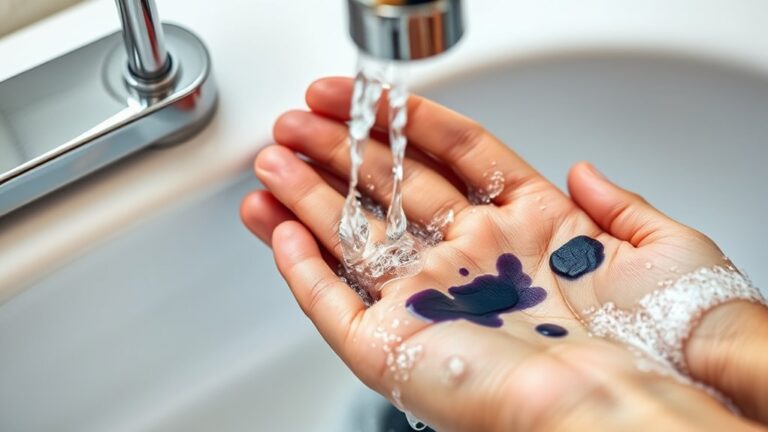
- Gently blot the area with a clean cloth or paper towel to absorb excess ink.
- Apply a small amount of cold water to dilute the stain without spreading it.
Try to avoid heat or friction, because that can cause the stain to set deeper into the fabric. It’s all about being quick and gentle!
Blot, Don’t Rub
After you’ve gently blotted the ink stain and applied cold water, resist the urge to rub the fabric. Rubbing spreads the ink, pushing it deeper into fibers.
That just makes removal harder. Instead, keep blotting with a clean cloth or paper towel.
This helps lift the ink without embedding it.
| Action | Effect on Ink Stain |
|---|---|
| Blot | Lifts ink from the surface |
| Rub | Spreads and embeds ink |
| Apply cold water | Dilutes ink for easier removal |
| Use clean cloth | Prevents spreading and contamination |
Avoid Heat Exposure
Why should you steer clear of heat after spotting an ink stain? Heat causes ink to bond permanently with fabric fibers, making the stain nearly impossible to remove.
So, to prevent the stain from setting, avoid exposing the affected area to any heat sources.
Here’s what you should do instead:
- Skip using hot water when rinsing or washing the stained fabric.
- Avoid putting the garment in the dryer or ironing it before the stain is removed.
- Keep the stained item away from direct sunlight or any warm surfaces.
Tips for Maintaining Garments After Ink Stain Removal
To keep your garments looking their best after ink stain removal, you’ll want to handle them with extra care. Avoid exposing the fabric to heat and harsh chemicals.
Always follow the garment’s care label instructions and store items properly to prevent new stains or damage. It really helps keep your clothes in good shape.
Here’s a quick guide to help you maintain your clothes post-treatment:
| Action | Reason |
|---|---|
| Air dry naturally | Prevents setting residual stains |
| Use mild detergents | Protects fabric fibers |
| Store in breathable bags | Avoids moisture buildup |
Frequently Asked Questions
How Long Does the Dry Cleaning Process Take for Ink Stains?
The dry cleaning process for ink stains usually takes one to two days.
You’ll drop off your garment, and they’ll carefully treat the stain before cleaning. So, expect a short wait to get your item back looking fresh.
Are Ink Stain Removers Safe for Delicate Fabrics?
You might worry ink stain removers could damage delicate fabrics, but many are specially formulated to be gentle.
Always test on a small area first, and follow instructions carefully to keep your clothes safe and stain-free.
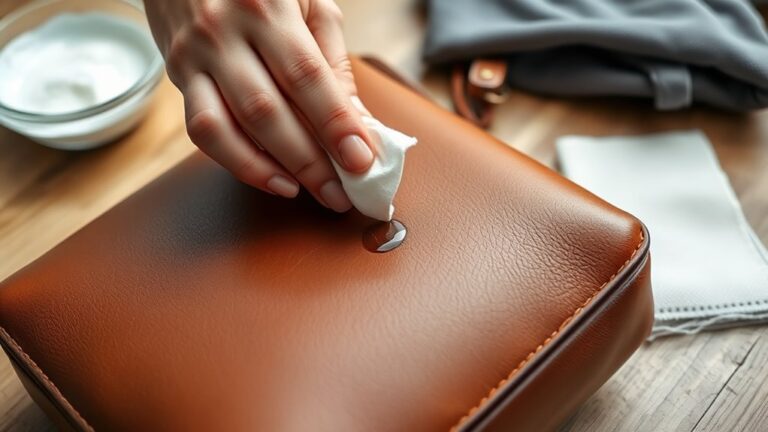
Can Dry Cleaners Remove Ink Stains From Leather Items?
Yes, dry cleaners can often remove ink stains from leather items, but you should choose a professional experienced with leather care.
They’ll use specialized treatments to avoid damage and restore your leather’s appearance effectively.
It’s always a good idea to ask about their experience with leather before handing over your item.
That way, you can be more confident your leather will be cleaned safely and look great afterward.
Do Dry Cleaners Guarantee Complete Ink Stain Removal?
No, dry cleaners don’t guarantee complete ink stain removal because ink can be stubborn and vary by fabric.
However, they’ll use their expertise and special solvents to try their best and improve your garment’s appearance.
How Much Does Ink Stain Removal Typically Cost at a Dry Cleaner?
You’ll usually pay between $10 and $30 for ink stain removal at a dry cleaner.
Since 60% of stains need specialized treatment, expect higher costs if the ink’s stubborn or on delicate fabric.
It’s a bit like a little extra effort pays off when the stain is tough or the fabric sensitive. Just something to keep in mind!
Conclusion
When ink stains hit your clothes, acting fast is key—did you know dry cleaners successfully remove ink stains from 85% of treated garments? Their specialized solvents and techniques tackle different fabric types and ink complexities more effectively than most DIY methods.
So, while you might try home remedies, trusting a professional often saves your favorite pieces. Plus, following proper aftercare helps keep your clothes looking fresh and ink-free longer.
In short, if you’re wondering, “Can dry cleaners remove ink stains?” the answer is usually yes! Their expertise and equipment make them your best bet for stubborn stains. Getting professional help not only improves the chances of complete removal but also protects your garments from damage, keeping your wardrobe looking its best.