How Can You Use Pen Ink for Tattoos Safely?
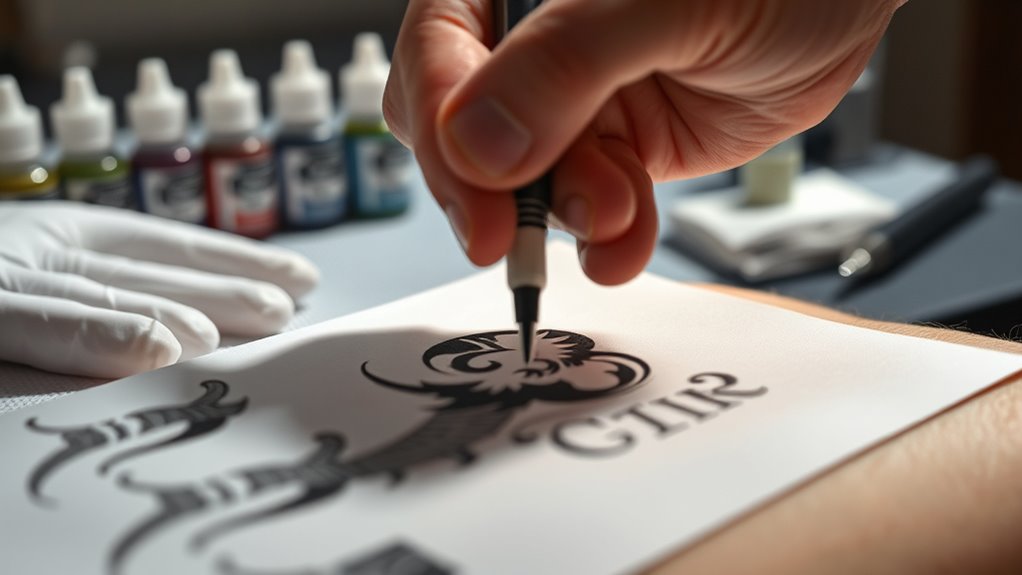
You can safely use pen ink for temporary tattoos by choosing non-toxic, skin-safe inks—avoid regular office pens. It’s important to pick inks specifically labeled safe for skin to prevent irritation or allergic reactions.
Clean and dry your skin thoroughly before applying to reduce infection risk.
Use sterilized tools and work in a clean space to keep germs away. After you finish, gently wash and moisturize the tattooed area to maintain skin health.
Protect your design from sunlight and water to prevent fading and prolong its appearance.
If you want long-lasting, safe tattoos, consider professional options instead. Keep going to discover helpful tips for proper application and care, so your temporary tattoos look great and stay safe!
Key Takeaways
– Use only non-toxic, skin-safe pen inks designed for temporary body art to minimize health risks.
It’s really important to make sure the ink is safe for your skin before you start.
– Thoroughly clean and disinfect the skin before applying pen ink to prevent infections and irritation.
A clean surface helps avoid any unwanted infections or irritation.
– Conduct a patch test on a small skin area to check for allergic reactions before full application.
Try a little test spot first to see how your skin reacts.
– Avoid applying pen ink on broken, irritated, or sensitive skin to reduce complications.
If your skin is already upset or broken, it’s best to wait until it heals.
– Protect the inked area from sunlight and water during healing and apply sunscreen afterward to preserve the design.
Keep the area dry and out of the sun while it heals, then use sunscreen to keep your design looking good.
Understanding the Risks of Using Pen Ink for Tattoos
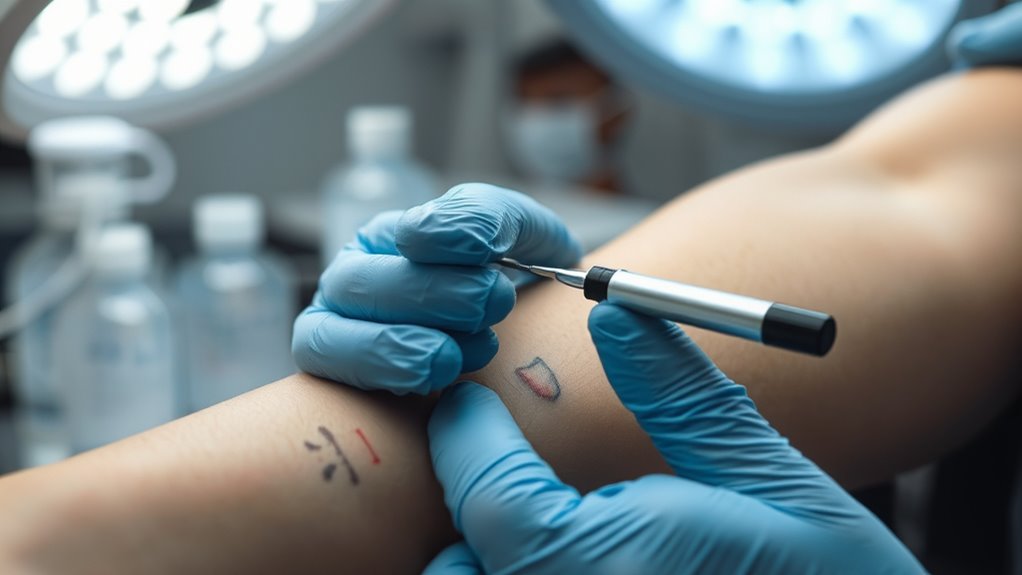
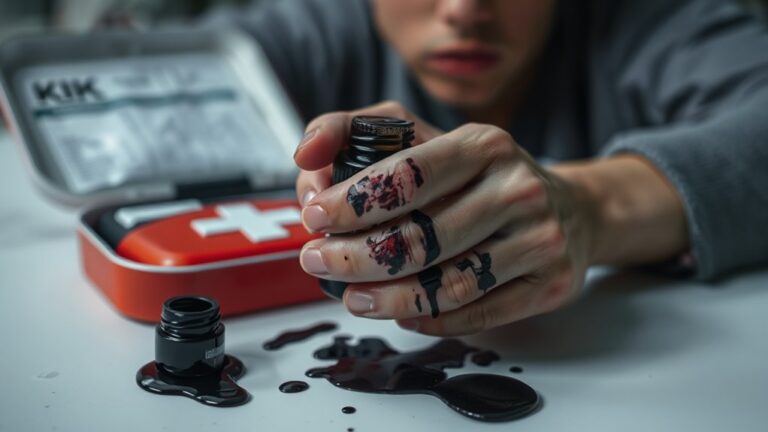
Although it might seem like a quick and easy solution, using pen ink for tattoos carries significant risks that you need to understand before proceeding. Pen ink isn’t designed for under-the-skin use, so it often contains harmful chemicals that can cause allergic reactions, infections, or skin irritation.
You might think it’s harmless, but the body can respond unpredictably to these substances. Also, pen ink isn’t sterile, which means there’s a higher chance of introducing bacteria or viruses.
If you’re tempted to use it, keep in mind that improper pigments can lead to fading, discoloration, or uneven tattoos. So, using pen ink compromises both your health and the tattoo’s appearance.
Before you decide, weigh these risks carefully to protect yourself from serious complications. It’s really not worth it!
Choosing the Right Type of Pen Ink
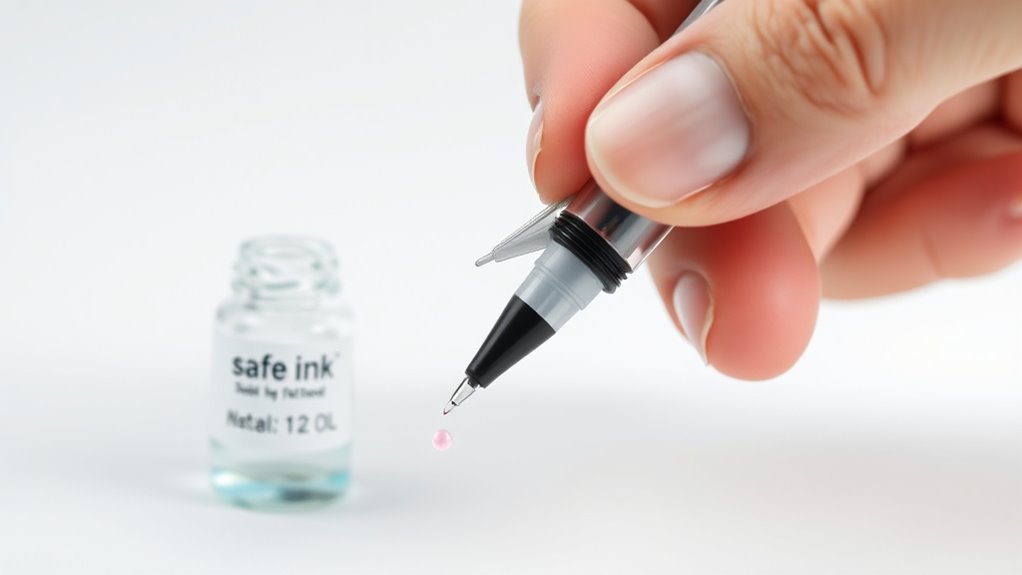
When you decide to use pen ink for tattoos despite the risks, choosing the right type becomes essential to minimize harm. Look for inks labeled as non-toxic, skin-safe, or designed for cosmetic use.
Avoid standard office or gel pen inks, as they often contain harmful chemicals and pigments not meant for skin contact. Opt instead for inks that specify they’re free from heavy metals, alcohol, and other irritants.
Black ink is generally safer than colored inks because it usually contains fewer harmful additives. Always check the ingredient list if available, and avoid inks with synthetic dyes or unknown components.
Preparing Your Skin Before Applying Pen Ink
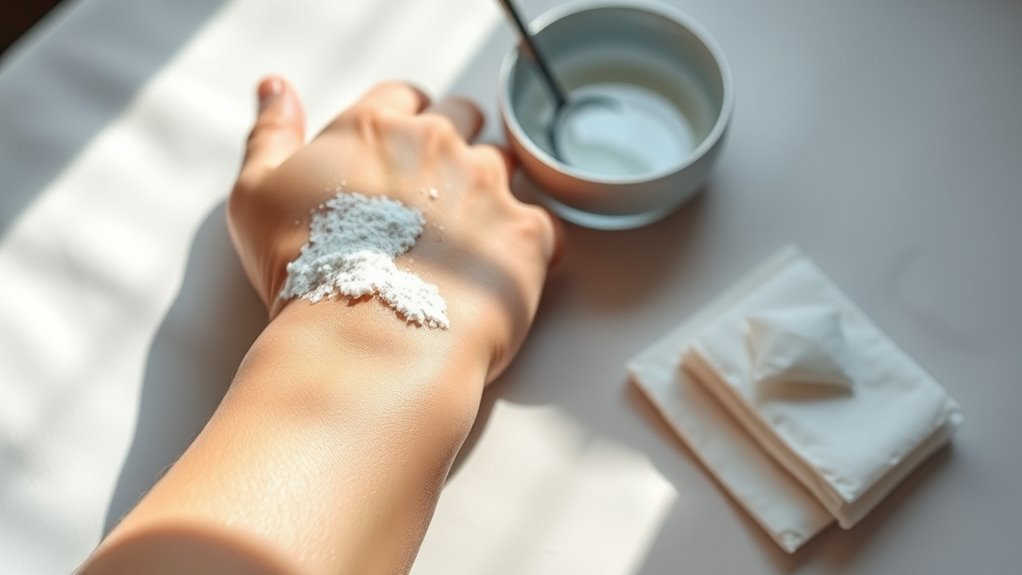
Before you apply pen ink to your skin, make sure you clean and dry the area thoroughly to reduce the risk of infection and improve ink adherence.
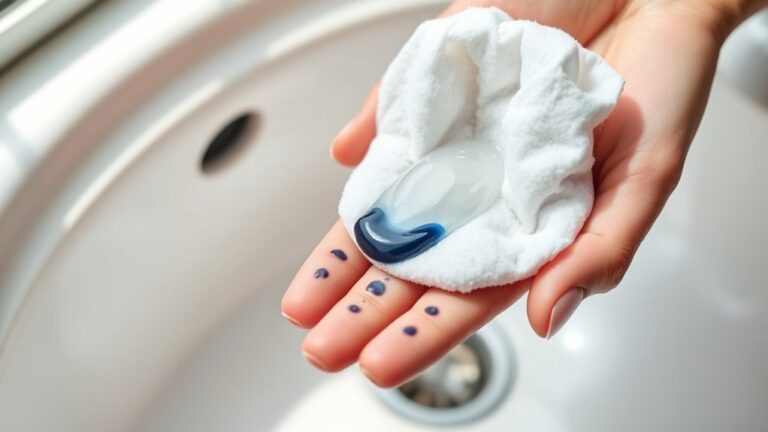
Use an alcohol wipe or antibacterial soap to remove oils and dirt. Avoid moisturizing beforehand, as this can cause smudging.
After cleaning, let the skin air dry completely.
Here’s a quick checklist to prepare your skin:
| Step | Action | Purpose |
|---|---|---|
| 1. Clean | Use alcohol or soap | Remove bacteria and oils |
| 2. Dry | Air dry | Ensure ink sticks properly |
| 3. Avoid lotion | Don’t apply moisturizer | Prevent ink smearing |
| 4. Check for cuts | Inspect skin | Avoid tattooing damaged skin |
| 5. Test ink | Small patch test | Detect allergic reactions |
Proper preparation sets a safe, clean base for your pen ink tattoo.
Safe Application Techniques for Pen Ink Tattoos
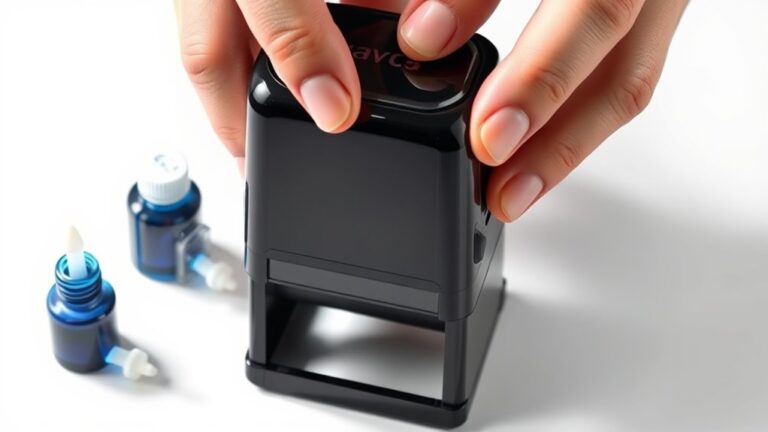
To guarantee your pen ink tattoo is safe, start by choosing non-toxic ink specifically made for skin use. Always sterilize your tools before application to prevent infections.
Finally, prepare your skin properly to create the best surface for the ink to adhere. This way, you’re setting yourself up for a safe and successful tattoo experience!
Choosing Non-Toxic Ink
Although using pen ink for tattoos might seem unconventional, selecting non-toxic ink is essential to prevent adverse skin reactions and long-term health issues. You should avoid inks containing harmful chemicals like heavy metals, solvents, and allergens.
Look for inks labeled as skin-safe, hypoallergenic, or specifically designed for cosmetic use. Always check the ingredient list and research the manufacturer’s reputation.
If possible, opt for inks tested and approved by dermatologists or regulatory bodies. Remember, just because an ink is marketed for writing doesn’t mean it’s safe for skin.
Choosing non-toxic ink protects your health and ensures your tattoo heals properly without irritation or infection. Taking time to select the right ink will make your experience safer and more satisfying.
Sterilizing Application Tools
Selecting non-toxic ink lays the foundation for a safe pen ink tattoo, but the tools you use can make just as much difference. Before starting, you need to sterilize all application tools thoroughly to avoid infections.
Use medical-grade disinfectants or alcohol wipes on needles, pens, and any surfaces that will touch your skin. Avoid sharing needles or applicators, as this can spread bacteria or viruses.
If you’re using reusable tools, autoclaving is the best sterilization method. But if that’s not available, soak items in a strong disinfectant solution for at least 10 minutes.
Always work in a clean environment and change gloves frequently. By prioritizing sterilization, you minimize health risks and ensure your pen ink tattoo process stays as safe as possible.
Proper Skin Preparation
Before applying pen ink tattoos, you should thoroughly clean and shave the area to guarantee the ink adheres properly and reduces the risk of infection. Use an alcohol-based cleanser to disinfect the skin, then gently shave any hair with a clean razor. This creates a smooth surface for the ink to sit on.
After shaving, wipe the area again with antiseptic to remove any loose hairs or oils. Let the skin dry completely before starting the tattoo process. It’s important to let it dry naturally or use a sterile cloth to speed things up.
| Step | Action | Purpose |
|---|---|---|
| Clean | Use alcohol-based cleanser | Remove oils and bacteria |
| Shave | Use clean razor | Smooth surface for ink |
| Disinfect | Apply antiseptic wipe | Kill remaining germs |
| Dry | Air dry or use sterile cloth | Prepare skin for ink adherence |
Aftercare Tips to Prevent Infection and Fading
To keep your pen ink tattoo looking fresh and infection-free, you need to stick to a strict cleaning and moisturizing routine without going overboard.
Make sure you clean and sanitize the area gently, then apply a light layer of moisturizer to avoid dryness.
Also, steer clear of direct sunlight and avoid soaking your tattoo in water while it heals.
Trust me, these simple steps really help your tattoo heal nicely and keep it looking great for longer!
Cleaning and Sanitizing Routine
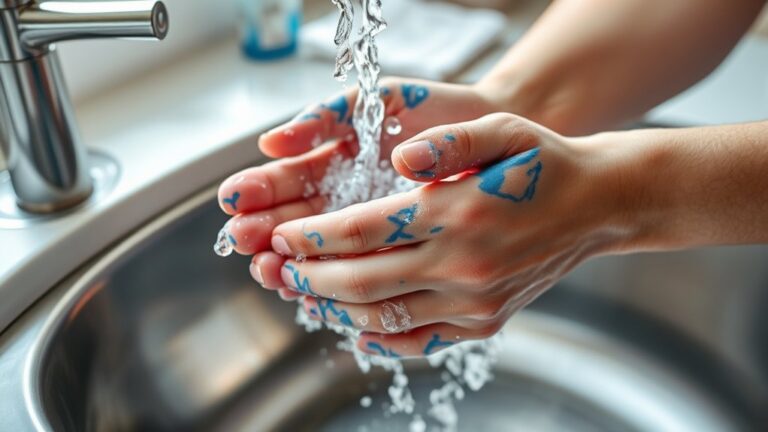
Although using pen ink for tattoos requires extra caution, maintaining a strict cleaning and sanitizing routine is essential to prevent infections and fading. Start by gently washing the tattoo with lukewarm water and a mild, fragrance-free soap twice daily.
Avoid scrubbing; instead, use your fingertips to clean the area softly. After washing, pat the tattoo dry with a clean, soft towel—don’t rub it.
Always wash your hands thoroughly before touching your tattoo to avoid introducing bacteria. Avoid using harsh chemicals or alcohol-based products, as they can irritate the skin and cause the ink to fade.
Keeping the tattoo clean ensures a better healing process and helps preserve the design’s vibrancy, especially when using non-traditional inks like pen ink. Consistency in your routine is key.
Moisturizing Without Overdoing
How much moisturizer should you apply to a fresh tattoo made with pen ink? You want just enough to keep the skin hydrated without smothering it.
Applying a thin layer 2-3 times daily helps prevent dryness and cracking, which can lead to infection or fading. Over-moisturizing traps bacteria and slows healing, so balance is key.
Here’s a quick guide:
| When to Moisturize | Amount to Use | Why It Matters |
|---|---|---|
| Right after cleaning | Pea-sized amount | Keeps tattoo hydrated |
| Morning | Light layer | Protects during the day |
| Evening | Slightly more | Aids overnight recovery |
| If skin feels dry | Small dot | Prevents cracking |
Stick to fragrance-free, gentle moisturizers for best results. It really makes a difference!
Avoiding Sun and Water
Since your fresh tattoo made with pen ink is still healing, you should keep it away from direct sunlight and avoid soaking it in water. Sun exposure can cause fading and damage the delicate skin.
Water—especially in pools, lakes, or hot tubs—can introduce bacteria, increasing infection risk. Stick to quick showers, and don’t let your tattoo stay wet for long.
When heading outdoors, cover your tattoo with loose clothing to shield it from UV rays. Once healed, apply a high-SPF sunscreen to protect the design.
When to Seek Professional Tattoo Services
Whenever you want a tattoo that lasts and looks professional, it’s best to seek expert services rather than relying on pen ink at home. Professionals use sterile equipment, safe inks, and proper techniques to reduce infection risks and guarantee your tattoo heals well.
If you want detailed designs, color work, or permanent results, a tattoo artist is your best choice.
| Situation | Reason to Seek Professional | Risk of DIY with Pen Ink |
|---|---|---|
| Permanent tattoos | Long-lasting, high-quality work | Fades quickly, unsafe chemicals |
| Complex designs | Skilled precision | Blurry or uneven lines |
| Sensitive skin | Proper hygiene and care | Infection or allergic reactions |
| Large tattoos | Time-efficient and consistent | Difficult to manage |
| Healing complications | Medical-grade aftercare | Prolonged irritation |
Frequently Asked Questions
Can Pen Ink Tattoos Be Removed Like Professional Tattoos?
You can remove pen ink tattoos, but it’s tougher than professional ones. Pen ink isn’t designed for skin, so it may fade unevenly or leave stains.
Laser removal might not fully erase it, so proceed cautiously. Just keep in mind, it’s not always a simple process.
How Long Do Pen Ink Tattoos Typically Last?
Pen ink tattoos typically last a few days to a week since they sit on the skin’s surface. They fade quickly with washing, sweating, and friction, so don’t expect them to be as permanent as professional tattoos.
Basically, they’re more like temporary doodles on your skin. So if you want something long-lasting, pen ink tattoos probably aren’t the way to go.
Are There Specific Pen Ink Brands Safer for Tattoos?
Certain certified, chemical-conscious companies create safer, skin-friendly pen inks. You shouldn’t just select any standard stationery ink; seek specialized, sterile supplies designed specifically for skin.
Always research thoroughly to protect your precious pigmentation properly. It’s worth taking the time to find inks that are tested and approved for tattoo use. After all, your skin deserves the best care!
Can Children Safely Get Pen Ink Tattoos?
You shouldn’t let children get pen ink tattoos since their skin is sensitive and pen inks aren’t made for tattooing.
They can cause allergic reactions or infections, so stick to safe, professional tattoo inks instead.
Does Pen Ink Cause Allergic Reactions More Often Than Tattoo Ink?
Like Pandora’s box, pen ink can unchain unexpected reactions. You’ll find it causes allergic responses more often than tattoo ink, since it’s not designed for skin use and lacks the safety standards tattoo pigments follow.
It’s kind of like using something the wrong way—pen ink isn’t made to sit under your skin, so your body can get pretty upset about it. Tattoo inks, on the other hand, go through strict testing to make sure they’re safer for skin contact.
Conclusion
Using pen ink for tattoos might seem like a quick, creative spark, but it’s a fragile flame dancing between art and risk. While you can carefully prepare your skin and apply ink with caution, remember that pen ink isn’t made for your body’s canvas.
The vibrant lines may fade into blotches or invite infection. When you want lasting beauty, don’t trade the precision of a professional tattoo for a fleeting sketch drawn in haste.
If you’re thinking about how to use pen ink for tattoos safely, it’s important to understand the risks. Pen ink isn’t sterile or designed for skin, which can lead to irritation or serious infections. Professional tattoo inks are specially formulated and regulated to be safe for your body.
So, for a safe and beautiful tattoo experience, always opt for professional tattoo ink and skilled artists. Your skin deserves the best care and quality, not a quick fix with pen ink.