
How Is Tattoo Ink Made Step by Step
You start by selecting high-quality, safe pigments and grinding them into fine particles. This step is crucial because the pigment quality directly affects the tattoo’s color and safety.
Then, you choose a carrier like distilled water or glycerin to mix with the pigments, creating an even ink.
Next, you thoroughly blend the mixture to guarantee smooth flow and vibrant color. This helps the ink apply evenly on the skin and ensures the tattoo looks great.
After mixing, you sterilize the ink to remove any bacteria, making it safe for use.
Finally, the ink is packaged in sealed, labeled containers to keep it clean and ready for tattooing. This careful process makes the ink safe and reliable for tattooing.
Keep exploring to understand the full steps in detail.
Key Takeaways
- Pigments are sourced, ground finely, and selected for safety, brightness, and longevity. This ensures the ink looks great and lasts a long time on your skin.
- Pigments are mixed with carriers like distilled water or glycerin to ensure smooth flow and skin compatibility. This mix helps the ink spread easily and feel gentle on your skin.
- The ink mixture is thoroughly blended to avoid clumps and ensure even pigment dispersion. No one wants patchy or uneven color, right?
- Sterilization removes pathogens, and ink batches are tested for viscosity, stability, and safety. This step is super important to keep things safe and consistent.
- Ink is packaged in sterile containers with tamper-evident caps, labeled with batch and expiration details for traceability. That way, you know exactly what’s in your ink and when it’s best to use it.
Selecting High-Quality Pigments
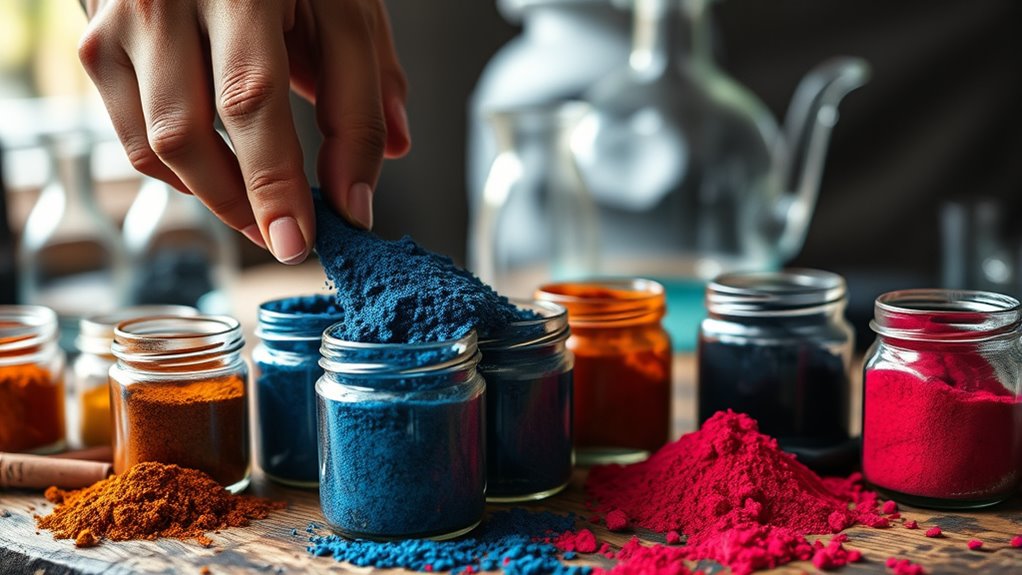
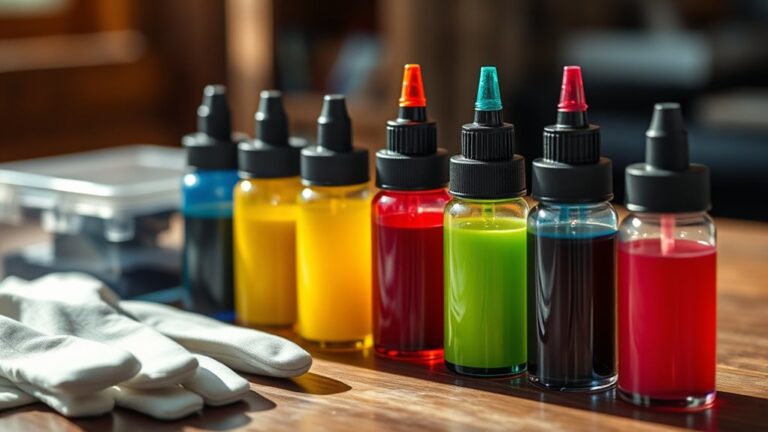
How do you guarantee your tattoo ink stands out with vibrant, long-lasting color? You start by selecting high-quality pigments. These pigments are the core of your ink’s color and durability.
You’ll want to choose pigments that are stable, safe, and approved for cosmetic use to avoid skin reactions. Synthetic organic pigments are often preferred for their brightness and consistency, while inorganic pigments offer excellent longevity.
Avoid cheap or uncertified pigments, as they can fade quickly or cause irritation. Also, pay attention to the pigment’s particle size; finer particles blend better and provide smoother color.
Ultimately, your choice impacts both the tattoo’s appearance and the wearer’s safety. Picking the right pigments is the essential first step in creating top-notch tattoo ink.
Preparing and Grinding Pigments
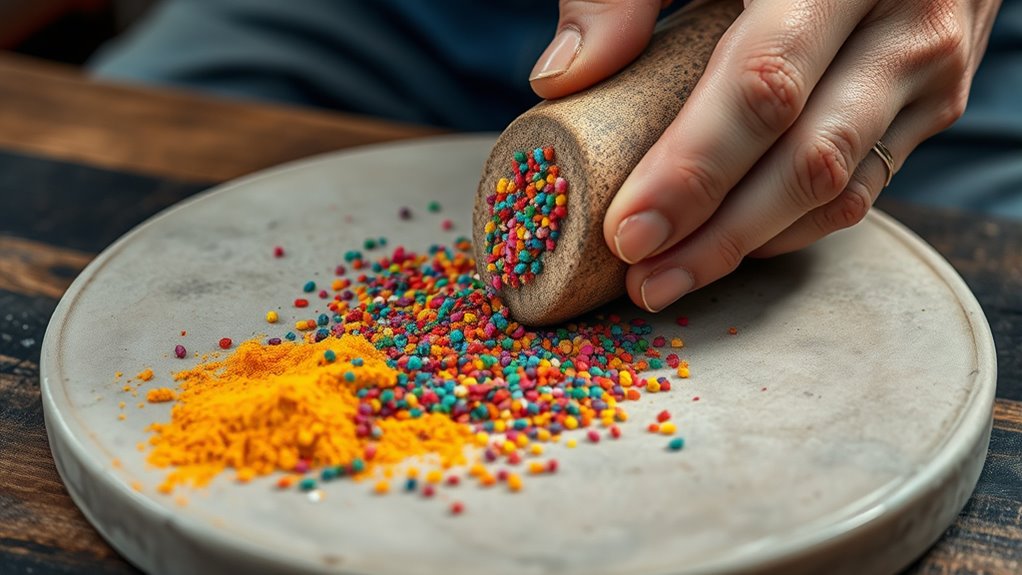
Now that you’ve selected the raw materials, it’s essential to prepare and grind the pigments properly. You’ll use specific grinding techniques to achieve a smooth, consistent texture.
This step guarantees the ink flows well and holds color effectively in the skin. It’s all about getting that perfect blend so your work lasts and looks great.
Selecting Raw Materials
Choosing the right raw materials is vital when preparing tattoo ink, as the quality of pigments directly affects the ink’s color and safety. You’ll want to start by sourcing high-grade pigments that are non-toxic and approved for cosmetic use.
Organic and inorganic pigments each bring unique qualities—organics offer vibrant colors, while inorganics provide durability. It’s imperative to avoid pigments containing heavy metals or harmful contaminants, so always check certifications and purity levels.
Once you have your pigments, confirm they’re dry and free from clumps before moving forward. Selecting raw materials carefully not only ensures vibrant, lasting tattoos but also protects the health of both the artist and clients.
Your attention to this step sets the foundation for safe, high-quality tattoo ink.
Grinding Techniques Used
Before you can mix pigments into a smooth, consistent tattoo ink, you’ll need to grind them properly. Grinding breaks down pigment particles to the perfect size, ensuring vibrant colors and safe application.
You’ll usually start with raw pigment powders, which can be tough and uneven. Using a mortar and pestle or a mechanical grinder, you’ll crush these into fine, uniform particles. This process not only improves ink quality but also prevents clumping and skin irritation.
When grinding pigments, keep these in mind:
- Patience is key—rushing compromises texture and color vibrancy.
- Consistency in particle size guarantees smooth application and lasting tattoos.
- Clean equipment prevents contamination, preserving purity and safety.
Mastering grinding techniques ensures your tattoo ink shines brilliantly and feels safe on the skin. It’s worth taking the time to get it just right!
Choosing the Right Carrier Solution
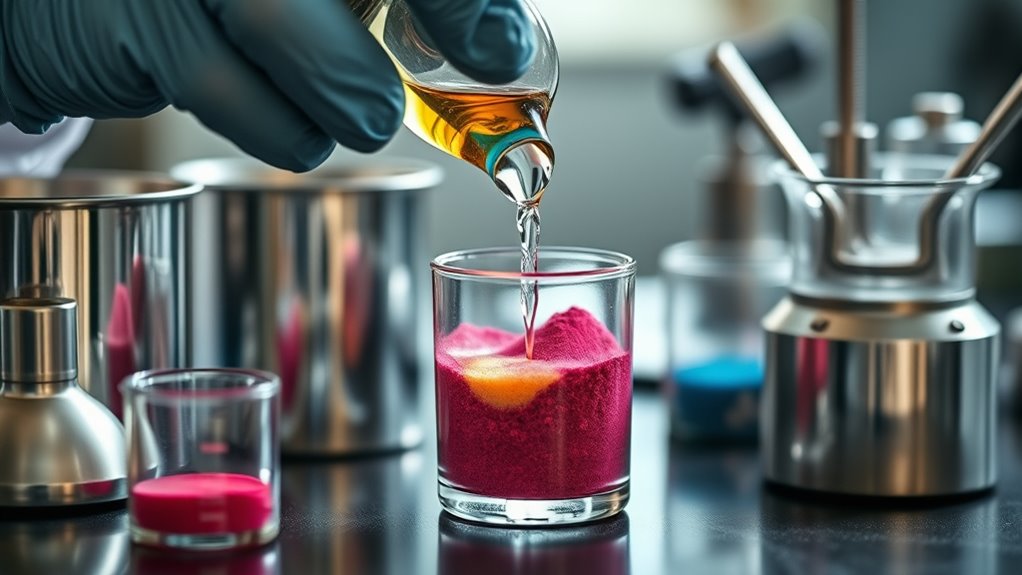
When choosing a carrier solution, you need to take into account the type of liquid that will best blend with your pigments. The carrier not only helps keep the ink smooth but also affects safety and how well it works with your skin.
It’s important to understand these factors because they ensure your tattoo ink performs reliably and stays safe to use. Picking the right carrier makes a big difference in the final result.
Types of Carrier Liquids
How do tattoo artists guarantee the ink flows smoothly and settles properly under the skin? It all comes down to the carrier liquid, the unsung hero that suspends pigment particles.
You’ll find several types of carrier liquids, each chosen carefully to match the tattoo’s needs and the artist’s style.
Here are the most common types:
- Distilled Water: Pure and simple, it’s gentle and ideal for sensitive skin.
- Alcohol-Based Carriers: They kill bacteria and dry quickly, reducing infection risk.
- Glycerin: Adds smoothness and helps the pigment glide effortlessly, making the process more comfortable.
Choosing the right carrier liquid isn’t just technical—it affects your comfort and the tattoo’s longevity. It ensures your art looks vibrant for years.
Carrier Functionality Explained
Although the pigment itself carries the color, the carrier solution determines how well the ink performs during and after the tattooing process. When you choose the right carrier, you guarantee the pigment disperses evenly, making the ink smooth and easy to work with.
Carriers also keep the ink stable, preventing clumping or settling in the bottle. During tattooing, they help the ink flow through the needle consistently, allowing you to create clean, precise lines.
After application, the carrier assists in quick drying and better absorption into the skin, which can improve healing time and the tattoo’s longevity. So, selecting a suitable carrier solution isn’t just about mixing; it directly impacts the tattoo’s final look and the overall tattooing experience for both you and your client.
Safety and Compatibility
Choosing the right carrier solution goes beyond performance—it directly affects safety and compatibility with your skin and tattoo pigments. You want a carrier that won’t cause allergic reactions or irritate your skin during and after the tattooing process.
The carrier also needs to keep pigments stable and prevent contamination. When selecting a carrier, consider these vital factors:
- Skin sensitivity: Choose hypoallergenic and non-toxic ingredients to protect your skin.
- Pigment preservation: Ensure the carrier maintains color vibrancy and longevity.
- Sterility and purity: Opt for solutions that resist bacterial growth and impurities.
Mixing Pigments With Carriers
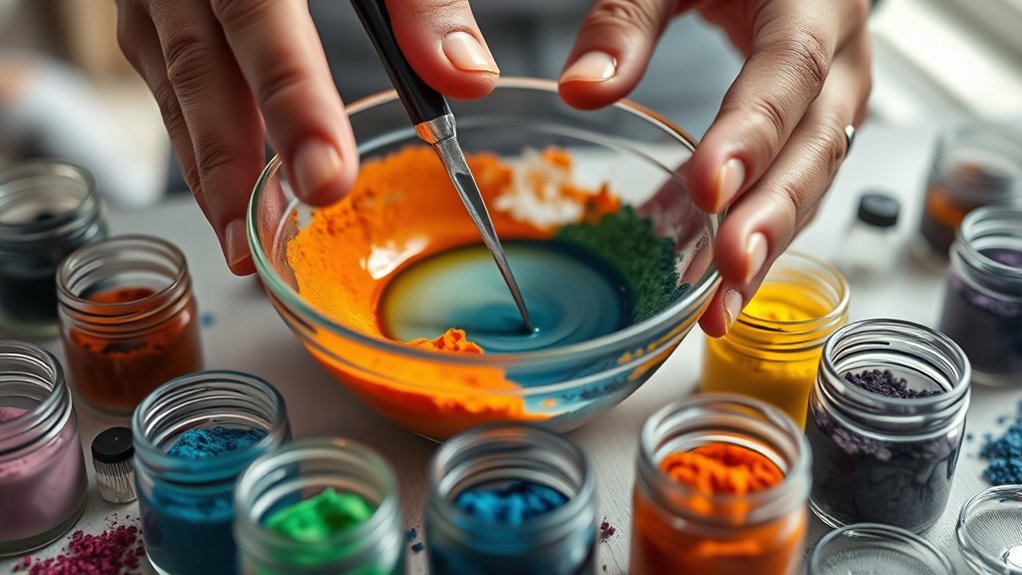
Once the pigments are prepared, manufacturers mix them with carriers to create the final tattoo ink. You’ll find carriers act as a liquid base, helping the pigment flow smoothly and making it easier to apply.
Common carriers include distilled water, alcohol, witch hazel, or glycerin. When mixing, you need to ensure the pigment disperses evenly throughout the carrier to avoid clumps or uneven color.
You’ll often use specialized equipment to blend the mixture thoroughly, creating a consistent texture. This step is vital because the carrier also affects how the ink settles in the skin and how it heals afterward.
Testing Ink Consistency and Safety
How do manufacturers guarantee tattoo ink performs well and stays safe for your skin? They rigorously test the ink’s consistency and safety before it ever reaches the tattoo needle.
You’ll want ink that flows smoothly, holds vibrant color, and doesn’t cause irritation or allergic reactions. To ascertain this, they focus on:
- Viscosity checks: making sure the ink isn’t too thick or thin for precise application.
- Stability tests: confirming the pigment won’t separate or clump over time.
- Safety screenings: ruling out harmful substances and allergens to protect your skin’s health.
Packaging and Sterilizing Tattoo Ink
Before tattoo ink reaches your artist’s workstation, manufacturers package and sterilize it carefully to guarantee safety and quality. They fill the ink into airtight containers, usually small bottles or cartridges, designed to prevent contamination and preserve freshness.
You’ll notice these containers are made from materials that won’t react with the ink, ensuring its stability. Once packaged, the ink undergoes sterilization processes like gamma radiation or filtration to eliminate any bacteria or pathogens.
This step is vital because it keeps you safe from infections during tattooing. After sterilization, each batch is sealed with tamper-evident caps and labeled with batch numbers and expiration dates, so you can trust the product’s authenticity and traceability.
This meticulous packaging and sterilizing process ensures the ink you get is both safe and reliable.
Frequently Asked Questions
How Long Does Tattoo Ink Last on the Skin?
Your tattoo ink can last a lifetime, but its vibrancy may fade over years due to sun exposure and skin changes.
You can keep it looking fresh with proper care and occasional touch-ups from your artist. Just a little maintenance goes a long way!
Are All Tattoo Inks Vegan and Cruelty-Free?
Not all tattoo inks are vegan or cruelty-free; think of it like chocolate—some contain milk, others don’t. You’ll want to check labels or ask your artist to make certain no animal products or testing were involved.
It’s a good idea to be proactive about this if that’s important to you. Some inks use animal-derived ingredients or have been tested on animals, so don’t assume all are safe just because they say “tattoo ink.” Just like with food, a little asking around can go a long way!
Can Tattoo Ink Cause Allergic Reactions?
Yes, tattoo ink can cause allergic reactions, especially if you’re sensitive to certain pigments or ingredients.
It’s smart to do a patch test or consult your artist about the ink’s components before getting tattooed. That way, you can avoid any surprises and keep your skin happy!
How Is Color Variety Achieved in Tattoo Inks?
You mix pigments like a painter’s palette, blending organic and inorganic colors to create vibrant hues. Different compounds and particle sizes dance together, giving tattoo inks their dazzling variety.
This mix ensures your designs truly pop on skin. It’s all about combining the right shades and textures to get that perfect look.
Is Homemade Tattoo Ink Safe for Professional Use?
You shouldn’t use homemade tattoo ink for professional work. It often lacks proper sterilization and consistent quality, increasing infection risks and poor results.
Stick to certified inks to guarantee safety and client satisfaction. It’s really the best way to keep your clients safe and happy with your work.
Conclusion
Now that you know how to select vibrant pigments and grind them finely, you’re already on your way to understanding tattoo ink. Choosing the perfect carrier and mixing everything carefully come next, ensuring each blend is just right.
Then, there’s testing for safety—super important to protect your skin—and finally, packaging with care to keep the ink fresh and ready to use.
You’ll start to see the precision in every drop and the balance in every blend. Plus, the safety measures behind every bottle give peace of mind.
Making tattoo ink isn’t just a process—it’s a craft, a science, and a commitment all rolled into one. This step-by-step approach reveals how tattoo ink is carefully created to bring vibrant, long-lasting colors to life safely and beautifully.