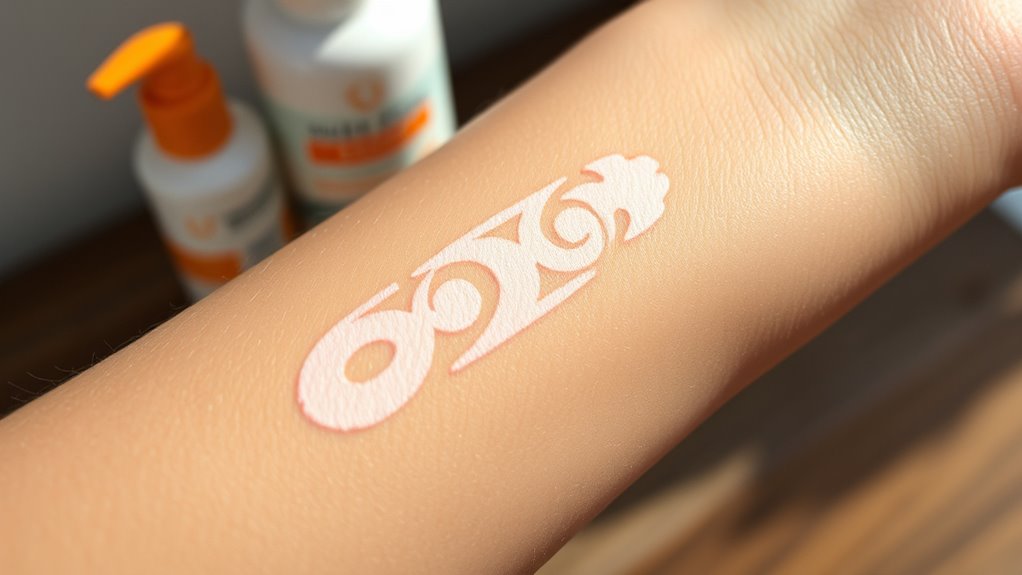
What Affects How Long White Tattoo Ink Does Last?
How long your white tattoo ink lasts depends on several vital factors. Choosing high-quality ink and working with a skilled artist guarantees proper layering and depth. This helps keep the design vibrant longer and ensures your white tattoo stands out beautifully.
Your skin type and tone also play a role—lighter, thicker skin tends to hold white ink better.
Aftercare is essential too. So, keep the tattoo clean, moisturized, and protected from sun and environmental damage like chlorine.
Taking these steps can make a big difference. Want to learn more to keep your white ink looking sharp over time? Let’s dive into the details!
Key Takeaways
- The quality and composition of white ink, including pigment opacity and purity, significantly influence its resistance to fading over time.
- Skin type, tone, thickness, and placement affect ink retention. Generally, lighter, thicker skin and low-friction areas help preserve brightness longer.
- Proper tattooing technique, like controlled layering and depth, ensures even ink settling. This reduces patchiness and premature fading, keeping your tattoo looking fresh.
- Consistent aftercare is key. Things like moisturizing, avoiding trauma, and not picking at scabs all promote even healing and longer-lasting ink vibrancy.
- Environmental exposure to UV rays, chlorine, saltwater, and pollution speeds up fading. So, using SPF and protective clothing really helps maintain that brightness.
Quality and Composition of White Tattoo Ink
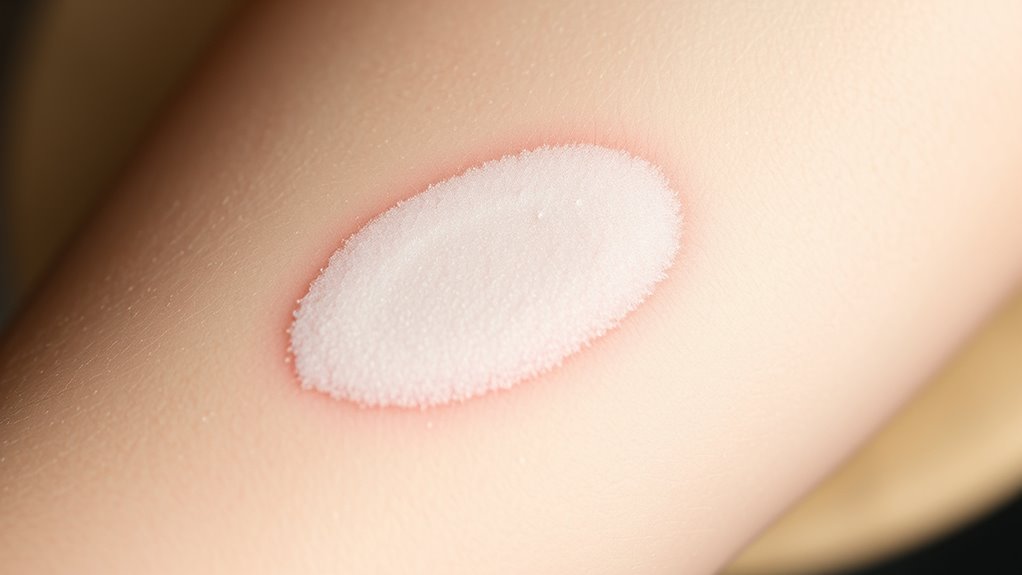
Although white tattoo ink might seem simple, its quality and composition greatly affect how long your tattoo lasts and how vibrant it stays. When you choose ink, look for pigments with high opacity and strong lightfastness, as these resist fading better over time.
Cheaper inks often contain fillers and contaminants that can cause quicker fading or discoloration. The particle size of the pigment matters too—finer particles tend to settle evenly in the skin, ensuring consistent color retention.
You’ll also want to weigh the ink’s formulation: some white inks include titanium dioxide, which offers brightness but can break down under UV exposure. So, balancing ingredients is key. By selecting high-quality, well-formulated white ink, you can help your tattoo maintain its sharp, bright appearance longer.
Skill and Technique of the Tattoo Artist
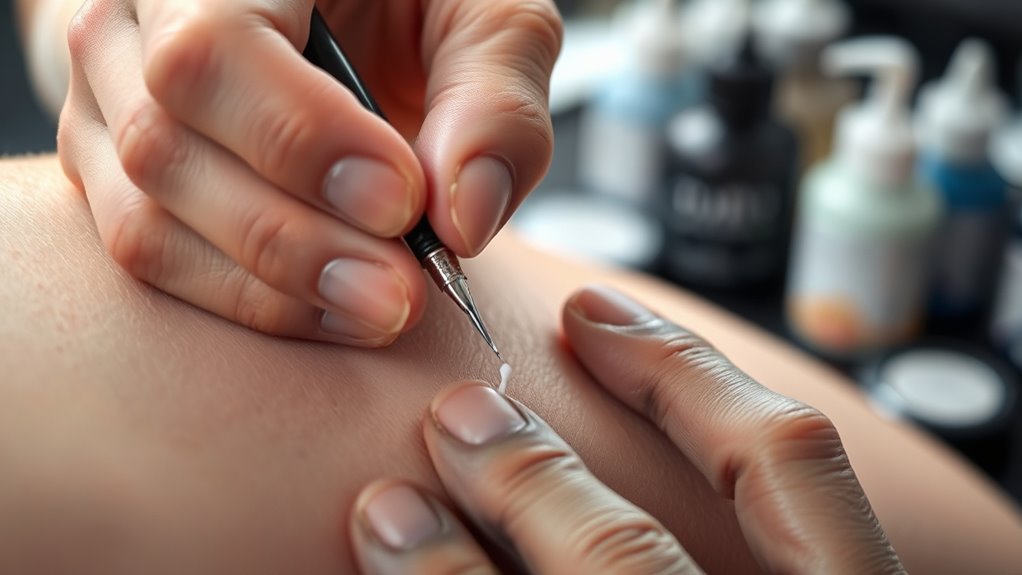
You’ll notice that how precisely the artist applies the ink directly influences how long your tattoo lasts. Controlling the depth during tattooing guarantees the ink sits just right beneath your skin.
Consistent ink layering also plays a key role in maintaining your tattoo’s sharpness over time. It’s all about getting those details just right, so your tattoo stays vibrant for years.
Precision in Ink Application
When the tattoo artist applies ink with precision, the design’s clarity and longevity improve considerably. You’ll notice that precise application means the white ink sits evenly on your skin, preventing patchiness and premature fading.
If the artist works carefully, they avoid overworking the area, which can cause excessive trauma and ink loss. Precision ensures the ink deposits exactly where intended, maintaining sharp lines and vibrant highlights that stand the test of time.
You want an artist who steadies their hand and controls each stroke, because sloppy or rushed work leads to blurred details and inconsistent ink absorption. Ultimately, your tattoo’s lasting brilliance depends heavily on how meticulously your artist applies the white ink in every pass.
Depth Control During Tattooing
Mastering depth control is essential for your tattoo’s durability and appearance. When the needle penetrates too shallowly, white ink won’t settle properly, causing it to fade quickly or disappear.
On the other hand, if the needle goes too deep, the ink can blur or spread. This results in a less crisp design and faster fading.
You need to find that perfect balance beneath the skin’s surface to ensure the white ink holds its brightness over time. It takes a steady hand and a keen eye to keep consistent depth throughout the tattooing process.
Consistency in Ink Layering
Although precise depth control sets the foundation, maintaining consistency in ink layering truly determines how well your white tattoo ages. When an artist applies white ink evenly and in uniform layers, it promotes better pigment retention and reduces patchiness.
You want each stroke to deposit ink at a steady rate, avoiding overly thick or thin spots that can fade unevenly. Inconsistent layering can cause the ink to break down faster, leading to dullness and loss of vibrancy.
By focusing on smooth, controlled passes, your tattoo artist ensures that the white pigment settles properly into the skin. This technique also minimizes trauma, helping the ink stay bright longer.
Skin Type and Tone Impact on White Ink
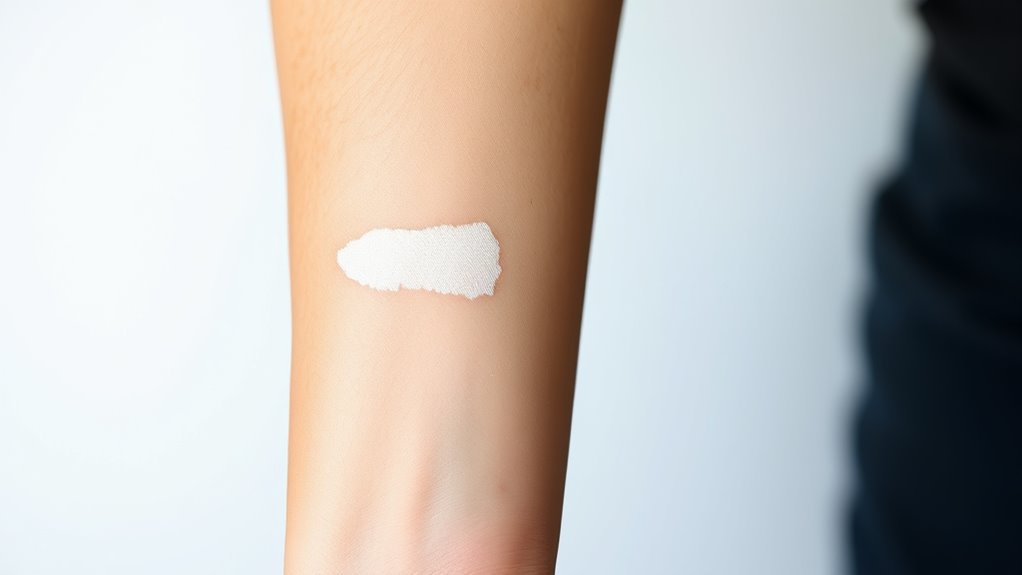
Your skin type and tone play a big role in how white ink holds up over time. Oily and dry skin react differently, which can change the way the ink looks.
Melanin levels also affect the ink’s brightness. Plus, skin thickness influences how well the ink settles and stays visible. It’s pretty interesting how all these factors come together to impact your tattoo’s appearance!
Oily vs. Dry Skin
Since skin type plays an essential role in how white ink heals and stays vibrant, understanding whether your skin is oily or dry can help set realistic expectations. If you have oily skin, excess sebum may cause the ink to blur or fade faster because the oil can break down the pigment over time.
On the other hand, dry skin tends to hold ink better since it’s less prone to producing oils that interfere with healing. However, dry skin can crack and flake, potentially causing the white ink to appear patchy if not properly moisturized.
To maximize your white tattoo’s longevity, tailor your aftercare routine to your skin type: keep oily skin clean and balanced, while ensuring dry skin stays hydrated without over-moisturizing. It’s all about finding the right balance for your unique skin.
Melanin Levels Influence
When you consider how melanin levels affect white tattoo ink, you’ll notice that skin tone plays a significant role in the ink’s visibility and vibrancy. Higher melanin can cause white ink to appear less bright or even take on a yellowish tint over time.
Conversely, lower melanin levels often allow the white ink to stand out more clearly. Understanding your skin tone helps set realistic expectations for your tattoo’s lasting appearance.
| Skin Tone | White Ink Appearance |
|---|---|
| Light (Low Melanin) | Bright, sharp contrast |
| Medium (Moderate Melanin) | Slightly muted, warm undertones |
| Dark (High Melanin) | Subdued, may yellow or blend in |
Knowing this helps you choose placements and designs that enhance your white ink’s longevity. It’s all about working with your skin tone to get the best results.
Skin Thickness Effects
Beyond melanin levels, the thickness of your skin also plays a significant role in how white tattoo ink settles and appears. Thicker skin tends to hold ink better because it provides more layers for the pigment to embed. This makes the white ink look brighter and last longer.
On the other hand, thinner skin may cause the white ink to fade faster and appear less vibrant. That’s because it has less tissue depth to retain the pigment. Plus, areas with thinner skin are more prone to irritation and quicker ink breakdown.
Understanding your skin’s thickness helps set realistic expectations for your white tattoo’s longevity and appearance. If you have thin or sensitive skin, you might need more touch-ups to maintain the brightness of your white ink over time.
Proper Aftercare and Healing Process
Although getting a tattoo is exciting, how you care for it afterward plays a crucial role in how well the ink holds up over time. Right after your session, keep the tattoo clean and moisturized using a mild, fragrance-free lotion or ointment recommended by your artist.
Proper aftercare, like keeping your tattoo clean and moisturized, is key to lasting, vibrant ink.
Avoid picking at scabs or peeling skin, as this can pull out ink and cause patchiness, especially with white ink. Also, keep the tattoo out of tight clothing that may rub against it.
Don’t submerge it in water like pools or baths until it’s fully healed. Healing typically takes two to four weeks, and following these steps helps prevent infection and promotes even ink retention.
Proper aftercare ensures your white tattoo remains bright and crisp longer. So, stick to these tips, and your tattoo will look great for years to come!
Sun Exposure and Environmental Factors
Since your skin is constantly exposed to sunlight and environmental elements, these factors can profoundly affect your tattoo’s appearance over time. UV rays break down tattoo pigments, causing your white ink to diminish faster than darker colors.
To preserve your tattoo’s brightness, you should apply a broad-spectrum sunscreen with at least SPF 30 whenever you’re outdoors. Environmental factors like pollution, chlorine from pools, and saltwater can also degrade the ink and irritate your skin, accelerating fading.
Wearing protective clothing and rinsing your tattoo after swimming helps minimize damage. Staying mindful of these exposures ensures your white tattoo maintains its crispness and contrast longer, keeping it looking fresh even as time passes.
Regular care against environmental stress is key to preserving your ink’s longevity. So, a little extra attention goes a long way in keeping your tattoo looking great!
Placement and Size of the White Tattoo
When choosing the placement and size of your white tattoo, you’ll want to contemplate how these factors influence its visibility and longevity. White ink tends to fade faster on areas exposed to frequent friction or sunlight.
Smaller tattoos may lose detail quicker, making them less visible over time. Consider these points:
- Location: Choose spots with minimal rubbing, like the upper arm or back.
- Size: Larger tattoos hold white ink better and stay clearer longer.
- Skin Texture: Smooth skin reflects white ink more effectively, enhancing brightness.
- Movement: Areas with constant movement, like joints, may cause faster fading.
Frequently Asked Questions
Can White Tattoo Ink Be Mixed With Other Colors?
Yes, you can mix white tattoo ink with other colors to create lighter shades or highlights.
Just make sure to blend carefully to maintain the pigment’s consistency and avoid diluting the ink too much for lasting results.
Does White Tattoo Ink Cause More Allergic Reactions?
Yes, white tattoo ink sometimes triggers sensitivities. Since it often contains titanium dioxide, it can cause allergic reactions more frequently than other inks.
You’ll want to do a patch test to prevent potential problems. It’s a simple way to make sure your skin reacts well before getting the full tattoo.
How Soon Can I Cover a White Tattoo With Clothing?
You can cover your white tattoo with clothing after it forms a protective scab, usually within 3-5 days.
Just make sure the fabric is clean and loose to avoid irritation and allow proper healing.
Is White Ink Safe for Sensitive Skin?
You won’t turn into a snowman from white ink! It’s generally safe for sensitive skin, but you should still patch-test first because some pigments might cause irritation.
Always consult your artist and dermatologist before getting inked. Better to be safe than sorry!
Can White Tattoos Be Removed Easily With Laser Treatment?
Yes, you can remove white tattoos with laser treatment, but it’s trickier than darker inks.
White ink reflects laser light, so multiple sessions might be needed, and complete removal isn’t always guaranteed.
It can take some patience, but with the right approach, you might see good results over time.
Conclusion
How long your white tattoo ink lasts depends on more than just the ink itself. Think of it like a delicate dance between the artist’s skill, your skin’s unique canvas, and how well you care for it afterward.
Sun exposure and placement also play starring roles in this performance. Areas that get a lot of sunlight or friction tend to fade faster.
Treat your tattoo like a treasure—protecting it carefully—and you’ll keep its bright glow shining longer than you might expect. Proper aftercare, including moisturizing and avoiding harsh sun, really makes a difference.
So, if you want your white tattoo ink to stay vibrant and last longer, remember it’s all about the right artist, your skin’s condition, and how you look after it. Taking these steps seriously helps preserve the crisp, bright look of your white ink tattoo over time.