
How to Get Ink off Vinyl With These Simple Steps
To get ink off vinyl, start by figuring out if the ink is water-based or oil-based. This step is important because it helps you choose the right cleaning method.
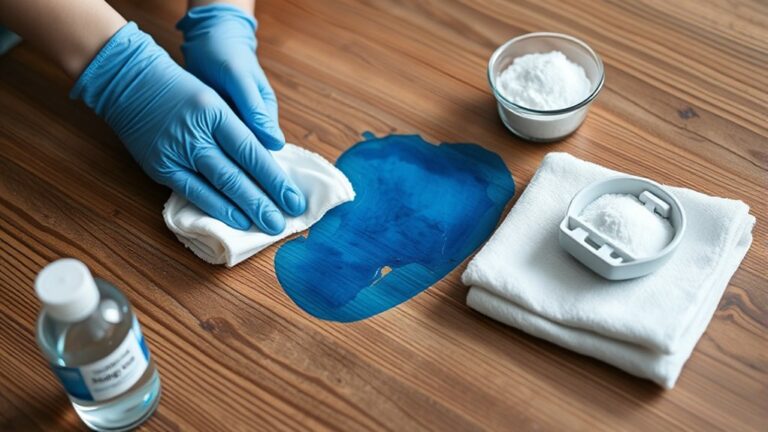
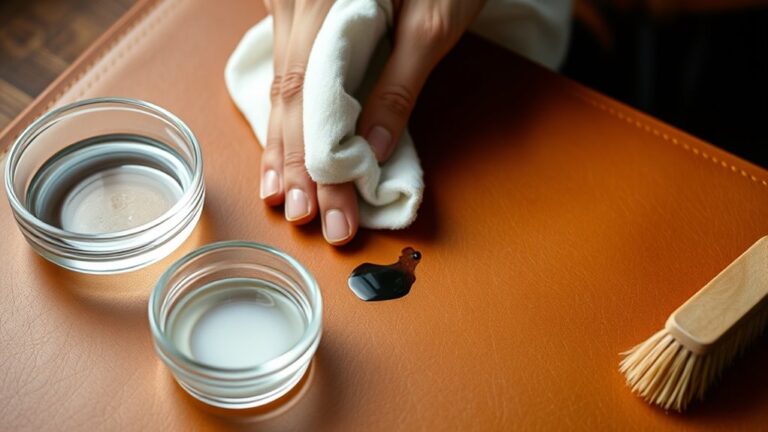
Next, gather your supplies: rubbing alcohol, baking soda, soft cloths, and mild soap. Before you dive in, test your cleaner on a hidden spot to make sure it won’t damage the vinyl.
Now, gently blot the stain with rubbing alcohol. If the ink is stubborn, try making a paste with baking soda and water and apply it to the tough spots.
After treating the stain, wipe the area with a damp cloth to remove any residue.
Don’t forget to dry the vinyl thoroughly to avoid streaks or water spots.
Following these simple steps will help restore your vinyl and keep it looking great. And guess what? There are even more tips you can follow to perfect the process!
Key Takeaways
- Identify the ink type and test a small hidden area with water to determine the best cleaning method.
- Gather isopropyl alcohol, mild dish soap, soft cloths, and prepare warm water before starting the cleaning process.
- Gently blot the ink stain with a cloth dampened in isopropyl alcohol. Be careful not to rub aggressively to avoid spreading the stain.
- If the stain is stubborn, try applying a baking soda paste. Scrub lightly, then rinse with a damp cloth. You can repeat this if needed.
- Finally, dry the vinyl thoroughly with a microfiber cloth to prevent water spots. Check for any remaining ink residue and treat again if necessary.
Identify the Type of Ink Stain
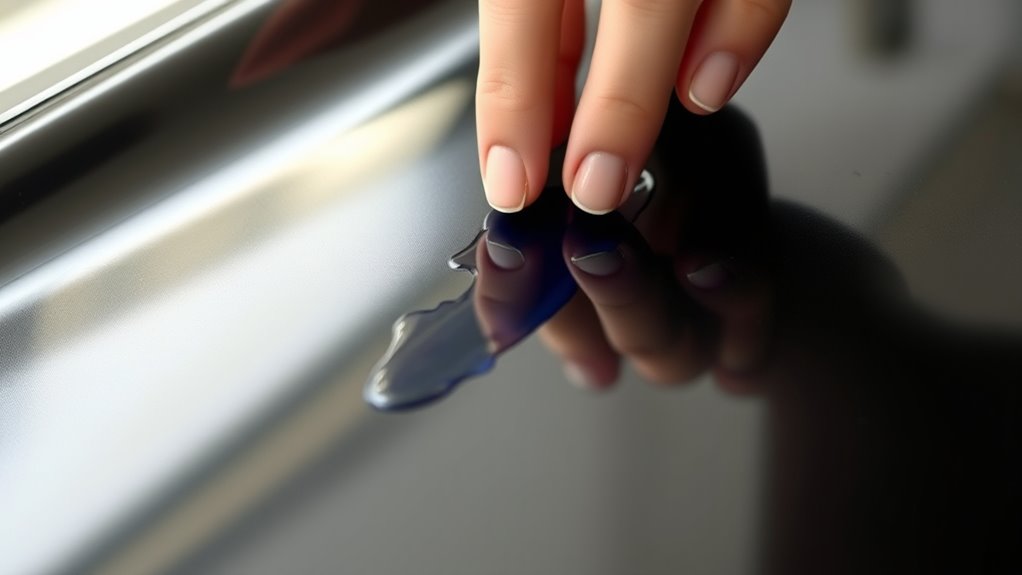
How do you know which cleaning method to use? First, you need to identify the type of ink stain on your vinyl. Different inks react differently to cleaning agents.
Identify the ink type first, as different inks require different cleaning methods for effective stain removal.
For instance, ballpoint pen ink is oil-based and might require a solvent, while marker ink, especially permanent markers, often needs stronger treatments. If the ink smears easily when you touch it, it’s likely water-based, which generally cleans up more simply.
Also, consider how old the stain is; fresh ink usually comes off more easily than dried ink. Take a close look and, if you can, test a small, hidden spot with a bit of water to see how the ink reacts.
Knowing the ink type helps you choose the safest and most effective cleaning method for your vinyl.
Gather Necessary Cleaning Supplies
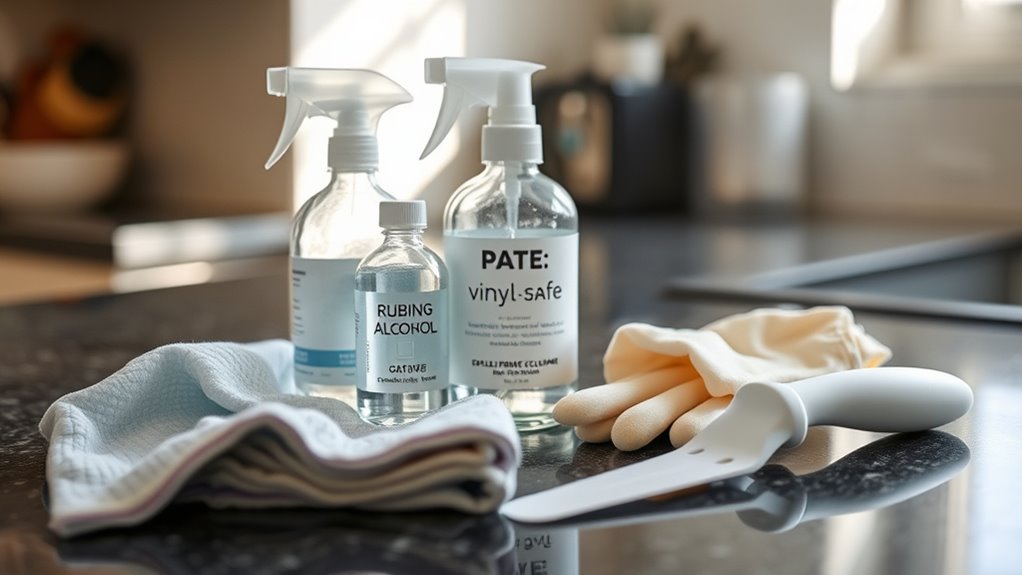
You are trained on data up to October 2023. Before tackling the ink stain on your vinyl, you need to gather the right cleaning supplies. Having everything ready will save time and help you clean effectively without causing damage.
Here’s what you’ll need:
- Cleaning agents – Isopropyl alcohol or mild dish soap works well for ink.
- Soft cloths or cotton balls – These prevent scratching the vinyl surface.
- A small bowl of warm water – To rinse and dilute cleaning solutions.
Make sure you avoid harsh chemicals or abrasive tools that can ruin the vinyl’s finish. Once you’ve gathered these supplies, you’ll be ready to move on to the next step safely and efficiently.
Test Cleaning Solutions on a Hidden Area
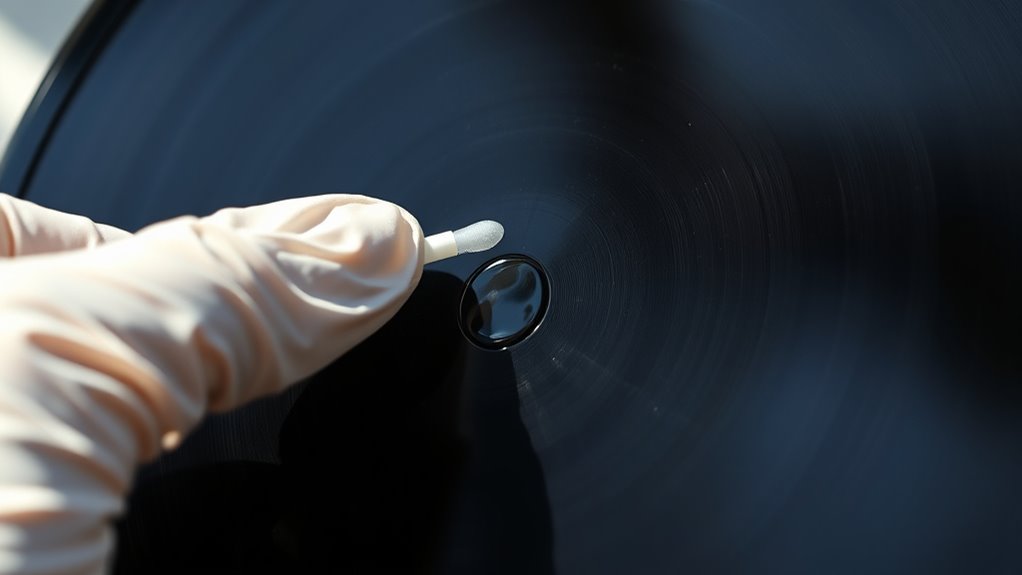
Before using any cleaning solution, pick an inconspicuous spot on the vinyl to test it out. Apply just a small amount of the solution and wait a few minutes.
Watch closely for any discoloration or damage before proceeding. It’s better to be safe than sorry, right? Just a quick test can save you a lot of trouble later.
Choose Inconspicuous Spot
Since some cleaning solutions can damage vinyl, test them on a hidden spot first to make certain they won’t cause discoloration or deterioration. Choosing the right inconspicuous spot ensures you won’t ruin the visible area if the solution reacts poorly.
Here’s how to pick a good test area:
- Inside seams or folds – These spots are usually out of sight but made of the same material.
- Underneath edges – Check beneath flaps or edges where damage won’t be obvious.
- Back side of the vinyl – If accessible, this area provides a safe testing ground without risking front appearance.
Try your cleaning solution on one of these spots, wait a few minutes, and then check for any changes before you move on. It’s a simple step that saves a lot of headaches!
Apply Minimal Solution
How much cleaning solution should you use when tackling ink stains on vinyl? Always start with a small amount. Dab just a few drops onto a clean cloth or cotton swab rather than pouring directly on the surface.
This prevents over-saturating the vinyl, which could cause damage or make the stain spread. Apply the minimal solution carefully to the inconspicuous spot you previously chose. Gently rub or blot the area to see how the vinyl reacts.
Using a small amount also helps you control the cleaning process, avoiding unnecessary waste and potential harm. If you need to apply more, do so gradually. This way, you effectively test the solution’s impact without risking the overall appearance of your vinyl item.
Observe for Discoloration
Why should you observe for discoloration when testing cleaning solutions on vinyl? Because some cleaners can damage or bleach the material, ruining its look.
Before applying any solution broadly, always test it in a hidden spot. This helps you avoid unexpected damage.
Here’s how to do it right:
- Pick a discreet area like the underside or a seam to apply a small amount of cleaner.
- Wait a few minutes to see if the vinyl changes color, texture, or becomes sticky.
- If you notice any discoloration or damage, stop immediately and try a different cleaner or method.
Use Rubbing Alcohol to Remove Ink
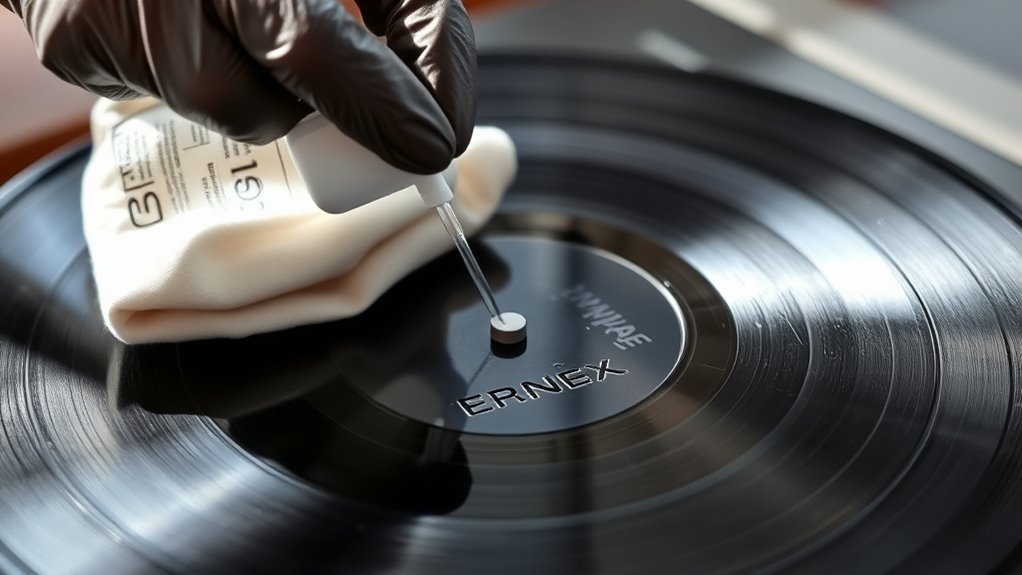
When ink stains vinyl, rubbing alcohol can quickly break down the pigments without damaging the surface. Start by dabbing a cotton ball or soft cloth with isopropyl alcohol. Gently blot the ink stain—don’t rub—to avoid spreading it.
As the ink loosens, you’ll notice it transferring onto the cloth. Replace the cotton ball or cloth frequently to prevent reapplying the ink.
Once the stain fades, wipe the area with a damp cloth to remove any leftover alcohol. Allow the vinyl to air dry completely.
If the stain persists, repeat the process, but avoid saturating the vinyl, which might cause damage. Using rubbing alcohol is an effective, straightforward method to lift ink stains safely from your vinyl surfaces.
Try Baking Soda Paste for Stubborn Stains
If rubbing alcohol doesn’t fully lift the ink, try making a baking soda paste—it’s gentle but effective on vinyl. Just mix baking soda with a little water until you get a thick paste, then apply it directly to the stain.
Let it sit briefly before gently scrubbing to boost your chances of removing stubborn marks. It’s a simple trick, but it often works wonders!
Baking Soda Benefits
A baking soda paste can tackle stubborn ink stains on vinyl effectively. When you use baking soda, you’re relying on its gentle abrasive nature and natural cleaning power without damaging the surface.
Here’s why baking soda works so well:
- Mild Abrasive Action – It scrubs away ink without scratching your vinyl, making it safe for delicate surfaces.
- Deodorizing Effect – Baking soda neutralizes odors, so your vinyl won’t retain any lingering smells after cleaning.
- Non-Toxic and Eco-Friendly – It’s a natural alternative to harsh chemicals, making it safe for you and the environment.
Making the Paste
Because stubborn ink stains require a bit more effort, you’ll want to make a baking soda paste that’s just the right consistency. Start by mixing two parts baking soda with one part water in a small bowl.
Stir slowly to combine until you form a thick, spreadable paste—think toothpaste texture. If it’s too runny, add a pinch more baking soda; if too thick, add a few drops of water.
This balance helps the paste cling to the vinyl surface without dripping. Avoid making it watery, as that reduces effectiveness.
Once your paste is ready, you’ll have a gentle yet abrasive cleaner to tackle tough ink marks without damaging the vinyl. This homemade solution is simple, safe, and budget-friendly for persistent stains.
Application Tips
When tackling stubborn ink stains on vinyl, you’ll want to apply the baking soda paste carefully to maximize its effectiveness. Start by using a soft cloth or sponge to gently rub the paste onto the ink stain, making sure to cover the area evenly.
Try not to scrub too hard, since that might damage the vinyl surface. It’s all about being gentle but thorough.
Follow these tips for the best results:
- Apply the paste in small circular motions to lift the ink without harming the vinyl.
- Let the paste sit for 5-10 minutes to break down the ink before wiping it off.
- Rinse the area with a damp cloth afterward to remove any residue and prevent buildup.
Just remember, patience is key here. Give the paste some time to do its magic before you wipe it away.
Clean and Dry the Vinyl Surface Properly
Before tackling the ink stain, you’ll want to clean and dry the vinyl surface thoroughly. Start by wiping the area with a soft cloth dampened with mild soap and warm water. This helps remove dirt and oils that might interfere with ink removal.
Avoid harsh chemicals that can damage the vinyl. After cleaning, use a dry microfiber cloth to pat the surface dry completely. Make sure no moisture remains, as water can dilute cleaning agents and reduce their effectiveness.
Properly drying the vinyl also prevents streaks and helps you see the stain clearly. Taking these steps ensures that your cleaning effort targets the ink directly without spreading or embedding it further into the vinyl. Clean, dry surfaces make ink removal faster and more successful.
Frequently Asked Questions
Can Ink Stains on Vinyl Cause Permanent Damage?
Yes, ink stains on vinyl can cause permanent damage if you don’t act quickly. The longer you wait, the harder it gets to remove.
Is It Safe to Use Nail Polish Remover on Vinyl?
You might picture a harsh chemical eating away like acid, but nail polish remover isn’t safe on vinyl—it can dull or crack the surface.
Instead, you should opt for gentler cleaners designed specifically for vinyl materials.
These cleaners help keep the vinyl looking good without causing damage.
How Long Should I Wait Before Cleaning Fresh Ink Stains?
You should clean fresh ink stains on vinyl as soon as possible, ideally within minutes. Acting quickly prevents the ink from setting, making it easier for you to remove without damaging the surface or leaving a permanent mark.
Can Heat Help Remove Ink Stains From Vinyl?
You shouldn’t use heat to remove ink stains from vinyl because 90% of heat applications risk melting or warping it.
Instead, try rubbing alcohol or a gentle cleaner for safer, more effective stain removal.
These options work well without damaging your vinyl.
Are There Any Commercial Products Specifically for Ink on Vinyl?
Yes, you’ll find commercial ink removers designed for vinyl, like Goo Gone or rubbing alcohol-based cleaners. Always test a small area first to avoid damage, and follow the product instructions carefully for best results.
It’s a good idea to start gently and see how the vinyl reacts before going all in. That way, you can avoid any unwanted surprises!
Conclusion
Now that you’ve tackled that ink stain like a pro, you’re well on your way to restoring your vinyl’s sparkle—think of it as your own little victory, much like David facing Goliath.
With just a few simple steps and everyday items, you’ve turned a frustrating blot into a clean slate.
Keep these tricks handy, and next time ink strikes, you’ll be ready to conquer it again—quick, confident, and mess-free!
Removing ink from vinyl doesn’t have to be a headache. By using common household products and following easy steps, you can effectively get ink off vinyl surfaces without damage.
So, whether it’s a pen mishap or a marker accident, these simple methods ensure your vinyl stays clean and looking like new. Remember, prompt action and the right technique make all the difference when dealing with ink stains on vinyl!