
Blog

  • How Do I Get Gel Ink Out of Clothes?

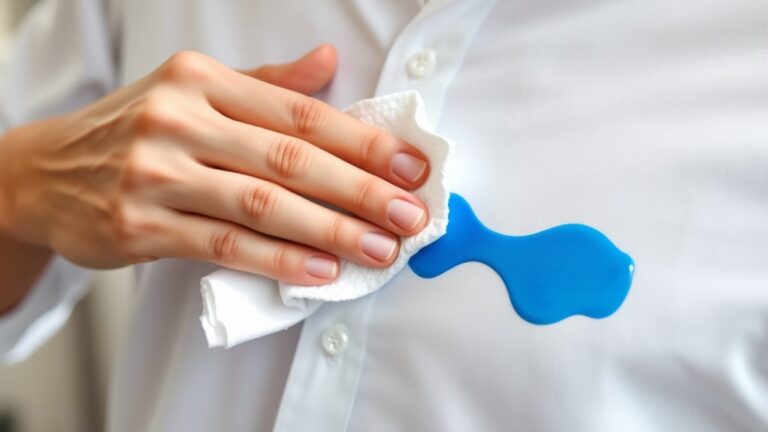
    If you get gel ink on your clothes, start by gently blotting the stain to avoid spreading it. Then, test rubbing alcohol on a hidden area to check for colorfastness.

    Dab the stain with a cotton ball soaked in alcohol—don’t rub—and watch the ink transfer to the cloth. After it’s lighter, rinse with cold water and wash as usual.

    You can also try alcohol-based hairspray or hand sanitizer to lift the stain. For more effective tips, keep exploring these methods.
  • Can Tattoo Ink Expire and How to Identify Expired Ink

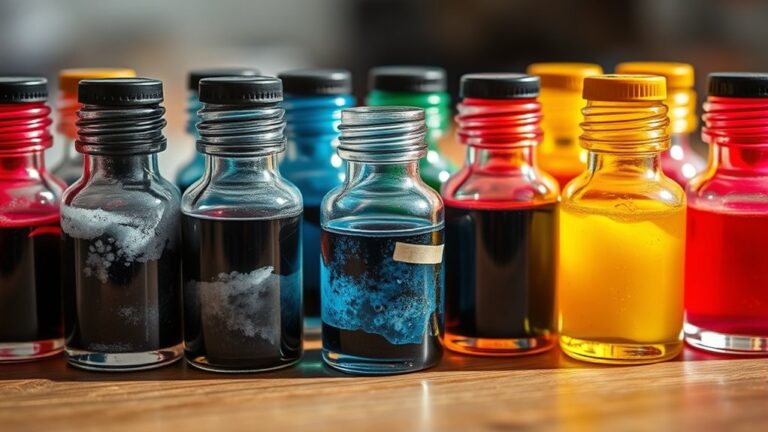
    Yes, tattoo ink can expire, especially if it’s exposed to heat, light, or air over time. You can spot expired ink by changes in color, odd smells, or a thick, clumpy texture.

    Old ink may also separate or show signs of contamination like mold. Using expired ink risks infections and poor tattoo quality.

    If you want to keep your tattoos safe and vibrant, understanding proper storage and disposal practices is essential. It really pays off to handle your ink with care!

  • How to Prevent Printer Ink From Drying up Quickly

    To prevent your printer ink from drying up quickly, store cartridges upright in a cool, dark place. Also, keep them sealed tightly when not in use.

    Make sure you use your printer regularly. Printing a page or two weekly helps keep the ink flowing and nozzles clear.

    Adjust your printer settings to draft mode for everyday printing to save ink. Taking these simple steps can markedly extend your cartridge life.

    And hey, there’s more you can do to keep your printer in top shape. Just a little care goes a long way!

  • Where Does Ink Come From?

    Ink comes from a blend of natural and chemical ingredients that have evolved over thousands of years. Early ink used soot, plant extracts, and gum arabic to create durable writing materials.

    Over time, innovations introduced iron gall ink and later mass-produced formulas with synthetic pigments and solvents for vibrant colors and smooth flow. Today’s inks include eco-friendly, digital, and biodegradable options.

    If you want to understand ink’s fascinating journey and future, there’s much more to discover. It’s pretty cool to see how something we use every day has such an interesting history!

  • Is Ink Flammable and How to Handle It Safely

    Ink can be flammable, especially if it contains solvents like alcohol or other volatile organic compounds. You should store it in cool, well-ventilated areas away from heat, flames, and sunlight.

    Always keep containers tightly sealed and handle spills with care, using absorbent materials without water for oil-based inks. Wear gloves to avoid skin contact and dispose of waste properly.

    If you want to keep using ink safely, there are smart precautions and alternatives you’ll find helpful. It’s all about being careful and staying informed!

  • How to Refill a Self-Inking Stamp in 10 Easy Steps

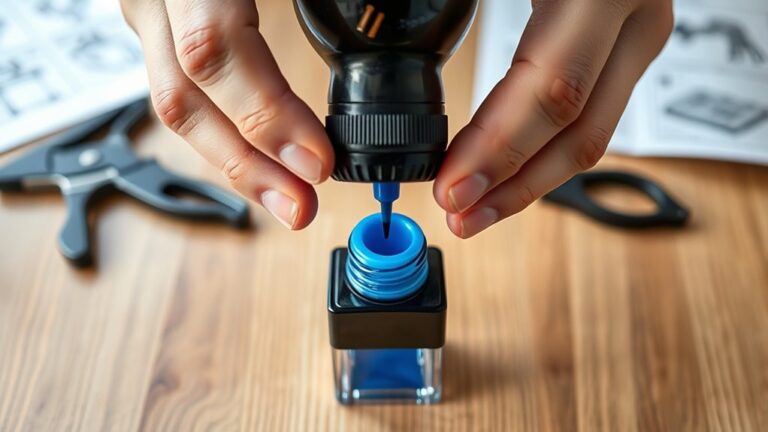
    To refill your self-inking stamp, first gather materials like ink, cloth, and gloves. Remove the stamp from its housing carefully, then locate and take out the ink pad.

    Choose the right ink based on your stamp’s type, and apply drops evenly to the pad. Let it absorb fully before reinserting the pad properly.

    Test the stamp on scrap paper to ensure clear impressions, then clean any excess ink and store it well. Keep following for detailed tips and care advice.

  • What Are the Dangers If You Get Ink Poisoning?

    If you get ink poisoning, you might experience skin irritation like redness or rash, nausea, vomiting, dizziness, or headaches depending on how you’re exposed.

    Swallowing or injecting ink poses higher risks, possibly causing organ damage or serious breathing problems.

    Different inks contain chemicals and heavy metals that affect your health in various ways.

    Immediate first aid and knowing when to seek medical help are important.

    Keep exploring to understand how to protect yourself and respond effectively.

  • How to Get Ink Off Hands Quickly and Easily

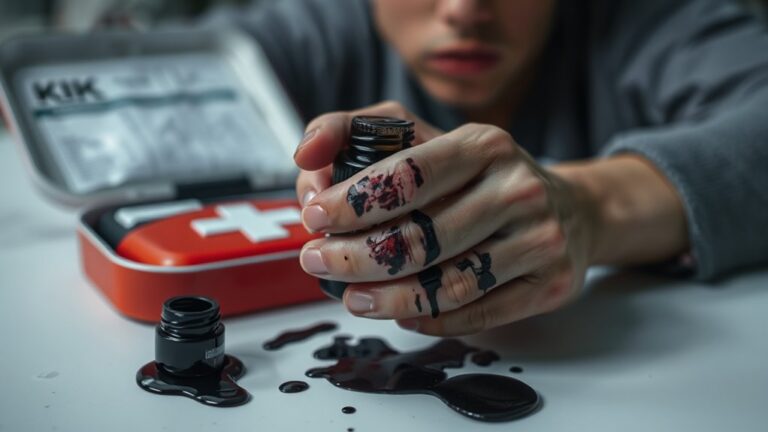
    To get ink off your hands quickly, start by washing with soap and warm water to loosen fresh ink. If that doesn’t work, dab rubbing alcohol or hand sanitizer on the stains and rub gently to break down the ink.

    You can also make a paste from baking soda and water or scrub stubborn spots with non-gel toothpaste using a soft brush. These methods work fast and are gentle on your skin.

    Give them a try and see what works best for you. Explore more tips to keep your hands clean and ink-free.

  • How to Get Gel Ink Out of Clothes Step by Step

    You should act fast when gel ink stains your clothes. First, gently blot the excess ink with a clean cloth without rubbing.

    Then, apply rubbing alcohol or hand sanitizer directly to the stain and let it sit for a few minutes to break down the ink. Rinse the area with cold water and treat it with liquid detergent before washing the garment in the warmest water safe for the fabric.

    Air dry and check for remaining stains—you’ll find more tips to fully restore your clothes.

  • How Long Do Printer Ink Cartridges Last and How to Use Them

    Your printer ink cartridge’s lifespan depends on how often and what you print—light users can get 6-12 months, while heavy use may drain it in weeks.

    Proper storage in a cool, dry place away from sunlight helps prevent drying out. Use draft mode for everyday prints to save ink and replace cartridges when print fades or streaks appear.

    Handle cartridges carefully and keep them sealed until use. There’s more to know to make your ink last longer and print better.