
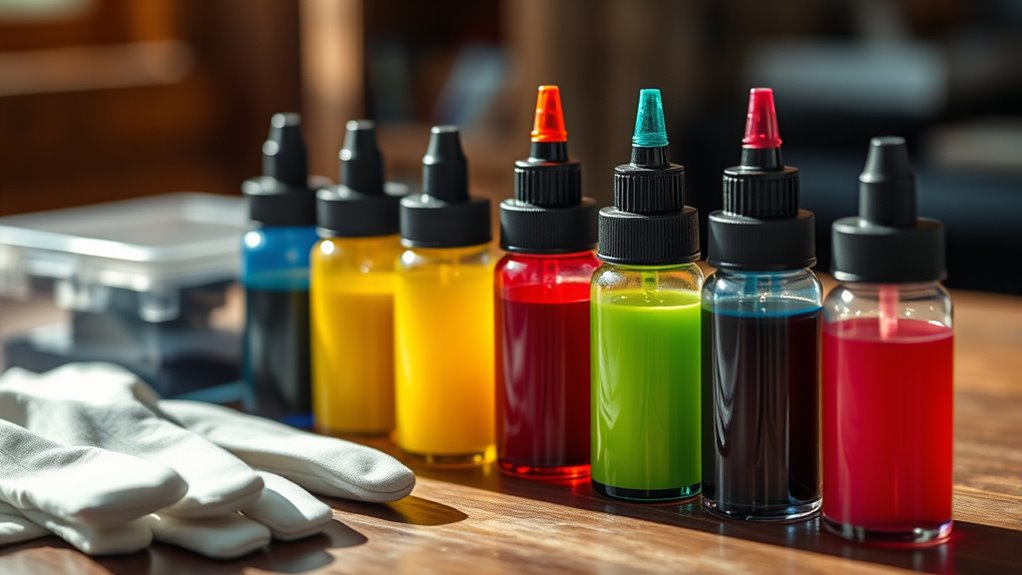
Does Tattoo Ink Expire and How Can You Store It Safely?
Yes, tattoo ink does expire, and knowing how to store it safely is super important for both artists and enthusiasts. Typically, unopened tattoo ink lasts about 2 to 5 years, but once you open it, the shelf life drops to roughly 6 to 12 months.
Proper storage can make a big difference in keeping your ink fresh and effective. You should always keep tattoo ink in a cool, dark place, making sure the lids are tightly sealed. This helps prevent contamination and protects the ink from heat, light, or air exposure, which can degrade its quality over time.
Also, keep an eye out for any changes in the ink’s appearance or smell. If you notice color separation, clumps, or odd odors, it’s definitely time to toss it.
Taking these simple steps will help you maintain safe, vibrant ink every time you use it.
Key Takeaways
- Tattoo ink does expire, typically lasting 2–5 years unopened and 6–12 months once opened under proper storage. So, it’s important to keep an eye on those dates.
- Signs of expired ink include color fading, separation, clumping, unusual odors, and texture changes. If you notice any of these, it’s best to toss it out.
- Store ink in a cool, dark place away from heat and UV light to preserve quality and prevent degradation. This really helps keep it fresh longer.
- Always keep containers tightly sealed and upright to avoid contamination, evaporation, and spoilage. A little care goes a long way here.
- Regularly inspect ink for spoilage, use clean tools, label opening dates, and discard ink showing any signs of degradation. This way, you’ll always have safe, good-quality ink ready to go.
Understanding the Composition of Tattoo Ink
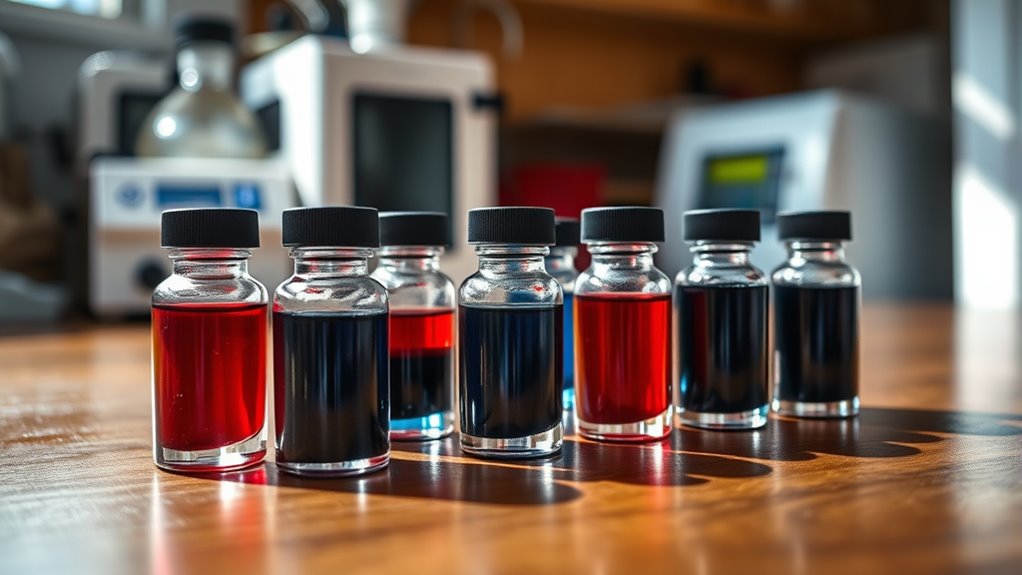
Although tattoo ink might seem simple, its composition is actually quite complex. You’ll find it’s made up of pigments suspended in a carrier solution. The pigments provide the color and can be derived from organic, inorganic, or synthetic sources.
Meanwhile, the carrier solution helps evenly distribute the pigment and keeps it sterile. It often contains ingredients like distilled water, alcohol, or glycerin.
Understanding these components matters because each affects how the ink behaves and ages. If you’re handling tattoo ink, knowing the pigment type helps you anticipate how it might fade or interact with your skin.
Plus, the carrier’s ingredients influence storage needs and shelf life. So, grasping the composition lets you care for your ink properly and maintain its quality.
How Long Does Tattoo Ink Typically Last?
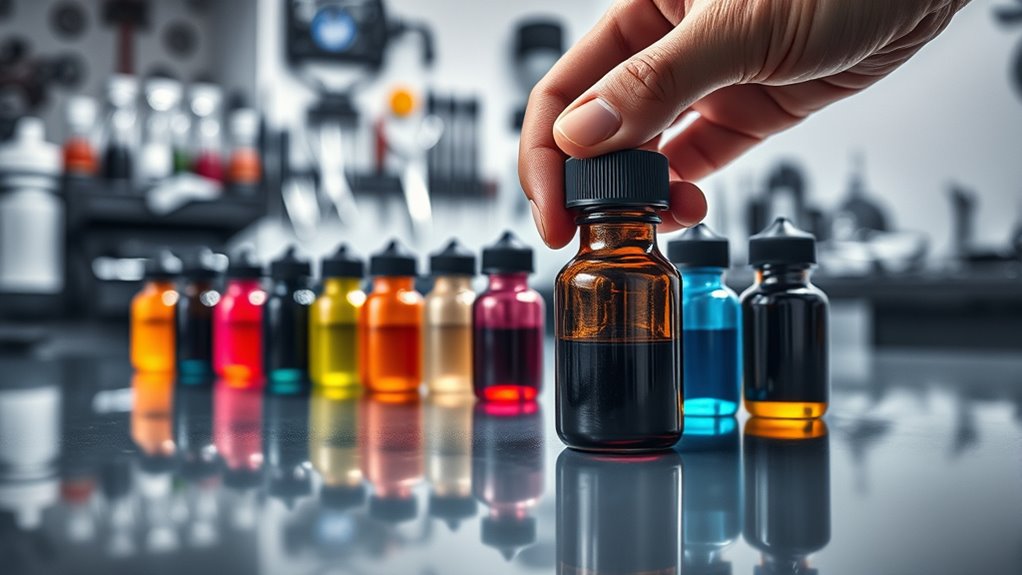
Since tattoo ink contains organic and synthetic components, its longevity depends on several factors, including storage conditions and exposure to light or air. Typically, unopened tattoo ink can last anywhere from two to five years if stored properly in a cool, dark place.
Once opened, the ink’s shelf life considerably shortens, usually lasting about six months to a year before its quality starts to degrade. You should keep the ink sealed tightly and avoid contamination to maximize its lifespan.
Environmental factors like heat, sunlight, and humidity can break down the pigments and carriers, reducing effectiveness. So, if you want your tattoo ink to last, focus on proper storage and pay attention to how long it’s been since you first opened the bottle.
Common Signs That Tattoo Ink Has Expired
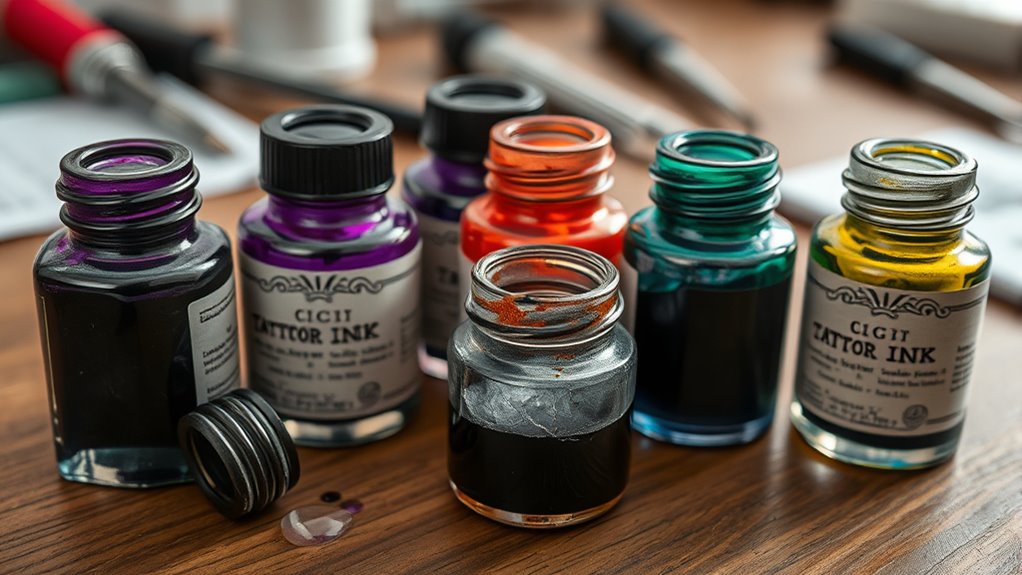
You’ll notice tattoo ink has expired when its color starts fading or separates unevenly. If the ink smells off or has an unusual odor, that’s another clear warning sign.
Changes in the ink’s consistency, like clumping or thinning, also mean it’s time to replace it. So, if you spot any of these issues, it’s best to get some fresh ink.
Color Fading or Separation
When tattoo ink starts to fade or separate, it often signals that the product has passed its prime. You might notice the vibrant colors dulling or the ink settling into distinct layers.
This separation means the pigments and liquids are no longer properly combined, which can affect application quality. Keep an eye out for these signs:
- Colors appearing washed out or less intense
- Ink forming a watery layer on top
- Pigments settling unevenly at the bottom
- Difficulty stirring the ink back to uniformity
- Clumps or sediment visible inside the bottle
If you see any of these, it’s best to avoid using that ink. Fresh, well-mixed ink ensures better results and safer tattooing.
Unusual Odor Presence
Alongside changes in color and consistency, an unusual odor can also signal that your tattoo ink has expired. When you open a bottle of ink, it should have a neutral or faintly chemical smell.
If you notice a sour, rancid, or otherwise off-putting odor, it’s a red flag that the ink’s quality has degraded. This smell often indicates bacterial growth or chemical breakdown, both of which can compromise the safety and effectiveness of the ink.
Using ink with an unusual odor increases the risk of skin irritation or infection. So, if your tattoo ink smells strange, don’t take chances—dispose of it properly and replace it with fresh ink to keep your tattooing process safe and hygienic.
Change in Ink Consistency
If your tattoo ink feels thicker, clumpy, or watery compared to when you first opened it, the consistency has likely changed. This shift is a clear sign the ink might have expired or been stored improperly.
Using ink with altered consistency can affect your tattoo’s quality and safety. Watch out for these signs:
- Lumps or sediment settling at the bottom
- Ink separating into layers
- A gelatinous or sticky texture
- Excessive thinning, almost like water
- Difficulty in spreading smoothly on the needle
When ink doesn’t flow properly, it can clog your equipment or create uneven lines. Always check the texture before use, and if it appears off, it’s best to discard it.
You want your tattoo to turn out flawless and infection-free, right? So it’s worth being cautious with your ink.
Risks of Using Expired Tattoo Ink
Although expired tattoo ink might seem harmless, using it can lead to serious health risks and compromised tattoo quality. When ink degrades, harmful bacteria or mold can develop, increasing your risk of infection.
You might experience redness, swelling, or even more severe skin reactions. Additionally, the pigments in old ink can break down, causing colors to fade, blur, or heal unevenly.
This not only affects the appearance of your tattoo but can also require costly touch-ups or removal. Using expired ink also raises concerns about the ink’s sterility, which is essential for safe tattooing.
To protect yourself and ensure your tattoo looks great for years, avoid using ink past its prime and always prioritize fresh, sterile products. It’s really worth the extra care!
Best Practices for Storing Tattoo Ink
Properly storing your tattoo ink preserves its quality and safety, so you get the best results every time. To keep your ink fresh and effective, follow these best practices:
Store ink in a cool, dark place away from direct sunlight to prevent degradation. It really helps to keep the colors vibrant and the ink stable.
Keep containers tightly sealed to avoid contamination and drying out. You definitely don’t want your ink to get all crusty or dirty.
Avoid temperature fluctuations by maintaining a consistent storage environment. Sudden changes can mess with the ink’s consistency and performance.
Use clean hands or gloves when handling ink bottles to prevent introducing bacteria. It’s a simple step that makes a big difference in hygiene.
Label each bottle with the date of opening to track freshness easily. That way, you’ll know when it’s time to get new ink and keep your work looking sharp.
Tips for Maintaining Ink Quality Over Time
To keep your tattoo ink fresh, you need to control the temperature carefully and store it in a cool, dark place. Always seal the containers tightly to prevent contamination and exposure to air.
Proper Temperature Control
When you control the temperature where you store your tattoo ink, you considerably extend its shelf life and maintain its vibrancy.
Ink stored in fluctuating or extreme temperatures can separate, thicken, or lose pigment quality. So, keeping it at the right temperature really makes a difference.
To keep your ink in top shape, focus on these temperature tips:
- Store ink in a cool, dry place away from direct sunlight
- Maintain a consistent temperature between 60°F and 75°F (15°C – 24°C)
Try to avoid storing ink near heaters, windows, or air conditioners. These spots often cause temperature swings that can harm your ink.
Use a dedicated cabinet or drawer that doesn’t experience temperature changes. This helps keep things stable.
Also, keep bottles tightly sealed to prevent moisture exposure. Temperature changes can make moisture problems worse, so sealing is key.
Avoiding Contamination Risks
Although you might store your tattoo ink carefully, contamination can still sneak in and ruin its quality. To avoid this, always use clean, disposable gloves when handling ink bottles.
Never touch the ink’s opening or dip directly into the bottle with used needles or tools. Keep your workspace sanitized and avoid exposing the ink to airborne dust or bacteria.
Use single-use containers or caps to pour ink instead of dipping multiple times into the main bottle. Avoid mixing inks unless necessary, as this can introduce contaminants.
If you notice any changes in color, texture, or smell, discard the ink immediately. By following these precautions, you’ll maintain your tattoo ink’s integrity and ensure safe, vibrant results for your clients.
Sealing and Storage Methods
Keeping your tattoo ink sealed properly plays a crucial role in preserving its quality over time. To maintain its freshness and prevent contamination, you need to store it with care.
Here’s how you can seal and store your ink effectively:
- Always tighten the cap securely after each use to avoid air exposure.
- Use airtight containers or resealable bags for extra protection.
- Store ink bottles upright to prevent leaks and spills.
- Keep them in a cool, dark place away from direct sunlight and heat sources.
- Avoid frequent temperature changes, as they can degrade the ink’s consistency.
Frequently Asked Questions
Can Expired Tattoo Ink Cause Allergic Reactions?
Yes, expired tattoo ink can cause allergic reactions because its chemical composition may alter over time.
You should avoid using it and always store ink properly to reduce health risks and ensure safe tattooing experiences.
It’s really not worth the risk when it comes to your skin and health. Better to be safe and use fresh, well-stored ink every time.
How Does Temperature Affect Tattoo Ink Longevity?
Temperature affects tattoo ink longevity by causing chemical changes; you’ll find that extreme heat can degrade pigments, while cold can thicken the ink.
Keeping it at a stable, cool temperature helps maintain its quality longer. So, try to avoid letting your tattoo ink get too hot or too cold if you want it to last.
Is It Safe to Mix Old and New Tattoo Inks?
Imagine mixing expired ink with fresh—colors can turn muddy or cause skin irritation.
You shouldn’t mix old and new tattoo inks because it compromises safety and quality. It risks infections or unpredictable results.
Always use fresh ink. It’s the safest way to get the best outcome.
What Ingredients Should Be Avoided in Tattoo Ink?
You should avoid tattoo inks containing heavy metals like lead, cadmium, and mercury, as well as harmful chemicals like parabens and formaldehyde. These ingredients can cause allergic reactions and long-term health issues, so always check the label carefully.
It’s really important to know what’s in your ink. That way, you can keep your skin safe and healthy while rocking your new tattoo.
Can Tattoo Ink Be Frozen for Long-Term Storage?
You shouldn’t freeze tattoo ink, as freezing can alter its consistency and pigments.
Instead, store it in a cool, dark place, tightly sealed to maintain quality and prevent contamination over time.
Keeping it that way helps the ink last longer and keeps it safe to use.
Conclusion
Now that you know tattoo ink can expire and why storage matters, wouldn’t you want to keep your ink fresh and safe?
Properly storing your ink—away from heat, light, and air—helps maintain its quality and prevents risks like infections or poor tattoo results.
By recognizing signs of expired ink and following best practices, you’re protecting both your art and your skin.
So, take care of your tattoo ink as carefully as you do your tattoos. Keeping tattoo ink safe and fresh not only ensures vibrant colors but also safeguards your health. Remember, expired or improperly stored ink can lead to infections or faded tattoos, so always store your ink in a cool, dark place and seal it tightly after use.
With the right care, your tattoo ink will stay in top condition, giving you the best results every time.