
How to Get Pen Ink Out of Plastic Step by Step
First, identify the type of plastic and ink on your item to choose the safest method. Knowing this helps you avoid damage and pick the right cleaning supplies. Gather things like rubbing alcohol, baking soda, toothpaste, soft cloths, and gloves before you start.
Test any cleaner on a hidden spot to make sure it won’t ruin your plastic. Start by dabbing rubbing alcohol gently on the stain, then rinse and dry.
If ink remains, try scrubbing a baking soda and toothpaste paste onto it.
You can also use commercial removers carefully if needed. Keep going to find detailed tips for thorough ink removal. Just take your time, and you’ll get that pen ink out of your plastic item!
Key Takeaways
- Identify the plastic type and ink to choose the safest cleaning method without damage.
- Gather supplies like rubbing alcohol, soft cloths, cotton swabs, and gloves before starting.
- Test cleaning agents on a small hidden area to check for adverse reactions.
- Gently dab rubbing alcohol on the ink stain to lift it, then rinse and dry the plastic.
- Use a baking soda and toothpaste paste or commercial ink remover if rubbing alcohol is ineffective.
Identify the Type of Plastic and Ink
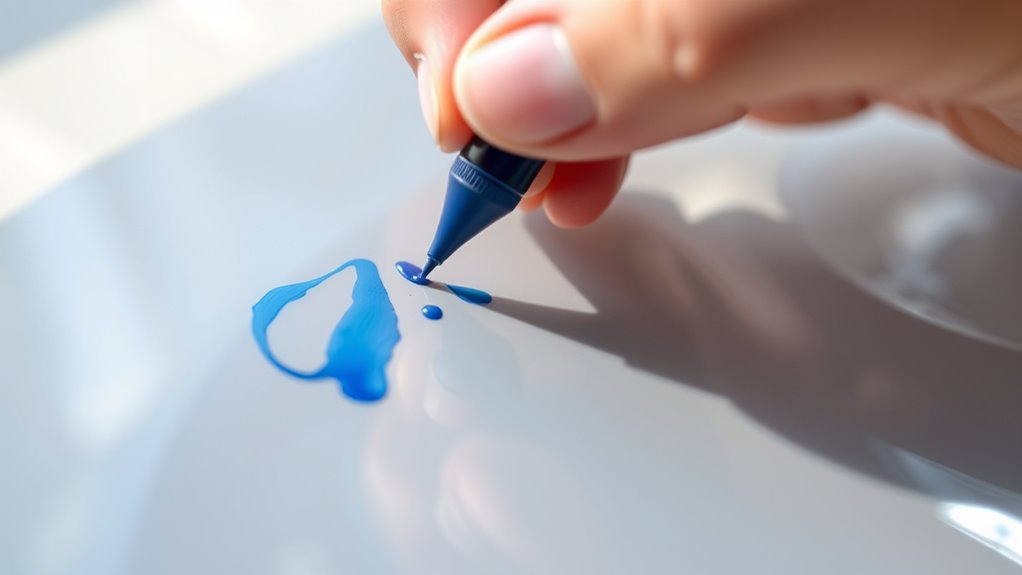
Before you try to remove pen ink from plastic, you need to identify both the type of plastic and the ink involved. Different plastics react differently to cleaning methods, so knowing whether it’s hard plastic, vinyl, or a flexible polymer helps you choose the safest approach.
Check for recycling symbols or labels on the item to determine the plastic type. Next, identify the ink. Ballpoint pen ink is oil-based and easier to remove, while gel or permanent marker ink may require stronger solvents.
If you’re unsure, test a small, hidden area first to see how the plastic reacts. Taking these steps prevents damage and improves your chances of successfully removing the ink without ruining the plastic surface.
Gather Necessary Cleaning Supplies
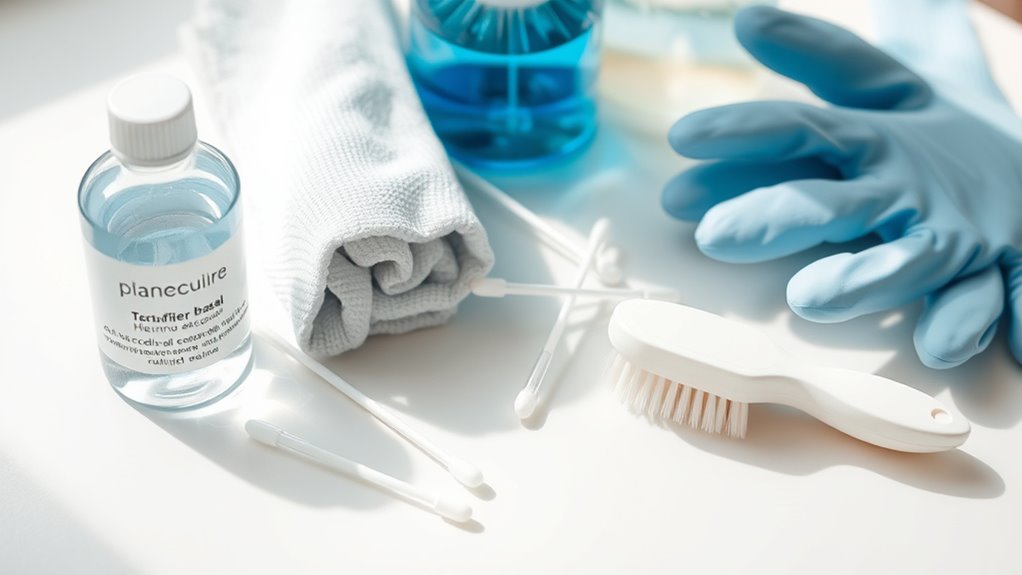
Before you start cleaning, make sure you have the right tools on hand. You’ll need items like cotton balls, soft cloths, and gentle scrubbing brushes.
Plus, effective cleaning agents such as rubbing alcohol or mild detergent. Having these supplies ready will make the ink removal process much smoother.
Essential Cleaning Tools
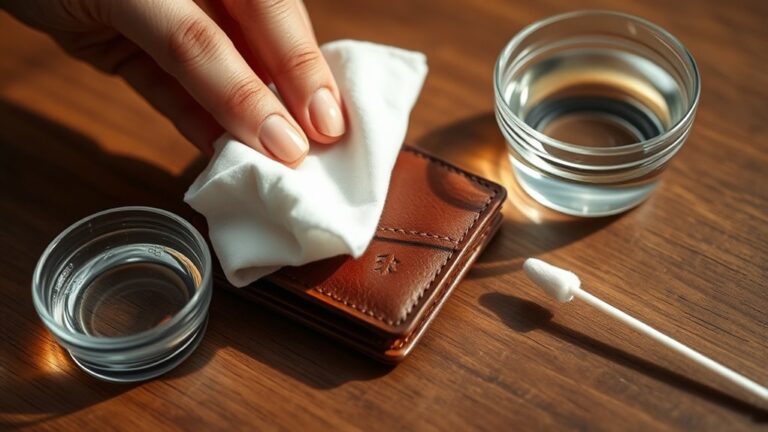
Although removing pen ink from plastic might seem tricky, having the right cleaning tools makes the process much easier. Before you start, gather these essentials to tackle the stain effectively and protect the plastic surface.
You’ll need:
- Soft cloths or microfiber towels for gentle wiping
- Cotton swabs to reach small or detailed areas
- A small bowl or container for mixing cleaning agents
- Gloves to protect your hands from harsh substances
Using these tools ensures you apply cleaning agents carefully without damaging the plastic. Soft cloths prevent scratches, and cotton swabs help target stubborn ink spots precisely.
Having a container handy allows you to mix solutions as needed, while gloves keep your skin safe. With these essentials, you’re well-equipped to handle the ink removal process efficiently.
Recommended Cleaning Agents
Once you have your cleaning tools ready, the next step is to gather the right cleaning agents that effectively break down pen ink without harming the plastic. Rubbing alcohol is a top choice because it dissolves ink quickly and safely.
You can also use nail polish remover containing acetone, but test a small area first to avoid damage. For a gentler option, try a magic eraser or a paste made from baking soda and water.
Hairspray with alcohol content works well too, but avoid those with added dyes or oils. And definitely steer clear of harsh solvents like bleach, which can discolor or weaken plastic.
Having these cleaning agents on hand guarantees you’re prepared to tackle ink stains efficiently and protect your plastic items. Easy, right?
Test Cleaning Methods on a Small Area
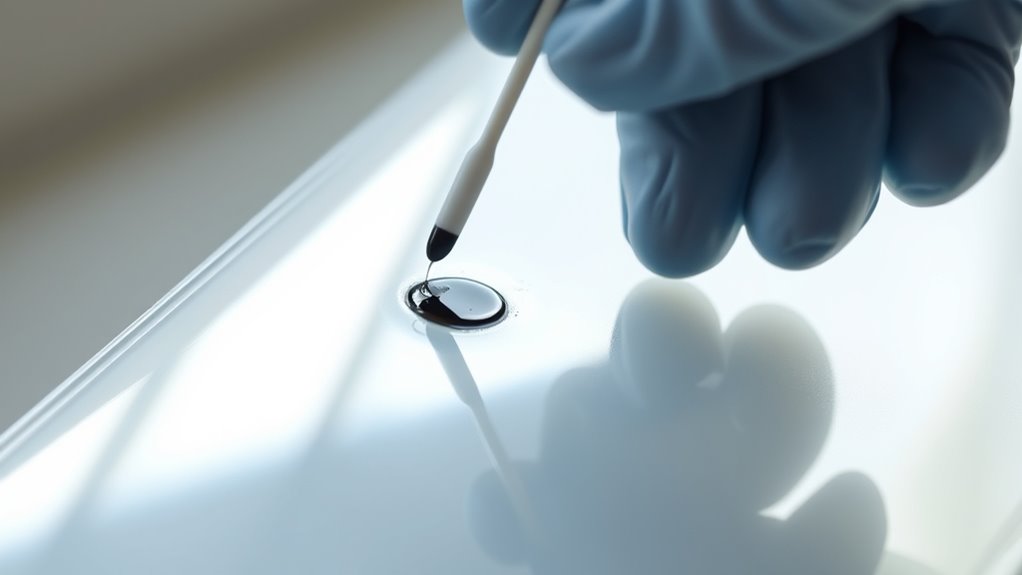
Since different plastics react uniquely to cleaning agents, you should test your chosen method on a small, hidden area first. This step helps prevent damage or discoloration to the entire surface.
Here’s how to approach it: Select an inconspicuous spot on the plastic item. Apply a small amount of the cleaning agent using a cotton swab or cloth.
Wait a few minutes to observe any adverse reactions like fading, melting, or warping. Then, rinse the test area with water and dry it to check for residue or changes in texture.
If the plastic shows no negative effects, you can confidently proceed with cleaning the ink stain. This precaution saves you from potential costly mistakes and preserves your item’s appearance.
Use Rubbing Alcohol to Remove Ink
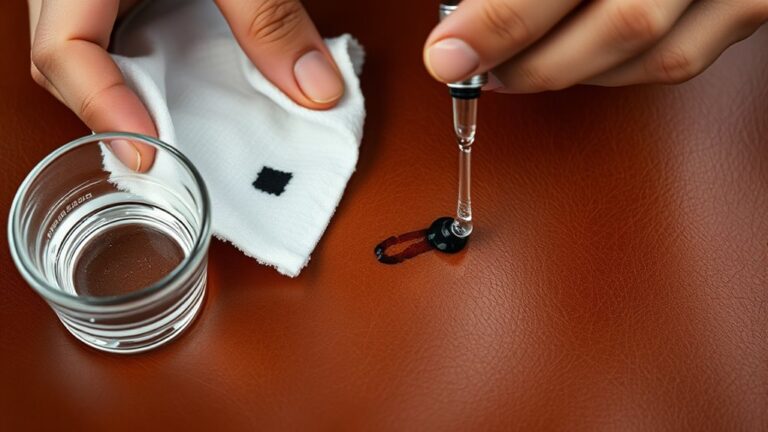
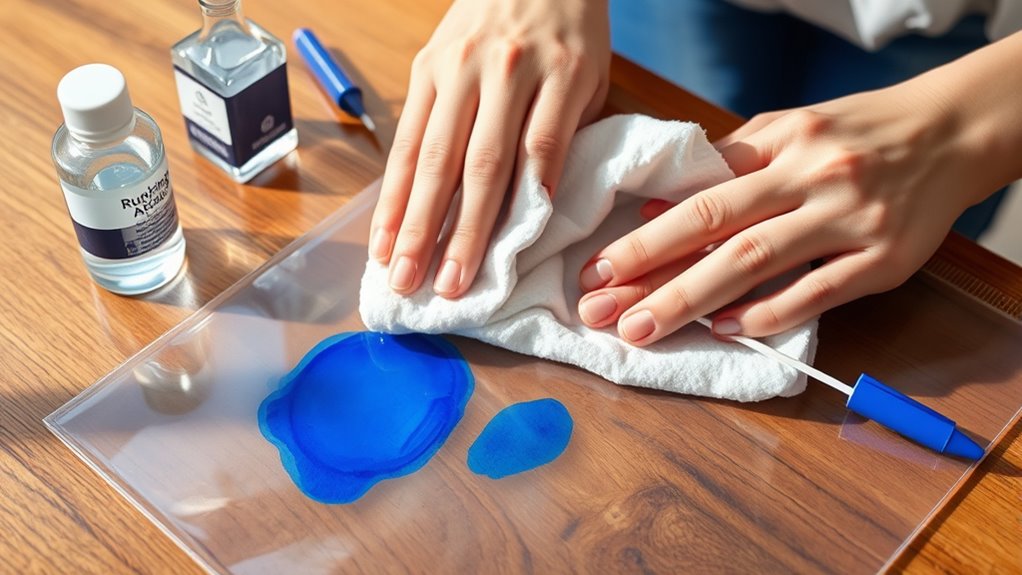
After confirming your plastic can handle cleaning agents, rubbing alcohol offers an effective way to tackle pen ink stains. Pour a small amount of rubbing alcohol onto a clean cloth or cotton ball.
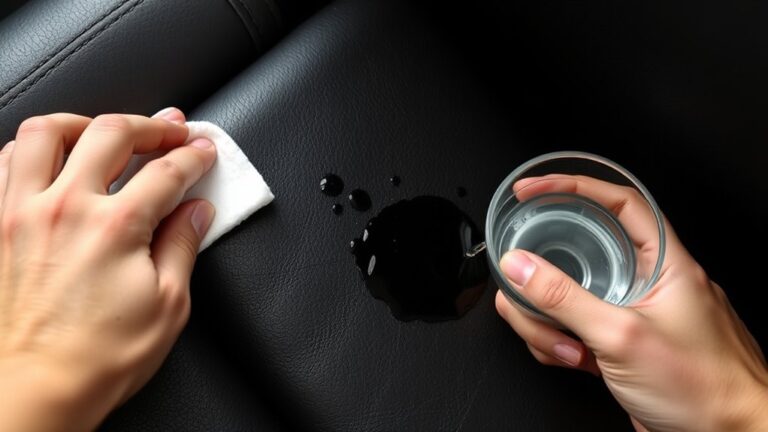
Gently dab the stained area, avoiding excessive rubbing that might damage the plastic surface. You’ll notice the ink starting to lift as the alcohol breaks it down. Keep dabbing until the stain fades, using fresh cloth sections as needed.
Once the ink is gone, rinse the plastic with warm water to remove any leftover alcohol. Dry the area with a soft towel. If the stain persists, repeat the process, but don’t soak the plastic to prevent damage.
This method works well on most plastic types and is quick to try. Give it a shot, and you might be surprised how easily that ink comes right off!
Try Baking Soda and Toothpaste Technique
If rubbing alcohol doesn’t fully remove the ink, you can try a baking soda and toothpaste mixture to tackle stubborn stains on plastic. This method uses gentle abrasives to lift ink without damaging the surface.
Start by mixing equal parts baking soda and white toothpaste (non-gel). Apply the paste directly to the ink stain, then gently rub it with a soft cloth or an old toothbrush in circular motions.
After scrubbing for a minute or two, rinse with warm water and check the stain. If it’s still there, no worries — just repeat the process.
Keep these tips in mind: use non-gel toothpaste for the best results. And be gentle—avoid harsh scrubbing to prevent scratches.
Also, dry the plastic thoroughly after cleaning to prevent any residue buildup. With a little patience, those stubborn stains should come right off!
Apply Commercial Ink Remover Safely
When DIY methods like baking soda and toothpaste don’t fully erase pen ink from plastic, commercial ink removers can offer a stronger solution. Before you start, make sure to read the product instructions carefully.
Apply the remover in a well-ventilated area and wear gloves to protect your skin. Use a cotton ball or soft cloth to dab the ink remover onto the stained area gently—don’t soak it to avoid damaging the plastic.
Let it sit for the recommended time, usually a few minutes, then wipe away with a clean cloth. If the stain persists, feel free to repeat the process but avoid excessive rubbing, which can scratch the surface.
Finally, rinse the plastic thoroughly with water and dry it to remove any chemical residue. That way, you keep your plastic clean and safe!
Frequently Asked Questions
Can Permanent Marker Ink Be Removed Using These Methods?
You can often remove permanent marker ink from plastic using these methods, but it might take extra effort or repeated attempts.
Some stains may not fully come off, so be patient and try different techniques if needed.
Keep in mind, sometimes it just takes a little trial and error to get the best results. Don’t give up too quickly!
Will These Cleaning Techniques Damage Colored or Painted Plastics?
Yes, some cleaning techniques can damage colored or painted plastics. You should test a small, hidden area first and use gentle cleaners to avoid discoloration or peeling.
Always handle painted surfaces with extra care. It’s better to be cautious than to risk ruining the finish.
How Long Should I Wait Before Retrying a Cleaning Method?
You should wait at least 10 to 15 minutes before retrying a cleaning method to see if the ink loosens.
If it doesn’t, try again gently to avoid damaging the plastic surface.
Are Natural Alternatives Effective for Ink Removal on Plastic?
Natural alternatives can be a gentle nudge rather than a knockout punch for ink on plastic. You’ll find they work sometimes, but don’t hesitate to reach for stronger solutions if they don’t completely do the trick.
Sometimes, you just need a little extra help. So if the natural stuff isn’t cutting it, it’s totally okay to switch things up and try something a bit stronger.
Can These Methods Remove Ink Stains From Plastic Toys Safely?
Yes, you can safely remove ink stains from plastic toys using natural methods like baking soda or vinegar. Just test a small area first, apply gently, and avoid harsh chemicals to keep the toy intact and safe for kids.
It’s pretty simple, really. Just be patient and gentle while cleaning, and you’ll get those stains out without any damage.
Conclusion
Now that you know how to tackle pen ink on plastic, why let a stubborn stain ruin your favorite item? With a little patience and the right methods—whether rubbing alcohol, baking soda, or a commercial remover—you can restore your plastic’s clean look quickly.
Just remember to test each method first to avoid damage. So, why wait? Grab your supplies and get that plastic looking like new again! Removing pen ink from plastic doesn’t have to be a hassle. With these simple steps, you can say goodbye to those pesky stains without stressing out. Give it a try and enjoy your spotless plastic items once more!