
How to Remove Ink From Leather With a Step-By-Step Guide
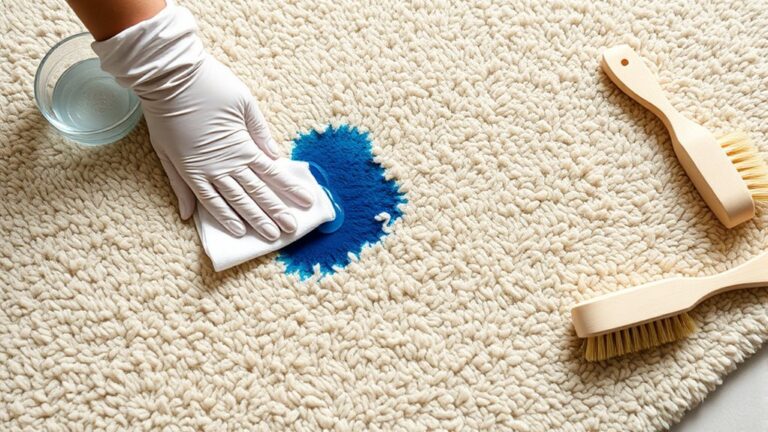
To remove ink from leather, start by identifying the type of leather you have and the kind of ink stain you’re dealing with. This is important because different leathers and inks require different cleaning methods.
Gather soft cloths, rubbing alcohol or a specialized leather cleaner, and mild soap before you begin.
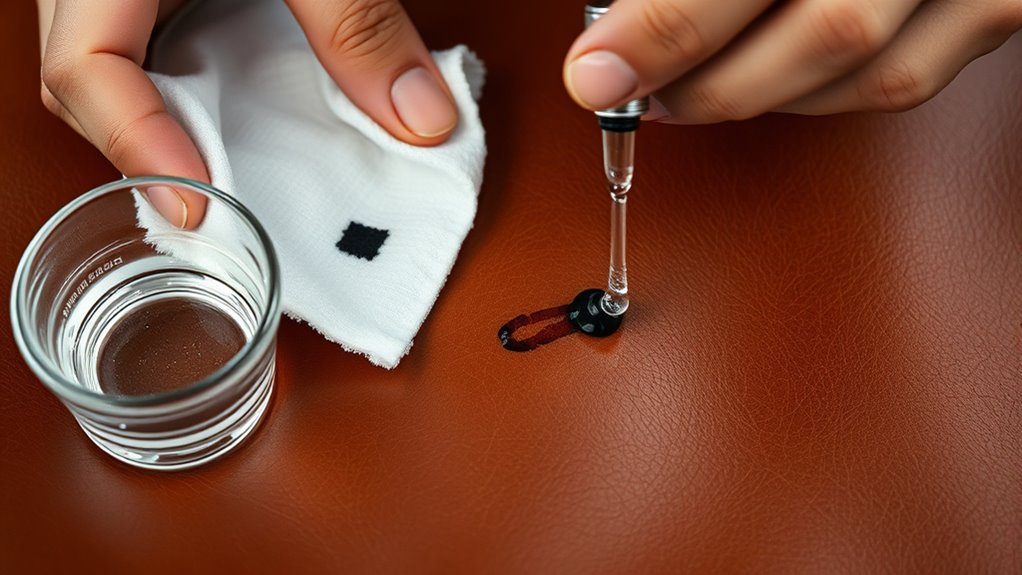
Always test your chosen cleaning solution on a hidden spot first to avoid unwanted damage. When you’re ready, gently dab the ink stain with a cloth dampened with your cleaner. Remember, avoid rubbing hard because that can spread the ink or damage the leather.
Once the stain starts to fade, apply a leather conditioner to keep the material soft and supple.
Following these simple steps carefully will help you master the best way to refresh your leather safely and effectively. Don’t worry—it’s easier than it sounds!
Key Takeaways
– Identify leather and ink type to choose the safest cleaning method and avoid damage.
It’s important to know what you’re dealing with before you start.
– Test cleaning solution on a hidden spot to ensure it doesn’t discolor or harm the leather.
Always play it safe by trying it out somewhere discreet first.
– Use a soft cloth with leather cleaner or diluted rubbing alcohol to gently dab the ink stain.
Be gentle here—dab rather than rub.
– Blot the stain carefully without rubbing to lift ink without spreading or embedding it further.
You don’t want to make the stain worse by smearing it around.
– Apply leather conditioner after cleaning to restore moisture, flexibility, and maintain leather’s appearance.
This step keeps your leather looking good and feeling soft.
Assess the Type of Leather and Ink
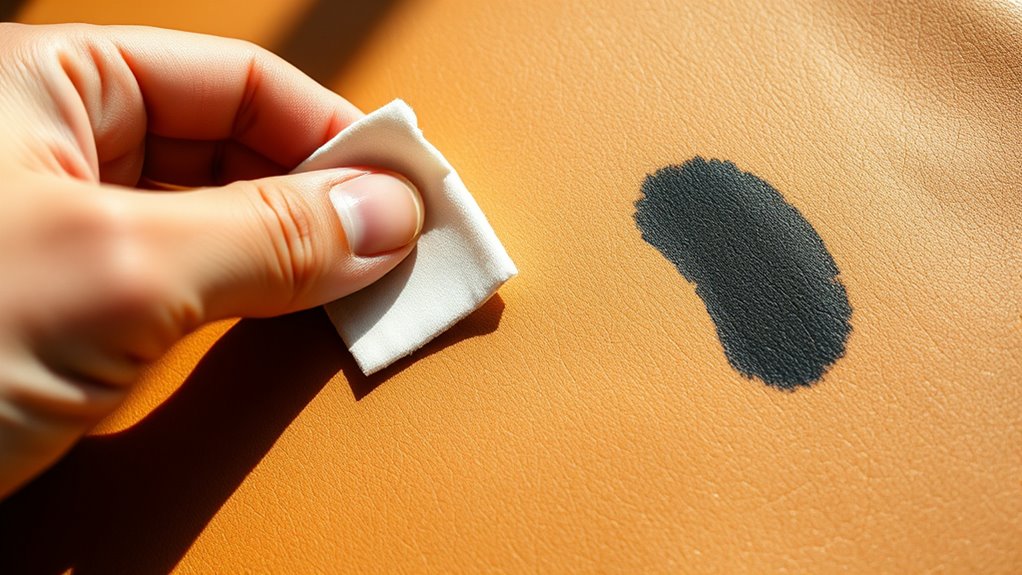
Before you begin removing ink from leather, you need to identify both the type of leather and the kind of ink involved. Different leathers react differently to cleaning methods.
Identifying the leather and ink type is crucial before starting any ink removal process.
For example, aniline leather is porous and absorbs ink quickly, making stains tougher to remove. On the other hand, finished or coated leather has a protective layer, so ink might sit more on the surface.
Next, look at the ink type. Ballpoint ink tends to be oil-based, while gel and fountain pen inks are usually water-based or dye-based. Knowing this helps you choose the right cleaning approach.
Check the ink’s color and whether it’s fresh or dried, as older stains can be more stubborn. This initial assessment prevents damage and increases your success rate.
Gather Necessary Cleaning Supplies
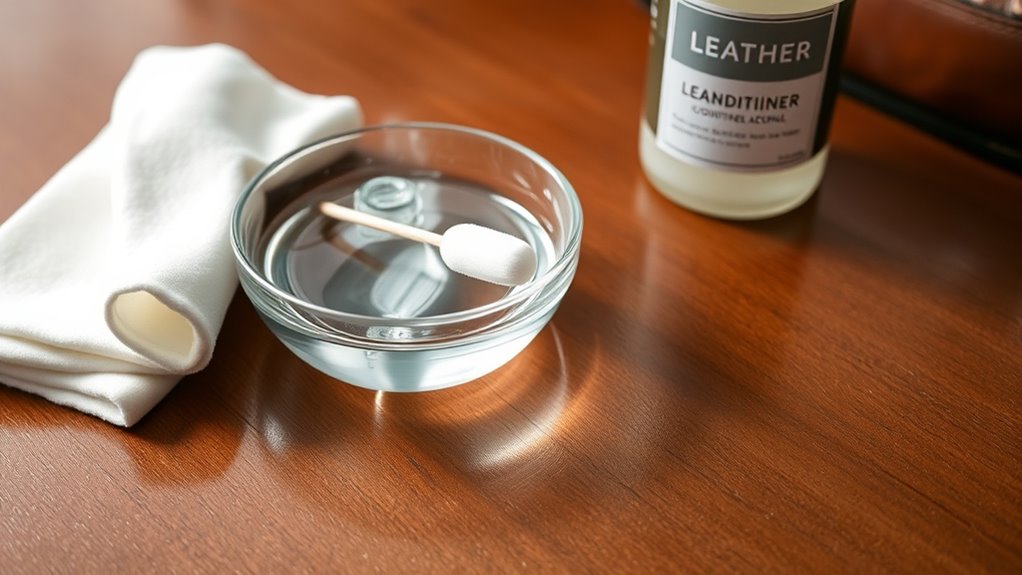
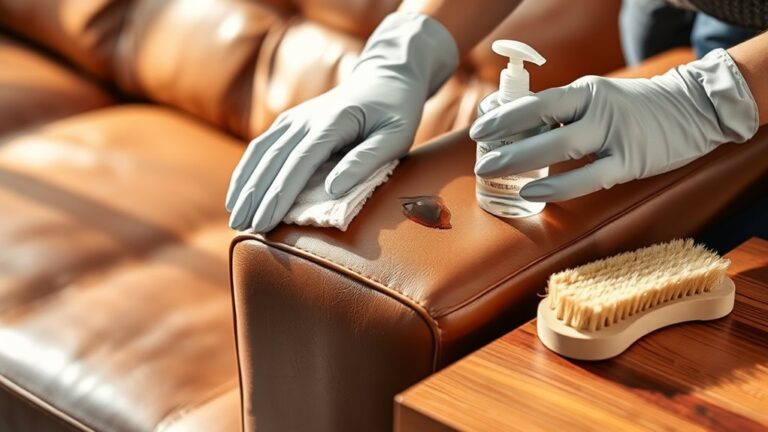
Once you’ve identified the type of leather and ink, gather the right cleaning supplies to tackle the stain effectively. Start with a soft, lint-free cloth or cotton balls to apply cleaning solutions gently.
Have a small bowl of lukewarm water ready for diluting products and rinsing. Depending on the ink and leather type, you might need rubbing alcohol, non-acetone nail polish remover, or leather cleaner specifically designed for ink stains.
Also, grab a mild soap like saddle soap if you prefer a gentler approach. Keep leather conditioner on hand to restore moisture after cleaning.
Avoid harsh chemicals or abrasive tools that can damage leather’s surface. Having these supplies ready ensures you can work carefully and efficiently to remove the ink without causing further harm.
Test a Small Hidden Area First
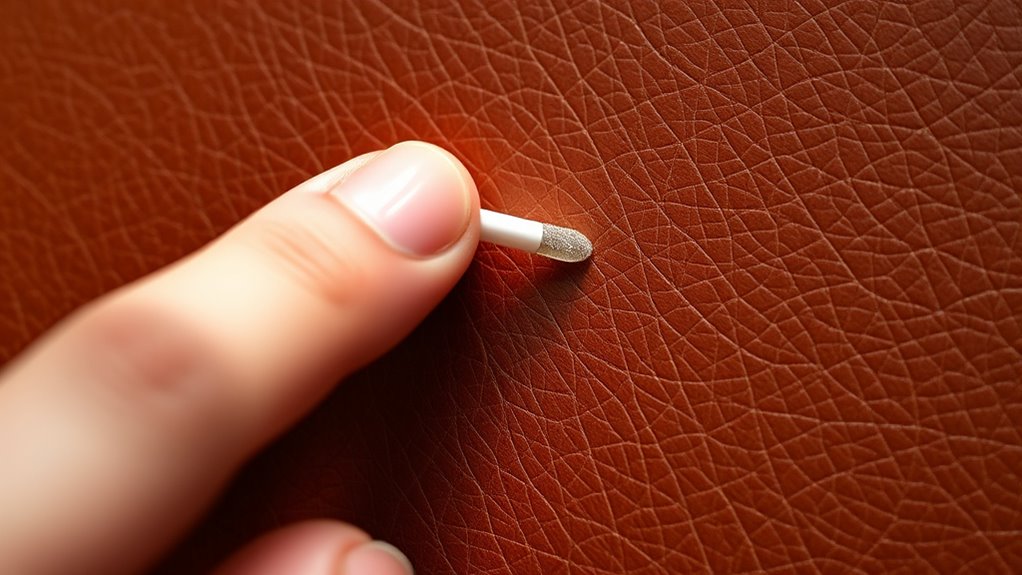
Although you’re enthusiastic to remove the ink stain, you should always test your chosen cleaning solution on a small, hidden area of the leather first. This step helps verify the product won’t cause discoloration, damage, or drying.
Pick a spot that won’t be noticeable, like inside a seam or under a flap. Apply a tiny amount of the solution and wait a few minutes to observe any changes.
If the leather’s color fades, darkens, or the texture feels rough, stop immediately and try a different cleaner. Testing first protects your leather from irreversible harm and guarantees a safer cleaning process.
Taking this precaution helps maintain your leather’s appearance and longevity while you tackle the ink stain with confidence.
Apply a Leather Cleaner or Rubbing Alcohol
If you want to remove ink from your leather effectively, applying a leather cleaner or rubbing alcohol is a practical next step. Choose a leather cleaner designed specifically for your leather type to avoid damage.
If you don’t have one, use isopropyl rubbing alcohol, but make sure it’s diluted to prevent drying out the leather. Pour a small amount onto a clean, soft cloth—not directly on the leather.
Dab the cloth gently to avoid spreading the ink further. The goal here is to lift the ink without saturating or harming the leather’s surface.
Always handle the leather with care during this process, because harsh chemicals or excessive rubbing can cause discoloration or cracks. This careful approach really sets you up for easier stain removal in the following steps.
Gently Dab and Wipe the Ink Stain
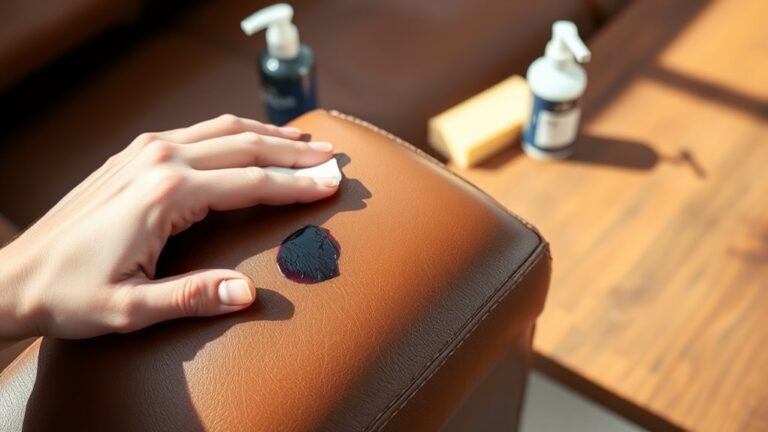
After applying the cleaner or rubbing alcohol, you’ll want to gently dab the ink stain with a soft, clean cloth. Avoid rubbing aggressively, as this can spread the ink and damage the leather’s surface.
Instead, press lightly and lift the stain by blotting repeatedly, switching to a fresh section of the cloth as the ink transfers. Pay close attention to the edges of the stain to prevent it from spreading further.
If the cloth becomes saturated, swap it out to maintain effectiveness. Keep at it patiently until you see the ink start to fade.
Condition the Leather to Restore Moisture
After removing the ink, you’ll want to choose a conditioner that’s specifically made for leather to keep it supple. Apply the conditioner evenly using a soft cloth, working it gently into the leather’s surface.
This step helps restore moisture and prevents cracking or drying out. It’s a simple way to keep your leather looking great for longer.
Choosing the Right Conditioner
How do you choose the right conditioner to restore moisture to your leather? First, look for products specifically designed for leather—these contain ingredients that nourish without damaging the material. Avoid anything with harsh chemicals, petroleum, or silicone, as they can dry out or discolor leather.
Consider a conditioner that suits your leather type; for example, smooth leather benefits from cream-based conditioners, while suede or nubuck require specialized sprays. Check product reviews and labels for natural oils like mink oil or lanolin, which help maintain softness and flexibility.
Finally, test the conditioner on a small, hidden area to ensure it doesn’t alter the color or texture. Choosing carefully ensures your leather stays supple and protected after removing ink. It’s worth taking the time to pick the right one!
Application Techniques for Moisture
Once you’ve selected the right conditioner, applying it properly makes all the difference in restoring your leather’s moisture. Start by using a soft cloth or sponge to apply a small amount evenly in circular motions.
Avoid over-saturating the leather to prevent damage. Let it absorb naturally, then buff gently for a smooth finish. Repeat if necessary, but always follow product instructions.
| Step | Technique |
|---|---|
| Apply Conditioner | Use a soft cloth, circular motion |
| Amount | Small, even layer |
| Absorption Time | Let it absorb naturally |
| Finishing Touch | Buff gently to restore shine |
This method guarantees your leather stays supple and protected after ink removal.
Frequently Asked Questions
Can Ink Stains on Leather Be Completely Removed Without Damage?
You can often remove ink stains from leather without damage, but it depends on the leather type and stain severity.
You’ll need to act quickly, use gentle cleaners, and test on a hidden area first to avoid harm.
It’s all about being careful and patient. That way, you have a better chance of saving your leather without causing any damage.
How Long Does It Take for Ink Removal to Show Results?
You’ll usually see ink removal results within a few minutes, but stubborn stains might take multiple treatments over several hours or days.
Be patient and gentle to avoid damaging the leather while the ink fades.
Just take your time with it, and don’t rush the process. It’s better to be careful than to cause more harm.
Are There Any Homemade Remedies Safe for Ink Removal on Leather?
Like a modern-day alchemist, you can use homemade remedies safely—dab a bit of milk or diluted vinegar on the ink spot, then gently blot.
Just remember, test first to avoid damaging your leather treasure. It’s always better to be safe than sorry!
Can Repeated Cleaning Harm the Leather’s Color or Texture?
Yes, repeated cleaning can harm your leather’s color and texture. You should avoid overdoing it and always test a small area first.
Use gentle products and condition the leather afterward to keep it supple and vibrant. That way, your leather stays looking great for longer!
Is Professional Cleaning Better for Expensive Leather Items?
Yes, you should opt for professional cleaning with expensive leather items. They have the right tools and expertise to avoid damage, preserve color, and maintain texture.
Conclusion
Removing ink from leather might seem tricky, but with the right steps, you can do it effectively.
Did you know that 90% of leather damage happens because people skip testing cleaners first? By evaluating your leather type, gathering supplies, and gently treating the stain, you’re protecting your item.
Don’t forget to condition the leather afterward to keep it supple. Follow these steps carefully, and you’ll keep your leather looking great for years to come.
When it comes to removing ink from leather, patience and care are key. Always start by identifying the type of leather you have, because different kinds might react differently to cleaning agents. Next, gather gentle supplies like a soft cloth, leather cleaner, or rubbing alcohol diluted in water.
Gently dab the stain instead of rubbing it, which can spread the ink or damage the leather. After the ink is removed, conditioning the leather is crucial to restore moisture and maintain its softness. By following this step-by-step guide, you can effectively remove ink from leather and keep your favorite items looking fresh and new.