

Blog

  • What Does Printer Ink Do When It Expires?

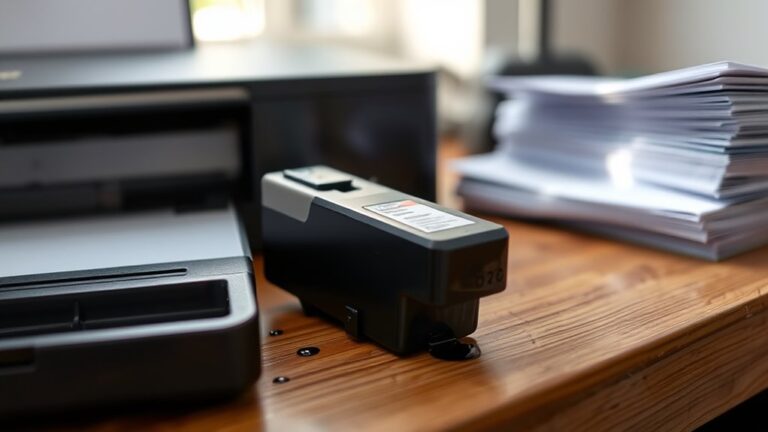
    When your printer ink expires, it thickens and dries out, causing faded, blotchy, or streaky prints. You’ll notice dull colors and clogged nozzles that can damage your printer’s components over time.

    Expired ink can also increase wear on your print head, reducing your printer’s lifespan. To avoid these issues, it’s important to store ink properly and dispose of expired cartridges safely.

    Keep exploring, and you’ll discover how to protect both your printer and the environment.
  • What Can You Do If Printer Ink Does Dry Out?

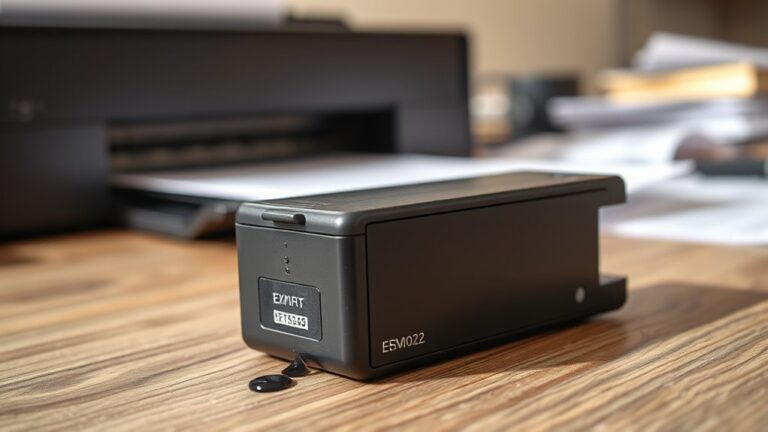
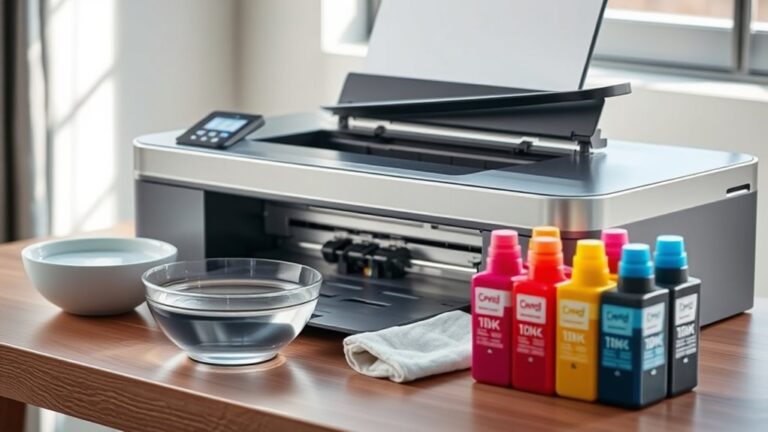
    If your printer ink dries out, first try cleaning the cartridges by wiping the nozzles gently with a lint-free cloth dampened with isopropyl alcohol. You can also soak the ink nozzles in warm water for 10-15 minutes to soften dried ink.

    After drying, run your printer’s cleaning cycle to clear clogs. Regular maintenance and frequent use help prevent drying.

    If the problem persists, you might need to replace the cartridge. Keep exploring for detailed tips on restoring and maintaining your printer ink.

  • Do Ink Cartridges Expire and How Can You Extend Their Life?

    Yes, ink cartridges do expire, and using them past their date can cause faded prints or damage your printer. To extend their life, store cartridges sealed and upright in a cool, dry place away from sunlight.

    Print regularly to keep ink flowing and prevent clogs. Avoid exposing cartridges to extreme temperatures and air.

    Taking these steps helps maintain print quality and saves money. Learn how proper care can maximize your cartridge’s performance and lifespan.

  • Can Ink Cartridges Expire and How to Tell

    Yes, ink cartridges do expire, usually after about two years unopened or six months once opened. You’ll notice faded prints, streaks, or blotchy colors when ink goes bad.

    Exposure to heat, sunlight, or air speeds up this process, causing drying or clumping. Proper storage—cool, dry, sealed, and upright—helps extend their life.

    Using expired cartridges risks printer damage and poor quality. Keep going to learn how to spot and prevent ink cartridge issues effectively.

  • How to Get Pen Ink Out of Carpet in 5 Easy Steps

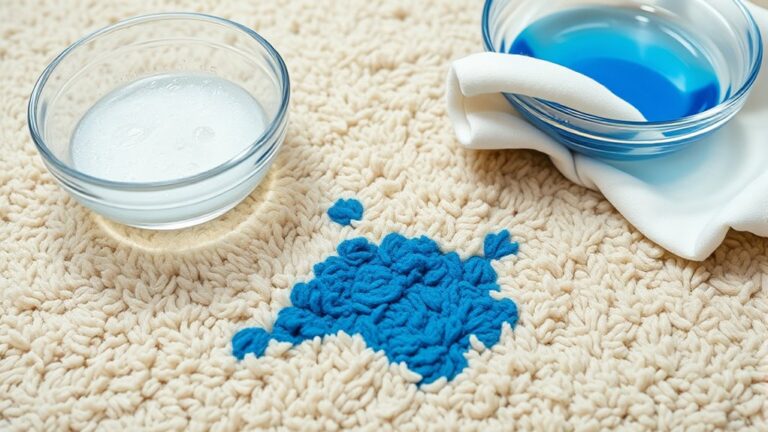
    To get pen ink out of your carpet in five easy steps, first gather white cloths, cold water, mild soap, and rubbing alcohol. Blot the stain gently without rubbing to avoid spreading.

    Next, apply a cleaning solution like rubbing alcohol on the stain, dabbing from the edges inward. Rinse the area with cold water and blot again.

    Finally, let the carpet dry fully before using it. Keep going to discover more tips for effective stain removal.

  • How to Compute Ink in 7 Simple Steps

    To compute ink in 7 simple steps, first measure your print area’s size precisely. Then, identify the ink coverage percentage on that area.

    Calculate the total ink volume by multiplying coverage by area, and check your printer’s cartridge capacity to know how many cartridges you’ll need.

    Factor in extra ink for wastage and test prints, then finalize your estimate with adjustments for your paper and printer variables.

    Keep going to uncover detailed tips for perfect ink calculations.

  • How to Clean Ink Off Leather Step by Step

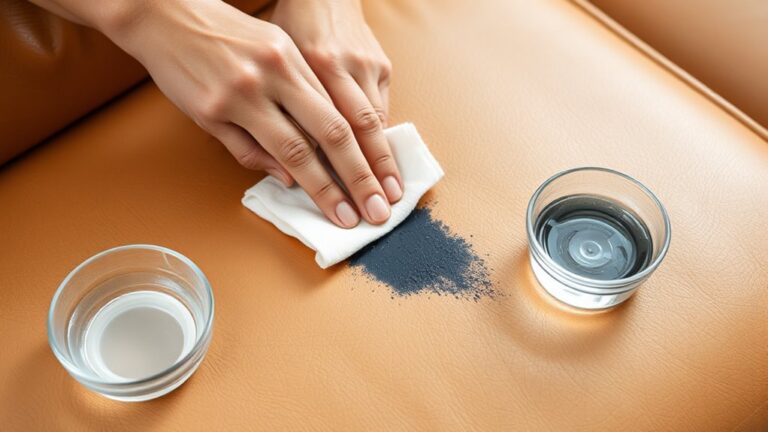
    To clean ink off leather, first identify your leather type and the ink to choose the right cleaner. Gather soft cloths, mild leather cleaner, and cotton swabs.

    Test your cleaner on a hidden spot, then gently dab the ink stain with a cotton swab—avoid rubbing tough.

    Blot excess ink, wipe with a damp cloth, and let it air dry. Finish by conditioning your leather to keep it supple.

    Explore more for detailed tips and care advice.

  • How Ink Is Made Step by Step

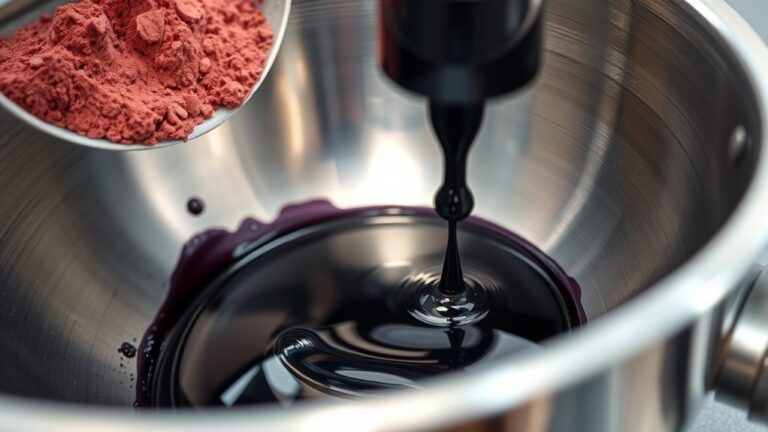
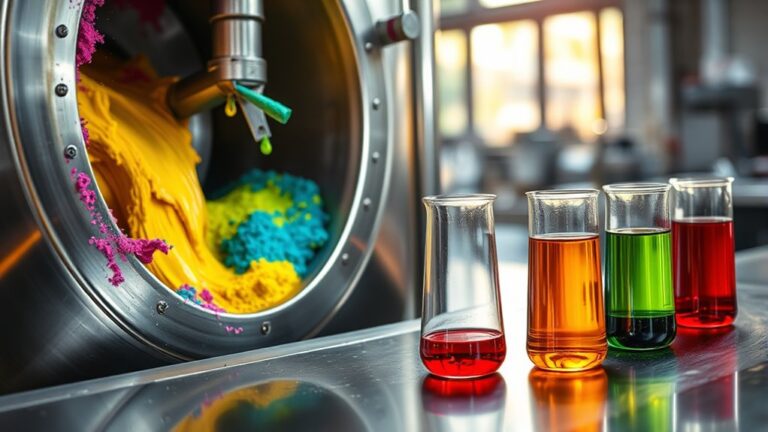
    You start making ink by gathering quality raw materials like pigments, solvents, and additives. Next, you process pigments and dyes to achieve the right color and consistency, often grinding and stabilizing particles.

    Then, you mix these components with binders and solvents, ensuring smooth flow and proper drying. After that, you test for color accuracy and durability.

    Finally, you package the ink securely for shipment. There’s more to discover about each step’s details and techniques.

  • How Ink Is Manufactured Step by Step

    You start by selecting pigments, binders, solvents, and additives that fit your desired ink qualities. Next, you grind pigments finely with dispersants for a smooth texture.

    Then, you mix all ingredients carefully to balance color, viscosity, and drying time. After that, you filter and refine the ink to guarantee uniform flow and prevent clogs.

    Finally, you test its consistency and package it safely. Keep exploring if you want to uncover each step in greater detail.

  • How Ink Was Made Step by Step

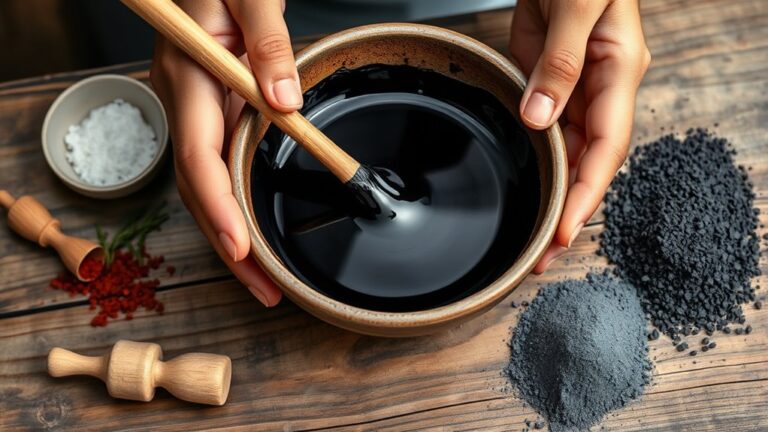
    To make ink, start by gathering your raw materials like pigments, a binder, and a liquid base such as water or oil. Then, grind your pigments into a fine powder and mix them thoroughly with the binder and liquid to create a smooth, vibrant base.

    Next, filter the mixture to remove any clumps or impurities. With these steps, you’re creating a durable, even ink—perfect for writing or art.

    And there’s plenty more to explore about each stage. It’s pretty interesting once you dive into the details!