
Why Does White Ink Hurt More During Tattoos?
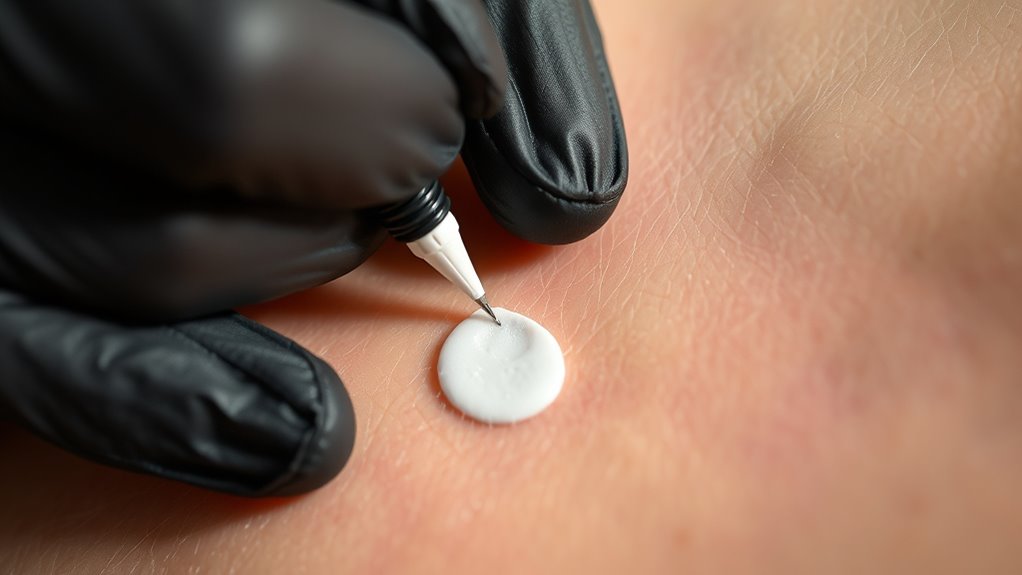
You’ll notice white ink hurts more during tattoos because it contains thicker titanium dioxide pigment. This pigment requires deeper needle penetration to show up bright and bold on your skin.
So, your skin experiences more trauma and irritation during the tattooing process.
This causes increased redness, swelling, and sensitivity. Plus, the tattoo artist applies more pressure and goes slower to ensure proper coverage.
All these factors add to the discomfort you feel.
If you want to understand why white ink affects your skin this way and how to manage the pain, keep investigating these factors.
Knowing what’s happening beneath the surface can help you prepare better for your tattoo session.
Key Takeaways
- White tattoo ink contains dense titanium dioxide particles. These require deeper skin penetration to achieve that bright, solid look, which ends up causing more tissue trauma.
- Tattoo artists often apply greater pressure and use slower strokes when working with white ink. This means the needle goes deeper and the skin gets more irritated.
- The particles in white ink are larger and tend to sit closer to the skin’s surface. Because of this, redness, swelling, and stinging sensations tend to last longer.
- Also, white ink’s composition triggers a stronger immune response. This makes the skin more sensitive and increases pain during the tattooing process.
- Plus, white ink usually needs multiple passes to look right. When it’s applied in sensitive or thin-skinned areas, the discomfort is even more noticeable compared to other ink colors.
The Unique Composition of White Tattoo Ink
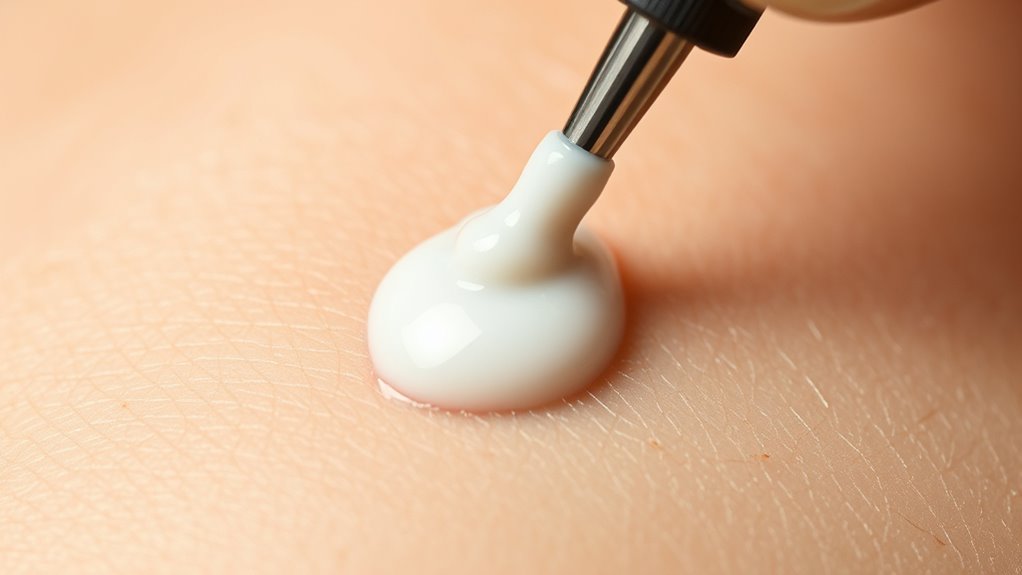
Although it might seem like just another color, white tattoo ink has a unique composition that affects how it interacts with your skin. Unlike colored inks made from organic pigments, white ink primarily contains titanium dioxide, a dense mineral pigment.
White tattoo ink’s unique makeup, mainly titanium dioxide, influences how it interacts with your skin differently than colored inks.
This makes the ink thicker and less transparent, which can cause your skin to react differently during the tattooing process. Because titanium dioxide particles are larger and heavier, your tattoo artist needs to push the ink deeper into your skin to guarantee proper coverage and brightness.
This extra depth can increase the discomfort you feel. Additionally, white ink’s opacity means it sits more on the surface, sometimes causing the skin to become more irritated or sensitive.
Understanding this helps explain why white ink tattoos often hurt more than their colored counterparts.
How White Ink Is Applied Differently
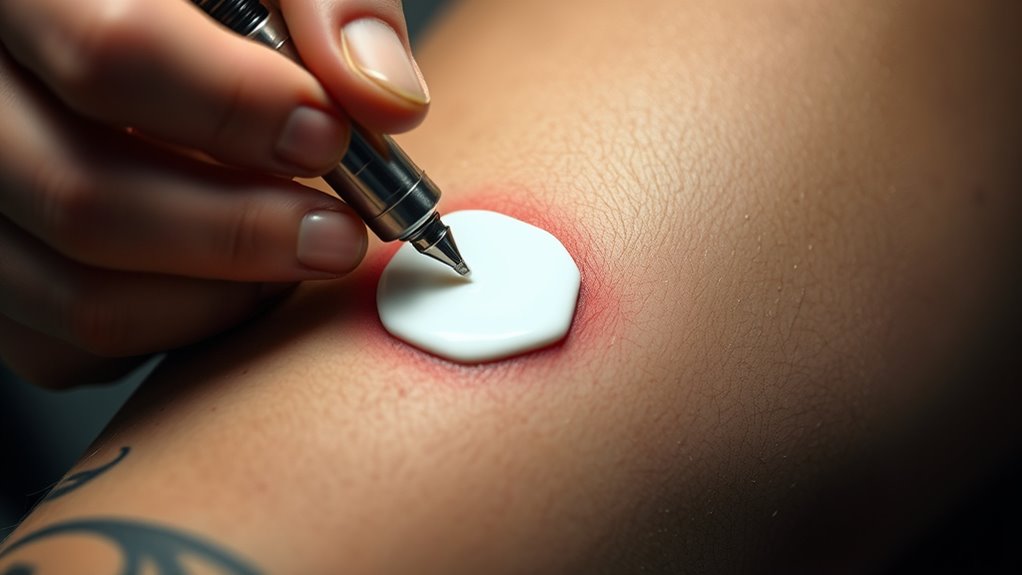
Because white ink requires deeper placement to achieve its brightness, tattoo artists adjust their technique when applying it. You’ll notice they apply more pressure and go slightly deeper into the skin than with other colors.
This ensures the ink settles well in the dermis, preventing it from fading or blending with surrounding pigments. Additionally, artists often use slower, more deliberate strokes to allow the white ink to deposit evenly.
You might also feel the needle lingers longer in one spot compared to standard tattooing. This method is necessary because white ink is thicker and less pigmented, demanding more precise application.
While these adjustments help the white ink stand out vividly, they contribute to an increased sensation of discomfort during the tattooing process.
Skin Sensitivity to White Ink
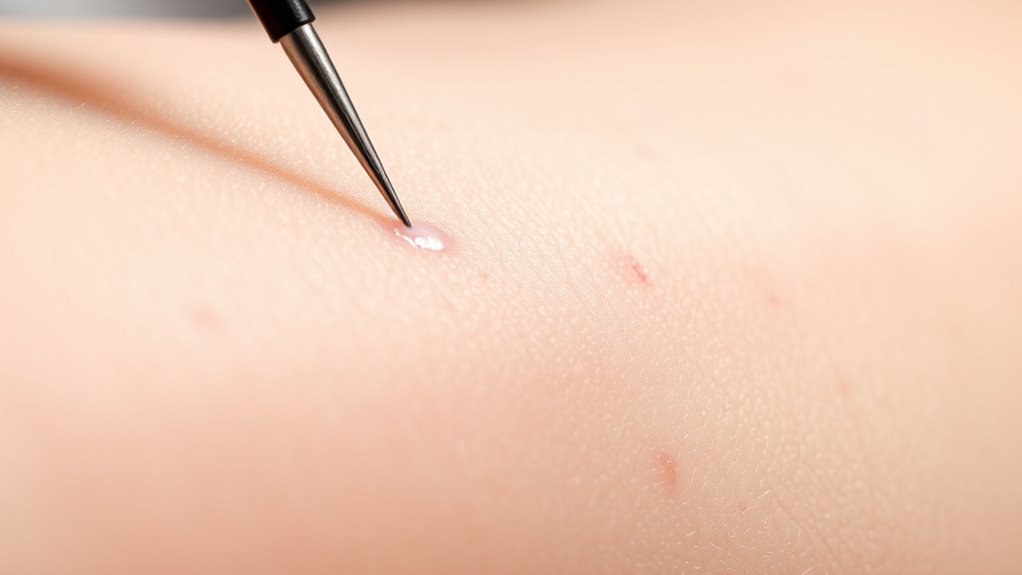
When your skin encounters white ink, it often reacts more intensely than with other colors due to the ink’s unique composition and the deeper needle penetration required. White ink contains titanium dioxide, which can irritate your skin more than the pigments in darker inks.
Because your artist needs to push the ink deeper to achieve opacity, your skin experiences more trauma, increasing sensitivity. You might notice more redness, swelling, or a heightened stinging sensation during the tattooing.
Additionally, your skin’s immune response can be stronger against white ink, as it may perceive the pigment as a more foreign substance. This elevated sensitivity explains why tattoos with white ink often hurt more and feel more uncomfortable during the session compared to other colors.
The Healing Process and White Ink Tattoos
The extra irritation caused by white ink doesn’t stop once the tattooing ends—it actually affects how your skin heals. White ink particles are larger and sit closer to the skin’s surface, making your healing process more intense. You might notice prolonged redness, swelling, or itchiness compared to darker inks.
Because your skin reacts more strongly, scabbing can be thicker, and peeling may last longer. This means you’ll need to be extra diligent with aftercare—keeping the area clean, moisturized, and protected from sun exposure is vital.
If you rush healing or expose your tattoo to harsh elements, the white ink can fade or blur, impacting the tattoo’s appearance. Understanding this helps you prepare for a more cautious, attentive healing phase when you choose white ink.
Pain Perception and Tattoo Placement
You’ll notice that some spots on your body feel more sensitive during a tattoo, especially when using white ink. The way your skin reacts and the ink’s composition both play a role in how much pain you experience.
Knowing which areas tend to hurt more can help you prepare for the process. It’s all about understanding your body and what to expect, so you’re not caught off guard.
Skin Sensitivity Variations
Because your skin’s sensitivity varies across different areas, pain perception during tattooing can change considerably depending on placement. Some spots, like your ribs, spine, or inner bicep, have thinner skin and more nerve endings, making them more sensitive and painful when tattooed.
On the other hand, fleshier areas with thicker skin, such as your upper arm or thigh, tend to hurt less. When white ink is applied, it often requires multiple passes and more pressure to achieve opacity, which can amplify discomfort, especially in sensitive areas.
Being aware of these variations helps you prepare mentally and physically for your tattoo session. Choosing locations with lower sensitivity or discussing pain management options with your artist can make the experience more manageable.
Ink Composition Effects
Although all tattoo inks share basic ingredients, white ink contains unique compounds that can influence how much pain you feel during application. This ink often includes titanium dioxide, which can be thicker and less fluid than pigments in other colors.
When your tattoo artist works with white ink, the needle needs to penetrate your skin more deeply to deposit enough pigment for opacity. This extra depth can cause increased discomfort.
Additionally, white ink tends to sit closer to the skin’s surface, requiring more passes to build up the desired brightness. Because of this, your skin experiences repeated trauma in the same area, amplifying sensitivity.
Understanding these factors can help you prepare mentally and physically for the sensation, knowing the ink itself plays a significant role in pain perception during your tattoo session.
Common Painful Areas
The way your skin reacts to white ink’s unique composition can vary depending on where the tattoo is placed. Areas with thinner skin, like your ribs, ankles, or wrists, tend to be more sensitive, making the white ink feel more painful during the process.
You’ll notice spots with less muscle or fat, such as your collarbone or fingers, also amplify discomfort because nerves sit closer to the surface. Conversely, fleshier areas like your upper arm or thigh often dull the sting, offering some relief.
Keep in mind that white ink requires multiple passes to achieve opacity, which can intensify pain in these sensitive zones. Understanding these common painful areas can help you choose a placement that balances your pain tolerance with your desired design.
Tips to Minimize Discomfort With White Ink Tattoos
Since white ink tattoos tend to cause more discomfort, taking specific steps before and after your session can make a big difference. First, make sure you’re well-hydrated and have eaten a good meal beforehand to stabilize your energy.
Avoid alcohol and caffeine, as they can increase sensitivity. During your tattoo, try deep, steady breathing to help manage pain and keep your muscles relaxed.
After the session, follow your artist’s aftercare instructions closely—clean the area gently, apply recommended ointments, and keep the tattoo moisturized. Wearing loose clothing over the tattooed spot can prevent irritation.
Finally, consider discussing numbing creams with your artist ahead of time; they might recommend one that works well with white ink. These steps can help you get through the process with less discomfort and better healing.
Frequently Asked Questions
Does White Ink Fade Faster Than Other Colors?
Yes, white ink tends to fade faster than other colors because it’s less pigmented and more prone to sun exposure and skin regeneration.
You’ll need touch-ups more often to keep it looking bright and fresh. It’s just the nature of white ink—it’s delicate but can look amazing when maintained well.
Can White Ink Tattoos Cause Allergic Reactions?
If your skin throws a white party of bumps and itching, yes, white ink tattoos can cause allergic reactions. They’re sneakier than other colors, so you better patch test or risk a surprise rash rave!
Seriously, white ink can be a bit tricky. It might not show issues right away, but later on, you could notice swelling or irritation. So, taking precautions is definitely a smart move.
How Long Do White Ink Tattoos Typically Last?
White ink tattoos usually fade faster than darker inks, often lasting around 3 to 5 years.
You’ll need touch-ups to keep them vibrant, especially since white ink is less resistant to sun exposure and skin aging.
Is White Ink Visible on All Skin Tones?
You won’t see white ink screaming on every skin tone; it’s like a shy ghost at a party—more visible on darker skin but often subtle on lighter tones.
Can White Ink Tattoos Be Easily Removed?
Yes, you can remove white ink tattoos, but they’re tougher than darker ones. White ink absorbs laser light less effectively, so removal usually takes more sessions.
It might not fully erase the design, either. So, be prepared for a longer process compared to darker tattoos.
Conclusion
Getting white ink tattooed can feel like a sharper sting, as if tiny sparks are dancing just beneath your skin. Its unique composition and the way it’s applied make your skin more sensitive, turning the healing into a delicate dance.
But don’t let the pain scare you—think of it as the price of a subtle masterpiece, glowing quietly like moonlight on your skin. With care, that glow will be worth every moment.
White ink tattoos hurt more because the ink particles are thicker and require more pressure to deposit. This can cause increased skin trauma, which means more discomfort during the process. Plus, white ink tends to sit closer to the skin’s surface, making the sensation feel sharper.
So, while the pain might be a bit more intense, the stunning, luminous effect of white ink tattoos is something truly special. In the end, that little extra sting is just part of creating an elegant, eye-catching design that lasts.