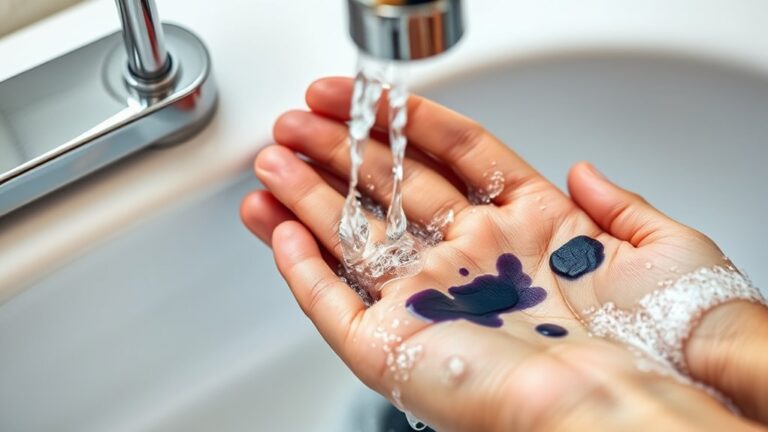
How Do You Remove Printer Ink From Skin Quickly and Safely
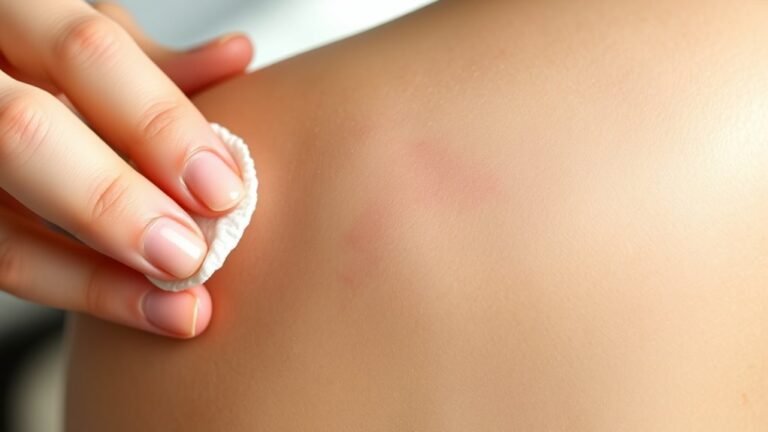
If you get printer ink on your skin, it’s important to remove it quickly and safely to avoid stains and irritation. Start by blotting the ink gently with a clean cloth. Be careful not to rub, because that can spread the ink and make things worse.
Next, wash the area with lukewarm water and mild soap. Use gentle circular motions to help lift the ink from your skin. Sometimes, soap alone might not do the trick, and that’s okay.
If the ink is stubborn, you can try applying a small amount of rubbing alcohol or hand sanitizer. Just be sure to use these carefully and avoid harsh scrubbing, which can irritate your skin.
Taking these easy steps will help you get rid of printer ink safely and keep your skin feeling good.
For more tips on safely removing ink and preventing stains, keep exploring effective methods. You’ve got this!
Key Takeaways
- Blot fresh printer ink with a clean cloth without rubbing. This helps prevent skin irritation and stops the ink from spreading.
- Wash your skin gently with lukewarm water and mild, fragrance-free soap. This will help break down and remove the ink effectively.
- You can use rubbing alcohol or hand sanitizer sparingly. Apply it gently on the ink stains to lift the ink safely.
- Always test any ink remover on a small patch of skin first. This way, you can check for any adverse reactions before using it more widely.
- Avoid harsh solvents like acetone. Also, consider wearing gloves and wash your hands frequently to prevent getting ink stains in the first place.
Understanding Printer Ink and Its Effects on Skin

Although printer ink might seem harmless, it contains chemicals that can irritate your skin or cause allergic reactions.
When you get ink on your hands, it’s important to understand that the pigments and solvents in the ink can dry out your skin or cause redness and itching.
Some people may be more sensitive, experiencing mild swelling or a rash.
The ink isn’t usually toxic, but prolonged exposure can increase discomfort.
Since printer ink isn’t designed for skin contact, you should avoid rubbing it too hard to prevent abrasion.
Knowing how the ink interacts with your skin helps you handle it carefully and decide the best way to remove it safely without causing further irritation or damage.
Immediate Steps to Take After Ink Contact
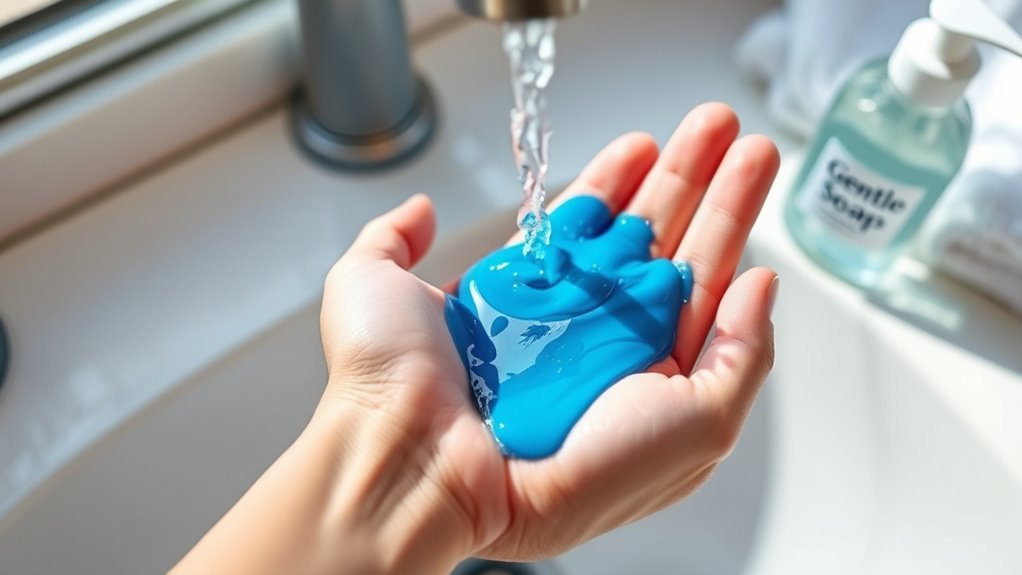
Once you notice printer ink on your skin, act quickly to minimize staining and irritation. Delaying can make removal harder and increase skin sensitivity.
Act fast when printer ink gets on your skin to reduce stains and avoid irritation.
Here’s what you should do immediately:
- Blot, don’t rub – Use a clean cloth or paper towel to gently blot the ink without spreading it.
- Avoid harsh scrubbing – Scrubbing can irritate your skin and embed ink deeper.
- Remove any contaminated clothing – This helps prevent ink from spreading to other areas.
- Keep the area dry – Don’t wash yet; wait until you’re ready to follow proper cleaning steps.
Using Soap and Water for Effective Ink Removal

You’ll want to pick a gentle soap that can break down ink without irritating your skin. Use warm water and lather the soap thoroughly over the stained area.
Then, rub gently in circular motions to lift the ink effectively. It’s all about being gentle but thorough!
Choosing the Right Soap
Why does choosing the right soap matter when removing printer ink from your skin? The right soap helps break down ink effectively without irritating your skin. Not all soaps have the same cleaning power, so picking the best one speeds up ink removal and protects your skin’s natural oils.
Here’s what to look for:
- Mild, fragrance-free soap – Reduces the chance of irritation.
- Liquid soap – Easier to lather and spread over ink stains.
- Soap with moisturizing ingredients – Prevents dryness after washing.
- Antibacterial soap – Helpful if the ink has contaminants but avoid overuse.
Using the right soap sets the stage for effective ink removal while keeping your skin healthy. It’s a simple step that makes a big difference!
Proper Washing Techniques
Although soap plays a crucial role, how you wash your skin affects how well the ink comes off. Start by rinsing the area with lukewarm water to loosen the ink.
Apply a generous amount of soap and gently rub the skin in circular motions to break down the ink particles. Avoid harsh scrubbing to prevent irritation.
Rinse thoroughly and repeat if needed. Pat your skin dry with a clean towel.
| Step | Action | Tip |
|---|---|---|
| 1 | Rinse with lukewarm water | Opens pores for better cleaning |
| 2 | Apply soap | Use mild, grease-cutting soap |
| 3 | Rub gently | Circular motions avoid skin damage |
| 4 | Rinse and dry | Repeat if ink persists |
Applying Household Products Safely on Skin
When using household products to remove ink, choose ones that are safe for your skin, like rubbing alcohol or hand sanitizer.
You’ll want to be mindful if your skin is sensitive to avoid irritation. Always apply these products gently and sparingly to prevent any damage.
Safe Household Products
Since printer ink can be stubborn, you might need to turn to common household products to remove it from your skin safely. Before applying anything, make sure your skin is dry and clean.
Use these effective options:
- Rubbing alcohol – Dab a small amount on a cotton ball and gently rub the inked area.
- Hand sanitizer – Apply a bit on your skin and rub until the ink loosens.
- Dish soap and warm water – Lather and rinse repeatedly to break down the ink.
- Olive oil or coconut oil – Massage into the skin to lift the ink, then wash off with soap.
Always rinse thoroughly after use and avoid harsh scrubbing to protect your skin’s natural barrier. It’s better to be gentle, so your skin stays healthy.
Skin Sensitivity Awareness
Because your skin can react differently to various household products, you should always test a small area before applying anything extensively. This simple step helps you avoid irritation, redness, or allergic reactions.
Apply a tiny amount of the product on a discreet spot, then wait about 10-15 minutes to see how your skin responds. If you notice any discomfort, swelling, or rash, avoid using that product on larger areas.
Keep in mind that some ingredients like alcohol or lemon juice can be harsher on sensitive skin. If you have known skin conditions or allergies, consult a dermatologist before trying new treatments.
Prioritizing skin sensitivity awareness ensures you remove printer ink safely without causing further skin issues. It’s always better to be safe than sorry!
Proper Application Techniques
Although household products can effectively remove printer ink from your skin, you should apply them carefully to prevent irritation or damage. Follow these steps to apply them safely:
- Test First: Apply a small amount to a discreet skin patch to check for allergic reactions.
- Use Gentle Motions: Dab or rub the product gently; avoid harsh scrubbing to protect your skin.
- Limit Exposure Time: Don’t leave the product on your skin for too long. Rinse off promptly to reduce irritation.
- Moisturize Afterward: Once clean, apply a moisturizer to soothe and hydrate your skin. It helps keep your skin happy and healthy.
When to Use Specialized Ink Removers
If regular soap and water don’t fully remove the printer ink from your skin, it’s time to contemplate specialized ink removers. These products are designed specifically to break down stubborn ink pigments without harsh scrubbing.
You’ll want to use a remover if the ink has dried or soaked into your skin, making it resistant to standard washing. Choose removers labeled safe for skin to avoid irritation, especially if you have sensitive skin.
Apply the remover as directed—usually by gently rubbing it onto the stained area, then rinsing thoroughly. Avoid using harsh solvents like acetone or bleach, which can damage your skin.
When ink persists despite your best efforts, specialized removers offer a quicker, safer solution to restore clean, ink-free skin. It’s definitely worth giving them a try!
Preventive Measures to Avoid Ink Stains on Skin
When specialized removers become necessary, it’s a clear sign that preventing ink stains on your skin is the better approach. You can save time and avoid frustration by adopting simple habits.
Here are four effective preventive measures:
- Wear disposable gloves whenever you handle printer ink cartridges or refill ink tanks.
- Use a protective cloth or paper underneath your workspace to catch accidental spills.
- Avoid touching your face or other parts of your body while working with ink.
- Wash your hands immediately after any ink handling, even if you don’t see visible stains.
Frequently Asked Questions
Can Printer Ink Cause Allergic Reactions on Sensitive Skin?
Yes, printer ink can cause allergic reactions on sensitive skin. If you notice redness, itching, or swelling, you should wash the area immediately and avoid further contact.
It’s important to keep an eye on the symptoms. If they get worse or don’t go away, you should definitely consult a doctor. Better safe than sorry!
Is It Safe to Use Baby Oil to Remove Printer Ink?
Yes, you can safely use baby oil to remove printer ink from your skin. It’s gentle, moisturizes, and helps break down the ink.
Just apply, rub gently, then wash off with soap and water. It’s pretty simple and usually works well!
How Long Does Printer Ink Typically Stay on Skin Without Washing?
You might think printer ink sticks forever, but it usually stays on your skin for a few hours without washing.
However, the longer you wait, the harder it’ll be to remove, so clean it off promptly.
Are There Any Natural Remedies to Lighten Printer Ink Stains?
Yes, you can try natural remedies like rubbing alcohol, lemon juice, or baking soda mixed with water. These gently lighten printer ink stains on your skin without harsh chemicals.
But hey, always test a small area first to avoid any irritation. It’s better to be safe than sorry, right?
Can Printer Ink Be Harmful if Accidentally Ingested?
Yes, printer ink can be harmful if ingested, especially in large amounts. Don’t panic if a small amount is swallowed, but seek medical advice immediately to guarantee your safety and avoid any serious health issues.
It’s always better to be safe than sorry when it comes to ink ingestion. So, if you or someone else accidentally swallows printer ink, getting checked out by a healthcare professional is a smart move.
Conclusion
Think of printer ink on your skin like a stubborn splash of paint on a canvas—you need the right tools and quick action to keep it from setting. Just like a painter cleans brushes immediately to avoid permanent stains, you should wash ink off promptly with soap and water.
It’s important to act fast and use safe products when removing printer ink. This approach is your best defense, turning a messy moment into a simple cleanup rather than a lasting mark.
To remove printer ink from skin quickly and safely, start by rinsing the area with warm water. Then, gently scrub with soap, avoiding harsh chemicals that might irritate your skin. If soap and water aren’t enough, try using a little rubbing alcohol or hand sanitizer, but be sure to moisturize afterward to prevent dryness.
In short, removing printer ink from skin quickly and safely is all about prompt action and careful cleaning. Use mild soap and water first, move on to gentle alternatives if needed, and keep your skin healthy with moisturizers. This simple routine helps you get rid of unwanted ink stains without causing skin irritation.